

 Vaata sisu
 Jaga teost
 Jaga
Jaga
 Detailid
 Õppekate juhend

 Laadi alla
 Sarnased teosed
 Röntgenuuring
 Slaidietendus
 Statistika
The Night Train
 Acrylic On Canvas
- WallArt
- Romanticism
 1849
1849 280.0 x 380.0 cm
 City Art Gallery
 Loe lähemalt
Käsitsi valmistatud õlimaalireproduktsioon
Meie kunstnike poolt tellimusel valmistatud käsitsi maalitud õli-kainaste teos teie soovitud suuruses ja raamis. ( Lülita trükkitoodetele Ülemineku digitaalse pildi müügi kanalisse)




P118B €10

P118H €10

P118W €10

P438Z €10

P508JH €12

P508YH €12

P805H €10

P805Z €10

P919BZ €10

P919G €10

P919XJ €10

P959ZH €10

P968JZ €12

W106C €8

W218G €10

W218JH €8

W218Y €10

W307PJ €10

W316G €10

W316PJ €8

W316Y €10

W398PJ €8

W4111J €10

W500HY €15

W500JH €15

W692G €12

W849H €8

W940BG €15

W953PJ €8




Vali meie eelmääratud suurused, mis vastavad teose algupärastele proportsioonidele.

Sisestage vajalik laius ja kõrgus, et teos sobiks teie raamile või seinale. Kuna tegu on käsipainatud teosega, siis erineva kujuga suuruse korral võib kunstnik jätta pildi ümber veidi rohkem marginaali või lõigata osa ära — valik on teie. Enne maali alustamist saadame teile kinnitamiseks digitaalse näidisprojektsiooni. Sellel lehel näidatud pilt ei kajasta tegelikku tulemust — seda näitab ainult näidisprojekttsioon.
Pärast tellimust saadab OriginalUniqueArt.com meeskond kliendile e-posti juhised ning esitab eelvaate kavandi
Maailmline tarne 3–4 nädala jooksul tavalise 5 nädala asemel. (20 oktoober). Kvaliteedis kompromisse ei tehta.

Tasuta ekspresssaatmine üle maailma

Kõrgekvaliteediline lina-kangastest muld

Täielik transpordikindlustus

Tollimaksude tagastamise garantii

Värvitoime täpsuse garantii

100 päeva tagastusõigus (ainult defektide korral)

100% raha tagasi garantii

Hulgusoodustus
 Klaasivalik on saadaval ainult kuni 110 cm suuruses teostes

The Night Train
Reproduktsiooni materjal
Reproduktsiooni mõõtmed
-


Lõppsumma
€ 262
The Night Train: A Watercolor’s Evocative Journey
David Cox's "The Night Train," painted in 1849, isn’t merely a depiction of a locomotive traversing the countryside; it’s a profound meditation on movement, atmosphere, and the sublime power of nature. Created during a pivotal period of artistic evolution – bridging the Romantic era with nascent influences of Impressionism – this watercolor captures a fleeting moment imbued with both drama and tranquility. Cox, a key figure in the Birmingham School of painting, masterfully employed loose brushstrokes and a muted color palette to evoke not just what he saw, but how he *felt* observing the scene.
The composition immediately draws the eye into a dynamic landscape dominated by a swirling, almost turbulent sky. Dark, brooding clouds – rendered with remarkable sensitivity to light and shadow – press down upon the viewer, hinting at an impending storm while simultaneously illuminating the distant horizon. Below this dramatic expanse unfolds a rolling countryside, painted in washes of deep greens, browns, and blues. The artist’s technique is deliberately loose; individual brushstrokes are visible, contributing to the sense of movement and immediacy. This approach was revolutionary for its time, moving away from the rigid detail favored by earlier landscape painters.
A Glimpse into a Romantic Vision
“The Night Train” firmly resides within the Romantic tradition, a movement that prioritized emotion, imagination, and the awe-inspiring power of nature. Unlike the Neoclassical emphasis on reason and order, Romantic artists sought to capture subjective experiences – feelings of wonder, terror, and spiritual connection – in their work. Cox’s painting embodies this spirit perfectly. The train itself, a symbol of progress and industrialization, is presented not as a triumph but as an element within a larger, more ancient landscape. It's a reminder of humanity’s place within the vastness of nature.
The inclusion of figures on the train – two individuals observing the scene – adds another layer of interpretation. Are they travelers seeking adventure? Or perhaps simply observers contemplating the beauty and power of the natural world? Their presence invites the viewer to project their own experiences and emotions onto the scene, transforming it into a shared moment of contemplation.
Symbolism and Emotional Resonance
Beyond its immediate visual appeal, “The Night Train” is rich in symbolism. The train, as mentioned, represents progress but also carries an element of displacement – a journey away from familiar surroundings. The turbulent sky suggests both the potential for destruction and renewal, while the horses galloping across the foreground embody untamed energy and instinct. Cox’s masterful use of light and shadow creates a powerful emotional atmosphere, evoking feelings of mystery, anticipation, and perhaps even a touch of melancholy.
The painting's overall effect is one of profound beauty and quiet drama. It’s not simply a landscape; it’s an experience – a journey into the heart of nature’s power and the human spirit’s capacity for wonder. “The Night Train” remains a testament to David Cox’s artistic vision and his ability to capture the essence of a fleeting moment with remarkable skill and sensitivity.
Reproductions & Artistic Legacy
High-quality reproductions of “The Night Train” are available, offering art enthusiasts a chance to bring this evocative masterpiece into their homes. Considerations for framing should complement the painting’s atmospheric qualities – a simple, natural wood frame would best enhance its romantic feel. The watercolor's delicate washes and subtle details benefit from archival-quality paper and printing techniques to preserve its original beauty.
Cox’s influence extends beyond this single work; he is considered a precursor to Impressionism, paving the way for artists who sought to capture fleeting moments of light and color. Studying “The Night Train” provides valuable insight into the development of landscape painting and the enduring power of Romantic art.
Küsimused ja vastused
Kuidas teos "The Night Train" on valmistatud ja mis on selle suurus?
Teose „The Night Train“, autor David Cox tehnika on Acrylic On Canvas ning selle mõõdud on 280 x 380 cm.
Kas "The Night Train" on üks David Cox populaarsemaid teoseid?
Teose „The Night Train“, autor David Cox populaarsusaste on Recognized. See klassifikatsioon peegeldab teose tuntust ja tunnustust.
Mis selgitab teose „The Night Train“, autor David Cox autoriõiguste olukorda?
Teos „The Night Train“, autor David Cox on avalikus õiguses – selle autoriõigud onหมดunud. Tegijakeskuse kaitse lõpp määratakse kunstniku surmaaja järgi, mis toimus aastal 1859.
Kunstniku elulugu
David Cox: Maastikumaali poeet ja varane impressionismi eelkäija
David Cox, sündinud 1783. aastal Birminghami tööstuslinnas, oli inglise maalikunstis oluline figuur, kelle looming sillutas teed hilisematele kunstisuundadele nagu impressionism. Tema elulugu on lugu lihtsatest juurtest tulnud andekast kunstnikust, kes oma pideva õppimise ja looduse vaatluste kaudu jõudis maalikunstis kõrgustesse. Cox ei olnud pelgalt maastikumaalija; ta oli atmosfääri ja valguse poeet, kes suutis tabada inglise maastike hingust ning edasi anda nende muutlikku ilu.
Varajased aastad ja kunstiline haridus
- Cox sündis 29. aprillil 1783. aastal Deritendi piirkonnas Birminghamis, tema isa oli sepp ja valusepp, kes tarnis komponente Birminghami relvatööstusele. Ema, pärit taluperest, omandas parema hariduse ning tugeva iseloomu.
- Ta alustas oma kunstiharidust Joseph Barberi akadeemias Great Charles Streetil, kus ta kohtus kaaspüüdijate Charles Barberi ja William Radclyffe’iga.
- 15-aastaselt hakkas Cox õppima Albert Fielderi juures Birminghamis, kes oli spetsialiseerunud portree miniatuuridele ja dekoratiivmaalidele esemetele nagu nuuskutopsid. See varajane väljaõpe andis talle vajalikud põhioskused.
Karjääri areng ja kunstiline teekond
1804. aastal kolis Cox Londonisse ja abiellus oma üürileandja tütre Mary Raggiga. Pöördepunkt tema karjääris oli 1805. aasta reis Walesi koos Charles Barberiga, mis tähistas arvukate sketching-ekspeditsioonide algust kogu tema elu jooksul. Need reisid mõjutasid sügavalt tema kunstilist stiili. Ta eksponeeris regulaarselt Royal Academys alates 1805. aastast ning teenis elatist joonistusõpetajana. Kindral Hon. H. Windsor oli üks tema esimesi õpilasi 1808. aastal.
Cox’i varased tööd keskendusid detailsetele vesivärvimaalidele, mis kujutasid sageli maaelu ja arhitektuurilisi objekte. Tema loomingus oli näha tähelepanu detailidele ning soov tabada looduse ilu.
Kunstiline stiil ja mõjutused
Cox’i stiil arenes aja jooksul. Ta liikus täpsest topograafilisest kujutamisest ekspressiivsema ja atmosfäärilise lähenemisviisi poole. Tema loomingus on näha tema huvi Hollandi maastikumaalijate vastu 17. sajandist ning teravat looduse vaatlust, mis meenutab Constable’i töid. Ta sai tuntuks lahtiste pintslilöökide, elavate värvide ja valguse ja ilma efektide tabamise oskuse poolest. Tema hilisemad õlimaalid olid eriti uuenduslikud.
Ta ei piirdunud pelgalt looduse välise ilu kujutamisega; ta püüdis edasi anda ka tundeid, atmosfääri ja meeleolu, mis valitsesid maastikes. Tema loomingus on näha tema sügavat seotust inglise maastikuga ning soov tabada selle muutlikku olemust.
Peamised saavutused ja pärand
Cox maalis oma karjääri lõpus üle 300 õlimaal, mida tänapäeval tunnustatakse kui “üht suurimat, kuid vähem tuntud saavutust inglise maalijate seas”. Ta on üks suuremaid inglise maastikumaalijaid ja oluline tegelane inglise vesivärvikunstiga seotud kuldajastul. Tema töö mõjutas oluliselt järgnevaid põlvkondi maastikukunstnikke.
- Tuntud tööd: Tuul kõrtidel, Suvila Herefordshire’is, Severni ja Wye jõe ristmik Chepstowi kaugusel ning Kuuvalgusmaastik on tema tuntuimad maalid.
Ajalooline tähtsus
David Coxi tunnustatakse varase impressionismi eelkäijana. Tema rõhk muutlike atmosfääriliste efektide tabamisele ja lahtistele pintslilöökidele ennustas paljusid hiljem impressionistide poolt omaks võetud tehnikaid. Ta mängis olulist rolli inglise maastikumaali eraldi žanrina väljakujundamisel, liikudes puhtalt topograafilistest kujutustest ekspressiivsemate ja emotsionaalsemate looduse interpretatsioonide poole.
Tema loomingut imetletakse jätkuvalt selle ilu, tundlikkuse ja püsiva võlu eest.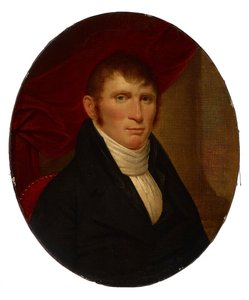
David Cox
1783 - 1859 , Ühendkuningriik
Lühikest infot
- Kunstiliikumine: Inglise maastikumaal
- Rahvus: Briti
- Surmapäev: 1859
- Sündimiskoht: Birmingham, Ühendkuningriik
- Sünnipäev: 29. aprill 1783
- Tuntud Teosed:
- The Wind on the Heath
- Cottage in Herefordshire
- Täisnimi: David Cox
Sarnased artiklid

Ephemeral Visions: Exploring the Artistic Legacy & Nuances of Watercolor Painting
Explore the captivating world of watercolor painting! Discover its rich history, essential techniques, influential artists & collecting tips from art experts. A comprehensive guide for enthusiasts.

Watercolor Wonders: 10 Masterpieces That Redefined Art History | OriginalUniqueArt
Journey through 10 legendary watercolor masterpieces by Sargent, Turner & Homer! Explore iconic landscapes, portraits & floral art that redefined history. Find museum-quality reproductions and curated decor ideas at OriginalUniqueArt.com.

Ephemeral Visions: Exploring the Artistic Legacy & Contemporary Practice of Watercolor Painting
Explore the captivating world of watercolor painting! Discover its rich history, essential techniques, influential artists & collecting tips. A comprehensive guide for art enthusiasts from OriginalUniqueArt.

Ephemeral Visions: Exploring the History & Emotional Resonance of Watercolor Painting
Explore the captivating history of watercolor painting, from ancient techniques to modern masters like Kandinsky & Blake. Discover essential artists, collecting tips & the emotional power of this luminous medium. Expert insights for art enthusiasts.

David Cox the Elder: Landscape, Light & the Romantic Vision of Rural England
Explore the captivating landscapes of David Cox the Elder, a pivotal figure in British Romanticism. Discover his masterful watercolour techniques, enduring legacy & find timeless art for your home at OriginalUniqueArt.