

 Vaata sisu
 Jaga teost
 Jaga
Jaga
 Detailid
 Õppekate juhend

 Laadi alla
 Sarnased teosed
 Röntgenuuring
 Slaidietendus
 Statistika
Study for Ghetto Theatre I


 Loe lähemalt
Sellel lehel kuvatav kunstiteos on kaitstud autoriõigusega, mis tähendab, et meil ei ole seaduslikku õigust luua või müüa identset reproduktsiooni. Seda kaitset rakendatakse rahvusvaheliste kokkulepete alusel, nagu näiteks Berne konventsioon ning riiklike seadustega, sealhulgas nendega, mida on sätestatud USA autoriõiguse seadus – 17. peatükk.
Austasena ja seaduslikuna alternatiivina pakume originaalist inspireeritud, käsitsi maalitud isikupärastatud teoseid. Meie osutavad ja professionalsed kunstnikud uurivad hoolikalt originaali stiili, meelemoi ja kunstilist olemust, et luua uus, ainulaadne teos, mis tekitab sama tunnet – olles samal ajal omaette originaalne looming.
See meetod järgib täielikult autoriõiguse reegleid, kuna see ei põhine kaitstud kunstiteose kopeerimisel või dupliteerimisel. Selle asemel on tegu loova reinterpreetatsiooniga – uue maaldisega, mis on algteosest inspireeritud, kuid ei ole sellest identiline.
Käsitsi valmistatud õlimaalireproduktsioon
Meie kunstnike poolt tellimusel valmistatud käsitsi maalitud õli-kainaste teos teie soovitud suuruses ja raamis. ( Lülita trükkitoodetele Ülemineku digitaalse pildi müügi kanalisse)




P118B €10

P118H €10

P118W €10

P438Z €10

P508JH €12

P508YH €12

P805H €10

P805Z €10

P919BZ €10

P919G €10

P919XJ €10

P959ZH €10

P968JZ €12

W106C €8

W218G €10

W218JH €8

W218Y €10

W307PJ €10

W316G €10

W316PJ €8

W316Y €10

W398PJ €8

W4111J €10

W500HY €15

W500JH €15

W692G €12

W849H €8

W940BG €15

W953PJ €8




Vali meie eelmääratud suurused, mis vastavad teose algupärastele proportsioonidele.

Sisestage vajalik laius ja kõrgus, et teos sobiks teie raamile või seinale. Kuna tegu on käsipainatud teosega, siis erineva kujuga suuruse korral võib kunstnik jätta pildi ümber veidi rohkem marginaali või lõigata osa ära — valik on teie. Enne maali alustamist saadame teile kinnitamiseks digitaalse näidisprojektsiooni. Sellel lehel näidatud pilt ei kajasta tegelikku tulemust — seda näitab ainult näidisprojekttsioon.
Pärast tellimust saadab OriginalUniqueArt.com meeskond kliendile e-posti juhised ning esitab eelvaate kavandi
Maailmline tarne 3–4 nädala jooksul tavalise 5 nädala asemel. (24 oktoober). Kvaliteedis kompromisse ei tehta.

Tasuta ekspresssaatmine üle maailma

Kõrgekvaliteediline lina-kangastest muld

Täielik transpordikindlustus

Tollimaksude tagastamise garantii

Värvitoime täpsuse garantii

100 päeva tagastusõigus (ainult defektide korral)

100% raha tagasi garantii

Hulgusoodustus
 Klaasivalik on saadaval ainult kuni 110 cm suuruses teostes

Study for Ghetto Theatre I
Reproduktsiooni materjal
Reproduktsiooni mõõtmed
-


Lõppsumma
€ 264
A Fragmented Vision: David Bomberg's "Study for Ghetto Theatre I"
David Bomberg’s “Study for Ghetto Theatre I,” created in 1921, isn't merely a sketch; it is an intensely felt exploration of urban space and the human condition. This work, born from a period of profound personal and artistic transformation for Bomberg, offers a glimpse into his evolving style and his engagement with the social realities of post-war London. The piece exists as a study related to his larger series on the "Ghetto Theatre," specifically referencing the Pavilion Theatre in Whitechapel – a vibrant, albeit often overlooked, hub of working-class entertainment.
The Language of Line and Shadow
What immediately strikes the viewer is the artwork’s stark simplicity. Bomberg eschews color almost entirely, relying instead on a monochromatic palette of greys, blacks, and whites to convey depth and emotion. This deliberate limitation amplifies the power of line – the dominant element in this composition. Bold, thick lines crisscross the canvas, not defining forms with precision but rather suggesting them through overlapping planes and angular shapes. These aren't neat, predictable lines; they are jagged, broken, almost frantic, conveying a sense of urgency and instability. The technique employed suggests rapid execution, likely charcoal or ink on paper, capturing a fleeting impression rather than meticulous detail. This gestural quality imbues the work with an immediacy, as if we’re witnessing the raw process of Bomberg's creative thought unfolding before our eyes. The varying density of these lines creates implied lighting and shadow, adding another layer of complexity to the fragmented space.
Echoes of Modernism and Social Commentary
“Study for Ghetto Theatre I” firmly resides within the currents of early 20th-century modern art. Influenced by Cubism and Futurism – movements that sought to break from traditional representational forms – Bomberg’s work shares their interest in geometric abstraction and dynamic composition. However, he transcends mere stylistic imitation. While echoes of Cézanne's exploration of form and Sickert's focus on urban life are evident, Bomberg infuses his work with a uniquely personal expression. The fragmented nature of the composition, the distorted perspective, and the overall sense of unease speak to a deeper social commentary. The "Ghetto Theatre" itself was a symbol of working-class culture, a place of escape and entertainment amidst poverty and hardship. Bomberg’s study doesn't depict a picturesque scene; it captures the raw energy, the confined space, and perhaps even the underlying tension inherent in such an environment.
A Legacy of Expression
Bomberg’s artistic journey was marked by periods of both recognition and obscurity. After experiencing the trauma of World War I, he moved away from abstraction towards a more figurative style, but this early work demonstrates his remarkable ability to convey complex emotions through seemingly simple means. “Study for Ghetto Theatre I” stands as a testament to Bomberg’s pioneering spirit – a bold exploration of form and expression that anticipates later developments in British art. The piece invites viewers not just to observe a scene, but to feel the weight of its atmosphere, to sense the pulse of urban life, and to contemplate the complexities of human experience within a rapidly changing world. It is a powerful reminder of Bomberg’s enduring legacy as one of Britain's most innovative and influential artists.
Küsimused ja vastused
Kuhu David Bomberg loomingulise perioodi kuulub teos "Study for Ghetto Theatre I"?
David Bomberg loomingus kuulub teos "Study for Ghetto Theatre I" perioodi Early Modernist Period. See etap aitab seda võrdida kunstniku teiste töödega.
Kui harmoniliselt on teoses „Study for Ghetto Theatre I“, autor David Bomberg värvid ühendatud?
Teose „Study for Ghetto Theatre I“, autor David Bomberg värvid kujutavad Unified Palette harmooniat. Harmoonia kirjeldab, kuidas värvid omavahel seotud on.
Kust saan osta teose „Study for Ghetto Theatre I“, autor David Bomberg käsitsi maalatud reproduktsiooni?
Teos "Study for Ghetto Theatre I" on saadaval kujundis käsitsi maalatud õlireproduktsioon linaelapale. Tellimust saab esitada selle Käsitsi maalatud reproduktsioon lehel, kus on võimalik valida erinevad suurused.
Kunstniku elulugu
Varajane elu ja kunstiline haridus
- Sündinud: Birmingham, Ühendusriik (5. detsember 1890)
- Surnud: London, Ühendusriik (19. august 1957) <ล
- Üks „Whitechapeli poistest” – 20. sajandi alguses ilmunud kunstnike rühm Londoni East Endis.
Polskijuudi sissermaagramid Abraham ja Rebecca Bomberg andisid talle elu Birminghamis, kus ta õppis esmalt City and Guilds Technical Art Schoolis, enne kui sai Birminghamis litograafideks koolitatud.
Westminster School of Artis (1908–1910) õppides tegutses ta Walter Sickerti õpilasena, olles sügavalt mõjutatud artisti tähelepanust vormile ja linnaelule. 1910. aasta Roger Fry'i näitus „Manet and the Post-Impressionists” avas talle uusi silmasid Paul Cézanne'i maailma. Hiljem õppis ta Slade School of Artis (1911), kus võitis Tonks'i auhinna oma joonistuse eest, mis kujutas tema kaasasõpra Isaac Rosenbergit.
Avantgardne ajastu: Kubism, futurism ja skandaalid
- Slade koolis kuulus Bomberg märkimisteküpse generatsiooni hulka koos Mark Gertler, Stanley Spencer, C.R.W. Nevinson ja Dora Carringtoniga.
- Tema stiili mõjutasid 1912. aasta Londoni näitusid, kus esinesid Itaalia futuristid ning Fry'i teine postimpressionistlik näitus (sisaldades Picasso, Matisse, fauvistid ja Wyndham Lewis).
- Ta arendas välja eripärase stiili, mis ühendas kubismi ja futurismi – sellele on iseloomulikud geomeetrilised kompositsioonid, piiratud väripalett, nurgilised figuurid ja võrgumaised struktuurid.
- Tema radikaalne lähenemine viis 1913. aastal Slade School of Artist väljaulat, kuna tema meetodid peeti institutsiooni traditsioonilistele meetoditele liiga julgeks.
- Ta oli lühikeseks seotud Bloomsbury grupi Omega Workshopsiga ja eksponeeris koos Camden Town Groupiga. Kuigi ta näitas sarnasusest Wyndham Lewis'i vortitsistlikuga liikumisega, valis ta iseseisvuse ja keeldus täielikust kuuluvusest sellesse ringi.
Sõjast maastikku: Stiili muutumine
Esimese maailmasõja ajal saadud kogemused privaatsoldina mõjutasid sügavalt tema kunstilist visiooni, viies ta abstraktsia kaugele eemale.
1920ndatel võttis Bomberg omaks figuratiivsemat stiili, keskendudes portreetele ja otse loodusest saadud maastikudele. Ta arendas välja üha ekspressionistlikuma tehnika, mida iseloomustavad tekstuuriline impasto ja emotsionaalne intensiivsus.
Laiad reisid Läpi Lõuna-Aasia (eriti Palestiina) ja Euroopa läbi mõjutasid märgatavalt tema hilisemat tööd; eriti silmapaistvad on tema kujutused Jeruzalemist.
Hilisemad aastad ja pärand
- Aastatel 1945 kuni 1953 õpetas ta Borough Polytechnicis (nüüd London South Bank University), mõjutades terve põlvkonnad kunstnikke, sealhulgas Frank Auerbachit, Leon Kossoffit, Philip Holmesit, Cliff Holdenit, Edna Manni, Dorothy Meadi, Gustav Metzgerit, Dennis Creffieldit, Cecil Baileyt ja Miles Richmondit.
- Ta abiõpilane ja abikaasa oli maastikupeeter Lilian Holt.
- Hoolimata tema elu jooksul esinenud suhte relatiivsest anonüümsusest, on Bombergi tööd viimastel kümnetel saanud üha suuremat tunnustust kui oluline panus Briti modernismile.
- London South Bank Ülikoolis on tema auuseks nimetatud David Bombergi maja.
- Tema pärand peitub Euroopa avantgardistlike liikumistega unikaalses sündimises ning hilisemas võimsas, ekspressiivses maastikustiilis, mis suutsid tabada kohuse olemust ja inimlikku kogemust.

David Bomberg
1890 - 1957 , Ühendne Kuningriik
Lühikest infot
- Artistic Movement Or Style:
- Kubism
- Futurism
- Expressionism
- Artists Or Movements Influenced By This Artist:
- Frank Auerbach
- Leon Kossoff
- Artists Who Influenced This Artist:
- Paul Cézanne
- Walter Sickert
- Wyndham Lewis
- Date Of Birth: 5. detsembri 1890
- Date Of Death: 19. august 1957
- Full Name: David Garshen Bomberg
- Nationality: Briti
- Notable Artworks:
- Autoportree (1937)
- Kitty, kunstniku õde (1929)
- Õppe töö maali jaoks
- Jerusalem
- Place Of Birth: Birmingham, Ühendatud Kuningriik
Sarnased artiklid
Ernst Ludwig Kirchner: Expressionism's Urban Anxiety & the Fragmentation of Modern Identity
Explore the powerful world of Ernst Ludwig Kirchner and German Expressionism. Discover his iconic paintings, Die Brücke group, and the movement's exploration of urban anxiety & modern identity. Expert analysis for collectors & enthusiasts.
Basquiat and Raw Pop: The High-Energy Rebellion of Neo-Expressionism and the Legacy of Urban Street Art
Explore the raw energy of Jean-Michel Basquiat and the Neo-Expressionist movement. Discover how urban rebellion and SAMO© transformed 1980s New York art history through deep academic insight and visual analysis.
Concrete Narratives: Exploring Urban Life in Modern & Contemporary Art
Explore the evolution of cityscape painting with OriginalUniqueArt. Discover key artists from Realism to contemporary movements & invest in timeless urban visions. Expert guidance, museum-quality reproductions.
David Bomberg: Reassessing the Pioneering Spirit of Early British Abstraction
Explore the groundbreaking work of David Bomberg, a pivotal figure in British abstraction. Discover his artistic evolution, influences, and lasting legacy through insightful analysis & expert commentary.
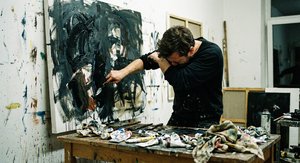
The Raw Emotion of Expressionism: A Deep Dive into its History, Characteristics & Enduring Influence
Explore the raw emotion of Expressionism with OriginalUniqueArt. Discover its history, key artists like Kirchner & Munch, and lasting influence on modern art. Expert insights for collectors & enthusiasts.

