
 Eelvaade
 Saada
Saada Jaga
Jaga
 Teave teose kohta
 Juhend

 Laadi alla
 Sarnased teosed
 Röntgenuuring
 Slaidietendus
 KÜSIMUSED JA VASTUSID
 Statistika
Paolo and Francesca


 Loe lähemalt
Giclée / Kunstiprint
Muuseumikvaliteediga giclée- või kangasprint kiire tootmisega ja paindlikud viimistlusvõimalused. ( Osta käsitsi maalatud teos Lülita digitaalse pildi juurde)




P118B €10

P118H €10

P118W €10

P438Z €10

P508JH €12

P508YH €12

P805H €10

P805Z €10

P919BZ €10

P919G €10

P919XJ €10

P959ZH €10

P968JZ €12

W106C €8

W218G €10

W218JH €8

W218Y €10

W307PJ €10

W316G €10

W316PJ €8

W316Y €10

W398PJ €8

W4111J €10

W500HY €15

W500JH €15

W692G €12

W849H €8

W940BG €15

W953PJ €8




Vali meie eelmääratud suurused, mis vastavad teose algupärastele proportsioonidele.

Sisestage vajalik laius ja kõrgus, et see sobiks teie raamile või seinale. Trükki saab ainult lõigata, seda ei saa kunagi pildist suuremaks teha, seega ka erineva mustega suurus kaotab osa pildist. Enne trükkimist saadame teile kinnitamiseks digitaalse näidisprojektsiooni. Sellel lehel näidatud pilt ei kujuta reaalset lõiget — seda näitab ainult näidisprojektsioon.
Ülemaailmne tarne () 2 nädala jooksul, tavalise 4/5 nädala asemel. (5 november)

Tasuta ekspresssaatmine üle maailma

Kõrgekvaliteediline lina-kangas

Täielik transpordikindlustus

Tollimaksude tagastamise garantii

Värvitoime täpsuse garantii

100 päeva tagastusõigus (ainult valmistusdefektide korral)

100% raha tagasi garantii

Hulgusoodustus
 Klaasivalik on saadaval ainult kuni 110 cm suuruses teostes

Paolo and Francesca
Giclée / Kunstiprint
Reproduktsiooni suurus
-


Koguhind
€ 72
A Tragic Embrace: Unveiling Rossetti’s “Paolo and Francesca”
Dante Gabriel Rossetti's 1855 watercolor, *Paolo and Francesca*, is not merely a depiction of a forbidden kiss; it’s a haunting visual poem born from the depths of Dante Alighieri’s *Inferno*. The painting captures a pivotal moment from Canto V – the tragic tale of Paolo Malatesta and Francesca da Rimini, condemned to eternal torment for their adulterous love. Rossetti, deeply captivated by medieval Italian art and literature, doesn't present a scene of scandalous transgression but rather one of profound sorrow and inescapable fate. The composition centers on the lovers, locked in an embrace that feels both tender and doomed. The figures are rendered with meticulous detail, particularly Francesca’s flowing red hair – a hallmark of Rossetti’s aesthetic and often associated with his muse, Elizabeth Siddal. Behind them stand shadowy figures representing Dante and Virgil, witnesses to this eternal suffering, subtly reminding the viewer of the narrative's source and the weight of divine judgment. The overall effect is one of claustrophobia and emotional intensity, drawing the observer into the heart of their despair.The Pre-Raphaelite Vision & Technical Mastery
Rossetti was a founding member of the Pre-Raphaelite Brotherhood, a group that rebelled against the academic art of their time, seeking to return to the perceived purity and detail of Italian Renaissance painting *before* Raphael. This influence is strikingly evident in *Paolo and Francesca*. The vibrant colors, though subdued in this watercolor, are applied with painstaking precision, and the attention to texture – from the fabrics of the garments to the delicate features of the faces – is remarkable. Unlike many artists who favored preparatory sketches, Rossetti often worked directly onto the surface, building up layers of color and detail with a meticulous hand. This approach lends the work an immediacy and intimacy that resonates deeply with the viewer. The choice of watercolor itself was significant; it allowed for a luminosity and transparency that perfectly suited the ethereal quality he sought to convey – a sense of being caught between worlds, life and death, earthly passion and eternal damnation.Symbolism Woven into the Narrative
Beyond the central narrative, Rossetti imbues *Paolo and Francesca* with layers of symbolism drawn from Dante’s poem and medieval iconography. The very act of reading – suggested by the presence of a book in Paolo's hand – is crucial; it was while reading a tale of Lancelot and Guinevere that their illicit desire ignited. The surrounding darkness hints at the infernal realm, while the figures themselves are not merely portraits but embodiments of sin and suffering. Rossetti’s use of color also carries symbolic weight: the rich reds evoke passion and transgression, while the muted tones suggest sorrow and regret. The triptych format itself—a common structure in medieval altarpieces—elevates the scene to a religious level, framing their tragic love as a kind of perverse devotion. It’s a masterful blend of literary allusion, artistic technique, and symbolic language that invites repeated viewing and contemplation.An Echo of Eternal Longing
*Paolo and Francesca* is more than just a historical painting; it's an exploration of universal themes – love, loss, desire, and the consequences of transgression. Rossetti’s work taps into a deep well of human emotion, reminding us of the power of passion and the enduring pain of forbidden love. The image resonates with a melancholic beauty that continues to captivate audiences today. For those seeking to bring a touch of romantic tragedy and Pre-Raphaelite elegance into their spaces, a reproduction of this masterpiece offers not only aesthetic appeal but also a profound emotional depth—a constant reminder of the enduring power of art to explore the complexities of the human heart.Korduvad küsimused
Kas teose „Paolo and Francesca“, autor Dante Gabriel Rossetti värvid on kütkestatud või pehmed?
Teose „Paolo and Francesca“, autor Dante Gabriel Rossetti värvide kütkuse aste on Muted. Kütkus kirjeldab, kui erksad või pehmed värvid on.
Kas ma saan näha teost „Paolo and Francesca“, autor Dante Gabriel Rossetti erinevates valgustingimustes?
Teose „Paolo and Francesca“, autor Dante Gabriel Rossetti Röntgenuuring leht on interaktiivne vaatur, mis võimaldab liikuda läbi teose üheksateist optilise kihti, sealhulgas röntgenlaadunäoga vaadet.
Mis selgitab teose „Paolo and Francesca“, autor Dante Gabriel Rossetti autoriõiguste olukorda?
„Paolo and Francesca“, autor Dante Gabriel Rossetti on avalikus õiguses – selle autoriõigud onหมดunud. Tegijakeskuse kaitse kestus arvatakse kunstniku surmaajaest, mis toimus aastal 1882.
Kunstniku elulugu
A Life Immersed in Beauty: The World of Dante Gabriel Rossetti
Dante Gabriel Rossetti, born Gabriel Charles Dante Rossetti in 1828 London, was a figure profoundly shaped by the currents of his time—a Romantic spirit blossoming into the Victorian era. His lineage itself hinted at the artistic destiny that awaited him; his father, an Italian political refugee and scholar of Dante Alighieri, instilled within young Gabriel a deep reverence for literature and the arts. This early exposure, coupled with a mother who nurtured his intellectual curiosity, laid the foundation for a life dedicated to creative expression. Though initially considering a clerical career, Rossetti’s true calling lay in the realm of aesthetics—a path he would forge as a poet, illustrator, and, most notably, a painter whose works continue to captivate audiences today. His formative years were steeped in the literary giants of his age – Shakespeare, Dickens, Scott, Byron – all contributing to a rich imaginative landscape that would later define his artistic vision.Early Life and Artistic Beginnings
Gabriel Charles Dante Rossetti’s childhood was marked by intellectual stimulation and familial connections to the arts. His father, Gabriele Pasquale Giuseppe Rossetti, fled Italy after witnessing political upheaval—a refugee driven by convictions rooted in Dante Alighieri's humanist ideals. This heritage instilled within Gabriel a lifelong fascination with Italian literature and culture. Simultaneously, his mother, Frances Mary Lavinia Polidori, possessed a keen interest in the sciences and fostered Gabriel’s inquisitive spirit. He received a comprehensive education at King’s College School, where he honed his skills in German and immersed himself in classical texts—a formative experience that would shape his artistic sensibilities. Recognizing his innate talent for drawing from an early age, Rossetti pursued formal training at Sass's Drawing School, mastering techniques vital to the Pre-Raphaelite movement. This dedication to observation and meticulous craftsmanship became a hallmark of his artistic practice throughout his career.The Pre-Raphaelite Rebellion: A Return to Ideal Beauty
Dante Gabriel Rossetti’s artistic trajectory took an irreversible turn with the founding of the Pre-Raphaelite Brotherhood in 1848 alongside William Holman Hunt and John Everett Millais. Dissatisfied with the prevailing academic style—characterized by idealized forms and artificial colors—the Brotherhood sought inspiration from Italian and Flemish art *before* the High Renaissance, rejecting the conventions of the Royal Academy. This rebellious impulse stemmed from a shared conviction that true beauty resided in faithful representation of nature and spiritual truth. Rossetti’s early works exemplify this ethos, showcasing an astonishing level of detail alongside symbolic imagery drawn from religious texts—a testament to his unwavering commitment to artistic integrity. *The Girlhood of Mary Virgin*, arguably his most celebrated masterpiece, embodies the Brotherhood's aesthetic principles perfectly: luminous colors, precise draughtsmanship, and evocative symbolism convey a profound sense of serenity and contemplation. The painting’s meticulous depiction of Mary’s youthful innocence reflects Rossetti’s belief in the transformative power of beauty—a conviction that underpinned his entire artistic worldview.Poetry and Symbolism: Integrating Art and Literature
Beyond his visual art, Dante Gabriel Rossetti cultivated a prolific poetic career—producing volumes of verse infused with Romantic sensibilities and exploring themes of love, loss, and spiritual longing. His poems often served as companions to his paintings, creating a unified artistic experience that engaged both the eye and the mind—a characteristic feature of Pre-Raphaelite art. Rossetti’s stylistic evolution mirrored broader trends in Victorian culture—embracing psychological depth and delving into the complexities of human emotion. Influenced by poets like Keats and Blake, he experimented with unconventional forms and imagery, pushing boundaries of artistic expression. His masterful use of language—characterized by lyrical beauty and evocative symbolism—established him as one of the foremost lyric poets of his era. Poems such as *Goblin Market* and *The Blessed Damozel* exemplify Rossetti’s poetic genius—capturing moments of sublime wonder and conveying profound spiritual insights.Legacy and Influence: Shaping Aesthetic Vision
Dante Gabriel Rossetti's artistic legacy extends far beyond his own lifetime, profoundly impacting subsequent generations of artists and writers. He championed the Pre-Raphaelite movement’s pursuit of beauty and truth—challenging Victorian societal norms and advocating for a more imaginative approach to artmaking. His unwavering devotion to symbolism and emotional intensity paved the way for movements like Symbolism and Aestheticism—influences that resonate powerfully in contemporary artistic practice. Artists such as William Morris and Edward Burne-Jones drew inspiration from Rossetti’s aesthetic principles, incorporating them into their distinctive styles—a testament to his enduring influence on British art history. Dante Gabriel Rossetti remains an important figure in understanding not only the history of art but also the broader cultural context in which it was created—a period marked by intellectual ferment and a yearning for spiritual renewal. His unwavering belief in beauty’s transformative power continues to inspire artists and audiences alike, securing his place as one of the most significant voices in Victorian artistic culture.
Dante Gabriel Rossetti
1828 - 1882 , Ühenduvaimiriik
Lühikest infot
- Artistic Movement Or Style: Pre-Raphaelite
- Artists Who Influenced This Artist:
- John Keats
- William Blake
- Date Of Birth: May 12, 1828
- Date Of Death: April 9, 1882
- Full Name: Dante Gabriel Rossetti
- Nationality: British
- Notable Artworks:
- Proserpine
- Joan of Arc
- King Rene's Honeymoon
- Place Of Birth: London, UK
Sarnased artiklid
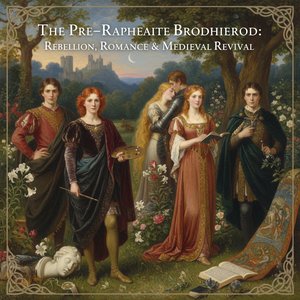
The Pre-Raphaelite Brotherhood: Rebellion, Romance & Medieval Revival
Explore the captivating world of the Pre-Raphaelite Brotherhood! Discover their rebellious spirit, iconic masterpieces & lasting influence on art history. Learn about Rossetti, Millais & more.

Pre-Raphaelite Romanticism: The Revival of Medieval Beauty and Nature in Victorian Art
Explore the profound beauty of Pre-Raphaelite Romanticism. Discover how visionaries like Rossetti and Millais revived medievalism and nature through meticulous detail and vibrant color in Victorian art history.

Pre-Raphaelite Romanticism: A Guide to Vivid Detail and Medieval Beauty in Victorian Art
Explore the vivid detail and medieval beauty of Pre-Raphaelite Romanticism. Discover the history of masters like Rossetti and Millais through our expert guide to Victorian art, perfect for collectors and professionals seeking authentic, museum-quality reproductions.

Dante Gabriel Rossetti 25 parimat teost: kunstiline pärand ja kodukaunistuse inspiratsioon
Avastage Dante Gabriel Rossetti 25 parimat teost! Sukeldume viktoriaanliku romantika ja Pre-Raphaelite kunstiliikumise maailma. Leidke inspiratsiooni kodukaunistuseks ning ostke kvaliteetseid Rossetti reproduktsioone OriginalUniqueArt.com-is. Avastage kogu kollektsioon online!
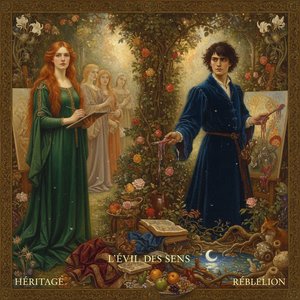
The Pre-Raphaelite Brotherhood: Reclaiming Beauty, Nature, and Truth in Victorian Art History
Explore the revolutionary Pre-Raphaelite Brotherhood. Discover how these visionary artists rejected academic tradition to reclaim beauty, nature, and truth through luminous detail and literary depth in Victorian art history.


