

 Vaata sisu
 Jaga teost
 Jaga
Jaga
 Detailid
 Õppekate juhend

 Laadi alla
 Sarnased teosed
 Röntgenuuring
 Slaidietendus
 Statistika
Dantis Amor


 Loe lähemalt
Giclée / Kunstiprint
Muuseumikvaliteediga giclée- või kangasprint kiire tootmisega ja paindlikud viimistlusvõimalused. ( Telli käsitsi maalitud reproduktsioon Ülemineku digitaalse pildi müügi kanalisse)




P118B €10

P118H €10

P118W €10

P438Z €10

P508JH €12

P508YH €12

P805H €10

P805Z €10

P919BZ €10

P919G €10

P919XJ €10

P959ZH €10

P968JZ €12

W106C €8

W218G €10

W218JH €8

W218Y €10

W307PJ €10

W316G €10

W316PJ €8

W316Y €10

W398PJ €8

W4111J €10

W500HY €15

W500JH €15

W692G €12

W849H €8

W940BG €15

W953PJ €8




Vali meie eelmääratud suurused, mis vastavad teose algupärastele proportsioonidele.

Sisestage vajalik laius ja kõrgus, et see sobiks teie raamile või seinale. Trükki saab ainult lõigata, seda ei saa kunagi pildist suuremaks teha, seega ka differentse vormiga suurus kaotab osa pildist. Enne trükkimist saadame teile kinnitamiseks digitaalse näidisprojektsiooni. Sellel lehel näidatud pilt ei kujuta reaalset lõiget — seda näitab ainult näidisprojekttsioon.
Ülemaailmne tarne () 2 nädala jooksul, tavalise 4/5 nädala asemel. (24 oktoober)

Tasuta ekspresssaatmine üle maailma

Kõrgekvaliteediline lina-kangastest muld

Täielik transpordikindlustus

Tollimaksude tagastamise garantii

Värvitoime täpsuse garantii

100 päeva tagastusõigus (ainult defektide korral)

100% raha tagasi garantii

Hulgusoodustus
 Klaasivalik on saadaval ainult kuni 110 cm suuruses teostes

Dantis Amor
Giclée / Kunstiprint
Reproduktsiooni mõõtmed
-


Lõppsumma
€ 70
Dantis Amor: Pre-Raphaeliteite nägemus ilmsest armastusest
Dante Gabriel Rossetti 1860. aastal maalis teos “Dantis Amor” on võrratu õlipanel, mis kuulub praegu Londoni Tate Gallery kollektsiooni. See teos on Pre-Raphaelite braterkonde põhimõtete suurepärane näide, ühendades keskaagedse esteetika romantilise tundlikkusega, et luua unenäoline ja vaimselt resoneeriv stseen.
Kompositsioon ja visuaalsed elemendid
Maal kujistab tiibade?')ga naistekuju, mida tõlgendatakse sageli ingli või jumalanna rollis, kes kehastab ilmsest armastus. Ta hoiab kätes valget eset – võib olla plata või kauss –, mis lisab pühenduse ja puhtuse tunnet. Taustal avaneb taeveline vaade, kus sinine taevas on kaunistatud tähtede ja kahanenud kuuga, tugevdades eteerilist atmosfääri. Kummalgi küljel on kaks täiendavat inimfiguuri, mis aitavad süvendada teose narratiivset keerukust. Rossetti meisterlik värvikasutus, eriti keskfiguri kuldne kleit, rõhutab tema jumalikku olemust. Tema voolavad juuksed ja üles suunatud pilk vihjavad püüdlusele pühaduse ja taevase ühenduse poole. Üldine kompositsioon on hoolikalt tasakaalustatud, juhtides vaataja silma keskfiguri juurde, säilitades samal ajal sügavustunde ja perspektiivi.
Kunstiline stiil ja tehnika
Rossetti kunstiline stiil teoses “Dantis Amor” peegeldab tema Pre-Raphaelite suundumist – liikumist, mis püüdis taaselda 15. sajandi Itaalia kunsti detailidust, intensiivseid värve ja keerulisi kompositsioone. Maal demonstreerib Rossetti hoolikat tähelepanu detailidele, mis on nähtav kangaste, juuste ja taevaslikud elemendid keerulises jäljenduses. Eloக்கentud värvide kasutamine ja veidi lamedam perspektiiv loob maailmast lahkunud tunnet. Kasutatud tehnika on õlipanel, mis võimaldab saavutada rikkalikku värvitooni ja pehmeid toonih Übergänge. Värvikihid ja hoolikas segamine aitavad kaasa teose üldisele siledusele ja luminatsioonile.
Sümbolika ja interpretatsioon
“Dantis Amor” ammutab suurepäraselt inspiratsiooni Dante Alighieri teosest “La Vita Nuova”, mis on poolautobiograafiline teos, uurides Dante idealiseeritud armastuslikku suhet Beatrice'iga. Pealkiri ise, mis tähendab "Dante armastus", viitab otseselt sellele kirjanduslikule allikale. Tiibadega naistekuju tõlgendatakse laialdaselt kui Beatrice'ist inspireeritud ilmse armastuse kehastust. Valge anum, mida ta hoiab, võib sümboliseerida puhtust, õilsust või vaimse toidustamise pakkumist. Tähevane taevas ja kahanenud kuu tekitavad pühaduse ja ülevuse tunnet. Rossetti eesmärk oli tabada mitte ainult Dante maalist armastust, vaid ka selle seost kõrgemate vaimsete ideaalidega – peegeldades tema enda fascinaati midagi keskaagedse Itaalia kunsti ja kirjandusega.
Ajalooline kontekst ja pärand
Victorian era ajal loodud “Dantis Amor” peegeldab laiemat kultuurilist huvi müütoloogia, religiooni ja romantilismu vastu. Pre-Raphaelite braterkon kihutas vastu oma ajastu valitsevaid kunstiline konventsioone, nõudes suuremat realismist, detailset täpsust ja emotsionaalset sügavust. Rossetti looming, sealhulgas "Dantis Amor", mängis olulist rolli Viktoriaanliku Inglismaa esteetilise maastiku kujundamisel ning jätkub inspireerimas kunstnikke ja kunstihuvilisi ka täna. Maali püsiv väärtus peitub selle võimes tekitada imetust, vaimsust ja ajatut ilu.
Küsimused ja vastused
Kuidas leida teoseid, mis on sarnased teosele „Dantis Amor“, autor Dante Gabriel Rossetti?
Teosest „Dantis Amor“, autor Dante Gabriel Rossetti leidetavad sarnased teosed lehelt Sarnased teosed.
Kas saan teost "Dantis Amor" lähemalt uurida?
Teose „Dantis Amor“, autor Dante Gabriel Rossetti Röntgenkiirgus leht on interaktiivne vaatur, mis võimaldab liikuda läbi teose üheksateist optilise kihti, sealhulgas röntgenlaadunäoga vaadet.
Millist atmosfääri toob ruumi „Dantis Amor“, autor Dante Gabriel Rossetti reproduktsioon?
Olles meeleoluult Eeterlik, soovitatakse teost "Dantis Amor" ruumiks Elutuba.
Kunstniku elulugu
A Life Immersed in Beauty: The World of Dante Gabriel Rossetti
Dante Gabriel Rossetti, born Gabriel Charles Dante Rossetti in 1828 London, was a figure profoundly shaped by the currents of his time—a Romantic spirit blossoming into the Victorian era. His lineage itself hinted at the artistic destiny that awaited him; his father, an Italian political refugee and scholar of Dante Alighieri, instilled within young Gabriel a deep reverence for literature and the arts. This early exposure, coupled with a mother who nurtured his intellectual curiosity, laid the foundation for a life dedicated to creative expression. Though initially considering a clerical career, Rossetti’s true calling lay in the realm of aesthetics—a path he would forge as a poet, illustrator, and, most notably, a painter whose works continue to captivate audiences today. His formative years were steeped in the literary giants of his age – Shakespeare, Dickens, Scott, Byron – all contributing to a rich imaginative landscape that would later define his artistic vision.Early Life and Artistic Beginnings
Gabriel Charles Dante Rossetti’s childhood was marked by intellectual stimulation and familial connections to the arts. His father, Gabriele Pasquale Giuseppe Rossetti, fled Italy after witnessing political upheaval—a refugee driven by convictions rooted in Dante Alighieri's humanist ideals. This heritage instilled within Gabriel a lifelong fascination with Italian literature and culture. Simultaneously, his mother, Frances Mary Lavinia Polidori, possessed a keen interest in the sciences and fostered Gabriel’s inquisitive spirit. He received a comprehensive education at King’s College School, where he honed his skills in German and immersed himself in classical texts—a formative experience that would shape his artistic sensibilities. Recognizing his innate talent for drawing from an early age, Rossetti pursued formal training at Sass's Drawing School, mastering techniques vital to the Pre-Raphaelite movement. This dedication to observation and meticulous craftsmanship became a hallmark of his artistic practice throughout his career.The Pre-Raphaelite Rebellion: A Return to Ideal Beauty
Dante Gabriel Rossetti’s artistic trajectory took an irreversible turn with the founding of the Pre-Raphaelite Brotherhood in 1848 alongside William Holman Hunt and John Everett Millais. Dissatisfied with the prevailing academic style—characterized by idealized forms and artificial colors—the Brotherhood sought inspiration from Italian and Flemish art *before* the High Renaissance, rejecting the conventions of the Royal Academy. This rebellious impulse stemmed from a shared conviction that true beauty resided in faithful representation of nature and spiritual truth. Rossetti’s early works exemplify this ethos, showcasing an astonishing level of detail alongside symbolic imagery drawn from religious texts—a testament to his unwavering commitment to artistic integrity. *The Girlhood of Mary Virgin*, arguably his most celebrated masterpiece, embodies the Brotherhood's aesthetic principles perfectly: luminous colors, precise draughtsmanship, and evocative symbolism convey a profound sense of serenity and contemplation. The painting’s meticulous depiction of Mary’s youthful innocence reflects Rossetti’s belief in the transformative power of beauty—a conviction that underpinned his entire artistic worldview.Poetry and Symbolism: Integrating Art and Literature
Beyond his visual art, Dante Gabriel Rossetti cultivated a prolific poetic career—producing volumes of verse infused with Romantic sensibilities and exploring themes of love, loss, and spiritual longing. His poems often served as companions to his paintings, creating a unified artistic experience that engaged both the eye and the mind—a characteristic feature of Pre-Raphaelite art. Rossetti’s stylistic evolution mirrored broader trends in Victorian culture—embracing psychological depth and delving into the complexities of human emotion. Influenced by poets like Keats and Blake, he experimented with unconventional forms and imagery, pushing boundaries of artistic expression. His masterful use of language—characterized by lyrical beauty and evocative symbolism—established him as one of the foremost lyric poets of his era. Poems such as *Goblin Market* and *The Blessed Damozel* exemplify Rossetti’s poetic genius—capturing moments of sublime wonder and conveying profound spiritual insights.Legacy and Influence: Shaping Aesthetic Vision
Dante Gabriel Rossetti's artistic legacy extends far beyond his own lifetime, profoundly impacting subsequent generations of artists and writers. He championed the Pre-Raphaelite movement’s pursuit of beauty and truth—challenging Victorian societal norms and advocating for a more imaginative approach to artmaking. His unwavering devotion to symbolism and emotional intensity paved the way for movements like Symbolism and Aestheticism—influences that resonate powerfully in contemporary artistic practice. Artists such as William Morris and Edward Burne-Jones drew inspiration from Rossetti’s aesthetic principles, incorporating them into their distinctive styles—a testament to his enduring influence on British art history. Dante Gabriel Rossetti remains an important figure in understanding not only the history of art but also the broader cultural context in which it was created—a period marked by intellectual ferment and a yearning for spiritual renewal. His unwavering belief in beauty’s transformative power continues to inspire artists and audiences alike, securing his place as one of the most significant voices in Victorian artistic culture.
Dante Gabriel Rossetti
1828 - 1882 , Ühenduvaimiriik
Lühikest infot
- Artistic Movement Or Style: Pre-Raphaelite
- Artists Who Influenced This Artist:
- John Keats
- William Blake
- Date Of Birth: May 12, 1828
- Date Of Death: April 9, 1882
- Full Name: Dante Gabriel Rossetti
- Nationality: British
- Notable Artworks:
- Proserpine
- Joan of Arc
- King Rene's Honeymoon
- Place Of Birth: London, UK
Sarnased artiklid
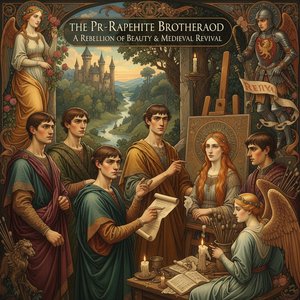
The Pre-Raphaelite Brotherhood: A Rebellion of Beauty & Medieval Revival
Explore the captivating world of the Pre-Raphaelite Brotherhood! Discover their rebellion against academic art, iconic masterpieces, and lasting influence on Victorian aesthetics. Learn about Rossetti, Burne-Jones & more.
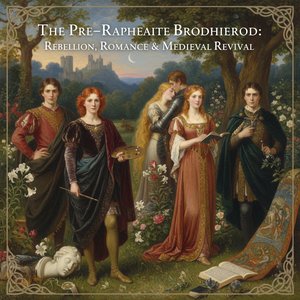
The Pre-Raphaelite Brotherhood: Rebellion, Romance & Medieval Revival
Explore the captivating world of the Pre-Raphaelite Brotherhood! Discover their rebellious spirit, iconic masterpieces & lasting influence on art history. Learn about Rossetti, Millais & more.

The Pre-Raphaelite Brotherhood: Rediscovering Beauty, Romance, and Medieval Magic in Victorian Art
Embark on a journey through the Pre-Raphaelite Brotherhood. Discover the romantic symbolism, medieval magic, and radical beauty of Rossetti and Burne-Jones in this expert exploration of Victorian art history.

Dante Gabriel Rossetti 25 parimat teost: kunstiline pärand ja kodukaunistuse inspiratsioon
Avastage Dante Gabriel Rossetti 25 parimat teost! Sukeldume viktoriaanliku romantika ja Pre-Raphaelite kunstiliikumise maailma. Leidke inspiratsiooni kodukaunistuseks ning ostke kvaliteetseid Rossetti reproduktsioone OriginalUniqueArt.com-is. Avastage kogu kollektsioon online!

Sir John Everett Millais: Pre-Raphaelite Rebellion & Victorian Narrative Detail
Explore the revolutionary art of Sir John Everett Millais & the Pre-Raphaelite Brotherhood. Discover their radical realism, symbolic narratives, and lasting impact on Victorian aesthetics. A deep dive into 19th-century masterpieces.


