
 Eelvaade
 Saada
Saada Jaga
Jaga
 Teave teose kohta
 Juhend

 Laadi alla
 Sarnased teosed
 Röntgenuuring
 Slaidietendus
 KÜSIMUSED JA VASTUSID
 Statistika
Dulce et decorum est no. 1

- 150.0 x 90.0 cm


 Loe lähemalt
Sellel lehel kuvatav kunstiteos on kaitstud autoriõigusega, mis tähendab, et meil ei ole seaduslikku õigust luua või müüa identset reproduktsiooni. Seda kaitset rakendatakse rahvusvaheliste kokkulepete alusel, nagu näiteks Berne konventsioon ning riiklike seadustega, sealhulgas nendega, mida on sätestatud USA autoriõiguse seadus – 17. peatükk.
See meetod järgib täielikult autoriõiguse reegleid, kuna see ei põhine kaitstud kunstiteose kopeerimisel või dupliteerimisel. Selle asemel on tegu loova reinterpreetatsiooniga – uue maaldisega, mis on algteosest inspireeritud, kuid ei ole sellest identiline.
Giclée / Kunstiprint
Muuseumikvaliteediga giclée- või kangasprint kiire tootmisega ja paindlikud viimistlusvõimalused. ( Osta käsitsi maalatud teos Lülita digitaalse pildi juurde)




P118B €10

P118H €10

P118W €10

P438Z €10

P508JH €12

P508YH €12

P805H €10

P805Z €10

P919BZ €10

P919G €10

P919XJ €10

P959ZH €10

P968JZ €12

W106C €8

W218G €10

W218JH €8

W218Y €10

W307PJ €10

W316G €10

W316PJ €8

W316Y €10

W398PJ €8

W4111J €10

W500HY €15

W500JH €15

W692G €12

W849H €8

W940BG €15

W953PJ €8




Vali meie eelmääratud suurused, mis vastavad teose algupärastele proportsioonidele.

Sisestage vajalik laius ja kõrgus, et see sobiks teie raamile või seinale. Trükki saab ainult lõigata, seda ei saa kunagi pildist suuremaks teha, seega ka erineva mustega suurus kaotab osa pildist. Enne trükkimist saadame teile kinnitamiseks digitaalse näidisprojektsiooni. Sellel lehel näidatud pilt ei kujuta reaalset lõiget — seda näitab ainult näidisprojektsioon.
Ülemaailmne tarne () 2 nädala jooksul, tavalise 4/5 nädala asemel. (7 november)

Tasuta ekspresssaatmine üle maailma

Kõrgekvaliteediline lina-kangas

Täielik transpordikindlustus

Tollimaksude tagastamise garantii

Värvitoime täpsuse garantii

100 päeva tagastusõigus (ainult valmistusdefektide korral)

100% raha tagasi garantii

Hulgusoodustus
 Klaasivalik on saadaval ainult kuni 110 cm suuruses teostes

Dulce et decorum est no. 1
Giclée / Kunstiprint
Reproduktsiooni suurus
-


Koguhind
€ 72
A Silent Echo of War: Craig R. Barrett’s “Dulce et Decorum Est No. 1”
Craig R. Barrett's "Dulce et Decorum Est No. 1" isn’t merely a depiction of a scene; it’s an immersion into the chilling aftermath of conflict, rendered with a stark and profoundly moving restraint. Born in San Francisco in 1939, Barrett’s unlikely journey from leading Intel Corporation to creating these evocative monochrome sketches reveals a deeply contemplative spirit, one shaped by both technological precision and a haunting awareness of human suffering. The artwork immediately commands attention through its deliberate simplicity – a limited palette of greys and reds against a textured canvas that suggests the grit and grime of a battlefield. It’s a visual distillation of Wilfred Owen's seminal poem, “Dulce et Decorum Est,” translating the horrors of World War I into a powerfully silent narrative.
The central image is arresting: two silhouetted figures, rendered in deep red, are caught mid-stride, their postures conveying both urgency and exhaustion. They’re not heroic warriors charging into battle; instead, they embody the weary remnants of soldiers, limping through a desolate landscape. The detail—the slumped shoulders, the downward gaze, the suggestion of bloodied boots—is remarkably poignant, avoiding explicit gore while powerfully communicating the physical and emotional toll of war. The background, subtly textured to resemble canvas or paper, hints at the fragility of life and the enduring nature of memory. It’s a deliberate choice, emphasizing that this isn't a celebration of victory but a somber reflection on loss.
The Weight of Latin: Context and Poetic Resonance
The title itself – “Dulce et Decorum Est” – is crucial to understanding the artwork’s intent. This phrase, taken from Horace’s *Odes*, translates to "It is sweet and fitting to die for one's country." Owen famously subverted this sentiment in his poem, exposing its deceptive comfort amidst the brutal realities of trench warfare. Barrett doesn’t shy away from this irony; he presents the phrase not as a rallying cry but as a haunting echo of a lie, a testament to the enduring power of poetry to challenge conventional narratives. The inclusion of the Latin text at the top serves as a constant reminder of the poem's central theme and invites viewers to contemplate the complex relationship between patriotism, sacrifice, and truth.
The choice of “No. 1” adds another layer of complexity. It suggests a series, hinting that Barrett is exploring variations on this core theme – perhaps different moments within the experience of war, or different interpretations of the poem’s message. It also subtly elevates the work beyond a simple depiction, transforming it into a meditation on memory, loss, and the enduring legacy of conflict.
Technique and Emotional Impact
Barrett's technique is characterized by its deliberate restraint and masterful control of monochrome. The limited palette amplifies the emotional impact, forcing the viewer to focus on form, texture, and gesture. The stark contrast between the red figures and the grey background creates a sense of isolation and vulnerability. There’s no dramatic lighting or elaborate detail; instead, Barrett relies on subtle shifts in tone and shading to convey mood and atmosphere. The rough texture of the canvas adds to the feeling of rawness and immediacy, as if the artwork has been directly imprinted with the experience of war.
Ultimately, “Dulce et Decorum Est No. 1” is a profoundly moving work that transcends its subject matter. It’s not simply a depiction of soldiers; it's an exploration of human resilience, grief, and the enduring power of memory. The artwork invites viewers to confront the uncomfortable truths of war and to contemplate the cost of conflict – a reminder that even in silence, the echoes of the past can resonate powerfully in the present.
Specifications & Considerations
- Title: Dulce et Decorum Est No. 1
- Description: A monochrome sketch depicting two silhouetted figures, representing weary soldiers, set against a textured canvas background.
- Size: 150 x 90 cm
- Date: Unknown (likely created in the 21st century)
- Artist: Craig R. Barrett
- Medium: Sketch on Canvas/Paper
This artwork would be particularly well-suited for spaces that demand thoughtful contemplation, such as libraries, museums, or private residences where a connection to history and human experience is valued. Its understated elegance and powerful emotional resonance make it a compelling addition to any collection.
Korduvad küsimused
Kas saan näha teose „Dulce et decorum est no. 1“, autor Craig R. Barrett röntgenpilti?
Teose „Dulce et decorum est no. 1“, autor Craig R. Barrett Röntgenuuring leht on interaktiivne vaatur, mis võimaldab liikuda läbi teose üheksateist optilise kihti, sealhulgas röntgenlaadunäoga vaadet.
Mis on soovitatav trükimõõt teosele "Dulce et decorum est no. 1"?
Teosele „Dulce et decorum est no. 1“, autor Craig R. Barrett on soovitatav printida suuruses Medium. Suurust saab muuta, säilitades samal ajal proportsioonid.
Milline kunstnik ja milline stiil seisavad teose "Dulce et decorum est no. 1" taga?
Teose "Dulce et decorum est no. 1" taga on kunstnik Craig R. Barrett ja Contemporary Realism suundumus.
Kunstniku elulugu
Silicikoniusast kuni kurb esitud: Craig R. Barretti duaalne elu
Craig R. Barretti lugu on märkimist vääri dualism, narratiiv, mis klamrab kokku tehnoloogiamma vältimatut innovatsiooni ja sügavlt inimlikud ning sageli kohutavad reaalsused, mida tema kunst kujutab. Sündinud San Franciscos 1939. aastal, valis Barrett alguses teed, mis oli kindlalt juurdunud teadusesse, omades Stanfordi ülikoolist materiaaliteaduse doktorikraadi. See rangus ja akadeemiline alus, mis rõhutab täpsust ja tähelepanu, annaks hiljem tema kunstilisele tegevusele peenelt, kuid sügavalt vormile.데 Decades, ta aga tuntud kui tööstuse titan, tõusides 199eks aastaks Intel Corporationi tegevjuhtiks, ametist, mida ta hoidis kuni 2005. aastani, ja hiljem teenides juhatuse esimehena kuni 2009. aastani. Tema juhtimisel navigeeris Intel läbi dot-com ajastu turbulentsete lainete ja kinnitas oma domineerivat positsiooni globaalse tehnoloogiajuhtina — pärand, mis on ehitatud strateegilise visiooni ja vankumatule pühendumusele uurimistööle ning arenduselle. Kuid selle võimsate tippjuhtide elu pindala all peitus kasvav kunstiline tundlikkus, otes oma ruumi täielikuks õitsemiseks.Sõja kaja: hääl poes luulekirjas ja monokroomis
Pärast Intelist lahkumist suunas Barrett üha suurema pühendumusega oma kunstipassiooni. Ta ei valinud ergavaid värve ega abstrakteid vorme; selle asemel leidis ta oma hääle monokroomsete sketside karjust emotsionaalsest jõust. Need ei ole pelgalt näidised kohtadest, vaid visceraalne vastus Esimese maailmasõja luulekirjale, eriti Wilfred Oweni teostele. Sügav empaatia sõdadele, kelle kogemusi Owen nii julgelt dokumenteeris, läbib Barretti kunsti. See mõju on otsene ja teadlik; paljud teosed vastavad otse konkreetsetele luuletustele või said neist inspiratsiooni, uurides kaotusest, julgusest ja konfliktide hävitavast inimlikust hinnust. See ei ole lahtunud ajalooline vaatamine, vaid intimitatsioon sõja psühholoogilise raskusega — isolatsiooniga, hirmuga ja püsiva traumaga. Barretti kunstiline teekond ei ole seega lihtsalt piltide loomine; see on luulekirja emotsionaalse tõe tõlkimine visuaalseks keeleks.Varjudesse ja joonde into põletatud stiil
Barretti eristuv stiil on kohe loetav oma teadlikust askeetsuse tõttu. Enamasti monokroomne palett — sageli süsi must, tint ja hall — annab tema kujendustele kurbuse tunnet, peegeldades portreteeritud maastike ja kogemuste kargust. Kuid selle piiratuse sees peitub tohutu ekspressiivne jõud. Tema jooneline töö ei ole pelgalt kirjeldav; see on dünaamiline ja emotiivsel, tabades nii lahinguvälja füüsilist reaalsust — mudast, barbariidtraati ja hävinud konstruktsioone — kui ka psühholoogilist ohut, mida see üksikutele tekitab. Tema tehnikas on teatud ecrus, kohesus, mis edastab kiiruse ja kurbuse tunnet. Ta ei pelga sõja õuduste kujutamist, kuid teeb seda tundlikkusega, vältides sensatsioonilisust, keskendudes selle asemel inimlikule elemendile — vastupidavusele, ohvrile ja vaimu püsivale jõule vastu ette kujutamatut vastupanu. Olulised teosed nagu „Attack no. 1” kehastavad seda lähenemist, pakkudes kaoslikku ja brutaalset sõja kujutamist, samas kui teosed nagu „Banishment” tekitavad sügava isolatsiooni ja eemalolemise tunde. Teos „Hospital barge at Cérisy no. 1”, mis on otseselt inspireeritud Oweni luuletusest, on eriti kurb, tabades vaikset heimatust ja habilet inimelifeid sõjaajal.Pärand: sild maailmade vahel
Craig R. Barretti teekond esindab midagi tõeliselt unikaalset — edukat äriliiderit, kes on leidnud sügva tähenduse ja eesmärgi kunstilisest avaldamisest. Tema töö toimib võimsana meeldetuletusena sõja inimlikule hinnale, pakkudes visuaalset tõlgendust emotsionaalsest maastikust, mida uurisid luuletajad nagu Wilfred Owen. Kuigi tema saavutused Intelis on hästi dokumenteeritud ja laialt tunnustatud, pakuvad tema kunstilised panused tema pärandile uut ja veetlevat dimensiooni. Ta demonstreerib, et loovus ei ole piiratud kindlatele valdkondadele; see võib õitselda ootamatutes kohtades ja sünnipuda mitmetest kogemustest. Barretti kunst ei ole lihtsalt emektsioonil segu hobi, vaid sügavalt tunnetud vastus ajalugule, tõendus empaatia püsivast jõust ja inimliku olukorra kurb ajutlik uuring. Tema monokroomsed sketsid seisavad kui võimas visuaalne kaja Oweni sõnadest, tagades, et Esimese maailmasõja õppetunnid — ja tragediad — jätkavad resonansimist tulevates põlvkondades.Olulised teosed
- „Attack no. 1” – Visceraalne kujendus lahingu kaosist ja brutaalsusest.
- „Banishment” – Tekitab isolatsiooni ja eemalolemise tunde.
- „Red sky” - Jäljendab kummituslikku atmosfääri.
- „The unreturning” – Mõtisklemine kaotuse ja meelest pidamise üle.
- „Hospital barge at Cérisy no. 1” – Kurb stseen, mis kujutab sõjaaja meditsiinist, inspireeritudlt Oweni luuletusest.
- „Everyman no. 1” - Ekspressionistlik joonistus, mis tekitab kurbust ja inimliku olukorra tunnet.

Craig R. Barrett
1939 - , USA
Lühikest infot
- Artistic Movement Or Style: Monokroomsketsid
- Artists Who Influenced This Artist: ['Wilfred Owen']
- Date Of Birth: 1939
- Full Name: Craig R. Barrett
- Nationality: USA
- Notable Artworks:
- Ründamine nr 1
- Pagaranemine
- Punane taevas
- Tagasipöördumatu
- Haigalasnaparg…
- Place Of Birth: San Francisco, USA
Sarnased artiklid

The Visceral Self: Exploring Emotion & Identity in Expressionist Portraiture
Explore the powerful world of Expressionist portraiture with OriginalUniqueArt. Discover how artists captured raw emotion & identity through bold color and distortion. Expert insights for collectors.
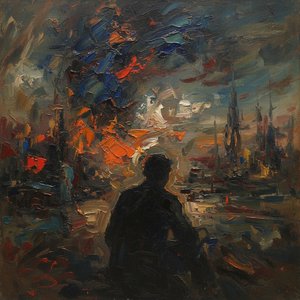
Henry Wolf: A Legacy of Abstract Expressionism & Emotional Resonance in Post-War Art
Explore the profound legacy of Henry Wolf, a pivotal figure in Abstract Expressionism and post-war visual culture. Discover his impact on graphic design, photography, and art collecting with OriginalUniqueArt.
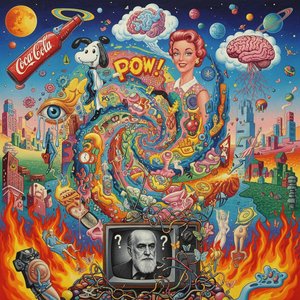
Pop Surrealism: A Collision of Culture, Dreams & the Subconscious in Post-War Art
Explore the captivating world of Pop Surrealism with OriginalUniqueArt. Discover key artists like George Condo & Robert Williams, investment potential, and the movement's cultural impact. Expert insights for collectors.

Echoes of Experience: Exploring Representations of Memory in Visual Art
Explore the captivating world of memory in art history! Discover how artists from Rossetti to Hockney evoke emotion & reclaim personal narratives through powerful visual storytelling. Expert insights at OriginalUniqueArt.

Monochrome Visions: Exploring the Aesthetic & Historical Significance of Black & White Photography
Explore the rich history & artistic power of black and white photography. From early techniques to iconic masters like Ansel Adams, discover why monochrome continues to captivate art lovers today. Expert insights for collectors.