
 Eelvaade
 Saada
Saada Jaga
Jaga
 Teave teose kohta

 Laadi alla
 Sarnased teosed
 Röntgenuuring
 Slaidietendus
 Statistika
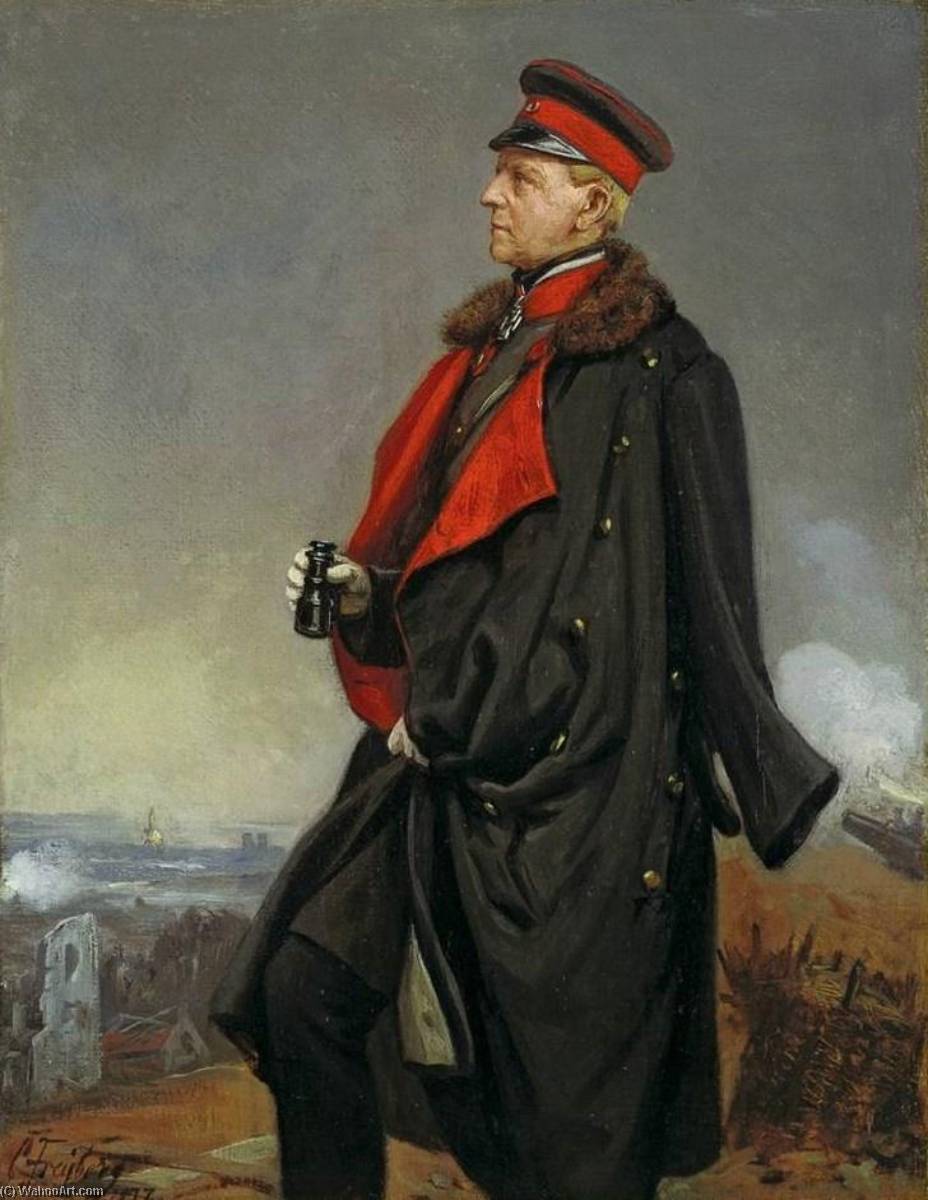
General Marshall Helmuth Graf von Moltke
 Academic Realism
 1877
1877 237.0 x 185.0 cm
 Loe lähemalt
Käsitsi valmistatud õlimaalireproduktsioon
Meie kunstnike poolt tellimusel valmistatud käsitsi maalitud õli-kainaste teos teie soovitud suuruses ja raamis. ( Lülita trükkitoodetele Ülemineks digitaalse pildiga müügi kanalisse)




































Vali meie eelmääratud suurused, mis vastavad teose algupärastele proportsioonidele.

Sa võite sisestada oma mõõtmed konkreetse raami või ruumi sobivuse tagamiseks. Kui teie valitud suurus ei vasta originaalpildi proportsioonidele, siis kärvime kunstiteost või laiendame maali täiendavate käsitsi maalitud elementidega. Enne tootmise algust saadetakse teile heakskiitmiseks digitaalne eelvaade.
Palun pidage meeles, et ekraanil kuvatav eelvaade ei kajasta tegelikku kärpimist või laiendamist. Ainult eelvaade näitab täpselt lõplikku kompositsiooni.
Kuigi on saadaval kohandatud suurused, soovitame originaalproportsioonide säilimiseks valida mõõdud eelmääratletud nimekirjast.
Pärast tellimust saadab OriginalUniqueArt.com meeskond kliendile e-posti juhised ning esitab eelvaate kavandi.
Maailmline tarne 3–4 nädala jooksul tavalise 5 nädala asemel. (11 september). Kvaliteedis kompromisse ei tehta.

Tasuta ekspresssaatmine üle maailma

Kõrgekvaliteediline linakangas

Täielik transpordikindlustus

Tollimaksude tagastamise garantii

Värvitoime täpsuse garantii

100 päeva tagastusõigus (ainult tootmisdefektide korral)

100% raha tagasi garantii

Hulgusoodustus
 Klaasivalik on saadaval ainult suuruses kuni 110 cm

General Marshall Helmuth Graf von Moltke
Reproduktsiooni tehnika
Reproduktsiooni suurus
-


Kogusumma
$ 300
Kunstniku elulugu
Conrad Freyberg: A Painter of War and Remembrance
Conrad Freyberg stands as a singular figure in German art history, renowned for his visceral depictions of World War II—specifically the tumultuous handover of Metz and the enduring legacy of Luise Limbach’s opera house. Unlike many artists of his era who sought to glorify military prowess or retreat into abstraction, Freyberg relentlessly pursued realism. He strove to convey not just the visual reality of a moment, but the profound emotional impact of those pivotal historical turning points. His work serves as a bridge between the cold facts of history and the raw, human experience of conflict and cultural loss.
Freyberg’s formative years were spent in Düsseldorf, a city with a rich artistic heritage that provided the perfect crucible for his development. It was here that he honed his skills under the tutelary guidance of Josef Binder, a celebrated realist painter. From Binder, Freyberg inherited a deep appreciation for meticulous observation and expressive brushwork. This foundation allowed him to master the ability to render textures—the crumbling stone of a bombed building or the weary skin of a soldier—with such precision that his canvases seem to breathe with a life of their own. His stylistic trajectory was defined by this commitment to an unflinching, almost cinematic realism.
The Chronicles of Conflict and Cultural Resilience
Freyberg’s breakthrough arrived through his monumental series documenting the handover of Metz in August 1944. This period was marked by a desperate attempt by German forces to secure vital supplies amidst the advancing Allied armies, and Freyberg captured this chaos with unparalleled intensity. His paintings from this era are characterized by an unyielding portrayal of fear, heroism, and destruction. He meticulously rendered every detail, from the jagged edges of ruined facades to the faces etched with exhaustion and grim determination, creating images that resonate with a palpable, haunting immediacy.
Parallel to his explorations of war, Freyberg undertook a deeply personal and monumental undertaking: capturing the essence of Luise Limbach’s opera house in Düsseldorf. Having been destroyed during the war, the opera house existed in the collective memory as a symbol of lost grandeur. Freyberg painstakingly recreated its interior spaces and architectural elements on canvas. In doing so, he achieved more than mere visual accuracy; he captured the spirit of resilience and artistic aspiration that characterized Limbach’s unwavering commitment to preserving cultural heritage. Through his brush, the bombed-out ruins were transformed into a testament to the enduring power of art.
A Legacy of Realism and Psychological Depth
As his career progressed, Freyberg’s style underwent a subtle yet profound evolution. While he remained anchored in the classical painting techniques learned in his youth, his work began to reflect a deepening engagement with contemporary psychological insights. His later pieces often moved beyond the external spectacle of war to explore the internal landscapes of his subjects. The shadows in his work became more than just absences of light; they became vessels for the uncertainty and trauma of a generation caught in the gears of history.
The historical significance of Conrad Freyberg lies in his refusal to look away. In an age where art often sought to escape the horrors of the mid-20th century, he chose to document them with a steady, observant hand. His achievements are not merely found in the technical mastery of oil on canvas, but in his ability to transform historical documentation into profound human narratives. He remains a vital artist for those seeking to understand the intersection of memory, tragedy, and the indomitable human spirit.

Lühikesed faktid
- Artistic Movement Or Style: Realist Painting
- Date Of Death: Living
- Full Name: Conrad Freyberg
- Nationality: German
- Notable Artworks: ['Metz Handover']
- Place Of Birth: Germany
Seotud artiklid
The Timeless Charm of Oil on Board: Reimagining Texture and Light through the Impressionist Lens
Discover the profound intimacy of oil on panel. Explore how Impressionist masters used rigid supports to capture light, texture, and impasto depth through exquisite, handmade oil reproductions for discerning collectors.
19th Century Masterpieces: 10 Paintings That Defined an Era | OriginalUniqueArt
Journey through 19th century art with OriginalUniqueArt! Explore 10 iconic paintings – from Monet & Renoir to Courbet – and discover the stories behind Romanticism, Realism & Impressionism. Find museum-quality reproductions for your home decor. Explore the full collection online!

The Enduring Power of Painting: A Historical & Contemporary Exploration of Form and Emotion
Explore the rich history & enduring techniques of oil painting with OriginalUniqueArt. Discover masterpieces, learn about art collecting, and find authentic handmade reproductions crafted by skilled artists.

The Enduring Legacy of Oil on Canvas: Technique, History & Aesthetic Impact
Explore the rich history & techniques of oil painting – from Renaissance masters to Impressionism. Discover pigments, layering methods, and why this timeless medium endures. Expert insights for artists & art enthusiasts.

Oil on Canvas: A Historical & Technical Exploration of a Timeless Artistic Medium
Explore the rich history & enduring techniques of oil painting on canvas. Discover the science behind its longevity, conservation practices, and contemporary relevance. Expert insights for art enthusiasts.