
 Eelvaade
 Saada
Saada Jaga
Jaga
 Teave teose kohta

 Laadi alla
 Sarnased teosed
 Röntgenuuring
 Slaidietendus
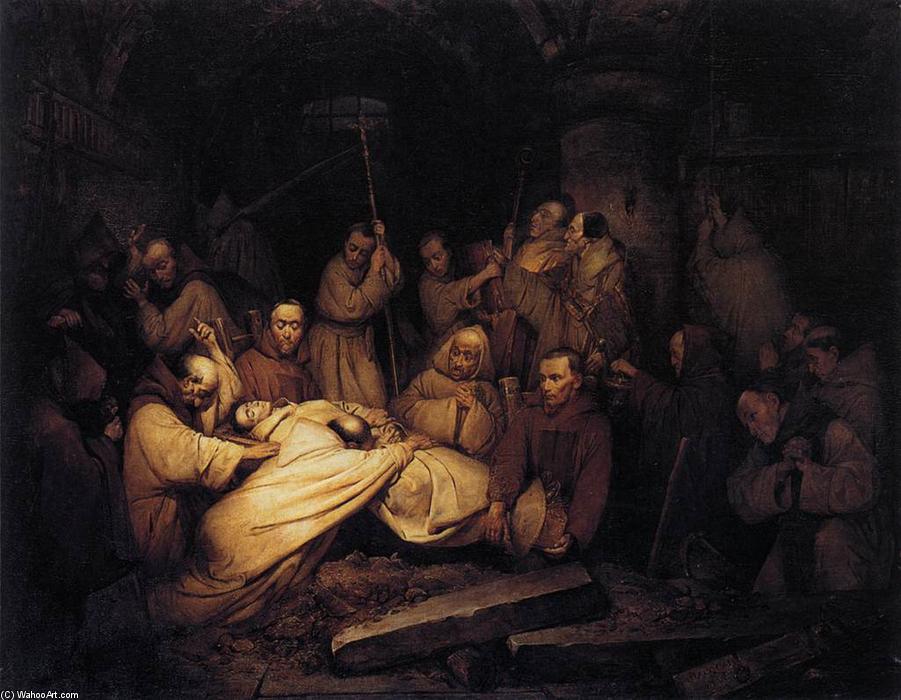
The Count of Comminges Recognizing Adélaide
 1836
1836 163.0 x 208.0 cm
 Musée des Beaux-Arts
 Loe lähemalt
Giclée / Kunstiprint
Muuseumikvaliteediga giclée- või kangasprint kiire tootmisega ja paindlikud viimistlusvõimalused. ( Osta käsitsi maalitud maal Osta pilt)




































Vali meie eelmääratud suurused, mis vastavad teose algupärastele proportsioonidele.

Saate sisestada oma mõõdud, et need sobiks konkreetse raami või ruumi sisse. Kui valitud suurus ei vasta originaalteose proportsioonidele, lõigame teose ära või laiendame pilti peegeldatud või ühtlase servaga. Enne tootmisprotsessi algust saadetakse Teie kinnitamiseks digitaalne näidis.
Palun märka, et ekraanil kuvatav eelvaade ei kajasta tegelikku lõigamist või laiendamist. Ainult näidis kujutab täpselt lõplikku kompositsiooni.
Kuigi erimõõdu on saadaval, soovitame originaaproportsioonide säilitamiseks valida mõõt ette määratud nimekirjast.
Ülemaailmne tarne () 2 nädala jooksul, tavalise 4/5 nädala asemel. (19 august)

Tasuta ekspresssaatmine üle maailma

Kõrgekvaliteediline linakangas

Täielik transpordikindlustus

Tollimaksude tagastamise garantii

Värvitoime täpsuse garantii

60-päevane tagastusõig: ainult tootmisdefektide korral

100% raha tagasi garantii

Hulgusoodustus
 Klaasivalik on saadaval ainult suuruses kuni 110 cm

The Count of Comminges Recognizing Adélaide
Giclée / Kunstiprint
Reproduktsiooni suurus
-


Kogusumma
$ 80
Kunstniku elulugu
Claudius Jacquand: Life and Legacy
Early Life and Education
- Born: December 11, 1803, in Lyon, France.
- Jacquand came from a family of artisans; his father was a comb-maker. This background instilled in him an appreciation for craftsmanship that would later influence his artistic approach.
- He received his initial art training at the École nationale des beaux-arts de Lyon under Fleury François Richard, laying the foundation for his future career.
Paris and Early Success
- Following his mother’s death in 1836, Jacquand moved to Paris, a pivotal moment that marked the beginning of his professional artistic journey.
- He began exhibiting his work soon after arriving in Paris, quickly gaining recognition for his talent and skill.
- Recognition: In 1839, he was knighted in the Legion d'Honneur. A year later, he received a Gold Medal at an exposition in Brussels, followed by another Gold Medal and the Order of Leopold at an exhibition in The Hague.
Personal Life and Social Standing
- The death of his father provided Jacquand with financial stability, enabling him to marry Lydia de Forbin, a woman from the aristocracy. She was the daughter of Louis Nicolas Philippe Auguste de Forbin and widow of the Viscount Alexandre Paul de Pinelli.
- He became Mayor of Émeringes in 1844, demonstrating his involvement in local affairs.
- Jacquand built a mansion in Émeringes inspired by Parisian architecture, reflecting his refined taste and social status.
Artistic Style and Themes
- Key Genres: Jacquand specialized in historical tableaus, genre scenes, and religious subjects. His works often depicted dramatic narratives with meticulous detail.
- His style is generally categorized within the Romanticism movement, characterized by emotional intensity, vibrant colors, and a focus on storytelling.
- Notable Works: Include “The Count of Comminges Recognizing Adélaide,” “Cinq-mars surrendering his épée to louis xiii”, and “Pietro Perugino painting for the monks of perugia”.
Later Life and Challenges
- The French Revolution of 1848 significantly impacted Jacquand’s financial situation, leading to a decline in his income.
- He sought employment but was unsuccessful in securing the position of director at the Musée de l'Histoire de France at Versailles.
- Jacquand and his wife moved to Boulogne-sur-Mer in 1852, selling their properties to maintain their lifestyle. They later faced further financial hardship and were forced to move to less expensive quarters in Paris.
- Final Years: Lydia’s death in 1863 compounded his difficulties. He continued to exhibit but struggled financially until his death on April 2, 1878, in Paris.
Legacy and Historical Significance
- Although not as widely celebrated today as some of his contemporaries, Claudius Jacquand was a respected artist during his lifetime.
- His works provide valuable insights into 19th-century French society, history, and artistic tastes.
- Influence: He taught painting to his son-in-law, Auguste de Pinelli, who also became a well-known artist, continuing the family’s artistic legacy.

Claudius Jacquand
1803 - 1878 , France
Lühikesed faktid
- Birth Date: 1803-12-11
- Birth Place: Lyon, France
- Death Date: 1878-04-02
- Influenced: Auguste de Pinelli
- Influenced By: Fleury François Richard
- Movement: Romanticism
- Name: Claudius Jacquand
- Nationality: French
- Notable Works:
- The Count of Comminges Recognizing Adélaide
- Cinq-mars surrendering his épée to louis xiii
- Pietro Perugino painting for the monks of perugia
- The young gaston, called the angel of foix

