Lülita trükkitoodetele
 Loe lähemalt







































 Kunstiteoste või reproduktsioonide puhul, mille üks külg on üle 105 cm (umbikmolt 41 tolli), saadetakse raam kirjal asendis, la Dismantlitud komplektina. See meetod tagab ohutuse kohaletoimetamisel ja väldib transpordil tekkivaid kahjustusi.


The Enchanting Meadow of Impressionism
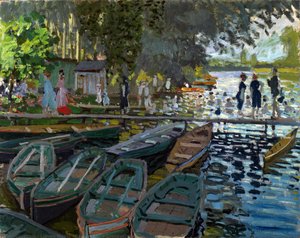
Claude Monet’s Meadow in Giverny stands as a cornerstone of Impressionist art—a testament to Monet’s revolutionary approach to capturing the fleeting effects of light and color on nature. Painted in 1890 during his prolific period at Giverny, France, this canvas embodies the very essence of Impressionism's core philosophy: prioritizing sensory experience over meticulous detail. It’s more than just a landscape; it’s an invitation to immerse oneself in Monet’s vision of beauty.A Symphony of Light and Color
The painting depicts a tranquil meadow bathed in dappled sunlight, punctuated by mature trees—primarily beech and poplar—creating a complex interplay of shadows and highlights. Monet skillfully employs loose brushstrokes—characteristic of Impressionism—to blend pigments directly onto the canvas, rather than layering them thinly like traditional artists would. This technique allows for an astonishing vibrancy of color, mirroring the way our eyes perceive light itself. Observe how Monet captures the subtle nuances of emerald green grass, punctuated by splashes of lemon yellow and pale violet where sunlight penetrates through the foliage. The artist’s meticulous attention to atmospheric conditions—particularly the hazy morning air—elevates this scene beyond mere representation; it conveys a palpable sense of serenity and immediacy.Monet's Technique: Embracing Fleeting Moments
Monet’s dedication to capturing transient impressions is evident in every aspect of Meadow in Giverny. He meticulously studied the changing light throughout the day, returning to his easel repeatedly to record these subtle shifts. The brushstrokes themselves are deliberately visible—a conscious rejection of academic conventions—serving as a visual reminder that art should strive to capture not just what is seen but how it feels. Monet’s use of complementary colors—such as yellow and violet—further enhances the painting's luminosity and creates a harmonious balance within the composition. This masterful technique exemplifies Monet’s unwavering commitment to portraying the beauty of the natural world in its purest form.Symbolism and Emotional Resonance
Beyond its technical brilliance, Meadow in Giverny resonates deeply with viewers on an emotional level. The meadow itself symbolizes renewal and vitality—a reflection of Monet’s own desire to reconnect with nature after years spent battling illness. The trees represent strength and permanence against the backdrop of fleeting beauty. And the birds perched atop branches serve as emblems of freedom and tranquility, reinforcing the painting's overarching mood of peaceful contemplation.Handmade Oil Painting Reproductions: Bringing Giverny Home
At OriginalUniqueArt.com, we offer exquisite handmade oil painting reproductions of Meadow in Giverny and countless other masterpieces by Claude Monet. Our artisans utilize traditional methods—passed down through generations—to faithfully recreate the original artwork's colors and textures. Experience the timeless allure of Impressionism with a stunning reproduction that captures the spirit of Giverny. Visit OriginalUniqueArt.com today!For more information on Claude Monet and his artistic legacy, explore Wikipedia: Claude Monet.
Korduvad küsimused
Millist meeleolu loovaks teos "Meadow in Giverny" ruumile?
Teose „Meadow in Giverny“, autor Claude Monet Serene atmosfäär sobib ideaalselt selle soovituslikku ruumi: Living Room.
Mis on teose „Meadow in Giverny“, autor Claude Monet luminants?
Teose „Meadow in Giverny“, autor Claude Monet luminants on Gentle Luminance. Luminants kirjeldab, kui palju valgust värvid peegeldavad.
Millissele stiilile kuulub "Meadow in Giverny"?
Teosest „Meadow in Giverny“, autor Claude Monet tuntud kunstisuuna on Impressionism. See klassifikatsioon aitab teost paigutada sarnaste kunstnike ja teoste hulka.
 Eelvaade
 Saada
Saada Jaga
Jaga
 Teave teose kohta
 Juhend

 Laadi alla
 Sarnased teosed
 Röntgenuuring
 Slaidietendus
 Q&A
Q&A Statistika