

 Vaata sisu
 Jaga teost
 Jaga
Jaga
 Detailid
 Õppekate juhend

 Laadi alla
 Sarnased teosed
 Röntgenuuring
 Slaidietendus
 Statistika
Satüürid
 Akrüülkainal
- Seinakunst
- Neoclassical Style
 1700
1700 41.0 x 52.0 cm
 Calouste Gulbenkian Fondatsioon
 Loe lähemalt
Giclée / Kunstiprint
Muuseumikvaliteediga giclée- või kangasprint kiire tootmisega ja paindlikud viimistlusvõimalused. ( Telli käsitsi maalitud reproduktsioon Ülemineku digitaalse pildi müügi kanalisse)




P118B €10

P118H €10

P118W €10

P438Z €10

P508JH €12

P508YH €12

P805H €10

P805Z €10

P919BZ €10

P919G €10

P919XJ €10

P959ZH €10

P968JZ €12

W106C €8

W218G €10

W218JH €8

W218Y €10

W307PJ €10

W316G €10

W316PJ €8

W316Y €10

W398PJ €8

W4111J €10

W500HY €15

W500JH €15

W692G €12

W849H €8

W940BG €15

W953PJ €8




Vali meie eelmääratud suurused, mis vastavad teose algupärastele proportsioonidele.

Sisestage vajalik laius ja kõrgus, et see sobiks teie raamile või seinale. Trükki saab ainult lõigata, seda ei saa kunagi pildist suuremaks teha, seega ka differentse vormiga suurus kaotab osa pildist. Enne trükkimist saadame teile kinnitamiseks digitaalse näidisprojektsiooni. Sellel lehel näidatud pilt ei kujuta reaalset lõiget — seda näitab ainult näidisprojekttsioon.
Ülemaailmne tarne () 2 nädala jooksul, tavalise 4/5 nädala asemel. (24 oktoober)

Tasuta ekspresssaatmine üle maailma

Kõrgekvaliteediline lina-kangastest muld

Täielik transpordikindlustus

Tollimaksude tagastamise garantii

Värvitoime täpsuse garantii

100 päeva tagastusõigus (ainult defektide korral)

100% raha tagasi garantii

Hulgusoodustus
 Klaasivalik on saadaval ainult kuni 110 cm suuruses teostes

Satüürid
Giclée / Kunstiprint
Reproduktsiooni mõõtmed
-


Lõppsumma
€ 70
Claude Michel Clodion ja Tema “Satyrs” – Klassikalise Elegantsi Ülevaade
Claude Michel Clodion oli üks Pariisi suurimatest kunstnike vaheldühmast, kes jäi maailmale staatuse kasvuga hilis-Roheliste stiili esiotsa kujundajana. Tema tööde tänu suurele värviküllusele ja liikuvatele vormidele on Clodioni skulptuurid tänapäevalgi väga hinnatud ning neid võib näha paljudes maailma suurimatel kunstinäitustel. Üks tema tuntud meistriteoste seas oli “Satyrs” (1781), mida täna eksponeeritakse Calouste Gulbenkian Müüsiamuuseumis Lisboonis Portugalis. Selle maalija kohta võib lugeda rohkem selles artiklis.- Kunstniku Biograafia: Claude Michel Clodion sündinud 1738 aastal Nancy linnas oli pere kunstnik, kes õppis juba noorena oma isa kaudu skulptuuritehnika kohta. Tema perekond oli väga aktiivne kunstilises maailmas ning Clodioni kasvatus pakkus talle ainulaadseid võimalusi täielikult iseenda jõudude vastu kasvada ja oskusi arendada.
- Stiil ja Dekoratsioon: “Satyrs” kuulub Roheliste stiili klassikalise perioodi hulka, mis oli tuntud oma õrna kujunduse ja värviküllusega. Clodioni skulptuur on täielikult valmistatud marmori kohta ning selle kompositsiooni keskpunktiks on kaks satüriid – üks vasakul ja üks paremal küljel.
- Töömeetod: Clodion kasutas suurte marmorplaatide jaoks tehnika nimetust “bas relief”, mis tähendab madala kujundusega reljeefi. Selle tehnika abil sai skulptuurile suurepärased värviküllus ja liikuv vorm, mida võib näha ka Bernini töödes.
- Historialine Kontekst: Maal tehtud aastal 1781 oli see periood Pariisi kunstilises maailmas täielikult muutumas – Roheline stiil oli juba siis jõudes oma suurimasse hoogule ning Clodioni skulptuur oli osa suuremast kunstilise liikumisest.
- Symbolism ja Emotsiooni Ühendamine: “Satyrs” kujutab endast müütilist maailma värviküllust ja liikuvat vormi, mis on täielikult kooskõlas klassikalise stiili ideega. Maal olevad kaks satüriid kuvavad seksuaalse energiat ning armastuslikku suhtumist, mida võib näha ka Bernini töödes.
Küsimused ja vastused
Millest tunnest on "Satüürid" seotud?
Teos "Satüürid" on seotud Rahu ja vaikus tundega. Emotsionaalne toon kirjeldab teose tekitavat muljet.
Kui palju inimesi vaatab teost "Satüürid"?
Statistika teose „Satüürid“, autor Claude Michel kohta on saadaval teose Statistika lehel: teose kuukaudsed külastused, kunstniku teoste külastused ning viimaste külastajate riikide ja keelte jaotus.
Millist ruumi on „Satüürid“, autor Claude Michel jaoks soovitatav?
Teos „Satüürid“, autor Claude Michel on soovitatav paikutada ruumi Elutuba. See soovituse on tehtud teose sisu, värvide ja meeleolu põhjal.
Kunstniku elulugu
The Master of Clay: The Life and Art of Clodion
Born in Nancy, France, the sculptor known to history as Clodion—or Claude Michel—emerged as one of the most captivating figures of the late eighteenth century. His journey into the heart of the French art world began in 1755 when he arrived in Paris, entering the prestigious workshop of his maternal uncle, Lambert-Sigisbert Adam. This early immersion in a lineage of skilled sculptors provided him with a foundation of technical excellence that would later allow him to transcend the boundaries of traditional medium. While many of his contemporaries sought permanence in marble or bronze, Clodion found his true voice in the tactile, intimate world of terracotta.
His development was profoundly shaped by his travels and his encounters with the classical past. After winning the prestigious Prix de Rome, he moved to Italy, where he shared a studio with the renowned Jean-Antoine Houdon. It was during this period that Clodion deeply studied the nuances of antique, Renaissance, and Baroque sculpture. This exposure to the grace of antiquity infused his work with a sense of timelessness, even as he remained firmly rooted in the playful, light-hearted spirit of the Rococo style. He possessed an extraordinary gift for capturing fleeting emotions and dynamic movement within the soft, malleable confines of clay, creating works that felt alive even before they were fully realized.
Mythology and the Spirit of Rococo
Clodion’s oeuvre is a testament to his ability to blend classical mythology with a palpable sense of human vitality. His sculptures often feature mythological figures—satyrs, nymphs, and bacchantes—engaged in scenes of Dionysian ecstasy or tender interaction. In works such as Satyr and Bacchante, one can observe the masterful interplay between earthly passion and idealized beauty. He had a unique talent for modeling musculature with anatomical precision while maintaining an ethereal grace that prevented his figures from feeling heavy or static.
The themes of his work often reflected the era's fascination with the pastoral and the mythological, blending several artistic sensibilities:
- Rococo Elegance: A focus on light-heartedness, charm, and fluid movement.
- Neoclassical Influence: An aspiration for idealized beauty and a deep reverence for Greek and Roman narratives.
- Romantic Sensibilities: An exploration of emotion, instinct, and the primal energy found in nature.
Whether depicting the mischievous deities of Greek mythology or the serene intimacy of a pastoral scene, Clodion’s work captures a moment where primal instinct blends seamlessly with contemplative grace. His mastery of the terracotta medium allowed him to emphasize the tactile qualities of his subjects, creating a sense of warmth and life that remains as captivating today as it was during the height of the ancien régime.

Claude Michel
1738 - 1814 , France
Lühikest infot
- Artistic Movement Or Style: Rococo and Neoclassical
- Artists Or Movements Influenced By This Artist: ['Joseph Charles Marin']
- Artists Who Influenced This Artist: ['Lambert-Sigisbert Adam']
- Full Name: Claude Michel
- Notable Artworks:
- Satyr and Bacchante
- Satyrs
- Nymph and Faun
- The Intoxication of Wine
- Place Of Birth: Nancy, France
- Date Of Birth: 1738
- Date Of Death: 1814
Sarnased artiklid

The Enduring Form: Exploring Themes & Techniques in Sculpture Across Historical Periods
Explore the rich history of sculpture from ancient masterpieces to contemporary innovations. Discover key techniques, influential artists & investment potential for discerning art collectors.

The Enduring Form: Sculpture Across History, Technique & Emotional Resonance
Explore the rich history of sculpture with OriginalUniqueArt. Discover key techniques, influential artists & investment potential for discerning collectors. Expert insights into valuing and collecting timeless masterpieces.

Bronze Age to Modern Masters: 10 Sculptures That Redefined Art | OriginalUniqueArt
Journey through art history with 10 legendary bronze sculptures – from Michelangelo's David to Rodin’s Thinker. Explore the stories, techniques & timeless beauty of these masterpieces. Find museum-quality reproductions & elevate your home decor on OriginalUniqueArt.com.
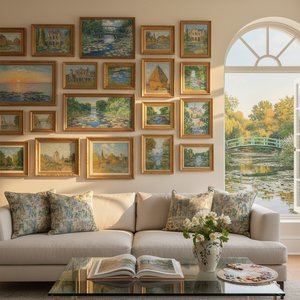
Claude Monet: 25 Meisterteost Valgusest ja Värvidest | OriginalUniqueArt.com
Avastage Claude Monet 25 kõige ikoonilisemat teost! Sukelduge valgusest ja värvidest tulvil impressionismi maailma. Kunstiteosed, maalid ja seinakaunistused OriginalUniqueArt.com-is. Avasta täielik kollektsioon online!

Bronze Sculptures That Defined Art History | OriginalUniqueArt
Journey through art history with our Top 10 bronze sculptures! Explore masterpieces by Rodin, Michelangelo & more. Discover stories behind iconic statues and find museum-quality reproductions for your home decor at OriginalUniqueArt.com.
