

 Vaata sisu
 Jaga teost
 Jaga
Jaga
 Detailid
 Õppekate juhend

 Laadi alla
 Sarnased teosed
 Röntgenuuring
 Slaidietendus
 Statistika
Shipwreck
 Acrylic On Canvas
- WallArt
- Rococo
 1759
1759- Late Medieval
 96.0 x 134.0 cm
 Groeninge Muuseum
 Loe lähemalt
Käsitsi valmistatud õlimaalireproduktsioon
Meie kunstnike poolt tellimusel valmistatud käsitsi maalitud õli-kainaste teos teie soovitud suuruses ja raamis. ( Lülita trükkitoodetele Ülemineku digitaalse pildi müügi kanalisse)




P118B €10

P118H €10

P118W €10

P438Z €10

P508JH €12

P508YH €12

P805H €10

P805Z €10

P919BZ €10

P919G €10

P919XJ €10

P959ZH €10

P968JZ €12

W106C €8

W218G €10

W218JH €8

W218Y €10

W307PJ €10

W316G €10

W316PJ €8

W316Y €10

W398PJ €8

W4111J €10

W500HY €15

W500JH €15

W692G €12

W849H €8

W940BG €15

W953PJ €8




Vali meie eelmääratud suurused, mis vastavad teose algupärastele proportsioonidele.

Sisestage vajalik laius ja kõrgus, et teos sobiks teie raamile või seinale. Kuna tegu on käsipainatud teosega, siis erineva kujuga suuruse korral võib kunstnik jätta pildi ümber veidi rohkem marginaali või lõigata osa ära — valik on teie. Enne maali alustamist saadame teile kinnitamiseks digitaalse näidisprojektsiooni. Sellel lehel näidatud pilt ei kajasta tegelikku tulemust — seda näitab ainult näidisprojekttsioon.
Pärast tellimust saadab OriginalUniqueArt.com meeskond kliendile e-posti juhised ning esitab eelvaate kavandi
Maailmline tarne 3–4 nädala jooksul tavalise 5 nädala asemel. (23 oktoober). Kvaliteedis kompromisse ei tehta.

Tasuta ekspresssaatmine üle maailma

Kõrgekvaliteediline lina-kangastest muld

Täielik transpordikindlustus

Tollimaksude tagastamise garantii

Värvitoime täpsuse garantii

100 päeva tagastusõigus (ainult defektide korral)

100% raha tagasi garantii

Hulgusoodustus
 Klaasivalik on saadaval ainult kuni 110 cm suuruses teostes

Shipwreck
Reproduktsiooni materjal
Reproduktsiooni mõõtmed
-


Lõppsumma
€ 263
A Tempestuous Vision: The Shipwreck by Claude-Joseph Vernet
Claude-Joseph Vernet’s “Shipwreck” (1759) isn't merely a depiction of maritime disaster; it’s a visceral plunge into the heart of the sublime – that potent blend of terror, awe, and exhilaration evoked by confronting the raw power of nature. Painted during the height of the Rococo period in France, yet imbued with a dramatic intensity that anticipates Romanticism, this work transcends its subject matter to become a meditation on human vulnerability against an indifferent universe. The painting immediately commands attention with its dynamic composition, a swirling vortex of turbulent sea and bruised sky, pulling the viewer into the chaotic drama unfolding before them.
Vernet masterfully employs the techniques characteristic of his era – a meticulous attention to detail combined with a loose, expressive brushstroke. Notice how he renders the churning waves, not as smooth forms but as frothing crests and shadowed troughs, conveying an almost palpable sense of movement. The light is equally crucial; it’s fractured and diffused by the storm clouds, casting dramatic highlights on the wreckage and creating pools of deep shadow that heighten the feeling of unease. The artist's use of chiaroscuro – the stark contrast between light and dark – isn’t simply for aesthetic effect but serves to amplify the drama and underscore the precariousness of the scene.
Echoes of the Sublime: Rococo Meets Romanticism
“Shipwreck” occupies a fascinating space within art history. While firmly rooted in the decorative elegance of the Rococo style – evidenced by the vibrant palette, the intricate details of the ship’s rigging (though rendered with a slightly more rugged quality than typical for the period), and the overall sense of theatricality – it also foreshadows the Romantic movement's fascination with untamed nature. Vernet was deeply influenced by the philosophical ideas of Jean-Jacques Rousseau, who championed the beauty and power of the natural world as a counterpoint to the artificiality of courtly life. This painting embodies that sentiment, presenting a storm at sea not as a destructive force but as an overwhelming spectacle of sublime grandeur.
The historical context is equally important. Vernet’s work reflects the growing European interest in maritime exploration and trade during the 18th century. Shipwrecks were frequent occurrences, often resulting in significant loss of life and cargo – events that captured the public imagination. Vernet's painting taps into this collective anxiety about the perils of the sea while simultaneously celebrating its breathtaking beauty. It’s a reminder of humanity’s smallness within the vastness of the ocean.
Figures Amidst Ruin: Symbolism and Human Drama
Scattered along the rocky shoreline are several figures, rendered in stark silhouette against the brightly lit background. These aren't heroic rescuers; they are ordinary people – men and women – overwhelmed by the scale of the disaster. Their postures suggest a mixture of despair, frantic activity, and perhaps even a desperate hope for survival. Vernet doesn’t offer easy answers or moral judgments; he simply presents these individuals as witnesses to an event beyond their control. The inclusion of these human figures elevates the painting from a purely landscape study to a poignant meditation on mortality and resilience.
In the background, a partially obscured castle-like structure – likely a coastal fortress or lighthouse – adds another layer of symbolism. It represents both protection and vulnerability, suggesting that even the most formidable structures are ultimately subject to the forces of nature. The presence of this architectural element anchors the scene within a specific geographical context while simultaneously emphasizing the insignificance of human endeavors in the face of overwhelming natural power.
A Legacy of Dramatic Seascapes
Signed “C. J. Vernet” in the lower right corner, "Shipwreck" stands as a testament to Claude-Joseph Vernet’s mastery of marine painting. It's a work that continues to resonate with viewers today, not only for its technical brilliance but also for its profound exploration of human emotion and the sublime power of nature. Reproductions of this iconic image offer a captivating glimpse into a pivotal moment in art history – a moment when the Rococo’s decorative elegance yielded to the Romantic spirit's embrace of untamed beauty and dramatic intensity.
Küsimused ja vastused
Kes on teose "Shipwreck" autor ja millises suunast see on?
Teose "Shipwreck" on loonud Claude-Joseph Vernet Rococo stiilis. Kunstnik ja suunamine määratlevad teose traditsiooni.
Millises suuruses ja mille suunaga on "Shipwreck" trükkimist soovitatav teha?
Medium suurus, Landscape orientatsioon: see on teosele „Shipwreck“, autor Claude-Joseph Vernet soovitatud trükkimise seadistus.
Kas teost „Shipwreck“, autor Claude-Joseph Vernet hoiustatakse kunstniku kodumaal?
Ei - teos asub välismaal. Teost "Shipwreck" hoivadatud Belgium, samal ajal sündis Claude-Joseph Vernet riigis Prantsusmaa.
Kunstniku elulugu
Merevalguse Meister: Claude-Joseph Verneti Elu ja Kunst
Claude-Joseph Vernet, sündinud Bordeaux’s 1714. aastal, ei olnud algselt määratud grandioossetele maastikele ja dramaatilistele meremaalidele, mis pidid määrama tema pärandi. Tema varasemad kunstikalduvused ilmutasid kire hobuste vastu – kirg, mis oli näha isegi lapsepõlves, kui ta joonistas neid väärikaid loomi juba viieaastaselt. See varajane pühendumine loomakehale, eriti hobuse vormile, mõjutaks peent tema hilisemat tööd, andes laiemates kompositsioonides dünaamilist energiat ja realismit. Verneti formaalne koolitus algas isa Antoine Verneti juures, dekoratiivse maali kunstniku, ja Nicolas-Bernard Lépicié juures, pakkudes talle tugevat akadeemilist alust enne kui ta seikles Euroopa kunstisüdamesse: Rooma. Just Itaalias avastas Vernet tõeliselt oma kutsumuse, olles vaimustatud mitte ainult klassikalistest maastikestest, vaid ka mere toorest jõust ja ilu. Vaalad Marselje rannikul osutusid pöördeliseks hetkeks, süütades eluaegse obsessiooni mereteemadega.Rooma Õpingutest Kuninglike Tellimusteni
Vernet’i aeg Roomas ei olnud pelgalt olemasolevate stiilide kopeerimine; see oli sügav sukeldumine valgusesse, atmosfääri ja inimkonna ning looduse vahelisse suhtlemisse. Ta omandas mõjutusi meistritelt nagu Claude Lorrain ja Salvator Rosa, sulatades nende lähenemisi ainulaadselt isiklikuks visiooniks. Kui Lorrain pakkus idealiseeritud rahu, siis Rosa dramaatilist intensiivsust – Vernet sünteesitud osavalt need elemendid, luues stseene, mis olid nii visuaalselt vapustavad kui ka emotsionaalselt resonantsed. Pärast 1753. aastal Prantsusmaale naasmist võitis Verneti talent kiiresti tunnustust. Pöördeliseks hetkeks osutus tellimus Louis XV-lt maalida seeria Prantsuse sadamate vaateid. See ambitsioonikas projekt – mis lõpuks hõlmas viisteist maali – kindlustas Vernet’i ajastu parimaks meremaalijaks. Need ei olnud lihtsalt topograafilised kirjed; need olid elavad portreed rahvuslikust uhkusest, demonstreerides Prantsusmaa meresõjajõudu ja selle seost merega. Näiteks Intérieur du port de Marseille (1754) ei ole pelgalt trügliku sadama kujutus – see on ood kaubandusele, tööstusele ja linna elujõule.Pärand Valguses ja Tormis
Vernet’i kunstiline oskus peitus mitte ainult täpses laevade ja sadamate renderdamises, vaid ka tema meisterlik valguse ja atmosfääri käsitlemises. Ta mõistis, kuidas päikesevalgus vee pinnal sädeleb, kuidas pilved kogunevad enne tormi ning kuidas need elemendid võivad dramaatiliselt muuta stseeni meeleolu. Tema maalid sisaldavad sageli dramaatilisi taevaid, rahutuid vesi ja tegelasi, kes on tabatud nii ohu kui ka vastupidavuse hetkedes. A View of the Port of Naples with Mount Vesuvius in the Background (1774) näitab seda talenti – muljetavaldav Vesuuvi kohal ripub trügliku sadama kohal, meenutades looduse jõudu ja samas rõhutades inimtegevust. See võime tasakaalustada suursugusus ja intiimsus on tema töö tunnusjoon. Meremaalide kõrval uuris Vernet ka maastikke ja jahimaale, säilitades alati terava silma detailidele ja arusaama loomakehale – oskuse, mis oli lihvitud tema nooruses.Perekond, Mõju ja Püsiv Tähtsus
Kunstiline suguvõsa jätkus Verneti poja Antoine Charles Horace Vernet’iga (tuntud ka kui Carle Vernet), kes järgis isa jälgedes, saavutades kuulsuse oma dünaamiliste lahingustseenide ja jahikunstiga. See perekondlik seos rõhutab traditsiooni ja mentorluse tähtsust 18. sajandi Prantsuse kunstikommuunis. Claude-Joseph Verneti mõju ulatus kaugemale tema vahetu perekonnast; ta aitas tõsta maalikunsti silmapaistvale positsioonile Prantsuse kunstis. Tema töö sillutas teed hilisematele põlvedele, inspireerides neid uurima loodusmaailma ilu ja jõudu. Kuigi ta suri 1789. aastal revolutsiooniliste muutuste lävel, Verneti pärand kestab. Tema maalid võluvad jätkuvalt vaatajaid oma atmosfäärilise sügavuse, tehnilise briljantsi ja elava jutustamisega – tunnistus elule, mis oli pühendatud valguse, mere ja inimvaimu olemuse tabamisele.Kiirfaktid
- Kunstiline liikumine või stiil: Maastik, Meremaal
- Kunstnikud või liikumised, keda see kunstnik mõjutas: Antoine Charles Horace Vernet
- Kunstnikud, kes seda kunstnikku mõjutasid: Claude Lorrain, Bernardino Fergioni
- Sünnipäev: 14. august 1714
- Surmapäev: 1789
- Täisnimi: Claude-Joseph Vernet
- Rahvus: Prantslane
- Olulised teosed: Intérieur du port de Marseille, A view of the port of Naples
- Sünnikoht: Bordeaux, Prantsusmaa

Claude-Joseph Vernet
1714 - 1789 , Prantsusmaa
Lühikest infot
- Artistic Movement Or Style: Maastik, Meremaal
- Artists Or Movements Influenced By This Artist: ['Antoine Charles Horace Vernet']
- Artists Who Influenced This Artist:
- Claude Lorrain
- Bernardino Fergioni
- Date Of Birth: 14. august 1714
- Date Of Death: 1789
- Full Name: Claude-Joseph Vernet
- Nationality: Prantslane
- Notable Artworks:
- Intérieur du port de Marseille
- A view of the port of Naples
- Place Of Birth: Bordeaux, Prantsusmaa
Sarnased artiklid

RoKokoo: 10 Meisterteost, Mis Määritsesid Kunstisuundi | OriginalUniqueArt
Sukeldu RoKokoo maailma! Avasta 10 meistriteost, mis defineerisid kunstisuunda – prantsuse kunstnikud, kuldsed toonid ja luksuslik interjöör. Tutvu lugudega legendaarsete teoste taga & leia inspiratsiooni OriginalUniqueArt.com-ilt!
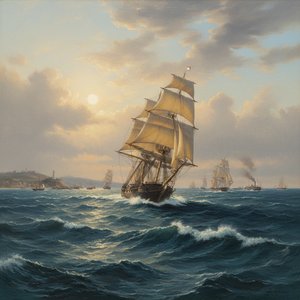
James E. Buttersworth: Navigating the Seas of Victorian Marine Painting
Explore the captivating world of James Edward Buttersworth, a foremost Victorian marine painter. Discover his meticulous ship portraits, America's Cup chronicles & enduring legacy in museums worldwide. Learn about his technique and style.
Tarne ja tagastused
APS pakub eksperdilist ülemaailmset kunstiteoste transporti muuseumitaseme hooldusega, täieliku jälgimise ja 100-päevase raha tagasi garantiiga. Alates tollitoe abistusest kuni Priority Productionini, usaldage läbipaistvat teenust, turvalist pakendamist ja usaldusväärset kohaletoimetamist kollektsionääridele, disaineritele ja galeriidele.

The Rococo Aesthetic: Opulence, Rebellion & the Pursuit of Pleasure in 18th-Century Art
Explore the opulent world of Rococo art! Discover its origins, key artists like Watteau & Boucher, and lasting influence on design. Expert insights for collectors & enthusiasts.
Navigating the Depths of Representation: A Historical Exploration of Marine Painting
Explore the rich history of marine painting with OriginalUniqueArt. Discover Dutch Masters, Romantic seascapes & renowned artists like Wyllie and Harris. Expert guidance for collectors & custom reproductions.