
 Eelvaade
 Saada
Saada Jaga
Jaga
 Teave teose kohta
 Juhend

 Laadi alla
 Sarnased teosed
 Röntgenuuring
 Slaidietendus
 KÜSIMUSED JA VASTUSID
 Statistika
Üksildane Madonna (detail)

- 48.0 x 39.0 cm


 Loe lähemalt
Giclée / Kunstiprint
Muuseumikvaliteediga giclée- või kangasprint kiire tootmisega ja paindlikud viimistlusvõimalused. ( Osta käsitsi maalatud teos Lülita digitaalse pildi juurde)




P118B €10

P118H €10

P118W €10

P438Z €10

P508JH €12

P508YH €12

P805H €10

P805Z €10

P919BZ €10

P919G €10

P919XJ €10

P959ZH €10

P968JZ €12

W106C €8

W218G €10

W218JH €8

W218Y €10

W307PJ €10

W316G €10

W316PJ €8

W316Y €10

W398PJ €8

W4111J €10

W500HY €15

W500JH €15

W692G €12

W849H €8

W940BG €15

W953PJ €8




Vali meie eelmääratud suurused, mis vastavad teose algupärastele proportsioonidele.

Sisestage vajalik laius ja kõrgus, et see sobiks teie raamile või seinale. Trükki saab ainult lõigata, seda ei saa kunagi pildist suuremaks teha, seega ka erineva mustega suurus kaotab osa pildist. Enne trükkimist saadame teile kinnitamiseks digitaalse näidisprojektsiooni. Sellel lehel näidatud pilt ei kujuta reaalset lõiget — seda näitab ainult näidisprojektsioon.
Ülemaailmne tarne () 2 nädala jooksul, tavalise 4/5 nädala asemel. (4 november)

Tasuta ekspresssaatmine üle maailma

Kõrgekvaliteediline lina-kangas

Täielik transpordikindlustus

Tollimaksude tagastamise garantii

Värvitoime täpsuse garantii

100 päeva tagastusõigus (ainult valmistusdefektide korral)

100% raha tagasi garantii

Hulgusoodustus
 Klaasivalik on saadaval ainult kuni 110 cm suuruses teostes

Üksildane Madonna (detail)
Giclée / Kunstiprint
Reproduktsiooni suurus
-


Koguhind
€ 72
Pilk jumalalikku suurmeediusse: Cimabue *Madonna Majesteetsuses* (detail)
See vapustav detail Cimabue 1285. aastal maalistatud teosest *Madonna Majesteetsuses* pakub lummavat vaadet üleminekut piisklasest traditsioonist avarnevad Renaissance ajastu uuele algusele. Vaatamata sellele, et see paneel mõõdetakse vaid 48 x 39 cm, peidab see oma väikuse taha tohutut kunstilist jõudu ja ajaloolist tähtsust, olles praegu säilitatud Florentsis, presteesse Galleria degli Uffizisse kuulavas muuseumis.Teema ja kompositsioon
See fragment keskendub osale suuremast kompositsioonist, mis kujutab Neitsi Mariat trooni peal kui Taevasest kuningannat, kandes armsalt Kristilast. Kuigi tegemist on vaid detailiga, kapseldab see kogu teose tuumast elemente: Madonna rahulik väärikus ja uuenemine tema kujutuses ilmnev inimlikkus. Lähedusvaade võimaldab nautida Cimabule õhukest pintstraumide käekäigu ja tema püüdlust anda oma figuuridele suuremat realismi, kui oli tavaline Italo-Byzantine stiilis. Tähelepanu väärib see, kuidas kunstnik hakkab viidet maksma mahukusele läbi peente varjustuste, eemaldudes tollal levinud lamedatest ja stiliseeritud kujunditest. Punane taust pakub rikkalikku kontrasti, suurendades figuuride sära ja valgust.Stiil ja tehnika
Cimabue kasutas meisterlikult tempera tehnikat paneelil – metoodi, mis nõuab täpsust ja kannatlikkust. Tempera kiire kuivamine sundis kunstnikke töötama kiiresti ja teadlikult, ehitades pigmendi kihte, et saavutada sügavust ja detailset rikkust. Stiil on kindlalt juurdunud Italo-Byzantine traditsioonis, mida iseloomustavad kuldtaustad, pikunäod figuurid ja vormistatud kangaslad. Siiski lisab Cimabue peitvalt elemente, mis ennustavad Renessanssi: suuremat rõhku loomulikele proportsioonidele ja emotiivset olemust tema teemade nägude väljenduses.Ajalooline kontekst ja kunstiline uuendus
See teos, mis loodi olulise kultuurilise ja kunstilise muutuse ajal, peegeldab 1ikte lõpus kasvavat huvi humanismi vastu. Cimabue (sündinud Cenni di Pepo) oli võtmerolle mängiv isik, kes murdis läbi piisklasest Byzantsi kunstist kehtivatest konventsioonidest. Ta avas tee kunstnikatele nagu Giotto, keda peetakse sageli Renessansi maali kunstipateriks. Tema soov eksperimenteerida vormide ja ekspressiooni suhtes märkis pöördumatut hetki Lääne kunstiajal. Ta ei olnud pelgalt olemasolevate stiilide kordaja, vaid neid aktiivselt arendas ja arendas edasi.Sümbolika ja emotsionaalne mõju
Pilt on täis religioosset sümbolikat. Madonna, kui Taevasest kuninganna, esindab jumalalikku armu ja emaliksu armastust. Tema kuninglik poseerimine ja Kristilaps sümboliseerivad päästmist ja lunastust. Kulta kasutamine tähistab jumalalisust ja igavust. Lisaks teoloogilisele tähendusele tekitab see detail pühaduse ja vaimliku mõttelise süvenemise tunnet. Madonnale suunatud pilk on otsene, kuid õine, kutsumates vaatajat vaikse pühendumuse hetke juurde.Sammlajatele ja interjööri disaineritele
Selle *Madonna Majesteetsuses* detaili reproduktsioon pakub igale ruumile ajatut elegantsi. Selle rikkalikud värvid ja peen kompositsioon täiendavad nii traditsioonilisi kui ka kaasaegseid interjööre. Teose ajalooline väärtus lisab intellektuaalset sügavust, muutes selle vestluse algatuseks ja tõestuseks erakordselt maitsekas inimese kohta. Võite kaaluda selle teose raamistamist rikkalikul kuldsel detailidega, et kordada originaali hiilgust, või valida minimalistlik lähenemine, et rõhutada selle loomulikku ilu.Uurige edasi
- Seotud teosed: Avastage Cimabue suurem teos *Madonna Majesteetsuses (Maestà)* ja teised saadaval olevad detailid.
- Kunstniku vaade: Lugege rohkem Cimabue elust ja mõjust ning tema suhtest uuenevasse Renessansi stiili.
- Kõrgekvaliteedilised reproduktsioonid: Tooge kunstiajalugu oma koju koos ekspertide poolt valmistatud õlimaali reproduktsioonidega, mis on saadaval OriginalUniqueArt poes.
Korduvad küsimused
Millist kintust ja intensiivsust „Üksildane Madonna (detail)“, autor Kimmabe näitab?
Teose "Üksildane Madonna (detail)" värvitoon on kroomi方面 Selge värvitoimivus ja intensiivsuse方面 Eerem ja ergas.
Millist emotsiooni „Üksildane Madonna (detail)“, autor Kimmabe edastab?
„Üksildane Madonna (detail)“, autor Kimmabe edastab Vaimne emotsionaalset toonust.
Kas teos "Üksildane Madonna (detail)" on üldmuljelt pigem hele või tumene?
Teose „Üksildane Madonna (detail)“, autor Kimmabe eregus on tasakaalustatud ja luminants on Pehme varjund.
Kunstniku elulugu
Giovanni Cimabue: Pioneer of Italian Painting
Giovanni Cimabue, born Cenni di Pepo around 1240 in Florence, stands as a monumental figure—a bridge between the established artistic traditions of the Byzantine world and the burgeoning innovations that would define the Italian Renaissance. His life, though partially obscured by time and romanticized accounts – most notably those penned by Giorgio Vasari centuries later – marks an undeniable turning point in Western art history. Cimabue wasn’t simply a painter; he was a courageous innovator who dared to subtly challenge artistic conventions, laying the groundwork for the revolutionary changes that would soon sweep across Italy. Even his nickname, believed to mean “bull-headed,” hints at a strong will and perhaps a rebellious spirit—qualities demonstrably present in his willingness to experiment with form and expression. He represents a crucial moment where art began to shift from being solely devotional imagery towards something more humanistic and emotionally resonant.Early Influences and Artistic Development
Initially immersed in the Italo-Byzantine style prevalent throughout Florence, Cimabue’s early work adhered closely to established aesthetic principles: flattened figures adorned with shimmering gold leaf, symbolic rather than realistic depictions of space, and a profound focus on religious iconography. However, even within these constraints, a nascent desire for naturalism began to emerge. He wasn't content merely replicating existing forms; he sought to imbue his paintings with a greater sense of life and emotional depth. While the precise nature of his early training remains debated, it’s likely he honed his skills within Florentine workshops, absorbing the techniques and influences of the time while simultaneously developing his own unique artistic voice. The Byzantine style, characterized by its formality and spiritual focus, provided him with a solid foundation, but Cimabue began to subtly introduce elements that would foreshadow the coming Renaissance—a greater attention to volume, more expressive facial features, and a nascent understanding of spatial relationships. This wasn’t a sudden break from tradition, but rather a gradual evolution, a delicate balancing act between honoring the past and embracing new possibilities.Masterpieces and Artistic Innovations
Cimabue's legacy is cemented through a series of breathtaking works that showcase his evolving style. The Maestà (Louvre), originally created for the Church of San Francesco in Pisa, stands as one of his most celebrated masterpieces. This monumental altarpiece exemplifies his mastery of composition and use of color, while simultaneously hinting at the shift away from rigid Byzantine conventions. The figures, though still possessing a degree of formality, exhibit a newfound sense of volume and presence. The Crucifixion (San Domenico, Arezzo), dating around 1270, is particularly significant as an early demonstration of his departure from strict Byzantine norms. Here, the proportions are more realistic, and the emotional weight of the scene is palpable—a stark contrast to the often-distant depictions found in earlier religious art. Further evidence of Cimabue’s innovative spirit can be seen in works like the Flagellation of Christ (Frick Collection), generally attributed to his workshop. This complex composition reveals an evolving understanding of perspective and spatial relationships, showcasing a growing interest in creating more immersive and believable scenes. His contributions weren't limited to panel paintings; Cimabue also excelled as a mosaicist, contributing significantly to the decoration of the Baptistery of Florence—though these mosaics have unfortunately suffered from deterioration over time.A Pivotal Teacher: Giotto and Beyond
Perhaps Cimabue’s most enduring legacy lies in his role as the teacher of Giotto di Bondone. While historical accounts vary regarding the exact nature of their relationship, it is widely accepted that Giotto received crucial training under Cimabue's guidance. However, Giotto would ultimately surpass his master, revolutionizing Italian painting with an even more radical embrace of naturalism and emotional realism. It’s a testament to Cimabue’s skill as a teacher that he fostered such talent, even knowing it might eclipse his own achievements. The story, often recounted by Vasari, of Giotto playfully painting a fly on Cimabue's face speaks volumes about the dynamic between master and pupil—a playful rivalry that ultimately pushed both artists to greater heights. Cimabue’s influence extended beyond Giotto, impacting numerous other artists of the period. He challenged the artistic norms of his time, demonstrating that art could be more than just religious symbolism; it could also reflect human emotion and experience. His willingness to experiment with form, proportion, and expression paved the way for the innovations of the Renaissance, establishing him as a crucial transitional figure in the history of Western art.Enduring Significance
Cimabue passed away in 1302 in Pisa, leaving behind a body of work that continues to captivate and inspire. Despite his significant contributions, details surrounding his later life remain scarce. However, Cimabue’s artistic legacy resonates powerfully through the works of his students and the evolution of Italian art. He represents a crucial step in the development of Western painting, moving away from the stylized conventions of the Byzantine era towards a more humanistic and naturalistic approach. His paintings are not merely historical artifacts; they are windows into a pivotal moment in artistic history—a time when artists began to question established norms and explore new possibilities. He was a pioneer, a visionary who dared to challenge the status quo and lay the foundations for the artistic brilliance that would define the Renaissance. Cimabue’s work reminds us that even within tradition, there is always room for innovation, and that true artistry lies in the courage to push boundaries and explore new horizons.
Kimmabe
1240 - 1302 , Itaalia
Lühikest infot
- Artistic Movement Or Style: Byzantine & Renaissance
- Artists Or Movements Influenced By This Artist: ['Giotto']
- Artists Who Influenced This Artist:
- Giunta Pisano
- Coppo di Marcovaldo
- Date Of Birth: c. 1240
- Date Of Death: 1302
- Full Name: Giovanni Cimabue
- Nationality: Italian
- Notable Artworks:
- Maestà
- Crucifixion
- Flagellation of Christ
- Place Of Birth: Florence, Italy
Sarnased artiklid

Uffizi Galeri 25 Kunsti Helmi: Renessansi Meisterteosed Teie Kodus
Avastage Uffizi galerii 25 suurimat meistriteost! Sukeldume renessansi kunstimaailma – Leonardo da Vinci, Botticelli ja Michelangelo lood. Leidke täiuslik maali oma kodukaunistuseks OriginalUniqueArt.com-is.
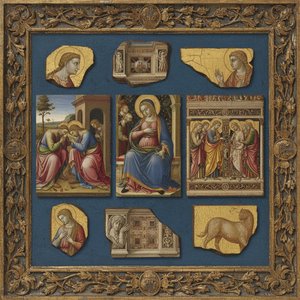
Proto-Renaissance Masters: 10 Artworks That Changed History | OriginalUniqueArt
Journey back to the dawn of Renaissance art! Explore 10 iconic Proto-Renaissance masterpieces by Giotto, Cimabue & Duccio. Discover their stories, techniques & lasting impact. Find museum-quality reproductions for your home at OriginalUniqueArt.com

Raphaeli 25 parimat teost: Renessansi meistriteosed kodus – OriginalUniqueArt.com
Avastage Raphaeli 25 parimat teost! Sukeldu renessanssimaali ilu, luksuslikesse portreedesse ja atmosfäärilistesse freskode. Leia inspiratsiooni kodukaunistuseks OriginalUniqueArt.com-is – kvaliteetsed maalide reproduktsioonid ja kunstikollektsioonid.
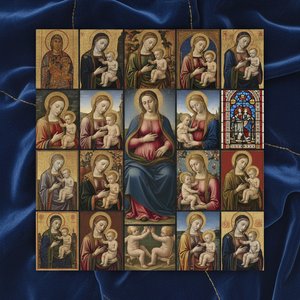
Divine Love: A Curated Guide to the Most Iconic Madonna and Child Masterpieces in Art History
Embark on a sophisticated journey through art history with our curated guide to the most iconic Madonna and Child masterpieces. Discover the profound beauty, theological depth, and enduring legacy of these sacred Renaissance treasures.
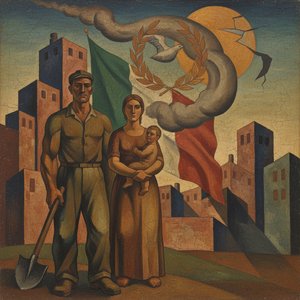
Mario Sironi: A Poetic of Modern Italian Identity Through Symbolism & Social Commentary
Explore the profound works of Mario Sironi, a key figure in Italian Modernism. Discover his evolution from Futurism to Metaphysical painting and his powerful social commentary. Learn about his legacy at OriginalUniqueArt.


