
 Eelvaade
 Saada
Saada Jaga
Jaga
 Teave teose kohta

 Laadi alla
 Sarnased teosed
 Röntgenuuring
 Slaidietendus
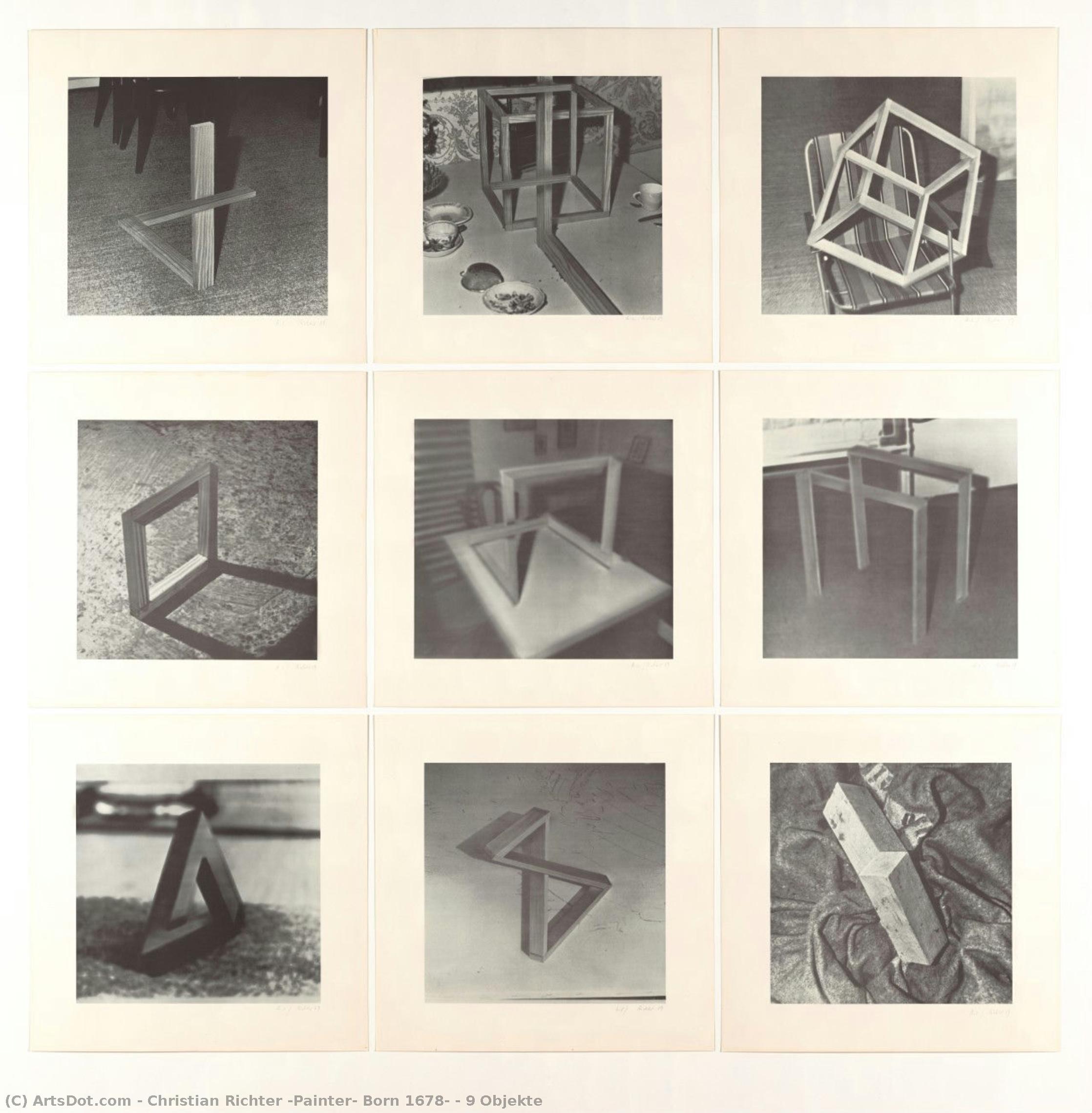
9 Objekte
 Acrylic On Canvas
- WallArt
- Contemporary Minimalism
 1969
1969 45.0 x 45.0 cm
 Serralvesi Fond
 Loe lähemalt
Käsitsi valmistatud õlimaalireproduktsioon
Meie kunstnike poolt tellimusel valmistatud käsitsi maalitud õli-kainaste teos teie soovitud suuruses ja raamis. ( Osta print Osta pilt)




P118B $10

P118H $10

P118W $10

P438Z $10

P508JH $12

P508YH $12

P805H $10

P805Z $10

P919BZ $10

P919G $10

P919XJ $10

P959ZH $10

P968JZ $12

W106C $8

W218G $10

W218JH $8

W218Y $10

W307PJ $10

W316G $10

W316PJ $8

W316Y $10

W398PJ $8

W4111J $10

W500HY $15

W500JH $15

W692G $12

W849H $8

W940BG $15

W953PJ $8




Vali meie eelmääratud suurused, mis vastavad teose algupärastele proportsioonidele.

Sa võite sisestada oma mõõtmed konkreetse raami või ruumi sobivuse tagamiseks. Kui teie valitud suurus ei vasta originaalpildi proportsioonidele, siis kärvime kunstiteost või laiendame maali täiendavate käsitsi maalitud elementidega. Enne tootmise algust saadetakse teile heakskiitmiseks digitaalne eelvaade.
Palun pidage meeles, et ekraanil kuvatav eelvaade ei kajasta tegelikku kärpimist või laiendamist. Ainult eelvaade näitab täpselt lõplikku kompositsiooni.
Kuigi on saadaval kohandatud suurused, soovitame originaalproportsioonide säilimiseks valida mõõdud eelmääratletud nimekirjast.
Pärast tellimust saadab OriginalUniqueArt.com meeskond kliendile e-posti juhised ning esitab eelvaate kavandi.
Maailmline tarne 3–4 nädala jooksul tavalise 5 nädala asemel. (18 august). Kvaliteedis kompromisse ei tehta.

Tasuta ekspresssaatmine üle maailma

Kõrgekvaliteediline linakangas

Täielik transpordikindlustus

Tollimaksude tagastamise garantii

Värvitoime täpsuse garantii

60-päevane tagastusõig: ainult tootmisdefektide korral

100% raha tagasi garantii

Hulgusoodustus
 Klaasivalik on saadaval ainult suuruses kuni 110 cm

9 Objekte
Reproduktsiooni tehnika
Reproduktsiooni suurus
-


Kogusumma
$ 300
Teose kirjeldus
A Study in Minimalism: Examining Gerhard Richter’s “Nine Objects”
Gerhard Richter's "Nine Objects," created in 1969, stands as a cornerstone of conceptual art and exemplifies the austere beauty of minimalist photography. This deceptively simple grid arrangement—nine monochrome photographs depicting various configurations of chairs and tables—immediately captivates with its deliberate reduction to form and color, prompting contemplation on perception and representation.
- Subject Matter: The artwork focuses squarely on the commonplace – furniture design – transforming familiar objects into subjects of artistic inquiry. Richter eschews narrative or emotional expression, prioritizing instead a meticulous exploration of spatial relationships and visual texture.
- Style & Technique: Richter’s approach is rooted in photographic realism combined with abstract manipulation. Each photograph captures a specific viewpoint, utilizing diffused natural light to illuminate the geometric shapes of the furniture pieces. The resulting grayscale palette enhances the sculptural quality of the images, emphasizing contours and shadows without distracting from their fundamental structure.
- Historical Context: Produced during the height of the Düsseldorf School of Painting’s influence—a movement dedicated to exploring the boundaries between painting and photography—"Nine Objects" reflects a broader artistic preoccupation with questioning traditional conventions. Richter's work aligns with the broader conceptual art movement, which challenged artists to consider ideas over visual aesthetics.
The deliberate lack of embellishment contributes significantly to the artwork’s emotional impact. Rather than inviting sentimentality or storytelling, Richter compels viewers to engage in a process of observation and interpretation. The repetition of the photographic grid reinforces this sense of detachment, mirroring the artist's intention to strip away superfluous elements and reveal the essence of visual experience.
- Symbolism: While devoid of overt symbolism, “Nine Objects” speaks volumes about the artist’s fascination with materiality and perception. The monochromatic tones symbolize purity and objectivity, mirroring Richter’s commitment to confronting the complexities of reality through a rigorously controlled aesthetic framework.
- Material & Process: Printed on wove paper using offset lithography, the artwork demonstrates Richter's mastery of photographic reproduction techniques. The subtle variations in surface reflectivity—particularly noticeable on some chairs—add textural nuance without compromising the overall minimalist aesthetic.
Ultimately, “Nine Objects” transcends its subject matter to become a meditation on visual language itself. It serves as a powerful reminder that art can communicate profound ideas through deceptively simple forms, inviting viewers to reconsider their assumptions about representation and perception.
Seotud artiklid

Monochrome Visions: Exploring the Aesthetic & Historical Significance of Black & White Photography
Explore the rich history & artistic power of black and white photography. From early techniques to iconic masters like Ansel Adams, discover why monochrome continues to captivate art lovers today. Expert insights for collectors.

Beyond the Lens: Photography's Enduring Influence on Modern & Contemporary Art
Explore photography's pivotal role in shaping modern & contemporary art. Discover key movements, influential artists like Stieglitz, and expert collecting advice from OriginalUniqueArt.

Pictorialism: A Search for Artistic Photography's Soul – Aesthetics, Techniques & Legacy
Explore the captivating world of Pictorialism – a pivotal movement that transformed photography into fine art. Discover key artists like Stieglitz & Käsebier, techniques, and collecting tips from experts.

The Lens of Truth: A Comprehensive History and Legacy of Documentary Photography
Explore the profound history of documentary photography. From early daguerreotypes to social reform movements, discover how the lens captures truth, preserves vanishing cultures, and shapes our global visual narrative through an expert art-historical lens.

Witnessing History Through Lens & Light: Documentary Photography's Enduring Legacy
Explore the powerful history of documentary photography – from its origins to contemporary masters like Gordon Parks & W. Eugene Smith. Discover how this art form shapes our understanding of society and witness pivotal moments in time.


