
 Eelvaade
 Saada
Saada Jaga
Jaga
 Teave teose kohta

 Laadi alla
 Sarnased teosed
 Röntgenuuring
 Slaidietendus
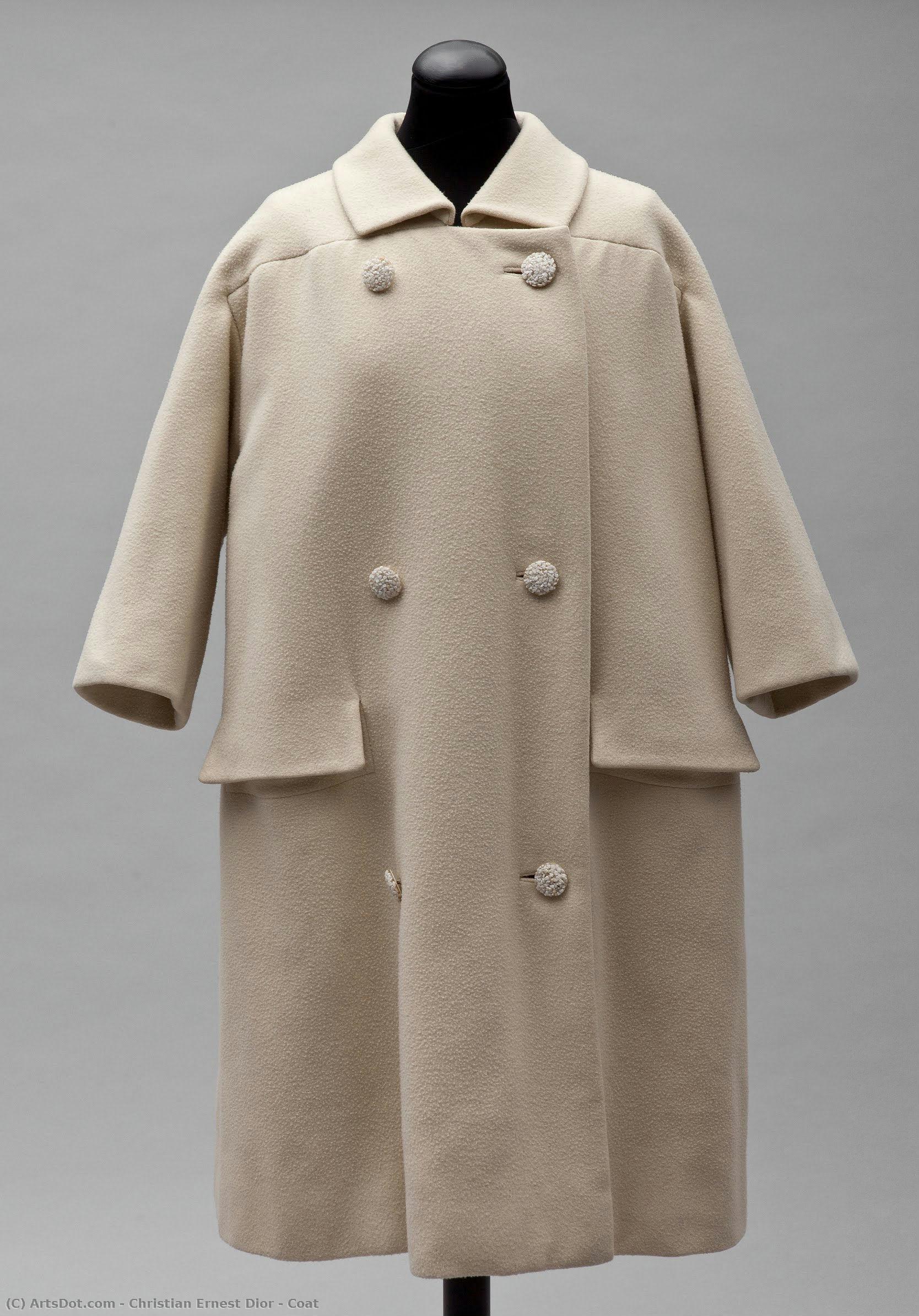
Coat


 Loe lähemalt
Giclée / Kunstiprint
Muuseumikvaliteediga giclée- või kangasprint kiire tootmisega ja paindlikud viimistlusvõimalused. ( Lülita käsitsi maalatud版本le Vaata pilti)




































Vali meie eelmääratud suurused, mis vastavad teose algupärastele proportsioonidele.

Saate sisestada oma mõõdud, et need sobiks konkreetse raami või ruumi sisse. Kui valitud suurus ei vasta originaalteose proportsioonidele, lõigame teose ära või laiendame pilti peegeldatud või ühtlase servaga. Enne tootmisprotsessi algust saadetakse Teie kinnitamiseks digitaalne näidis.
Palun märka, et ekraanil kuvatav eelvaade ei kajasta tegelikku lõigamist või laiendamist. Ainult näidis kujutab täpselt lõplikku kompositsiooni.
Kuigi erimõõdu on saadaval, soovitame originaaproportsioonide säilitamiseks valida mõõt ette määratud nimekirjast.
Ülemaailmne tarne () 2 nädala jooksul, tavalise 4/5 nädala asemel. (7 august)

Tasuta ekspresssaatmine üle maailma

Kõrgekvaliteediline linakangas

Täielik transpordikindlustus

Tollimaksude tagastamise garantii

Värvitoime täpsuse garantii

60-päevane tagastusõig: ainult tootmisdefektide korral

100% raha tagasi garantii

Hulgusoodustus
 Klaasivalik on saadaval ainult suuruses kuni 110 cm

Coat
Giclée / Kunstiprint
Reproduktsiooni suurus
-


Kogusumma
$ 80
Kogumuse kirjeldus
Kunstniku elulugu
The Dawn of a New Silhouette: Christian Dior’s Revolutionary Vision
Christian Ernest Dior, born in the coastal town of Granville, France, on January 21, 1905, was more than just a fashion designer; he was an architect of dreams, a sculptor of femininity who irrevocably altered the landscape of post-war style. His story is one woven with threads of artistic ambition, wartime resilience, and ultimately, the triumphant rebirth of elegance. Unlike many of his contemporaries who began sketching designs as children, Dior initially pursued studies in political science, a path dictated by familial expectations. However, the allure of art proved too strong to resist. He briefly opened an art gallery in Paris with financial support from his father, showcasing works by luminaries like Picasso and Dalí – a formative experience that instilled within him a deep appreciation for form, color, and the power of creative expression. The closure of the gallery due to economic hardship marked a turning point, leading Dior towards the world of fashion, initially through selling sketches before securing positions with Robert Piguet and later Lucien Lelong.Navigating Wartime Shadows: A Foundation Forged in Constraint
The outbreak of World War II cast a long shadow over Europe, profoundly impacting the fashion industry. During this period, Dior’s work at Lucien Lelong, while providing a livelihood, presented a complex moral landscape. Like many designers operating under occupation, he created garments for both French citizens and the wives of Nazi officers – a necessity for survival but one that would later be subject to scrutiny. However, it was during these years of austerity and restriction that Dior honed his skills, observing the subtle desires for beauty simmering beneath the surface of wartime practicality. The severe rationing, limited fabric availability, and utilitarian styles created a pent-up longing for opulence and extravagance, a yearning that would become the catalyst for his groundbreaking success. This period wasn’t merely about survival; it was an incubation period where Dior meticulously studied what women *wanted*, anticipating a dramatic shift in aesthetic preferences once liberation arrived.The ‘New Look’: A Revolution Unveiled
In 1946, with backing from Marcel Boussac, a powerful textile magnate, Christian Dior established his own fashion house. The debut of his first collection on February 12, 1947, was nothing short of sensational. Carmel Snow, the influential editor-in-chief of *Harper’s Bazaar*, famously christened it the “New Look,” and the name stuck. This wasn't simply a new style; it was a complete rejection of the boxy, masculine silhouettes that had dominated fashion during the war years. Dior reintroduced rounded shoulders, a cinched waist – achieved through innovative corsetry – and full, voluminous skirts cascading to mid-calf. The collection celebrated ultra-femininity, emphasizing curves, luxury fabrics, and an overall sense of joyous extravagance. It was a deliberate embrace of opulence, a defiant statement against the austerity that had defined the previous decade.Beyond the Silhouette: A Legacy of Innovation
Dior’s impact extended far beyond the iconic ‘New Look’. He understood that fashion wasn't just about clothing; it was about creating an entire lifestyle. He pioneered licensing agreements, expanding his brand into accessories, perfumes (Miss Dior remains a timeless classic), and even home décor. This strategic move not only generated substantial revenue but also solidified Christian Dior as a global empire. Each subsequent collection presented a new theme – “Carolle,” “Tulip,” and the revolutionary “A-line” in 1955 – demonstrating his constant pursuit of innovation and his ability to anticipate evolving tastes. He wasn’t afraid to experiment with shapes, textures, and historical references, seamlessly blending them into modern designs.An Enduring Influence: The Timeless Appeal of Dior
Christian Dior's tragically short career—he died in 1957 at the age of 52—left an indelible mark on the world of fashion. His emphasis on femininity, luxury, and meticulous craftsmanship continues to inspire designers today. While his designs were initially met with some resistance from those accustomed to wartime practicality, they ultimately captured the collective imagination, offering a renewed sense of hope and optimism in the aftermath of conflict. The House of Dior remains one of the most prestigious fashion houses globally, a testament to the enduring power of its founder’s vision. His legacy isn't just about beautiful clothes; it’s about empowering women through style, celebrating their individuality, and reminding them of the transformative magic of elegance.
christian ernest dior
1905 - 1957 , France
Lühikesed faktid
- Artistic Movement Or Style: Haute Couture
- Artists Or Movements Influenced By This Artist: ['Postmodernism']
- Artists Who Influenced This Artist: ['Coco Chanel']
- Date Of Birth: January 21, 1905
- Date Of Death: October 24, 1957
- Full Name: Christian Ernest Dior
- Nationality: French
- Notable Artworks:
- Two-piece dress in navy blue silk taffeta with cream foulard pattern
- Dress with Stole
- Coat Dress
- Place Of Birth: Granville, France

