

 Eelvaade
 Saada
Saada Jaga
Jaga
 Teave teose kohta
 Juhend

 Laadi alla
 Sarnased teosed
 Röntgenuuring
 Slaidietendus
 Q&A
Q&A Statistika
Rachel Weeping


 Loe lähemalt
Giclée / Kunstiprint
Muuseumikvaliteediga giclée- või kangasprint kiire tootmisega ja paindlikud viimistlusvõimalused. ( Osta käsitsi maalatud teos Lülita digitaalse pildi juurde)




P118B €10

P118H €10

P118W €10

P438Z €10

P508JH €12

P508YH €12

P805H €10

P805Z €10

P919BZ €10

P919G €10

P919XJ €10

P959ZH €10

P968JZ €12

W106C €8

W218G €10

W218JH €8

W218Y €10

W307PJ €10

W316G €10

W316PJ €8

W316Y €10

W398PJ €8

W4111J €10

W500HY €15

W500JH €15

W692G €12

W849H €8

W940BG €15

W953PJ €8




Vali meie eelmääratud suurused, mis vastavad teose algupärastele proportsioonidele.

Sisestage vajalik laius ja kõrgus, et see sobiks teie raamile või seinale. Trükki saab ainult lõigata, seda ei saa kunagi pildist suuremaks teha, seega ka erineva mustega suurus kaotab osa pildist. Enne trükkimist saadame teile kinnitamiseks digitaalse näidisprojektsiooni. Sellel lehel näidatud pilt ei kujuta reaalset lõiget — seda näitab ainult näidisprojektsioon.
Ülemaailmne tarne () 2 nädala jooksul, tavalise 4/5 nädala asemel. (28 oktoober)

Tasuta ekspresssaatmine üle maailma

Kõrgekvaliteediline lina-kangas

Täielik transpordikindlustus

Tollimaksude tagastamise garantii

Värvitoime täpsuse garantii

100 päeva tagastusõigus (ainult valmistusdefektide korral)

100% raha tagasi garantii

Hulgusoodustus
 Klaasivalik on saadaval ainult kuni 110 cm suuruses teostes

Rachel Weeping
Giclée / Kunstiprint
Reproduktsiooni suurus
-


Koguhind
€ 71
The Haunting Beauty of Loss
Charles Willson Peale’s “Rachel Weeping,” painted in 1772, isn't merely a portrait; it’s a visceral embodiment of sorrow, a poignant meditation on loss and the enduring bonds of family. The painting depicts Rachel Peale, Charles’s wife, mourning the death of their child – a tragedy that struck deeply within the heart of this prominent American artist and his family. Yet, despite its subject matter, “Rachel Weeping” transcends mere grief to become a powerful statement about resilience, faith, and the enduring nature of love.
Peale’s decision to immortalize this moment of profound sorrow was revolutionary for its time. Rather than shy away from depicting the raw emotion of bereavement, he embraced it with unflinching honesty. The composition immediately draws the viewer in – a woman enveloped in shadow, cradling her lifeless infant, a scene both heartbreaking and strangely dignified. It’s a stark departure from the idealized depictions of motherhood prevalent in earlier art, offering instead an intimate glimpse into the depths of human suffering.
Neoclassical Elegance Meets Emotional Intensity
Stylistically, “Rachel Weeping” masterfully blends elements of Neoclassicism with Romanticism. Peale’s training under Benjamin West, a leading figure in the British Neoclassical movement, is evident in the painting's carefully rendered details – the delicate folds of Rachel’s garments, the precise modeling of her face, and the restrained palette dominated by muted browns, grays, and creams. However, beneath this formal elegance lies an undeniable surge of emotional intensity. The use of chiaroscuro—the dramatic contrast between light and shadow—heightens the sense of drama and underscores the painting’s central theme of grief. Notice how the light gently illuminates Rachel's face, highlighting her sorrowful expression while leaving much of the background shrouded in darkness.
Peale’s technique is remarkably skillful. He employs a loose brushstroke to create a sense of movement and immediacy, capturing the raw emotion of the scene with remarkable sensitivity. The positioning of the child – nestled close to Rachel's chest, its head resting on her shoulder – speaks volumes about the profound connection between mother and child, further amplifying the painting’s emotional impact.
Symbolism and a Testament to Family
The symbolism within “Rachel Weeping” is layered and deeply resonant. The inclusion of other figures in the background—a man standing behind Rachel and another positioned further back on the right—suggests a wider family circle, emphasizing the communal nature of grief. The presence of medical bottles hints at the era’s limited understanding of illness and death, adding a layer of historical context to the scene. Most powerfully, Rachel's posture – her head bowed in sorrow, her hands clasped protectively around the child—evokes the iconography of the Madonna and Child, transforming her grief into a sacred act of mourning.
Peale’s decision to paint this image after the loss of his own children underscores the profound personal connection he felt to the subject matter. “Rachel Weeping” is not simply a portrait; it's a deeply felt expression of love, loss, and the enduring strength of the human spirit. It remains a hauntingly beautiful testament to the complexities of family life and the universal experience of grief.
A Legacy of Emotional Depth
“Rachel Weeping” holds a significant place in American art history as one of the earliest examples of a portrait confronting difficult emotions with such directness. Its emotional honesty and technical skill continue to resonate with viewers today, prompting reflection on themes of loss, family, and the enduring power of human connection. Reproductions of this iconic painting offer a powerful opportunity to experience Peale’s masterful artistry and contemplate the profound beauty that can be found even in moments of deepest sorrow.
Korduvad küsimused
Mis aastal loodi teos „Rachel Weeping“, autor Charles Willson Peale?
Teose „Rachel Weeping“, autor Charles Willson Peale loomimisaastaks on märgitud 1772.
Kui palju inimesi vaatab teost "Rachel Weeping"?
Teose „Rachel Weeping“, autor Charles Willson Peale statistika on saadaval teose lehel Statistika: teose kuukaudsed külastused, kunstniku teoste külastused ning viimaste külastajate riikide ja keelte jaotus.
Kas ma saan teost „Rachel Weeping“, autor Charles Willson Peale enne tellimist eelvaatata?
Leht Eelvaade teose "Rachel Weeping" kohta võimaldab teil teost enne tellimist eelvaatata.
Kunstniku elulugu
Charles Willson Peale: Elu, kunst ja revolutsiooniline vaim
Charles Willson Peale (15. aprill 1741 – 22. veebruar 1827) oli Ameerika maalikunstnik, naturalist ja muuseumi asutaja, kes kehastas valgustusajastu ideaale. Tema elu oli täis kunstilist kirge, teaduslikku uudishimu ja sügavat patriootilisust. Peale ei olnud pelgalt portreemaalija; ta oli oma aja dokumenteerija, hariduse propageerija ning Ameerika identiteedi kujundaja.
Varajane Elu ja Kunstiline Koolitus
- Peale’i varajast elu varjutas isa surm, mis tõi kaasa finantsilised raskused. Enne kunsti avastamist õppis ta sadulseppaks.
- Esialgse kunstihariduse sai ta John Hesseliuse juures ning lühikest aega õppis ta ka John Singleton Copley käe all, mis näitas varakult tema annet portreekunstis.
- Oluline etapp tema arengus oli Benjamin Westi juures Londonis õppimine (1767-1770). See tutvus Euroopa kunstisuundadega mõjutas oluliselt tema stiili.
Kunstiline Karjäär ja Põhitööd
Portreekunst: Peale on kõige tuntum Ameerika revolutsiooni silmapaistvate tegelaste portreedest, sealhulgas arvukatest George Washingtoni kujutustest (kokku ligi kuuskümmend). Need portreed on väärtuslikud ajaloolised dokumendid ning kunstilised saavutused.
Stiil: Tema stiil arenes aja jooksul, algselt mõjutasid Westi neoklassitsistlikud lähenemised, kuid hiljem lisandus realism ja soov tabada täpset sarnasust. Peale püüdles oma portreedes psühholoogilise sügavuse poole, püüdes edasi anda modellide iseloomu ja staatust.
- George Washington (1772): Tähistas tema pika seose algust Washingtoniga. See portree kujutas Washingtoni noore ohvitserina ning sai kiiresti populaarseks, aidates luua rahvusliku kangelase imidži.
- The Staircase Group (c. 1795): Striktne näide trompe l'oeil tehnikast, kujutades tema poegi Raphaeli ja Titiani nii, nagu nad oleksid osa arhitektuurilisest keskkonnast. See töö demonstreerib Peale’i virtuoosset tehnilist oskust ning huvi ilusi ja reaalsuse piiride vastu.
Teaduslikud Püüdlused ja Peale'i Ameerika Muuseum
Peale oli kirglik naturalist ja teadlane, kes organiseeris ekspeditsioone loodusuuringute läbiviimiseks. Ta asutas Philadelphias Peale’i Ameerika Muuseumi (1784), mis oli üks esimesi muuseumeid Ühendriikides. Seal olid väljas botaanilised, bioloogilised ja arheoloogilised eksponaadid.
- Muuseum mängis olulist rolli teaduse ja hariduse populariseerimisel Ameerikas. Ta oli eriti tuntud mammutide luude väljapanekute poolest, mis saadi 1801. aastal toimunud ekspeditsiooni tulemusel.
- Ta õppis ise taksidermiat, et säilitada muuseumi eksponaate, demonstreerides oma mitmekülgseid oskusi ja pühendumust teadusele.
Pärand ja Ajalooline Tähtsus
Peale’i töö ühendab kunsti ja teaduse, peegeldades valgustusajastu ideaale. Tema portreed pakuvad hindamatuid visuaalseid registreid Ameerika ajaloo võtmeisikutest.
- Peale'i Ameerika Muuseumi asutamine oli pioneeritöö, mis aitas kindlustada muuseumi olulist rolli hariduses ja teaduslikus uurimises. See muuseum sai keskpunktiks loodusuuringutele ning avalikule arutelule teaduse tähtsusest.
- Ta mõjutas järgnevaid kunstnike ja teadlaste põlvkondi, andes olulise panuse Ameerika kultuuri arengusse. Tema poeg James Peale ja Rubens Peale said samuti tuntud kunstnikuks ning aitasid muuseumi kogumiku rikastamisele kaasa.
- Peale’i pärand on tänini nähtav tema töödes, mis asuvad paljudes Ameerika muuseumides ja erakollektsioonides. Tema portreed pakuvad meile ainulaadse sissevaate Ameerika revolutsiooni ajastusse ning selle silmapaistvate tegelaste maailma.

Charles Willson Peale
1741 - 1827 , Ühendriigid
Lühikest infot
- Artistic Movement Or Style: Neoklassitsistlik maalikunst
- Artists Who Influenced This Artist:
- John Hesselius
- John Singleton Copley
- Benjamin West
- Date Of Birth: 15. aprill 1741
- Date Of Death: 22. veebruar 1827
- Full Name: Charles Willson Peale
- Nationality: Ameeriklaste
- Notable Artworks:
- Staircase Group
- George Washington portreed
- Place Of Birth: Chester, Suurbritannia
Sarnased artiklid

Titian Ramsay Peale II: A Legacy of Botanical Precision & Artistic Innovation
Explore the life & art of Titian Ramsay Peale II, a master of botanical precision and wildlife painting. Discover his legacy bridging art & natural history at OriginalUniqueArt.

Echoes of Loss: Exploring Representations of Grief Across Art History
Explore the profound history of grief in art, from Renaissance masterpieces to Baroque drama. Discover how artists captured loss, mourning & faith through powerful imagery. Expert insights at OriginalUniqueArt.

Echoes of Absence: Loss & Grief in Visual Art Through the Ages
Explore the profound history of grief in art, from Renaissance masterpieces to contemporary expressions. Discover how artists have captured loss, mourning, and mortality through powerful imagery & symbolism. OriginalUniqueArt offers expert insights.

Charles Willson Peale: Portraiture, Enlightenment Ideals & Shaping American Identity
Explore the life & art of Charles Willson Peale – Revolutionary portraitist, scientist, and founder of America’s first museum. Discover his iconic paintings of Washington & the Enlightenment ideals that shaped a nation.
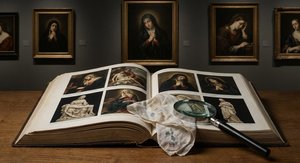
The Visceral Language of Loss: Exploring Grief's Depiction in Art History
Explore the profound history of grief in art with OriginalUniqueArt. Discover Renaissance & Baroque masterpieces depicting loss, mourning, and faith. Expert insights & handmade reproductions available.