

 Eelvaade
 Saada
Saada Jaga
Jaga
 Teave teose kohta
 Juhend

 Laadi alla
 Sarnased teosed
 Röntgenuuring
 Slaidietendus
 Q&A
Q&A Statistika
The Repentant Magdalen
 Oil On Canvas
- WallArt
- Baroque Classicism
 1655
1655 252.0 x 171.0 cm
 Louvre'i muuseum
 Loe lähemalt
Giclée / Kunstiprint
Muuseumikvaliteediga giclée- või kangasprint kiire tootmisega ja paindlikud viimistlusvõimalused. ( Osta käsitsi maalatud teos Lülita digitaalse pildi juurde)




P118B €10

P118H €10

P118W €10

P438Z €10

P508JH €12

P508YH €12

P805H €10

P805Z €10

P919BZ €10

P919G €10

P919XJ €10

P959ZH €10

P968JZ €12

W106C €8

W218G €10

W218JH €8

W218Y €10

W307PJ €10

W316G €10

W316PJ €8

W316Y €10

W398PJ €8

W4111J €10

W500HY €15

W500JH €15

W692G €12

W849H €8

W940BG €15

W953PJ €8




Vali meie eelmääratud suurused, mis vastavad teose algupärastele proportsioonidele.

Sisestage vajalik laius ja kõrgus, et see sobiks teie raamile või seinale. Trükki saab ainult lõigata, seda ei saa kunagi pildist suuremaks teha, seega ka erineva mustega suurus kaotab osa pildist. Enne trükkimist saadame teile kinnitamiseks digitaalse näidisprojektsiooni. Sellel lehel näidatud pilt ei kujuta reaalset lõiget — seda näitab ainult näidisprojektsioon.
Ülemaailmne tarne () 2 nädala jooksul, tavalise 4/5 nädala asemel. (28 oktoober)

Tasuta ekspresssaatmine üle maailma

Kõrgekvaliteediline lina-kangas

Täielik transpordikindlustus

Tollimaksude tagastamise garantii

Värvitoime täpsuse garantii

100 päeva tagastusõigus (ainult valmistusdefektide korral)

100% raha tagasi garantii

Hulgusoodustus
 Klaasivalik on saadaval ainult kuni 110 cm suuruses teostes

The Repentant Magdalen
Giclée / Kunstiprint
Reproduktsiooni suurus
-


Koguhind
€ 71
The Repentant Magdalen: A Study in Sorrow and Redemption by Charles Le Brun
Charles Le Brun’s “The Repentant Magdalen,” painted in 1655, is more than just a portrait; it's a profound meditation on human fallibility, spiritual yearning, and the arduous path to redemption. Housed within the hallowed halls of the Louvre Museum in Paris, this oil-on-canvas masterpiece immediately draws the viewer into a world of intense emotion and carefully constructed symbolism. Le Brun, a pivotal figure in 17th-century French art, masterfully employs his signature *chiaroscuro* technique – a dramatic interplay of light and dark – to sculpt the subject’s form and amplify her inner turmoil. The painting isn't merely depicting a scene; it’s conveying an experience.
Le Brun’s artistic development was shaped by a rigorous training, beginning with Simon Vouet and progressing through studies in Rome under the tutelage of Nicolas Poussin. This Roman influence is evident in the work’s classical composition and its emphasis on idealized beauty, tempered by a deep understanding of human psychology. The color palette itself contributes significantly to the painting's mood – warm earth tones dominate, punctuated by cooler blues that suggest both melancholy and a nascent hope. The meticulous detail with which Le Brun renders fabric—the folds of her dress, the texture of her shawl—grounds the scene in a tangible reality while simultaneously elevating it to a realm of symbolic significance.
Symbolism Woven into the Canvas
“The Repentant Magdalen” is rich with layers of symbolism, inviting multiple interpretations. The most immediate symbol is undoubtedly the woman herself – traditionally believed to be Mary Magdalene. Her posture, hands clasped to her face in a gesture of profound sorrow, speaks volumes about past transgressions and a desperate desire for atonement. The vibrant red of her dress, often interpreted as representing her former life of sin and indulgence, stands in stark contrast to the muted tones surrounding her. However, it’s not simply a symbol of shame; within the context of Christian iconography, red can also signify sacrifice and passion.
Beyond the figure, several other elements contribute to the painting's complex narrative. The books scattered around her suggest a period of introspection and spiritual study – a commitment to seeking forgiveness and understanding. The suitcase in the foreground hints at a journey undertaken, perhaps one of self-discovery or exile, while the castle-like structure in the background could represent both earthly temptations and the promise of salvation. Even the lighting itself plays a symbolic role, with the light falling primarily on her face, illuminating her sorrow and highlighting her vulnerability.
Le Brun’s Technique and Historical Context
Charles Le Brun's skill as a painter is undeniable, but it’s his ability to imbue his work with psychological depth that truly sets “The Repentant Magdalen” apart. He wasn’t simply replicating reality; he was translating an emotional experience onto canvas. His mastery of *chiaroscuro* creates a dramatic sense of volume and form, drawing the viewer's eye directly to the subject’s face and emphasizing her expressive gestures. The subtle gradations of color and light contribute to a feeling of intimacy and immediacy, as if we are witnessing this moment of profound sorrow firsthand.
Painted during Louis XIV’s reign, “The Repentant Magdalen” reflects the artistic sensibilities of the French Baroque period – a time of opulent grandeur and intense religious fervor. Le Brun served as one of the King's most trusted artists, executing numerous commissions for the royal court and shaping the visual language of the era. His work exemplifies the Royal Academy’s emphasis on classical ideals combined with dramatic emotional expression, a hallmark of French Baroque art. The painting stands as a testament to his influence and his ability to capture the complexities of human emotion within a meticulously crafted composition.
A Timeless Masterpiece
“The Repentant Magdalen” is more than just a beautiful painting; it’s a powerful meditation on themes that resonate across centuries. It invites contemplation on the nature of sin, redemption, and the enduring human struggle to find meaning in life. Whether you are an art historian, a collector seeking a significant addition to your collection, or simply someone who appreciates exquisite artistry, this masterpiece offers a profound and moving experience. Consider acquiring a hand-painted reproduction from OriginalUniqueArt.com – a faithful representation of Le Brun’s genius that will grace your home with its timeless beauty and evocative power.
Korduvad küsimused
Mis tüüpi teos on "The Repentant Magdalen"?
„The Repentant Magdalen“, autor Charles Le Brun on klassifitseeritud kui WallArt. See kategooria kirjeldab originaalteose kunstivormi.
Kas teosele „The Repentant Magdalen“, autor Charles Le Brun on olemas juhend?
Teose „The Repentant Magdalen“, autor Charles Le Brun Õppekasutusjuhend leht pakub trükkideletavat kahele lehele jaotatud infolehte: teose koos identifiekatsiooniga, ajajooni, mis asetab selle kunstniku eluajale, muid kunstniku teoseid, mõõdetud väripaletti ning neljas stiilis kopeerimiseks valmis allatlusi.
Milline suurus on soovituslik teosele "The Repentant Magdalen" ruumis Living Room?
Teose „The Repentant Magdalen“, autor Charles Le Brun soovitatav trükimõõt Living Room jaoks on Large.
Kunstniku elulugu
Varasem ja koolitus
- Sünnud: Pariis, Prants (1619)
- Baptiseeritud: 24. februaaril 1619
- Surnud: 12. februaaril 1690 Pariis, Prantsi kuningriik
- Charles Le Brun näitas kunstlikku talendi juba varastalt. Isejärel olevatel luuletulde alguses sisestas ta Simon Voueti ateljees Kansakirjaniku Séguier mecenasna all.
- Ta õppis edasi François Perrierilt ja sai varaseid encomendaid Kardinaal Richelieuilt, näites juba kolmtoista-vuotisesse ajast suurepärase oskuse.
- Tema arengu keeruline periood oli nelja aastane elamine Roomas (1642–1646), kus ta töötas Nicolas Poussini juhivusel. See kogemus mõjutas sügavuti tema kunstlikku stiili ja kunsti teoreetilist mõistmist.
- Selle aja jooksul õppis Le Brun antiika Rooma skulptuurit ning kopeeris Raphaeli teoseid, võttes absorbeerida mõju nii klassikust antiikust kui ka samapäevaste Itaalia mestritest.
Kunstiline areng ja stiil
- Pärast 1646. aastal Pariisi tagastulekut sai Le Brun kiiresti tunnustuse ja mecenasid. Tema varane stiil peegeldas Voueti ja Poussini mõju, kuid ta arendas aeglaselt isikumma lähenemist.
- Le Bruni kunstiline evolutsioon hõlmaste klassikajooksude rangest järgimisest eemale liikumist kohemasse, keerulisemasse ja väljakutsevilisse Barokki stiili.
- Ta tei tunnustatud oma grandioossete ajalooliste maalide, portreerte ja dekoratiivsete tööde eest, mida iseloomustavad sageli dramaatilised kompositionsed, rikkad värvid ja hoolikas detail.
- Olulise teose sarja, mis kuvas Aleksanderes Suure ajalugu, näitas tema võime kombineerida ajaloolist narratiivi kunstlikuga grandioosusega.
Peamised saavutused ja kuninglik teenistus
- Le Bruni karjäär jõudis oma huipunisse Louis XIV valehus, kes nimetas ta 1664. aastal Kuningatele esimese maaliku. See ametikoht andis talle hiiliste mõju Prantsuse kunstil.
- Ta osotas kriitilist rolli Versaile palatsi dekoratemingul, luues ikoonilised teosed nagu Ambaasjöride trepp, Peegeldude saal ja Rühmad rahu ning sõda. Need projektid kinnitasid tema mainet suurepärase dekoratorina ja disainerina.
- Le Brun oli vastu võtta ka palju skulptuure Versaile aadte baumi, näites oma mitmekülgsetuse erinevate kunstivärgite läb.
- Ta asutas 1648. aastal Académie Royale de Peinture et de Sculpture (Kuninglik maali- ja skulptuurakadeemia), kinnitades oma positsiooni Prantsuse kunstmaailmas juhtena. Ta teenis selle direktorina palju aastaid.
Mõju ja ajalooline tähtsusega
- Charles Le Bruni mõju Prantsuse kunstil oli sügav. Tema töö aitab definitsioneerida Barokki stiili Prantsus ning tegi teda üheks oma aja kõige olulisemast kunstnikust.
- Teoretikina rõhutas ta intellektuaalse osalemise tähtsust puhtalt visuaalseimatega üle, muuldes kunstlikku õppimist tulevaste põlgenerationite jaoks.
- Tema dekoratiivsed skeemid Versailis seadutasid standardi kuninglike palatsidele kogu Euroopas.
- Le Bruni pärand venib tema individuaalistest teostest üle; ta osotas elutähtsa rolli Prantsuse kunsti paigutamisel ja edastusel rahvusvahelises arengul.

Charles Le Brun
1619 - 1690 , Prantsus
Lühikest infot
- Artistic Movement Or Style: Barok
- Artists Who Influenced This Artist:
- Nicolas Poussin
- Simon Vouet
- Date Of Birth: 24. februaar 1619
- Date Of Death: 12. februaar 1690
- Full Name: Charles Le Brun
- Nationality: Prantsuse
- Notable Artworks:
- Ambassadors’ Staircase
- Hall of Mirrors
- Peace and War Rooms
- Place Of Birth: Pariis, Prantsus
Sarnased artiklid

Baroki draama ja luksus: Kuidas ajalooline elegants kaasaegsesse interjööri tuua
Avastage baroki maalide võlu OriginalUniqueArt'is! Käsitsi valmistatud reproduktsioonid, fotodest maalid ja ekspertkonsultatsioonid. Toome ajaloolise elegantsi Teie interjööri. Kvaliteet garanteeritud!

Louvre'i 25 suurimat meistriteost: Kunstiajalugu ja kodukaunistus OriginalUniqueArt.com-is
Avastage Louvre'i 25 suurimat meistriteost! Mona Lisa, Winged Victory ja teised ikoonilised maalid ja skulptuurid. Kunstiajalugu, prantsuse kunst ja luksuslikud reprodutseerimised OriginalUniqueArt.com-is. Vaadake kollektsiooni!
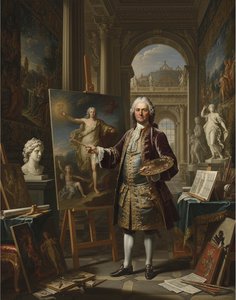
Charles Le Brun: Master of French Baroque Classicism & His Enduring Legacy
Explore the life & art of Charles Le Brun, master of French Baroque Classicism. Discover his royal commissions, influence on Versailles, and enduring legacy through detailed analysis & stunning artworks.

The Dramatic Flourish: Exploring the Baroque Movement's Enduring Legacy in Art History
Explore the dramatic world of Baroque art! Discover iconic artists like Caravaggio & Rubens, defining techniques, and its lasting impact on art history. Expert insights for collectors & enthusiasts at OriginalUniqueArt.
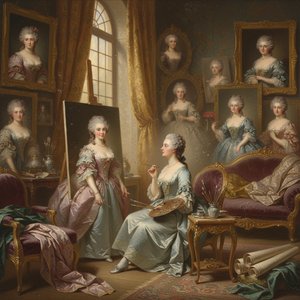
Vigée Le Brun: Portraiture, Patronage & Feminine Identity in 18th-Century France
Explore the life & art of Louise Élisabeth Vigée Le Brun, Marie Antoinette’s renowned portraitist. Discover her Rococo style, self-portraits, and influence on 18th-century French painting. A deep dive into patronage & feminine identity.