

 Eelvaade
 Saada
Saada Jaga
Jaga
 Teave teose kohta
 Juhend

 Laadi alla
 Sarnased teosed
 Röntgenuuring
 Slaidietendus
 Q&A
Q&A Statistika
Taking in the Lobster Pots
 Oil On Canvas
- WallArt
- Irish academic realism
 Modern
 49.0 x 59.0 cm
 Loe lähemalt
Hankige trükiivaldatav fail, mis on kvaliteedilt palju parem kui veebilehel näidatud eelvaade. Kõik meie müüdavad digitaalsed pildid pärinevad meie arhiivist kõrge resolutsiooniga originaalfailidest — tavaliselt 5000 kuni 15 000 pikslit laiust — nii et saate julgelt trükida suurematsat, lüüdist teha või detailset sisu reproduktsiooni teha.
Meie stuudiost ei lahtu ükski fail puutumatuna. Digiekpert võrdleb värve algsest maalistimusega ja vajadusel korrigeerib neid, seejärel parandab selgust ja detaile professionaalsete retušimisvahendite abil — püüdes alati jääda truudeks kunstniku pintoonile ja stiilile. Tulemuseks on pilt, mis näeb välja nagu maali, mitte nagu filtreeritud skann.
Teet kinnituse enne lõplikku valmimist: meie ekspert saadab pildi 72 tunni jooksul e-posti ülevaatamiseks. Ei ole rahul? Paluge parandusi või korrektsioone ning kui kvaliteet ei vasta ootustele, võite paluda tagastamist.
See on kvaliteet, millele tuguvad väljaandjad, disainistuudiod, galeriid ja trükikojad.
Digitaalne kunstiteos
Laadi alla kõrge resolutsiooniga fail isiklikuks vaatamiseks, trükkimiseks ja loomingulisteks projektideks. ( Lülita trükkitoodetele Osta käsitsi maalatud teos)
Sisse kuulub iga digitaalse pildi tellimusega
Eksperdi digitaalne kohaletoimetamine, garanteeritud
Valides OriginalUniqueArt.com, ei saa sa lihtsalt pilti – saad professionaalselt parandatud digitaalse teose, mida on valmistatud täpsusega ja mis on toetatud rahuldamatusgarantiiga. Siin on kõik, mis sinu tellimusega automaatselt kaasneb:

Kiire digitaalne edastus
Teie kõrge resolutsiooniga digitaalne pildifail saadetakse teile e-posti 72 tunni jooksul pärast tellimist – kohe kasutamiseks valmis.

Tehisintellektiga täiustatud digitaalne fail
Teie teos on professionaalselt optimeeritud arenenud tehisintellekti tööriistade ja käsitsi redigeerimise abil, tagades maksimaalse detailitaseme, selguse ja värvitäpsuse.

Tasuta eluaegne uuesti saatmine
Kas kustutasid faili kogukalu unustamisel või kustutamisel? Puudub mure – saad selle uuesti igal ajal ilma lisatasuta.

Puuduvad importimaksud – alati
Nautige oma teoseid koheselt ilma tolli-, maksude või tarnimaskuludeta – digiletchargused on alati maksuvabadud.

Värvitäpsuse garantii
Me tagame, et teie digitaalne pilt kajastaks originaali värve professionaalsete tööriistade ja värvihalduse abil võimalikult täpselt.

100 päeva rahuldamatuse garantii
Kui te ei ole oma digitaalse pildi eest rahul, siis me parandame seda või tagastame 100% summast 100 päeva jooksul – küsimusteta.

100% raha tagastamise garantii
Ei ole rahul? Saate täielise tagastaja 100 päeva jooksul pärast digitaalse faili kättesaamist – ilma küsimusteta.

Suurema tellimuse soodustused
Osta 3 pilti, säästa 10% - Osta 5, säästa 15% - Osta 10+, säästa 20%. Sobib suurepäraselt loomingulisteks projektideks, galeriideks ja agentuurideks.
The Rhythm of the Shoreline
In this oil on canvas, we find ourselves drawn to a moment of shared labor along a quiet dock. A group of men is gathered, their bodies engaged in the heavy, repetitive task of loading lobster pots onto a boat. The vessel itself sits toward the right of the frame, its hold already partially filled with the woven traps. There is a certain groundedness to the scene, a sense of weight and purpose that comes from watching hands work in unison. Amidst this human industry, two cows wander through the composition—one positioned near the center-right and another further to the left—adding a layer of pastoral stillness to the maritime activity. The presence of these animals suggests a landscape where the sea and the land are not separate worlds, but parts of a single, breathing existence.
The brushwork here is controlled yet broad. There is a restrained use of impasto that builds a tactile texture across the surface, allowing the viewer to feel the physical presence of the dock and the ruggedness of the equipment. The light does not demand attention through brilliance; instead, it settles softly over the scene, illuminating the textures of the wood and the heavy clothing of the workers. It is an approach that favors substance over ornament.
A Study of Coastal Life
The painting captures a way of life defined by the tides and the seasonal rhythms of the coast. There is no pretense in the depiction of these men; their toil is presented with a quiet dignity, stripped of any unnecessary drama. The composition focuses on the reality of the work—the movement of the pots, the positioning of the figures on the dock, and the steady presence of the livestock nearby. It reflects a period when the traditions of fishing communities were deeply intertwined with the local landscape.
Through this work, we see an interest in documenting the textures of a specific environment. The artist uses a palette that feels connected to the earth and the sea, avoiding anything too theatrical. By focusing on these ordinary, repetitive tasks, the painting achieves a sense of permanence. It is a quiet observation of a moment caught between the labor of the day and the coming evening, preserved through a technique that respects the gravity of the subject matter.
Korduvad küsimused
Milline „Taking in the Lobster Pots“, autor Charles Lamb trükkimõõt sobib soovitud ruumile?
Soovitatav kombinatsioon teosele „Taking in the Lobster Pots“, autor Charles Lamb: Small trükis Coffee Shop-s.
Kuidas materjal ja suund teoses "Taking in the Lobster Pots" kokku saavad?
Teoses "Taking in the Lobster Pots" kohtuvad Oil On Canvas tehnika ja Irish academic realism suundumus.
Milline on teose „Taking in the Lobster Pots“, autor Charles Lamb emotsionaalne toon?
Teos "Taking in the Lobster Pots" on seotud Nostalgic tundega. Emotsionaalne toon kirjeldab teose tekitavat muljet.
Kunstniku elulugu
The Apprentice of Portadown
A young man works under his father in the streets of Portadown, County Armagh. The air carries the scent of fresh paint and plaster as Charles Vincent Lamb learns the trade of a housepainter and decorator. This early apprenticeship provides more than just technical skill; it builds a foundation for a life defined by texture and surface. By 1913, his precision earns him a gold medal as Housepainter of the Year.
The evening hours belong to the Belfast School of Art. Here, he studies life drawing, honing an eye for the human form. A scholarship in 1917 shifts his trajectory toward the Dublin Metropolitan School of Art. Under the guidance of Seán Keating, his vision begins to expand beyond the borders of Ulster. He moves through a period of intense formal study, absorbing the techniques that will later define his approach to the canvas.
The Connemara Light
A first visit to Carraroe in 1921 changes everything. The rugged landscape of the West of Ireland presents a new reality of stone, sea, and tradition. He returns repeatedly, eventually building a cottage in Carrarō in 1935. This is no longer just a place of study; it is his home. He finds a deep connection to the Gaeltacht, documenting the rhythms of fishing families and the dignity of those engaged in maritime labor.
The brushwork reflects this environment. He works rapidly on warm-toned surfaces, attempting to catch the shifting moods of the Atlantic coast. His technique utilizes a controlled yet broad application of paint, with restrained impasto that gives physical depth to rocks and wooden piers. In works like Curragh and Hookers at a Pier, Connemara, the stillness of the water meets the heavy texture of the boats. He captures the way light interacts with the surface, mimicking the clarity of a coastal day.
A Record of Identity
His canvases do more than depict scenery; they document a way of life. Through portraits and landscapes, he chronicles the traditions of the Aran Islands and the coastal communities that seemed under threat from modernity. He paints the locals with a sense of heroism, contributing to a specific national identity within the context of the Irish Free State. His subjects—fishermen, women knitting, or dancers at a crossroads—are treated with a steady, unhurried gaze.
His career reaches significant milestones through various institutions and exhibitions:
- Royal Hibernian Academy: Elected as an Associate in 1923 and receiving full membership in 1938.
- Royal Ulster Academy: Achieved membership within this prestigious body.
- International Presence: Exhibited his work in London, New York, Chicago, and Los Angeles.
- Major Collections: His paintings reside in the National Gallery of Ireland, the Hugh Lane Gallery, and the Ulster Museum.
By the time he settles permanently in the West, his style has matured into a blend of academic realism and an expressive, modernist touch. He remains a painter of the landscape and its people until his death in 1964.
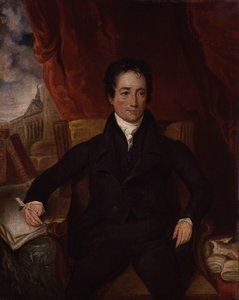
Lühikesed faktid
- Artistic Movement Or Style: Academic Realism
- Artists Who Influenced This Artist:
- Seán Keating
- Edouard Manet
- Date Of Birth: 30 August 1893
- Date Of Death: 15 December 1964
- Full Name: Charles Vincent Lamb
- Nationality: Irish
- Notable Artworks:
- A Lough Neagh Fisherman
- Curragh and Hookers at a Pier, Connemara
- A Connemara Lake
- The Turf Cutter
- Gathering Seaweed
- Place Of Birth: Portadown, Northern Ireland