Rococo · 1762
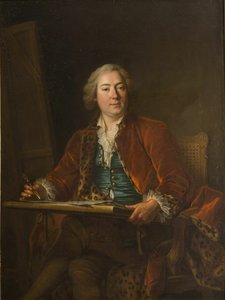
Self-Portrait (Charles-André Van Loo, 1762)
Charles-André Van Loo (1705–1765) on loonud teose Self-Portrait. See on pärinev 1762 aastast. See kuulub Rococo suuntrime. Teos on valmistatud materjalist Oil On Canvas. Teos asub Hermitage muuseum kogamuses Stiiitlinburg, Vene. Mõõdud on 88 × 72 cm.
- 1762
- Oil On Canvas
- 88 × 72 cm
- Hermitage muuseum, Stiiitlinburg

 Eelvaade

 Käsitsi maalatud õlimaalatsioon
 Saada
 Jaga
 Teave teose kohta


 Laadi alla
 Sarnased teosed
 Röntgenuuring
 Slaidietendus
 KÜSIMUSED JA VASTUSID

 Statistika
Self-Portrait lühidalt
- Pealkiri
- Self-Portrait
- Kunstnik
- Charles-André Van Loo (1705–1765)
- Kunstnik on sündinud
- Nice, Prantsusmaa
- Kuupäev
- 1762
- Tehnika
- Oil On Canvas
- Mõõtmed
- 88 × 72 cm
- Kus seda näeb
- Hermitage muuseum, Stiiitlinburg, Vene
- Suunad
- Rococo
- Teema
- portrait, self-portrait, rococo, dutch painting, 18th century, charles van loo
Mida Self-Portrait kujutab?
A Portrait of Inner Reflection: Charles-André van Loo’s “Self-Portrait”
The year 1762 witnessed a pivotal moment in the artistic landscape of France – the creation of Charles-André van Loo's "Self-Portrait." More than simply a likeness, this painting is a carefully constructed meditation on identity, status, and the burgeoning Rococo aesthetic. Van Loo, a key figure within his family’s esteemed dynasty of painters, presents himself not as a flamboyant courtier or a heroic warrior, but as a thoughtful observer, subtly imbued with an air of quiet contemplation. The portrait immediately draws the eye to the artist's direct gaze, a deliberate act of engagement that invites the viewer into a private moment.
Van Loo’s style is quintessential Rococo – characterized by its delicate brushwork, pastel hues, and an emphasis on elegant ornamentation. He employs a loose, almost impressionistic technique, favoring soft transitions between light and shadow to create a sense of atmospheric depth. The rich fabrics of his suit—a deep burgundy velvet accented with gold embroidery—speak volumes about his position within the French court, while the subtle details – the meticulously rendered lace collar, the gleaming sword on his side – reinforce this image of refined authority. Yet, it’s not merely a display of wealth; these elements are presented with an understated grace that suggests a considered awareness of their symbolic weight.
The Context of 18th-Century Portraiture
To fully appreciate “Self-Portrait,” one must understand the evolving context of portraiture during the mid-18th century. Following the grandeur of the Baroque period, artists began to shift towards a more intimate and psychologically nuanced approach. The rise of the middle class fueled demand for portraits, but royal patronage continued to shape artistic trends. Artists like Van Loo were tasked with capturing not just physical likenesses, but also conveying an individual’s character and social standing. Van Loo's self-portrait reflects this trend – it is a carefully crafted statement about his identity as both artist and member of the elite.
Interestingly, the portrait predates the widespread popularity of the self-portrait as a genre. While artists had occasionally depicted themselves in various roles throughout history, Van Loo’s work stands out for its directness and lack of theatricality. He avoids overtly dramatic poses or elaborate settings, opting instead for a simple, uncluttered composition that focuses entirely on his own image. This deliberate restraint speaks to the artist's confidence and self-awareness – he is not seeking to impress, but rather to present himself honestly.
Symbolism and Emotional Resonance
Beyond its technical merits, “Self-Portrait” is rich in symbolic detail. The sword, a traditional emblem of power and authority, suggests Van Loo’s role as a court painter – a position that demanded both artistic skill and political savvy. However, the sword is not brandished aggressively; it rests calmly on his hip, hinting at a measured approach to wielding influence. The background—a plain wall—further emphasizes the artist's focus on himself, creating an aura of introspection.
Perhaps most powerfully, the painting evokes a sense of quiet contemplation. Van Loo’s gaze is direct and unwavering, yet there is also a hint of melancholy in his expression. It’s as if he is reflecting on his own life, his work, and the complexities of his position within society. The subtle shading around his eyes and mouth contributes to this feeling of emotional depth, inviting the viewer to share in his private thoughts. The painting isn't merely a representation of a man; it’s an invitation into his inner world.
A Timeless Masterpiece: Reproduction Possibilities
Charles-André van Loo’s “Self-Portrait” remains a captivating work of art, offering a rare glimpse into the mind and soul of a prominent 18th-century artist. High-quality reproductions capture the delicate brushwork and nuanced color palette that define this masterpiece. Whether displayed in a formal salon or a contemporary living space, this portrait continues to resonate with viewers today, reminding us of the enduring power of self-reflection and artistic expression. OriginalUniqueArt offers meticulously crafted hand-painted reproductions, allowing you to bring this timeless work into your home.
Kumba muuseumis asub teos Self-Portrait?
Hermitage muuseum
Stiiitlinburg, Vene
Hermitage muuseumi algupärad ja ajalugu Hermitage muuseumi lugu sai alguse aastal 1764, mil Berliini kaupmees Johann Ernst Gotzkowsky müüs 225 maali sisaldava kogumiku. See ajalooline teginus sai alguse suure printsess Catherine II ehk Suure Caterina käest, kes otsustas need teosed oma omandisse võtta, moodustades nii muuseumi vundamendi Saint Peterburgis, Venemaal. Need esimesed omandused moodustasid tugevad juured ja tugeviku sellele, mis kujunes hiljem üheks maailma tohutuks lääne Euroopa kunstipärandiks.


Self-Portrait kõrge resolutsiooniga pildid
Avalik omanik: kunstnik suri aastal 1765.
Charles-André Van Loo, Self-Portrait (1762), Hermitage muuseum. Avalik omaniklik õigus
Küsimused teemal Self-Portrait – vastused
Kust saab teose „Self-Portrait“, autor Charles-André Van Loo täna vaadata?
Originaalteost „Self-Portrait“, autor Charles-André Van Loo hoiustatakse Hermitage muuseum, Stiiitlinburg, Vene muuseumis. Reproduktsioon võimaldab teost koduses keskkonnas esitleda.
Mis on teose „Self-Portrait“, autor Charles-André Van Loo loomisaeg?
Teose „Self-Portrait“, autor Charles-André Van Loo loomimisaastaks on märgitud 1762.
Millist tehnikat teose „Self-Portrait“, autor Charles-André Van Loo valmistamisel kasutati?
Teose „Self-Portrait“, autor Charles-André Van Loo materjal on Oil On Canvas. Reproduktsioonide eesmärk on jälitada selle tehnika välimust.
Mis on originaalteose "Self-Portrait" mõõdud?
Teose "Self-Portrait" originaalmõõdud on 88 x 72 cm. Algdimensioonid on kasulik viide reproduktsiooni suuruse valimisel.
Millised teemad teoses „Self-Portrait“, autor Charles-André Van Loo esile tõelve?
„Self-Portrait“, autor Charles-André Van Loo kujutab: portrait, self-portrait, rococo, dutch painting, 18th century, charles van loo, mustache.
Kas teose „Self-Portrait“, autor Charles-André Van Loo pilt on vabalt reproduseeritav?
Autoriõiguse teave teose „Self-Portrait“, autor Charles-André Van Loo kohta: teos kuulub luba ala avalikus õiguses – selle autoriõigud onหมดunud. See määrab, kas kujundist on lubatud vabadelt reproduktsioone teha.
Millisele kunstnikule on teos "Self-Portrait" atribuutseeritud?
Teose "Self-Portrait" loovija on Charles-André Van Loo. Selle lehe info kirjeldab Charles-André Van Loo algteost.
Millisse kunstisuuna kuulub teos „Self-Portrait“, autor Charles-André Van Loo?
Teos „Self-Portrait“, autor Charles-André Van Loo kuulub Rococo suunasse. See suund annab teosele stilistilise konteksti.
Kuhu Charles-André Van Loo loomingulisse perioodi kuulub teos "Self-Portrait"?
Teos "Self-Portrait" kuulub Charles-André Van Loo loomingulise karjääri perioodi Mature Period. See klassifikatsioon seostab teose kunstniku loovliku arenguga.
Kunstnikust, Charles-André Van Loo
1705–1765, Prantsusmaa
Charles-André Van Loo
Varasem ja koolitus Sünnib: 15. febrniku 1705, Niiças, Prantsus Perekonu taust: Louis-Abraham van Loo poja ja Jean-Baptiste van Loo väiksem vend. Otsustatud hollandi maalajate dinastia liige. Varasem õppimine: Algkülastus Turinis, mille järel oli õpingud Roomas (1712) Benedetto Luti ja Pierre Legrosilt.
Teel Charles-André Van Loo kohta Charles-André Van Loo silmapaistvad teosed
Ka Charles-André Van Loo teosed
 Spanish Concert (Spanish Сonversation)1754
 Aeneas Carrying Anchises1729
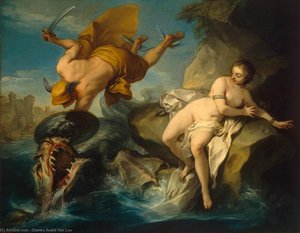 Perseus and Andromeda1735
 The sultana1747
Essee teemadel Self-Portrait
 Charles-André van Loo: A Study in Rococo Portraiture & the French Court's Artistic DynamicsExplore the elegant world of Charles-André van Loo, a master of Rococo portraiture at the French court. Discover his life, techniques, and …
 Kolme Lõuendi Narratiiv: Valiku Mõju Emotsionaalsele Vastukajale KunstisAvastage kolme lõuendi narratiivi psühholoogiat ja värviteooria mõju maalikunstis. Eksperthinnangud, kvaliteetsed reproduktsioonid ja perso…
 Reflecting the Self: A History of Portraiture & Psychological InsightExplore the fascinating history of self-portraiture from Renaissance masters like Dürer & Rembrandt to modern interpretations. Discover the…