

 Vaata sisu
 Jaga teost
 Jaga
Jaga
 Detailid
 Õppekate juhend

 Laadi alla
 Sarnased teosed
 Röntgenuuring
 Slaidietendus
 Statistika
Mademoiselle Clairon as Medea (study)
 Acrylic On Canvas
- WallArt
- Rococo Elegance
 1759
1759 63.0 x 79.0 cm
 Musée des Beaux-Arts de Bordeaux
 Loe lähemalt
Giclée / Kunstiprint
Muuseumikvaliteediga giclée- või kangasprint kiire tootmisega ja paindlikud viimistlusvõimalused. ( Telli käsitsi maalitud reproduktsioon Ülemineku digitaalse pildi müügi kanalisse)




P118B €10

P118H €10

P118W €10

P438Z €10

P508JH €12

P508YH €12

P805H €10

P805Z €10

P919BZ €10

P919G €10

P919XJ €10

P959ZH €10

P968JZ €12

W106C €8

W218G €10

W218JH €8

W218Y €10

W307PJ €10

W316G €10

W316PJ €8

W316Y €10

W398PJ €8

W4111J €10

W500HY €15

W500JH €15

W692G €12

W849H €8

W940BG €15

W953PJ €8




Vali meie eelmääratud suurused, mis vastavad teose algupärastele proportsioonidele.

Sisestage vajalik laius ja kõrgus, et see sobiks teie raamile või seinale. Trükki saab ainult lõigata, seda ei saa kunagi pildist suuremaks teha, seega ka differentse vormiga suurus kaotab osa pildist. Enne trükkimist saadame teile kinnitamiseks digitaalse näidisprojektsiooni. Sellel lehel näidatud pilt ei kujuta reaalset lõiget — seda näitab ainult näidisprojekttsioon.
Ülemaailmne tarne () 2 nädala jooksul, tavalise 4/5 nädala asemel. (25 oktoober)

Tasuta ekspresssaatmine üle maailma

Kõrgekvaliteediline lina-kangastest muld

Täielik transpordikindlustus

Tollimaksude tagastamise garantii

Värvitoime täpsuse garantii

100 päeva tagastusõigus (ainult defektide korral)

100% raha tagasi garantii

Hulgusoodustus
 Klaasivalik on saadaval ainult kuni 110 cm suuruses teostes

Mademoiselle Clairon as Medea (study)
Giclée / Kunstiprint
Reproduktsiooni mõõtmed
-


Lõppsumma
€ 70
A Study in Mythological Drama: Charles André van Loo’s “Mademoiselle Clairon as Medea”
Charles André van Loo's "Mademoiselle Clairon as Medea" (study), completed in 1759, stands as a testament to the grandeur and sophistication of Rococo painting while simultaneously delving into profound mythological themes. Executed by Laurent Cars and Jacques-Firmin Beauvarlet alongside Van Loo himself – a trio celebrated for their collaborative achievements at the Académie royale – this artwork transcends mere visual representation; it embodies an intellectual engagement with classical narratives and explores complex psychological portraits. The painting depicts Mademoiselle Clairon, a renowned Parisian actress famed for her dramatic interpretations of mythological roles, portrayed as Medea, the vengeful sorceress from Greek mythology. This deliberate juxtaposition wasn’t merely stylistic choice but reflected the prevailing artistic preoccupation with portraying characters—particularly women—with nuanced emotional depth and psychological complexity. Unlike traditional depictions emphasizing idealized beauty, Van Loo captures Clairon's gaze – turned slightly to the side – conveying a palpable sense of inner turmoil and determination. Her crimson dress serves as a striking visual anchor, mirroring Medea’s fiery passion for retribution. Technically masterful, the piece showcases the hallmarks of Rococo artistry: delicate brushstrokes, luminous glazing techniques, and meticulous attention to detail. The artist skillfully employs chiaroscuro – dramatic contrasts between light and shadow – to sculpt the figures and imbue them with a sense of realism despite their stylized poses. The backdrop features two horses rendered in muted tones, symbolizing strength and nobility—a common motif within aristocratic portraiture during the period. Furthermore, the inclusion of two attendants reinforces the theatrical atmosphere, highlighting Clairon’s role as performer and embodying the spirit of the stage. Historically situated within the opulent court of Louis XV, “Mademoiselle Clairon as Medea” reflects the broader artistic climate of its time—a fascination with classical mythology alongside a desire to elevate portraiture beyond mere likeness. Artists sought to convey not just outward appearance but also inner character and psychological states, mirroring the Enlightenment’s emphasis on reason and observation. The painting's symbolism extends beyond individual figures; Medea herself represents defiance against societal constraints and embodies the transformative power of emotion—themes resonating powerfully with audiences captivated by theatrical performances. Ultimately, “Mademoiselle Clairon as Medea” transcends its formal conventions to deliver an emotionally resonant experience for the viewer. It invites contemplation on themes of passion, revenge, and psychological resilience – qualities admired in both mythological heroines and celebrated actresses alike. Its enduring appeal lies in its ability to capture a moment of dramatic intensity while simultaneously demonstrating the artistic prowess of Van Loo and his collaborators—a captivating glimpse into the intellectual and aesthetic sensibilities of 18th-century France.Küsimused ja vastused
Kes on teose "Mademoiselle Clairon as Medea (study)" autor ja millises suunast see on?
Teose "Mademoiselle Clairon as Medea (study)" taga on Charles-André Van Loo ja Rococo Elegance suunad.
Kas teosele „Mademoiselle Clairon as Medea (study)“, autor Charles-André Van Loo on saadaval diapositatsioon?
Saadaval on diavorama: „Mademoiselle Clairon as Medea (study)“, autor Charles-André Van Loo teose Slideshow leht.
Kui hele on teos "Mademoiselle Clairon as Medea (study)" üldiselt?
Teel sündinud valgusest on teose „Mademoiselle Clairon as Medea (study)“, autor Charles-André Van Loo ereonim shadow.
Kunstniku elulugu
Varasem ja koolitus
- Sünnib: 15. febrniku 1705, Niiças, Prantsus
- Perekonu taust: Louis-Abraham van Loo poja ja Jean-Baptiste van Loo väiksem vend. Otsustatud hollandi maalajate dinastia liige.
- Varasem õppimine: Algkülastus Turinis, mille järel oli õpingud Roomas (1712) Benedetto Luti ja Pierre Legrosilt.
- Pariisi õpingud: Osaltas Roalist akadeemil, võites 1723. aastal joonistuse ja 1727. aastal ajaloo maaliku esimese väljas.
Kunstiline karjääri ja märkimisväärsed teosed
- Stiil: Teenalt tuntud Rooko stiilis maalajana, mida iseloomustab eleganss, gratsia ja ornamentne detail.
- Teematika: Lõneliste pikkusega mitmesemane valik, millel on portrete, mitoloogilised kohtad, ajaloolised maalguvad, alegoriad ja eluloomingutekstuurid.
- Märkimisväärsed teosed:
- Venus ja Amor (Kunsthalle Bremen) - Näitab Rooko stiili mestripinna.
- Halt of the Hunt (The Metropolitan Museum of Art) – Kogutab aristokraatliku tegevuse.
- Portret Marie Leszczynska, Prantsuse kuningatar – Märkimisväärne kuninglik portreet.
- Jupiter ja Antiope - Näitab mitoloogilisi teemasid.
- Iselportret – Annab ülevaate kunstniku iseloomustamisest.
- Perseus ja Andromeda (mittepädevad versioonid) – Illustreerib oskust klassikaalsete mitoloogiate esitamisel.
- Mademoiselle Clairon kui Medea (väike versioon) - Võikutiev Rooko portreet 1760. aastast.
Mäcenus ja kuninglik tunnustus
- Kuninglik mäcenus: Nautis Madame de Pompadour ja Prantsuse hovi mäcenust.
- Põhimääratlus hovis: Sai 1762. aastal King Louis XV esimeseks maalajaks, prestži ühik.
- Saint Michaeli орden: Dekoratsiooniga Saint Michaeli ordenis, mis tähendab kuninglikku armastust.
Võrgutused ja pärand
- Perekonnuline mõju: Veel tugevalt mõjutatud oma isa ja venda poolt, mõlemad oli saavutlikke maalajad.
- Võrrelemine: Võrreles François Boucheriga, teises märkimisväärses Rooko kunstnikus.
- Modernne Prantsuse kool: Tema "stiili lihtsus ja disainiuus" mõjutas oluliselt moderne Prantsuse maaliku kooli.
- Kritiline väärtus: Kuigi tema kriitiline asem on ajaga keeruline, nõuab tema oskus ja teose laialus austust.
Muuseumikogu ja edasne uurimine
- Muuseumi lähendus: Teosed on esitatud märkimisväärsetel muuseumidel, sealhulgas Louvre (Neolimnikaja abiellumine), Kunsthalle Bremen ja The Metropolitan Museum of Art.
- Edasised ressursid:
- OriginalUniqueArt's Charles-André van Loo leht: https://www.OriginalUniqueArt.com/artists/charles-andre-van-loo/
- OriginalUniqueArt's Greatest Artists of All Time leht: https://www.OriginalUniqueArt.com/greatest-artists
- OriginalUniqueArt Virtuaalne muuseum: https://www.OriginalUniqueArt.com/
- Wikipedia artikkel: https://en.wikipedia.org/wiki/Charles-Andr%C3%A9_van_Loo
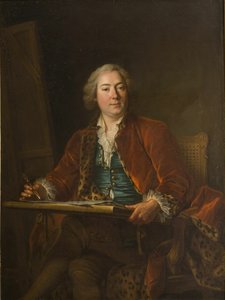
Charles-André Van Loo
1705 - 1765 , Prantsus
Lühikest infot
- Artistic Movement Or Style: Rokoko maaling
- Artists Or Movements Influenced By This Artist: ['Moderni francês skool']
- Artists Who Influenced This Artist:
- Benedetto Luti
- Pierre Le Gros
- Date Of Birth: 15. februala 1705
- Date Of Death: 15. juuli 1765
- Full Name: Charles-André van Loo
- Nationality: Prantsuse
- Notable Artworks:
- Venus ja Amor
- Halt of the Hunt
- Portret Marie Leszczynskast
- Jupiter ja Antiope
- Iisportret
- Perseus ja Andromeda
- Place Of Birth: Nice, Prantsus
Sarnased artiklid
Leonardo da Vinci 25 Suurimat Teost: Renessansi Geniaalsus Kodus ja Kunstis
Avastage Leonardo da Vinci 25 suurimat teost! Sukelduge renessanssimaali imemaailma, Mona Lisa müsteeriumisse ja Viimase õhtusöögiga maalinnudesse. Leidke inspiratsiooni kodukaunistusteks OriginalUniqueArt.com-is – kvaliteetsed kunstireprodutsioonid ja kollektsioonid.

The Elegance of Rococo: A Journey Through Pastel Dreams and Ornate Splendor
Embark on an elegant journey through the Rococo era. Discover the delicate beauty of pastel masterpieces, the intricate artistry of 18th-century French masters, and how this era of ornate splendor continues to inspire timeless luxury in fine art collecting.

The Allure of Elegance in Art: A Historical & Aesthetic Exploration of Refinement & Grace
Explore the exquisite world of Rococo art! Discover its history, masters (Watteau, Boucher & more), and defining elegance. Expert insights for collectors seeking museum-quality reproductions & custom portraits.

RoKokoo: 10 Meisterteost, Mis Määritsesid Kunstisuundi | OriginalUniqueArt
Sukeldu RoKokoo maailma! Avasta 10 meistriteost, mis defineerisid kunstisuunda – prantsuse kunstnikud, kuldsed toonid ja luksuslik interjöör. Tutvu lugudega legendaarsete teoste taga & leia inspiratsiooni OriginalUniqueArt.com-ilt!

Neo-Classicism's Greatest Hits: 10 Masterpieces for Your Home |
Journey through Neo-Classicism's finest! Explore 10 iconic masterpieces by David, Ingres & Canova. Discover art history, techniques & timeless beauty – perfect for inspiring your home decor. Find museum-quality reproductions at