Rococo · 1736
Bear Hunt (Charles-André Van Loo, 1736)
Charles-André Van Loo (1705–1765) on loonud teose Bear Hunt. See on pärinev 1736 aastast. See kuulub Rococo suuntrime. Teos on valmistatud materjalist Oil On Canvas. Teos asub Musée de Picardie kogamuses Amiens, Prantsus. Mõõdud on 184 × 129 cm.
- 1736
- Oil On Canvas
- 184 × 129 cm
- Musée de Picardie, Amiens

 Eelvaade

 Käsitsi maalatud õlimaalatsioon
 Saada
 Jaga
 Teave teose kohta


 Laadi alla
 Sarnased teosed
 Röntgenuuring
 Slaidietendus
 KÜSIMUSED JA VASTUSID

 Statistika
Bear Hunt lühidalt
- Pealkiri
- Bear Hunt
- Kunstnik
- Charles-André Van Loo (1705–1765)
- Kunstnik on sündinud
- Nice, Prantsusmaa
- Kuupäev
- 1736
- Tehnika
- Oil On Canvas
- Mõõtmed
- 184 × 129 cm
- Kus seda näeb
- Musée de Picardie, Amiens, Prantsus
- Suunad
- Rococo
- Aeglkond
- Early Modern
- Teema
- people, bears, dogs, horses, guns, rocks
Mida Bear Hunt kujutab?
Identification of the Artwork and Artist
The oil on canvas titled Bear Hunt was painted by Charles-André van Loo in 1736. This work emerged from the hand of an artist born in Nice, France, in 1705. He belonged to a successful dynasty of Dutch painters, a lineage of creators who shaped the visual language of their era. His life spanned the decades between his birth and his death in 1765.
Charles-André van Loo brought a specific precision to this scene. The canvas captures a moment of movement within the wilderness. It is a piece from a period of significant activity for the artist. His brushwork defines the tension of the chase. The light falls upon the figures and the animals in the landscape.
The work remains a specific record of a hunt. It carries the weight of the artist's early career. A quiet stillness exists beneath the action of the hunt. The shadows of the trees stretch across the ground.
Visual Composition and Subject Matter
This large oil on canvas captures a moment of sudden movement in the wild. Near a cluster of jagged rocks, the landscape opens into a rugged wilderness. Several men grip guns, their bodies poised for the chase. Dogs weave through the brush, their instincts driving them toward the scent of the prey. Horses stand nearby, silent witnesses to the exertion, ready to carry the hunters across the uneven ground.
The bears are scattered throughout the scene, some looming in the foreground and others fading into the distant greenery. The composition relies on this distribution of weight to create a sense of scale. There is a palpable tension in the air, a rush of adrenaline that defines the hunt. The great outdoors provides a chaotic, unscripted stage for this encounter. The hunt moves with a sudden, sharp energy.
Related Works by the Same Artist
The artist’s hand moved through many realms, from the quietude of a Self Portrait to the grand scale of mythological drama. In Venus and Amor, held at the Kunsthalle Bremen, the brush captures a different kind of grace. He explored the tension of legend in Jupiter and Antiope and rendered the myth of Perseus and Andromeda in multiple versions. These figures exist alongside the courtly presence of the Portrait of Marie Leszczynska, Queen of France. A smaller, focused study of Mademoiselle Clairon as Medea appeared in 1760.
The hunt remains a recurring pulse in his oeuvre. He captured aristocratic leisure in Halt of the Hunt, a work now held at The Metropolitan Museum of Art. This interest in the chase extends to the overdoor paintings created for the petits appartements of Louis XV at Versailles. Such works reflect a life spent navigating the precise requirements of royal patronage and the fluid movement of the Rococo style. The paint dries on the canvas, leaving only the shadow of the chase.
Kumba muuseumis asub teos Bear Hunt?
Musée de Picardie
Amiens, Prantsus
Ajaga sünkroonitud pühakoda: Musée de Picardie hing Prantsusmaa Amiens linna ajaloolises südames asuv Musée de Picardie seisab sügavana tunnistusena inimkkuse ja loovusimpulsi vahelisele igavale dialoogile. Selle uksest sisenemine on astumine maailma, kus ajapiirid hävanevad, sarnaselt valgule, mis tantsib selle suurepärastes ja õhvatel saalides. Muuseumi enda struktuur, arhitektide Henri Parent ja Arthur-Stanislas Diet loov teos Teise Impeeriumi ajast, toimib Prantsusmaa kultuurilise tõusu vaikse jutustajana.


Bear Hunt kõrge resolutsiooniga pildid
Avalik omanik: kunstnik suri aastal 1765.
Charles-André Van Loo, Bear Hunt (1736), Musée de Picardie. Avalik omaniklik õigus
Küsimused teemal Bear Hunt – vastused
Millises muuseumis on säilitatud originaal "Bear Hunt"?
Originaalteost "Bear Hunt" saab vaadata Musée de Picardie, Amiens, Prantsus-is.
Mis aastal loodi teos „Bear Hunt“, autor Charles-André Van Loo?
Teose „Bear Hunt“, autor Charles-André Van Loo loomimisaastaks on märgitud 1736.
Millist tehnikat teose „Bear Hunt“, autor Charles-André Van Loo valmistamisel kasutati?
Teos "Bear Hunt" on valmistatud tehnika Oil On Canvas.
Mis on teose „Bear Hunt“, autor Charles-André Van Loo tegelik suurus?
Originaalteose „Bear Hunt“, autor Charles-André Van Loo mõõdud on 184 x 129 cm.
Mida „Bear Hunt“, autor Charles-André Van Loo kujutab?
Teose "Bear Hunt" teemad on people, bears, dogs, horses, guns, rocks, wilderness.
Kas teos „Bear Hunt“, autor Charles-André Van Loo kuulub avalikku omandisse?
Autoriõiguse teave teose „Bear Hunt“, autor Charles-André Van Loo kohta: teos kuulub luba ala avalikus õiguses – selle autoriõigud onหมดunud. See määrab, kas kujundist on lubatud vabadelt reproduktsioone teha.
Kes on teose "Bear Hunt" looja?
Teose "Bear Hunt" autoriks on mõeldud Charles-André Van Loo.
Millissele kunstisuunale kuulub teos „Bear Hunt“, autor Charles-André Van Loo?
Teosest „Bear Hunt“, autor Charles-André Van Loo tuntud kunstisuuna on Rococo. See klassifikatsioon aitab teost paigutada sarnaste kunstnike ja teoste hulka.
Millist etap Charles-André Van Loo loomingus teos "Bear Hunt" esindab?
Teos "Bear Hunt" kuulub Charles-André Van Loo loomingulise karjääri perioodi Mature Period. See klassifikatsioon seostab teose kunstniku loovliku arenguga.
Kunstnikust, Charles-André Van Loo
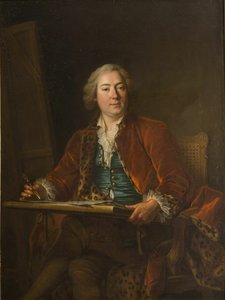
1705–1765, Prantsusmaa
Charles-André Van Loo
Varasem ja koolitus Sünnib: 15. febrniku 1705, Niiças, Prantsus Perekonu taust: Louis-Abraham van Loo poja ja Jean-Baptiste van Loo väiksem vend. Otsustatud hollandi maalajate dinastia liige. Varasem õppimine: Algkülastus Turinis, mille järel oli õpingud Roomas (1712) Benedetto Luti ja Pierre Legrosilt.
Teel Charles-André Van Loo kohta Charles-André Van Loo silmapaistvad teosed
Ka Charles-André Van Loo teosed
 Spanish Concert (Spanish Сonversation)1754
 Aeneas Carrying Anchises1729
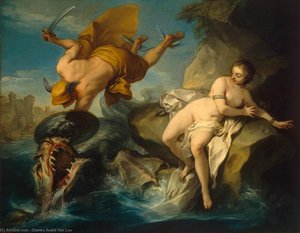 Perseus and Andromeda1735
 The sultana1747
Essee teemadel Bear Hunt
 Charles-André van Loo: A Study in Rococo Portraiture & the French Court's Artistic DynamicsExplore the elegant world of Charles-André van Loo, a master of Rococo portraiture at the French court. Discover his life, techniques, and …
 16th century Flemish paintersMasterpieces by Bruegel and Jan Brueghel define 16th century Flemish art. Explore the full collection online at OriginalUniqueArt.com.
 17th century Flemish paintersMasterpieces by Van Dyck and Teniers define Flemish Baroque. Explore museum-quality reproductions on OriginalUniqueArt.com.