

 Vaata sisu
 Jaga teost
 Jaga
Jaga
 Detailid
 Õppekate juhend

 Laadi alla
 Sarnased teosed
 Röntgenuuring
 Slaidietendus
 Statistika
Aeneas Carrying Anchises
 Oil On Canvas
- WallArt
- Rococo
 1729
1729 110.0 x 105.0 cm
 Louvre'i muuseum
 Loe lähemalt
Giclée / Kunstiprint
Muuseumikvaliteediga giclée- või kangasprint kiire tootmisega ja paindlikud viimistlusvõimalused. ( Telli käsitsi maalitud reproduktsioon Ülemineku digitaalse pildi müügi kanalisse)




P118B €10

P118H €10

P118W €10

P438Z €10

P508JH €12

P508YH €12

P805H €10

P805Z €10

P919BZ €10

P919G €10

P919XJ €10

P959ZH €10

P968JZ €12

W106C €8

W218G €10

W218JH €8

W218Y €10

W307PJ €10

W316G €10

W316PJ €8

W316Y €10

W398PJ €8

W4111J €10

W500HY €15

W500JH €15

W692G €12

W849H €8

W940BG €15

W953PJ €8




Vali meie eelmääratud suurused, mis vastavad teose algupärastele proportsioonidele.

Sisestage vajalik laius ja kõrgus, et see sobiks teie raamile või seinale. Trükki saab ainult lõigata, seda ei saa kunagi pildist suuremaks teha, seega ka differentse vormiga suurus kaotab osa pildist. Enne trükkimist saadame teile kinnitamiseks digitaalse näidisprojektsiooni. Sellel lehel näidatud pilt ei kujuta reaalset lõiget — seda näitab ainult näidisprojekttsioon.
Ülemaailmne tarne () 2 nädala jooksul, tavalise 4/5 nädala asemel. (21 oktoober)

Tasuta ekspresssaatmine üle maailma

Kõrgekvaliteediline lina-kangastest muld

Täielik transpordikindlustus

Tollimaksude tagastamise garantii

Värvitoime täpsuse garantii

100 päeva tagastusõigus (ainult defektide korral)

100% raha tagasi garantii

Hulgusoodustus
 Klaasivalik on saadaval ainult kuni 110 cm suuruses teostes

Aeneas Carrying Anchises
Giclée / Kunstiprint
Reproduktsiooni mõõtmed
-


Lõppsumma
€ 70
Aeneas Carrying Anchises: A Testament to Roman Heroism and Rococo Elegance
Charles-André van Loo’s “Aeneas Carrying Anchises,” painted in 1729, is more than just a depiction of a pivotal moment from Virgil's *Aeneid*; it’s a masterful distillation of the Rococo style, imbued with a profound sense of drama and classical gravitas. This artwork, now meticulously reproduced on hand-painted canvas by OriginalUniqueArt, offers a captivating glimpse into 18th-century French artistic sensibilities – a world where mythological narratives intertwined seamlessly with aristocratic life and an exquisite attention to detail reigned supreme.
The scene unfolds within a classically inspired architectural setting, reminiscent of the Temple of Venus or perhaps even the Parthenon, lending an air of timeless grandeur. Van Loo skillfully employs atmospheric perspective – the subtle blurring of details in the background – to draw the viewer’s eye towards the central figures: Aeneas, the Trojan hero, and his aged father, Anchises. The composition is carefully balanced, utilizing a pyramidal structure that reinforces the importance of these two patriarchs. Note the deliberate use of light; it illuminates Aeneas's determined face and the weight of responsibility he carries, while casting a softer glow upon Anchises, suggesting both vulnerability and profound wisdom.
The Rococo Palette: Color, Texture, and Ornamentation
As a leading figure in the Rococo movement, Van Loo’s signature style is immediately recognizable. The painting bursts with rich, layered colors – deep reds, blues, and golds dominate the palette, creating an opulent and luxurious atmosphere. The artist's meticulous brushwork reveals a remarkable attention to texture; from the folds of Aeneas’s cloak to the weathered skin of Anchises, every surface is rendered with incredible realism. Observe how he uses shimmering highlights to capture the light reflecting off polished marble columns and the fabric of their garments – a hallmark of Rococo technique.
The decorative elements are equally noteworthy. The architectural details, while rooted in classical forms, are embellished with intricate moldings, garlands, and subtle flourishes characteristic of the era. Van Loo’s mastery extends to portraying the human form; Aeneas and Anchises are depicted with a graceful elegance that reflects the ideals of beauty prevalent during the Rococo period. The inclusion of other figures in the background – soldiers, attendants, and perhaps even a veiled woman – adds depth and narrative complexity to the scene, hinting at the broader context of the Trojan War and its aftermath.
Symbolism and Narrative Resonance
Beyond its aesthetic beauty, “Aeneas Carrying Anchises” is rich in symbolic meaning. The act of Aeneas carrying his father represents not only filial devotion but also the burden of leadership and the transmission of legacy. Anchises, a descendant of Aeneas and the rightful heir to Troy, embodies the continuity of Roman civilization. The setting itself – a temple or monumental structure – elevates the scene to a realm of mythic importance, suggesting that Aeneas’s journey is not merely a personal quest but a destiny ordained by the gods.
Furthermore, the presence of the woman in the background has been interpreted as representing Fides (Faith) or perhaps even Venus herself, subtly reinforcing the themes of duty, honor, and divine guidance. The painting's overall mood is one of solemn determination tempered with a poignant sense of loss – a reminder of the sacrifices required to fulfill a noble purpose. OriginalUniqueArt’s faithful reproduction captures this nuanced emotional depth, allowing viewers to fully appreciate the artistry and storytelling embedded within Van Loo’s masterpiece.
Bringing “Aeneas Carrying Anchises” Home
Whether you're an art enthusiast, a collector seeking to enrich your collection, or simply someone looking for a stunning addition to your interior décor, OriginalUniqueArt’s hand-painted reproduction of “Aeneas Carrying Anchises” offers the perfect opportunity to own a piece of 18th-century artistic history. The meticulous detail and vibrant colors faithfully recreate Van Loo's original vision, while the canvas medium provides a timeless quality that will endure for generations to come. Explore our selection of sizes and framing options to find the ideal representation for your space – and experience the enduring power of this iconic artwork.
Küsimused ja vastused
Kust saan leida sarnaseid teoseid kui „Aeneas Carrying Anchises“, autor Charles-André Van Loo?
Teosest „Aeneas Carrying Anchises“, autor Charles-André Van Loo leidetavad sarnased teosed lehelt Sarnased teosed.
Kuidas teos "Aeneas Carrying Anchises" sobitub artisti Charles-André Van Loo teemade ja stiiliga?
"Aeneas Carrying Anchises" kuulub Charles-André Van Loo Rococo perioodi teosetele, mille tuntud teemad hõlmavad italian baroque influence, mythological, roman themes, courtly patronage, luxury, dynasty’s artistic legacy, classical narrative depiction.
Millist emotsionaalset toonikut saadab kaasata teose "Aeneas Carrying Anchises" Rococo stiil?
"Aeneas Carrying Anchises" kannab endas Melancholic emotsionaalset toonist, mis on omane Rococo suunale.
Kunstniku elulugu
Varasem ja koolitus
- Sünnib: 15. febrniku 1705, Niiças, Prantsus
- Perekonu taust: Louis-Abraham van Loo poja ja Jean-Baptiste van Loo väiksem vend. Otsustatud hollandi maalajate dinastia liige.
- Varasem õppimine: Algkülastus Turinis, mille järel oli õpingud Roomas (1712) Benedetto Luti ja Pierre Legrosilt.
- Pariisi õpingud: Osaltas Roalist akadeemil, võites 1723. aastal joonistuse ja 1727. aastal ajaloo maaliku esimese väljas.
Kunstiline karjääri ja märkimisväärsed teosed
- Stiil: Teenalt tuntud Rooko stiilis maalajana, mida iseloomustab eleganss, gratsia ja ornamentne detail.
- Teematika: Lõneliste pikkusega mitmesemane valik, millel on portrete, mitoloogilised kohtad, ajaloolised maalguvad, alegoriad ja eluloomingutekstuurid.
- Märkimisväärsed teosed:
- Venus ja Amor (Kunsthalle Bremen) - Näitab Rooko stiili mestripinna.
- Halt of the Hunt (The Metropolitan Museum of Art) – Kogutab aristokraatliku tegevuse.
- Portret Marie Leszczynska, Prantsuse kuningatar – Märkimisväärne kuninglik portreet.
- Jupiter ja Antiope - Näitab mitoloogilisi teemasid.
- Iselportret – Annab ülevaate kunstniku iseloomustamisest.
- Perseus ja Andromeda (mittepädevad versioonid) – Illustreerib oskust klassikaalsete mitoloogiate esitamisel.
- Mademoiselle Clairon kui Medea (väike versioon) - Võikutiev Rooko portreet 1760. aastast.
Mäcenus ja kuninglik tunnustus
- Kuninglik mäcenus: Nautis Madame de Pompadour ja Prantsuse hovi mäcenust.
- Põhimääratlus hovis: Sai 1762. aastal King Louis XV esimeseks maalajaks, prestži ühik.
- Saint Michaeli орden: Dekoratsiooniga Saint Michaeli ordenis, mis tähendab kuninglikku armastust.
Võrgutused ja pärand
- Perekonnuline mõju: Veel tugevalt mõjutatud oma isa ja venda poolt, mõlemad oli saavutlikke maalajad.
- Võrrelemine: Võrreles François Boucheriga, teises märkimisväärses Rooko kunstnikus.
- Modernne Prantsuse kool: Tema "stiili lihtsus ja disainiuus" mõjutas oluliselt moderne Prantsuse maaliku kooli.
- Kritiline väärtus: Kuigi tema kriitiline asem on ajaga keeruline, nõuab tema oskus ja teose laialus austust.
Muuseumikogu ja edasne uurimine
- Muuseumi lähendus: Teosed on esitatud märkimisväärsetel muuseumidel, sealhulgas Louvre (Neolimnikaja abiellumine), Kunsthalle Bremen ja The Metropolitan Museum of Art.
- Edasised ressursid:
- OriginalUniqueArt's Charles-André van Loo leht: https://www.OriginalUniqueArt.com/artists/charles-andre-van-loo/
- OriginalUniqueArt's Greatest Artists of All Time leht: https://www.OriginalUniqueArt.com/greatest-artists
- OriginalUniqueArt Virtuaalne muuseum: https://www.OriginalUniqueArt.com/
- Wikipedia artikkel: https://en.wikipedia.org/wiki/Charles-Andr%C3%A9_van_Loo
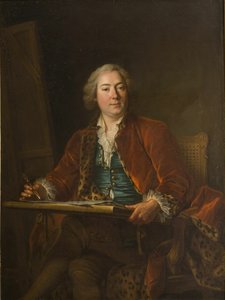
Charles-André Van Loo
1705 - 1765 , Prantsus
Lühikest infot
- Artistic Movement Or Style: Rokoko maaling
- Artists Or Movements Influenced By This Artist: ['Moderni francês skool']
- Artists Who Influenced This Artist:
- Benedetto Luti
- Pierre Le Gros
- Date Of Birth: 15. februala 1705
- Date Of Death: 15. juuli 1765
- Full Name: Charles-André van Loo
- Nationality: Prantsuse
- Notable Artworks:
- Venus ja Amor
- Halt of the Hunt
- Portret Marie Leszczynskast
- Jupiter ja Antiope
- Iisportret
- Perseus ja Andromeda
- Place Of Birth: Nice, Prantsus
Sarnased artiklid

RoKokoo: 10 Meisterteost, Mis Määritsesid Kunstisuundi | OriginalUniqueArt
Sukeldu RoKokoo maailma! Avasta 10 meistriteost, mis defineerisid kunstisuunda – prantsuse kunstnikud, kuldsed toonid ja luksuslik interjöör. Tutvu lugudega legendaarsete teoste taga & leia inspiratsiooni OriginalUniqueArt.com-ilt!
Early Netherlandish Masters: 10 Paintings That Revolutionized Art & Decor
Journey into the Early Netherlandish Renaissance! Explore 10 iconic paintings by Jan van Eyck, Rogier van der Weyden & more. Discover stunning detail, symbolism, and oil painting techniques. Find museum-quality art reproductions for your home at OriginalUniqueArt.com.

Charles-André van Loo: A Study in Rococo Portraiture & the French Court's Artistic Dynamics
Explore the elegant world of Charles-André van Loo, a master of Rococo portraiture at the French court. Discover his life, techniques, and enduring influence on 18th-century art. Hand-painted reproductions available.

Early Netherlandish Masters: 10 Paintings That Revolutionized Art & Decor
Journey into the world of Early Netherlandish painting! Explore 10 masterpieces by Jan van Eyck, Rogier van der Weyden & more. Discover stunning detail, symbolism & Renaissance art for your home decor. Find museum-quality reproductions on OriginalUniqueArt.com

Rembrandti 25 meistriteost: Valgus ja varjud Hollandi kuldajast kunstikollektsioonis
Avastage Rembrandti 25 meistriteost! Hollandi kuldajastu barokkmaalid, portreed ja ajaloolised stseenid. Leidke inspiratsiooni interjööri kujunduseks või soetage luksuslik Rembrandt reproduktsioon OriginalUniqueArt.com-ist. Avastage kogu kollektsioon veebis!