
 Eelvaade
 Saada
Saada Jaga
Jaga
 Teave teose kohta

 Laadi alla
 Sarnased teosed
 Röntgenuuring
 Slaidietendus
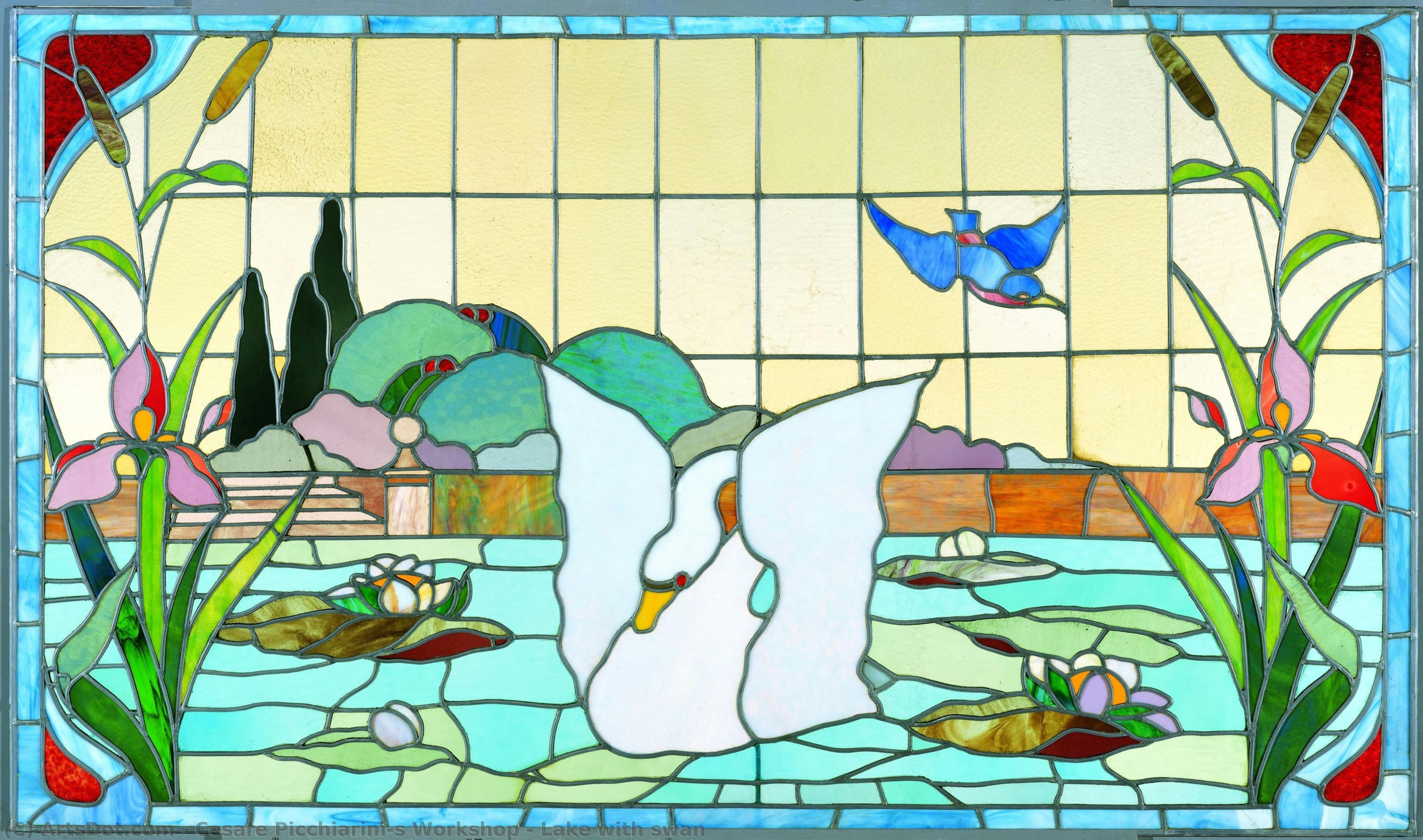
Lake with swan

 Loe lähemalt
Käsitsi valmistatud õlimaalireproduktsioon
Meie kunstnike poolt tellimusel valmistatud käsitsi maalitud õli-kainaste teos teie soovitud suuruses ja raamis. ( Osta print Osta pilt)




































Vali meie eelmääratud suurused, mis vastavad teose algupärastele proportsioonidele.

Sa võite sisestada oma mõõtmed konkreetse raami või ruumi sobivuse tagamiseks. Kui teie valitud suurus ei vasta originaalpildi proportsioonidele, siis kärvime kunstiteost või laiendame maali täiendavate käsitsi maalitud elementidega. Enne tootmise algust saadetakse teile heakskiitmiseks digitaalne eelvaade.
Palun pidage meeles, et ekraanil kuvatav eelvaade ei kajasta tegelikku kärpimist või laiendamist. Ainult eelvaade näitab täpselt lõplikku kompositsiooni.
Kuigi on saadaval kohandatud suurused, soovitame originaalproportsioonide säilimiseks valida mõõdud eelmääratletud nimekirjast.
Pärast tellimust saadab OriginalUniqueArt.com meeskond kliendile e-posti juhised ning esitab eelvaate kavandi.
Maailmline tarne 3–4 nädala jooksul tavalise 5 nädala asemel. (20 august). Kvaliteedis kompromisse ei tehta.

Tasuta ekspresssaatmine üle maailma

Kõrgekvaliteediline linakangas

Täielik transpordikindlustus

Tollimaksude tagastamise garantii

Värvitoime täpsuse garantii

60-päevane tagastusõig: ainult tootmisdefektide korral

100% raha tagasi garantii

Hulgusoodustus
 Klaasivalik on saadaval ainult suuruses kuni 110 cm

Lake with swan
Reproduktsiooni tehnika
Reproduktsiooni suurus
-


Kogusumma
$ 300
Kunstniku elulugu
The Luminous Legacy of Cesare Picchiarini’s Workshop
In the heart of Rome, where history is etched into every stone and marble monument, a different kind of light once danced through the city's most elegant interiors. This was the magic of Cesare Picchiarini’s Workshop, a sanctuary of glass and color that breathed life into the architectural grandeur of the Roman Art Nouveau era. Cesare Picchiarini (1871–1943) was not merely a craftsman but a conductor of light, inheriting a profound legacy from his father, Giuseppe. Through the laboratorio picchiarini, Cesare transformed the ancient traditions of Venetian glasswork into a modern, vibrant language that defined the aesthetic of an era. His life’s work was a bridge between the rigorous techniques of the past and the fluid, organic dreams of the Stile Liberty.
The workshop's evolution was deeply rooted in a familial devotion to excellence. Growing up amidst the scent of molten glass and the rhythmic sounds of the forge, Cesare absorbed the intricate secrets of polychrome stained glass. Upon inheriting his father’s studio on via Pozzo delle Cornicchie, he did not simply maintain a tradition; he revitalized it. At a time when the art of the stained window seemed to be in decline, Picchiarini saw an opportunity for rebirth. He looked toward the burgeoning Art Nouveau movement, embracing its rejection of rigid academic lines in favor of the undulating, naturalistic forms that were sweeping across Europe. This period marked the workshop's transition from a traditional glassmaker to a premier studio of artistic innovation.
A Symphony of Color and Nature
The true genius of the Picchiarini workshop lay in its ability to translate the ephemeral beauty of nature into permanent, luminous masterpieces. The artists within the studio mastered the art of capturing movement through glass, utilizing flowing lines and organic motifs that seemed to sway with the passing light. Their compositions often featured a botanical elegance, where the delicate curves of lilies and irises were rendered in a breathtaking palette of deep blues, lush greens, and sun-drenched yellows. These works were more than mere decorations; they were immersive environments designed to alter the very atmosphere of the spaces they inhabited.
The workshop’s creative output was characterized by several defining elements:
- Organic Fluidity: The use of sinuous, whip-lash lines that mimicked the growth patterns of vines and flowers.
- Chromatic Vibrancy: A sophisticated use of color layering to create depth and a sense of translucency even in low light.
- Symbolic Naturalism: The integration of flora and fauna, such as swallows and aquatic life, to evoke themes of renewal and grace.
Collaborative Brilliance and Architectural Impact
The historical significance of Cesare Picchiarini’s workshop is inseparable from its spirit of collaboration. Recognizing that great art often emerges from the meeting of diverse minds, Picchiarini opened his doors to the most influential architects and decorators of the Roman scene. By working alongside visionaries such as Duilio Cambellotti, Vittorio Grassi, and Umberto Bottazzi, the workshop ensured that their glasswork was perfectly integrated into the broader architectural fabric of the city. These partnerships allowed for a seamless transition between structure and ornament, where a window was not just an opening, but a vital component of a luxurious, cohesive interior design.
The impact of these collaborations reached both the private and the sacred. In the opulent residences of the Roman bourgeoisie, Picchiarini’s windows became essential luxury items, transforming private salons into jewel boxes of colored light. Simultaneously, the workshop contributed to the spiritual atmosphere of religious sites, where their mastery of light served to inspire awe and contemplation. Through this dual contribution to secular elegance and sacred devotion, Cesare Picchiarini’s Workshop left an indelible mark on the Roman landscape, ensuring that even as the decades passed, the brilliance of their glass would continue to illuminate the history of Italian art.

cesare picchiarini's workshop
1871 - , Italy
Lühikesed faktid
- Artistic Movement Or Style: Art Nouveau
- Date Of Birth: Rome, Italy (1871)
- Date Of Death: Living
- Full Name: Cesare Picchiarini
- Nationality: Italian
- Notable Artworks:
- The swallows
- Lake with swan
- Place Of Birth: Rome

