

 Vaata sisu
 Jaga teost
 Jaga
Jaga
 Detailid
 Õppekate juhend

 Laadi alla
 Sarnased teosed
 Röntgenuuring
 Slaidietendus
 Statistika
Saint Michael
 Acrylic On Canvas
- WallArt
- Late Gothic
 1476
1476 90.0 x 26.0 cm
 Riiklik Kunstigalerii
 Loe lähemalt
Käsitsi valmistatud õlimaalireproduktsioon
Meie kunstnike poolt tellimusel valmistatud käsitsi maalitud õli-kainaste teos teie soovitud suuruses ja raamis. ( Lülita trükkitoodetele Ülemineku digitaalse pildi müügi kanalisse)




P118B €10

P118H €10

P118W €10

P438Z €10

P508JH €12

P508YH €12

P805H €10

P805Z €10

P919BZ €10

P919G €10

P919XJ €10

P959ZH €10

P968JZ €12

W106C €8

W218G €10

W218JH €8

W218Y €10

W307PJ €10

W316G €10

W316PJ €8

W316Y €10

W398PJ €8

W4111J €10

W500HY €15

W500JH €15

W692G €12

W849H €8

W940BG €15

W953PJ €8




Vali meie eelmääratud suurused, mis vastavad teose algupärastele proportsioonidele.

Sisestage vajalik laius ja kõrgus, et teos sobiks teie raamile või seinale. Kuna tegu on käsipainatud teosega, siis erineva kujuga suuruse korral võib kunstnik jätta pildi ümber veidi rohkem marginaali või lõigata osa ära — valik on teie. Enne maali alustamist saadame teile kinnitamiseks digitaalse näidisprojektsiooni. Sellel lehel näidatud pilt ei kajasta tegelikku tulemust — seda näitab ainult näidisprojekttsioon.
Pärast tellimust saadab OriginalUniqueArt.com meeskond kliendile e-posti juhised ning esitab eelvaate kavandi
Maailmline tarne 3–4 nädala jooksul tavalise 5 nädala asemel. (21 oktoober). Kvaliteedis kompromisse ei tehta.

Tasuta ekspresssaatmine üle maailma

Kõrgekvaliteediline lina-kangastest muld

Täielik transpordikindlustus

Tollimaksude tagastamise garantii

Värvitoime täpsuse garantii

100 päeva tagastusõigus (ainult defektide korral)

100% raha tagasi garantii

Hulgusoodustus
 Klaasivalik on saadaval ainult kuni 110 cm suuruses teostes

Saint Michael
Reproduktsiooni materjal
Reproduktsiooni mõõtmed
-


Lõppsumma
€ 262
A Vision of Heavenly Conflict
Carlo Crivelli's "Saint Michael," painted around 1476, isn’t merely a depiction of an angel battling a demon; it’s a meticulously crafted tableau of spiritual warfare, brimming with Renaissance artistry and profound symbolism. This panel, once part of a larger altarpiece intended for the church of San Domenico in Ascoli Piceno, Italy, immediately draws the eye into a dynamic scene where youthful Michael, radiating aristocratic beauty yet possessing an undeniable ferocity, confronts the writhing embodiment of evil beneath his feet. The composition isn’t simply about physical combat; it's a carefully orchestrated visual argument between order and chaos, light and darkness, good and sin.
Crivelli, deeply influenced by the Venetian artistic traditions of Vivarini and Mantegna, masterfully employs techniques that elevate this scene beyond simple religious illustration. Notice the masterful use of foreshortening – a signature element of Crivelli’s style – which dramatically compresses the space, pulling the viewer into the heart of the battle. The devil's head, positioned prominently at the bottom of the panel, is rendered with unsettling detail, highlighting his grotesque features and desperate struggle. Conversely, Michael’s face holds an expression of serene determination, a subtle contrast to the chaotic energy surrounding him.
The Archangel: A Symbol of Divine Authority
Saint Michael isn't just any angel; he is the Archangel, the chief warrior in God’s army. Within Christian iconography, he represents divine justice, protection, and victory over evil. The halo surrounding his head, a common symbol of holiness, emphasizes his elevated status. His armor, rendered with exquisite detail – polished metal reflecting light, intricate stitching – speaks to his martial prowess and unwavering commitment to defending humanity from demonic influence. The shield he holds aloft isn’t just a defensive tool; it's a visual declaration of God’s authority and Michael’s role as its representative.
Historically, the figure of Michael has deep roots in Jewish tradition, where he served as Israel’s protector and advocate. This connection is reflected in the painting’s composition – the devil beneath Michael isn't simply a monstrous foe; he represents the forces arrayed against God’s chosen people. The scene thus resonates with themes of faith, struggle, and ultimately, triumph over adversity—a narrative that has captivated audiences for centuries.
Renaissance Technique and Emotional Resonance
Crivelli's skill as a painter is evident in the meticulous rendering of textures – the smooth sheen of Michael’s armor, the rough scales of the devil, the folds of his garments. He utilizes tempera on poplar wood, a technique favored during this period for its luminosity and ability to capture intricate detail. The use of vibrant colors—rich blues, reds, and golds—further enhances the painting's visual impact, creating a sense of drama and intensity. Beyond technical mastery, Crivelli imbues the scene with an emotional resonance that transcends mere representation; it speaks to the timeless struggle between good and evil, hope and despair.
The panel’s enduring appeal lies in its ability to evoke both awe and contemplation. It's a reminder of humanity’s vulnerability in the face of darkness, but also of the unwavering strength and protection offered by divine grace. “Saint Michael” is more than just a painting; it’s a powerful testament to the enduring themes of faith, courage, and the eternal battle between light and shadow.
Küsimused ja vastused
Kui vana oli Carlo Crivelli, kui ta loos 1476 aastal teose "Saint Michael"?
Carlo Crivelli oli 41 aastane, kui ta lõi teose "Saint Michael" aastal 1476. Empiiriline vanus on arvutatud kunstniku sünnaaasta põhjal, 1435.
Mis on teose „Saint Michael“, autor Carlo Crivelli domineeriv värv?
Teose „Saint Michael“, autor Carlo Crivelli domineeriv värv on White (#f3f0ec).
Kas on "Saint Michael" kuulus Late Gothic suunaga teos?
Teos „Saint Michael“, autor Carlo Crivelli on klassifitseeritud tasemele Recognized ning kuulub Late Gothic suunasse.
Kunstniku elulugu
varase elu ja õppimine
Itaalia renessansimaalija Carlo Crivelli sündis Venetsias umbes aastatel 1430–1435. Ta pärines maalijate perest ning sai oma kunstilise hariduse nii Venetsias kui ka Paduas. Arvatakse, et Crivelli esialgne õpetaja oli Jacobello del Fiore, kes tegutses veelgi 1436. Lisaks sellele õppis ta Venetsias Vivarinite koolkonnas.
karjäär ja stiil
Crivelli veetis oma noernes aastades Veneto piirkonda, imeldes mõju Vivarinilt, Squarcionelt ja MantegnaLT. 1458. aastaks lahkus ta Veneto piirkonnast ning veetis suure osa oma karjäärist Anconas, arendades välja eripärase isikupärase stiili, mis erineb märgatavalt tema venetsialase kaasaegase Giovanni Bellini loomingust. Crivelli tööde iseloomuliseks tunnusomust on konservatiivne hilispgootiline dekoratiivsus, mida iseloomustavad lineaalsus, suurepärane täpsus detailides ning silmapaistav "trompe l'oeil" tehnika kasutamine.
olulised teosed ja koostöö
* Carlo Crivelli maali "Madonna ja laps troonil" (106 x 55 cm, Budapesti Fine Arts muuseum, Ungari) on tema stiili suurepärane näide. * Ta tegi koostööd oma noema noema venn Vittorio Crivelliga mitmel projektil. * Tema õpilaseks ja koostööliseks sai Pietro Alemanno, maalija, kes emigreeris Saksamaalt või Austriast Ancona piirkonda.
muuseumid ja kogumused
* Milanos asuvas Pinacoteca di Brera muuseumis on näitaval Crivelli mitmed teosed, sealhulgas "Pietà" (128 x 241 cm). * Venetsias asuvas San Giovanni in Bragora muuseumis on kogutud kunstiteoseid erinevatest ajastu ja stiilidest, sealhulgas mõned teosed, mida atribuutseeritakse Crivellile.
- vaata Carlo Crivelli teoseid OriginalUniqueArt.com lehel
- uurida Jacopo Robusti teoseid OriginalUniqueArt.com lehel
- luge mine rohkem Carlo Crivelli kohta Wikipedias
Crivelli pärand inspireerib jätkuvalt nii kunstihuvilisi kui ka teadureid, ning tema töö on tõend püsivale jõule, mida peitub konservatiivses hilispgootilises dekoratiivses tundlikuses.

Carlo Crivelli
1435 - 1495 , Italia
Lühikest infot
- Artistic Movement Or Style: Hilisgootika/Renessanss
- Artists Or Movements Influenced By This Artist: ['Giovanni Bellini']
- Artists Who Influenced This Artist:
- Jacobello del Fiore
- Vivarini
- Squarcione
- Mantegna
- Date Of Birth: u. 1430-35 Veneetsia
- Date Of Death: u. 1495 Itaalia
- Full Name: Carlo Crivelli
- Nationality: Itaalia
- Notable Artworks:
- Madonna ja laps
- Püha Bartolomeus
- Püha Roch
- Place Of Birth: Veneetsia, Itaalia
Sarnased artiklid

Giovanni Fattori: Realism, Identity & the Tuscan Landscape – A Macchiaioli Master
Explore the life & art of Giovanni Fattori, a leading figure of the Macchiaioli movement. Discover his revolutionary realism, captivating Tuscan landscapes, and lasting impact on Italian painting. Learn more at OriginalUniqueArt.

Divine Nature: Exploring the Sacred Iconography and Masterpieces of Saint Francis
Embark on a profound journey through art history with our exploration of Saint Francis's most iconic works. Discover Giotto’s revolutionary frescoes and the spiritual depth of Proto-Renaissance masterpieces through an expert lens for the true classic art enthusiast.
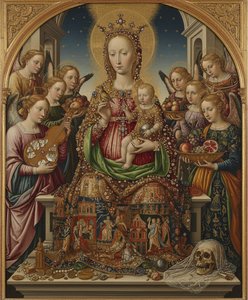
Carlo Crivelli: Mysticism & Materiality in Renaissance Venice
Explore the captivating world of Carlo Crivelli, a Renaissance master blending Gothic detail with profound symbolism. Discover his unique style & lasting influence on Venetian art history.
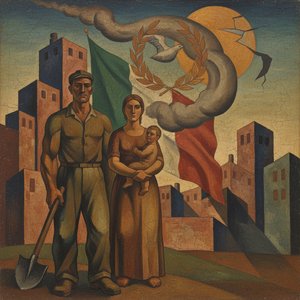
Mario Sironi: A Poetic of Modern Italian Identity Through Symbolism & Social Commentary
Explore the profound works of Mario Sironi, a key figure in Italian Modernism. Discover his evolution from Futurism to Metaphysical painting and his powerful social commentary. Learn about his legacy at OriginalUniqueArt.

Mastering Devotion: The Most Iconic Depictions of Saint Jerome in Art History
Explore the profound iconography of Saint Jerome through art history's most iconic masterpieces. From Renaissance serenity to Baroque drama, discover how legendary painters captured divine devotion in breathtaking oil paintings and fine art reproductions.
