
 Eelvaade
 Saada
Saada Jaga
Jaga
 Teave teose kohta
 Juhend

 Laadi alla
 Sarnased teosed
 Röntgenuuring
 Slaidietendus
 KÜSIMUSED JA VASTUSID
 Statistika
The Woods near Spandau

- 73.0 x 102.0 cm


 Loe lähemalt
Giclée / Kunstiprint
Muuseumikvaliteediga giclée- või kangasprint kiire tootmisega ja paindlikud viimistlusvõimalused. ( Osta käsitsi maalatud teos Lülita digitaalse pildi juurde)




P118B €10

P118H €10

P118W €10

P438Z €10

P508JH €12

P508YH €12

P805H €10

P805Z €10

P919BZ €10

P919G €10

P919XJ €10

P959ZH €10

P968JZ €12

W106C €8

W218G €10

W218JH €8

W218Y €10

W307PJ €10

W316G €10

W316PJ €8

W316Y €10

W398PJ €8

W4111J €10

W500HY €15

W500JH €15

W692G €12

W849H €8

W940BG €15

W953PJ €8




Vali meie eelmääratud suurused, mis vastavad teose algupärastele proportsioonidele.

Sisestage vajalik laius ja kõrgus, et see sobiks teie raamile või seinale. Trükki saab ainult lõigata, seda ei saa kunagi pildist suuremaks teha, seega ka erineva mustega suurus kaotab osa pildist. Enne trükkimist saadame teile kinnitamiseks digitaalse näidisprojektsiooni. Sellel lehel näidatud pilt ei kujuta reaalset lõiget — seda näitab ainult näidisprojektsioon.
Ülemaailmne tarne () 2 nädala jooksul, tavalise 4/5 nädala asemel. (6 november)

Tasuta ekspresssaatmine üle maailma

Kõrgekvaliteediline lina-kangas

Täielik transpordikindlustus

Tollimaksude tagastamise garantii

Värvitoime täpsuse garantii

100 päeva tagastusõigus (ainult valmistusdefektide korral)

100% raha tagasi garantii

Hulgusoodustus
 Klaasivalik on saadaval ainult kuni 110 cm suuruses teostes

The Woods near Spandau
Giclée / Kunstiprint
Reproduktsiooni suurus
-


Koguhind
€ 72
A Twilight Reverie in the German Woods
In the quiet transition between day and night, Carl Blechen’s 1834 masterpiece, The Woods near Spandau, captures a moment of profound atmospheric stillness. This evocative landscape does not merely depict a forest; it invites the viewer into a sensory experience where the boundaries between reality and dream begin to blur. As the sun retreats, leaving behind a lingering glow upon a distant architectural silhouette—perhaps the Spandau Cathedral—the painting establishes a sense of deep, contemplative solitude. The composition is masterfully orchestrated, utilizing the converging lines of ancient, towering trees to create a natural corridor that draws the eye through the shadows and toward a soft, luminous focal point in the distance.
The emotional resonance of the work lies in its ability to evoke both mystery and peace. A solitary figure wanders along a darkened, muddy path, serving as a poignant symbol of the human journey through the vast, often overwhelming complexities of nature. This presence of a lone traveler heightens the Romantic theme of introspection, suggesting a soul in communion with the wilder, more shadowed aspects of the world. For the collector or designer, this piece offers a sophisticated emotional anchor, bringing a sense of quiet drama and historical depth to any curated space.
Mastery of Light and Romantic Technique
Blechen was a pioneer of the Romantic movement, known for eschewing the overly idealized vistas of his predecessors in favor of a more visceral, atmospheric realism. In The Woods near Spandau, his technique is nothing short of transformative. He employs a palette dominated by the earthy, muted tones of the woodland—deep browns, mossy greens, and charcoal greys—yet he breaks this somberness with strategic strokes of cerulean and pale gold. These highlights, caught in the canopy or reflecting off distant structures, create a rhythmic interplay of light and shadow that breathes life into the canvas.
The texture of the painting is palpable, achieved through loose, confident brushstrokes that suggest the ruggedness of tree bark and the delicate, shimmering movement of leaves caught in a twilight breeze. This tactile quality is essential to the artwork's impact; it moves beyond mere representation to create an immersive environment. The use of atmospheric perspective—where distant elements appear softer and more ethereal—adds a layer of profound depth, making the forest feel as though it extends infinitely into the mist. Such technical brilliance ensures that a high-quality reproduction remains a captivating centerpiece, preserving the subtle nuances of Blechen’s legendary hand.
A Timeless Addition to the Modern Interior
Beyond its historical significance, The Woods near Spandau possesses an enduring aesthetic versatility that appeals to the contemporary eye. Its dark, moody tonality makes it an exquisite choice for interior designers looking to create a "moody" or "dark academia" aesthetic, providing a sophisticated contrast against lighter wall tones or complementing rich, velvet textures in a study or library. The painting’s ability to command attention through subtle movement rather than loud color allows it to integrate seamlessly into luxurious, understated environments.
Owning a reproduction of this caliber is an opportunity to possess a fragment of German Romanticism. It serves as a window into a period when artists first began to grapple with the changing landscape of a modernizing world, finding beauty in the interplay between the natural and the man-made. Whether placed in a grand salon or a quiet reading nook, this artwork continues to inspire awe, offering a perennial sanctuary of light and shadow for those who appreciate the profound beauty of the natural world.
Korduvad küsimused
Kas teos "The Woods near Spandau" on ilma autoriõigusteta?
Autoriõiguse teave teose „The Woods near Spandau“, autor Carl Blechen kohta: teos kuulub luba ala avalikus õiguses – selle autoriõigud onหมดunud. See määrab, kas kujundist on lubatud vabadelt reproduktsioone teha.
Kuidas saan tellida teose „The Woods near Spandau“, autor Carl Blechen trükki?
Teose „The Woods near Spandau“, autor Carl Blechen trüket saate tellida otse selle Kvaliteetne kunstutrüki print lehelt: kunstiprint puuvillalõikel kangas või arhiveeritaval kangaspaberil.
Millist tehnikat teose "The Woods near Spandau" valmistamisel kasutati ja millal see loodi?
Teos "The Woods near Spandau" valmis aastal 1834, kasutades tehnikat Oil On Canvas.
Kunstniku elulugu
Varase Industrialiseerimise Pioneer: Carl Blecheni Elu ja Kunst
Carl Eduard Ferdinand Blechen, sündinud 1798. aastal Cottbuses Saksamaal, omab ainulaadset ja sageli tähelepanuta jäetud kohta maalikunstis. Tema elu oli märgitud nii kunstilisest sära kui ka isiklikust sisemise rahutusega, mis mõjutas sügavalt tema väljendusrikast ja murrangulist loomingut. Esialgu määrati perekondlike finantsiliste piirangute tõttu pragmatiline karjäär panganduses, kuid Blecheni sisemine kunstipüüdlus võitis lõpuks. Ta jätkas õpinguid Berliini Kunstiakadeemias 1822. aastal, alustades teed, mis viis ta esimeseks kunstnikuks, kes pidi silmitsi seisma varajase industrialiseerimise esteetiliste väljakutsetega – ja võimalustega.
Blecheni kujunemisaastad olid sügavalt juurdunud Euroopat tabanud romantilistesse ideaalidesse. Kuid erinevalt paljudest kaasaegsetest kunstnikest, kes keskendusid ainult idealiseeritud loodusilule või ajaloolisele suursugemususele, pööras Blecheni pilk muutuvale maailmale. Pöördeline reis Itaaliasse 1828.-1829. aastal osutus murranguliseks. Sukeldudes itaalia maastiku valgusesse ja atmosfääri, ta täiendas oma oskusi *plein air* joonistamises, tabades hämmastava tundlikkusega mööduvaid hetki ja dramaatilisi efekte. Need visandid ei olnud pelgalt ettevalmistavad uuringud; need olid täis elavat energiat, mis iseloomustaks tema küpset stiili. Ta naasis Berliini mitte ainult tehniliselt pädevana, vaid kunstnikuna eristuva nägemusega – nägemusega, mis püüdis leppida looduse sublime ilu kaasaegse modernsuse pealetungiga.
Traditsiooni ja Muutuste Navigeerimine
Blecheni loomingut iseloomustab veenv pingutus romantilise tundlikkuse ja iduneva realismi vahel. Ta ei kartnud kujutada kasvavat tööstusmaastikku, kuid ei tähistanud seda ka kritiseerimata. Teosed nagu Bau der Teufelsbrücke (Kuradi silla ehitus), mis on maetud aastatel 1830–1832, näitavad seda lähenemist. Maal ei glorifitseeri inseneri saavutust; selle asemel esitab see stseeni raske töö kohta dramaatilises taustas, vihjates nii inimlikule ambitsioonile kui ka loodusliku korra häirimise võimalusele. See valmisolek silmitsi seista oma aja keerukusega eristab teda paljudest kaasaegsetest kunstnikest.
Tema maastikud on sageli täis melanhoolset atmosfääri, mis peegeldab mitte ainult muutuvat füüsilist keskkonda, vaid ka tema sisemisi võitlusi. Näiteks Waldweg bei Spandau (Metsatee Spandaus) tekitab tunde üksindust ja introspektsiooni, demonstreerides samal ajal Blecheni meisterlikkust valguse ja varju kasutamisel. Ta kasutas oskuslikult atmosfääriperspektiivi sügavuse ja meeleolu loomiseks, tõmmates vaataja stseenis ja kutsudes mõtisklema. Ta ei piirdunud sellega, et talletada seda, mida ta nägi; ta edastas emotsionaalset vastust sellele.
Probleemne Geenius ja Püsiv Pärand
Vaatamata oma kunstilistele saavutustele lühendas Blecheni elu traagiliselt vaimuhaigus. 1831. aastal Berliini Kunstiakadeemia maalikunstiprofessoriks nimetamine – tunnistus tema kasvavast kuulsusest – tema seisund hakkas pärast 1935. aastat kiiresti halvenema. Sunnitud puhkusele minema ja lõpuks haiglasse voodi pidama, jätkas ta kunsti loomist isegi oma kannatuste keskel, tootes südant puudutavaid joonistusi, mis pakuvad pilku tema probleemsele sisemisele maailmale. Ta suri Berliinis 1840. aastal 41-aastaselt.
Kuigi tema karjäär oli suhteliselt lühike, on Carl Blecheni mõju järgnevatele kunstnike põlvedele vaieldamatu. Tema murrangulised tööstusmaastikud rajasid tee hilisematele realistlikele ja impressionistlikule maalikunstnikele, kes püüdsid tabada kaasaegse elu muutuvat nägu. Ta tõestas, et isegi transformatsiooni keskel on võimalik leida ilu – ja tähendust, õppetund, mis jätkab kunstnikke tänapäeval inspireerides ja väljakutseid esitades. Tema töö jääb võimsa meeldetuletusena keerulistest suhetest inimkonna, looduse ja progresseerumise vahel.
Põhitööd & Kogud
- Im Berliner Tiergarten (Berliini loomaaed), 1825: Varane näide tema võimest tabada atmosfääriefekte ja igapäevaseid stseene romantilise tundlikkusega.
- Waldweg bei Spandau (Metsatee Spandaus): Kummitav maastik, mis on näide tema meisterlikkusest valguse, varju ja meeleolu kasutamisel.
- Bau der Teufelsbrücke (Kuradi silla ehitus), 1830–32: Murranguline kujutus varajase industrialiseerimise kohta, mis näitab nii inimlikku ambitsiooni kui ka selle mõju loodusmaailmale.
Tänapäeval võib Blecheni töid leida silmapaistvatest muuseumikogudest üle maailma, sealhulgas Saksamaal Bielefeldi Kunsthallis, Cambridge'i Fitzwilliami Muuseumis ja Londoni Rahvusgaleriis. Need institutsioonid säilitavad tema pärandi tulevaste põlvede jaoks, tagades, et tema uuenduslik nägemus jätkab inspireerimist ja väljakutseid esitades vaatajaile.
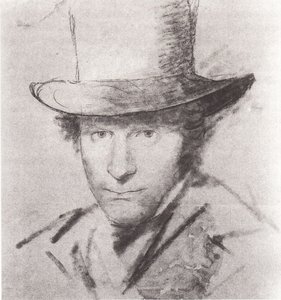
Carl Blechen
1798 - 1840 , Saksamaa
Lühikest infot
- Artistic Movement Or Style: Romantism
- Artists Who Influenced This Artist:
- Caspar David Friedrich
- Johann Christian Dahl
- Date Of Birth: 29. juuli 1798
- Date Of Death: 23. juuli 1840
- Full Name: Carl Eduard Ferdinand Blechen
- Nationality: Saksamaa
- Notable Artworks:
- Im Berliner Tiergarten
- Waldweg bei Spandau
- Bau der Teufelsbrücke
- Place Of Birth: Cottbus, Saksamaa
Sarnased artiklid

Romantilise Maastikukunsti 10 Meisterteost: Kunstiteosed Koduks OriginalUniqueArt.com'ist
Avastage 10 romantilise maastikukunsti meistriteost! Tutvuge Caspar David Friedrichi, J.M.W. Turneri ja teiste suurte kunstnike loominguga OriginalUniqueArt.com-is. Leidke täiuslik õlimaal või reproduktsioon koduks – inspireeriv kollektsioon ootab!

The Sublime and the Picturesque: Exploring Emotion & Nature in Romantic Landscape Painting
Explore the emotional power of Romantic landscape painting! Discover the sublime & picturesque traditions, key artists like Friedrich & Cole, and find your perfect artwork at OriginalUniqueArt.

Evoking Nature's Sublime: A Comprehensive Exploration of 19th-Century Landscape Painting
Explore the captivating world of 19th-century landscape painting! Discover renowned artists like Friedrich & Monet, key movements, and find the perfect artwork to bring nature's serenity into your home. Expert insights at OriginalUniqueArt.

Evocations of Place: A Historical Journey Through Landscape Art
Explore the rich history of landscape art with OriginalUniqueArt. Discover renowned artists, movements like Impressionism & Romanticism, and expert guidance for collecting timeless pieces. Find your perfect serene escape today!
The Sublime and the Picturesque: Exploring Emotion & Nature in Romantic Landscape Painting
Explore the emotional power of Romantic landscape painting! Discover the sublime & picturesque aesthetics, key artists like Friedrich & Cole, and lasting influence on art history. Find your perfect piece at OriginalUniqueArt.