Futurism · 1936
Bridge (Joseph Stella, 1936)
Joseph Stella (1877–1946) on loonud teose Bridge. See on pärinev 1936 aastast. See kuulub Futurism suuntrime. Teos on valmistatud materjalist Oil On Canvas. Teos asub San Francisco Museum of Modern Art kogamuses San Francisco, USA. Mõõdud on 127.3 × 76.5 cm.
- 1936
- Oil On Canvas
- 127.3 × 76.5 cm
- San Francisco Museum of Modern Art

 Eelvaade

 Saada
 Jaga
 Teave teose kohta


 Laadi alla
 Sarnased teosed
 Röntgenuuring
 Slaidietendus
 KÜSIMUSED JA VASTUSID

 Statistika
Bridge lühidalt
- Pealkiri
- Bridge
- Kunstnik
- Joseph Stella (1877–1946)
- Kunstnik on sündinud
- Muro Lucano, Itaalia
- Kuupäev
- 1936
- Tehnika
- Oil On Canvas
- Mõõtmed
- 127.3 × 76.5 cm
- Kus seda näeb
- San Francisco Museum of Modern Art, San Francisco, USA
- Suunad
- Futurism
- Aeglkond
- Modern
- Teema
- bridge, architecture, blue, black, silver, lines
Mida Bridge kujutab?
Identification of the Artwork Bridge
Joseph Stella created Bridge in 1936. This painting captures a structural rhythm through the medium of oil on canvas. It belongs to the Precisionist style, where the geometry of the modern age finds its form in pigment and cloth.
The work exists as a Precisionist Oil on Canvas Painting. It is a painting that translates the hard edges of industry into a fixed, silent arrangement. The steel and the sky are held within the weave of the fabric.
A stillness settles over the composition. The lines remain fixed.
Visual Composition and Style
The composition is a study in structural dynamism, driven by a Futurist-inspired energy. Strong verticality meets sweeping curves to create a sense of upward motion and industrial power. Sharp vertical stripes cut through the space, providing a rigid counterpoint to large, graceful parabolic arcs that sweep across the frame. These elongated, geometric shapes overlap in planes that suggest a deep, converging perspective.
A cool color palette governs the work. Deep blacks and various shades of blue, from cyan to navy, anchor the composition. Metallic silvers and whites catch the light, while glowing teal circles at the bottom suggest artificial illumination or light reflecting off steel. The texture appears smooth and blended, as if rendered in pastel or charcoal on paper, creating soft gradients within the hard-edged geometric structure. The style aligns with both Futurism and Precisionism, focusing on the rhythmic energy of urban architecture.
Technical Details and Materials
The work is an oil on canvas painting. The medium carries the weight of the structure through layered pigments. Each stroke defines a plane of light or a shadow of steel. The surface holds the tension of the composition within its woven fibers.
The dimensions of the piece are 127.3 x 76.5cm. This translates to 50 1/8 × 30 1/8 in. The scale provides a window into the geometric rhythm of the subject. It occupies a space that balances the verticality of the lines with the breadth of the frame. The physical presence of the canvas supports the structural clarity of the design.
The paint settles into the grain. It creates a smooth, blended texture that mimics the soft gradients of light on metal. The application of oil allows for the precise edges required by the style. A quiet stillness remains within the pigment.
Current Location and Collection
The painting resides within the San Francisco Museum of Modern Art in the United States. It is a permanent part of the San Francisco Museum of Modern Art collection. The work is held at the San Francisco Museum of Modern Art, the United States.
This piece belongs to the Collection SFMOMA. Its history is tied to the United States General Services Administration, formerly the Federal Works Agency and the Works Projects Administration. It was allocated to the San Francisco Museum of Modern Art. The steel and light of the composition remain preserved within these walls.
Kumba muuseumis asub teos Bridge?
San Francisco Museum of Modern Art
San Francisco, USA
Institutsiooni algus ja ajalugu San Francisco Museum of Modern Art loodi aastal 1935. Juhi Grace L. McCann Morley eestjuhis asus institutsioon algselt nimega San Francisco Museum of Art.


Bridge kõrge resolutsiooniga pildid

Avalik omanik: kunstnik suri aastal 1946.
Teised laiused, uueste lõikud ja alluding →Joseph Stella, Bridge (1936), San Francisco Museum of Modern Art. Avalik omaniklik õigus
Küsimused teemal Bridge – vastused
Millises muuseumis on säilitatud originaal "Bridge"?
Teos „Bridge“, autor Joseph Stella on näitustel San Francisco Museum of Modern Art, San Francisco, USA. Muuseumi keterangane viitab originaalteosele, mitte reproduktsioonidele.
Mis aastal loodi teos „Bridge“, autor Joseph Stella?
Teose „Bridge“, autor Joseph Stella loomimisaastaks on märgitud 1936.
Millist tehnikat teose „Bridge“, autor Joseph Stella valmistamisel kasutati?
Teose „Bridge“, autor Joseph Stella materjal on Oil On Canvas. Reproduktsioonide eesmärk on jälitada selle tehnika välimust.
Mis on originaalteose "Bridge" mõõdud?
Teose „Bridge“, autor Joseph Stella mõõdud on 127.3 x 76.5cm. Reproduktsioone saab tellida muutes mõõtust, säilitades samal ajal samad proportsioonid.
Mille kohta teos "Bridge" on?
„Bridge“, autor Joseph Stella kujutab: bridge, architecture, blue, black, silver, lines, circles.
Kas teose „Bridge“, autor Joseph Stella pilt on vabalt reproduseeritav?
Teos „Bridge“, autor Joseph Stella on lubaõiguslikult avalikus õiguses – selle autoriõigud onหมดunud. See staatus reguleerib teose pildi reprodüseerimise võimalusi.
Millisele kunstnikule on teos "Bridge" atribuutseeritud?
Teose "Bridge" loovija on Joseph Stella. Selle lehe info kirjeldab Joseph Stella algteost.
Millissele stiilile kuulub "Bridge"?
Teos „Bridge“, autor Joseph Stella kuulub Futurism suunasse. See suund annab teosele stilistilise konteksti.
Kuhu Joseph Stella loomingulisse perioodi kuulub teos "Bridge"?
Teos "Bridge" esindab kunstniku Joseph Stella loovperioodi Mature Period.
Kunstnikust, Joseph Stella

1877–1946, Itaalia
Joseph Stella
Sild maailmade vahel: Joseph Stella elu ja kunst Sündides Itaalia väikeses Muro Lucano külas aastal 1877, oli Joseph Stella teekond pideva uuenemise ja modernsust täis kannatusega. Kuigi pärast tema perekonna emigreerimist New Yorki aastal 1896 oli ta alguses suunatud meditsiini karjäärile, tõmbas kunst teda kiiresti ligi. Ta loobis meditsiiniõpingud, et õppida Art Students League'is ja hiljem William Merritt Chase juhendamisel New York School of Art'is. Tema varajased tööd peegeldasid karmit realism, kujutades linna slummidest immigrantide elu rasket tegelikkust – see oli kaugevalt kaugelt tema täiskasvanulise stiili iseloomustavast vibrantne dünaamika.
Ka Joseph Stella teosed
 Untitled (432)
 Portrait of a Young Man1909
 Study for Battle Of Lights, Coney Island, Mardi Gras1913
 Cypresses Tree Trunk1927
Essee teemadel Bridge
 Spontaneity and Matter: Distinguishing CoBrA from Art InformelMaster the differences between CoBrA and Art Informel with our expert guide. Learn to identify these post-war movements today.
 Visual Velocity: Analyzing the Principles of Kinetic Energy in Futurism and Abstract ArtMaster the principles of kinetic energy from Futurism to Abstraction. Explore how artists capture motion on canvas today.
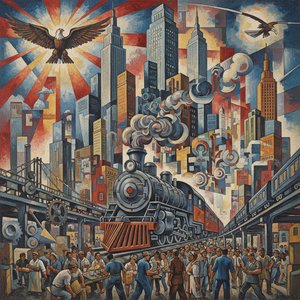 Joseph Stella: Modernism's Dynamic Vision of Industry, Urban Life & the American SpiritExplore the captivating world of Joseph Stella, a pioneer of American Modernism. Discover his iconic depictions of industry, urban life & t…