
 Eelvaade
 Saada
Saada Jaga
Jaga
 Teave teose kohta
 Juhend

 Laadi alla
 Sarnased teosed
 Röntgenuuring
 Slaidietendus
 Q&A
Q&A Statistika
Death on a Pale Horse


 Loe lähemalt
Giclée / Kunstiprint
Muuseumikvaliteediga giclée- või kangasprint kiire tootmisega ja paindlikud viimistlusvõimalused. ( Osta käsitsi maalatud teos Lülita digitaalse pildi juurde)




P118B €10

P118H €10

P118W €10

P438Z €10

P508JH €12

P508YH €12

P805H €10

P805Z €10

P919BZ €10

P919G €10

P919XJ €10

P959ZH €10

P968JZ €12

W106C €8

W218G €10

W218JH €8

W218Y €10

W307PJ €10

W316G €10

W316PJ €8

W316Y €10

W398PJ €8

W4111J €10

W500HY €15

W500JH €15

W692G €12

W849H €8

W940BG €15

W953PJ €8




Vali meie eelmääratud suurused, mis vastavad teose algupärastele proportsioonidele.

Sisestage vajalik laius ja kõrgus, et see sobiks teie raamile või seinale. Trükki saab ainult lõigata, seda ei saa kunagi pildist suuremaks teha, seega ka erineva mustega suurus kaotab osa pildist. Enne trükkimist saadame teile kinnitamiseks digitaalse näidisprojektsiooni. Sellel lehel näidatud pilt ei kujuta reaalset lõiget — seda näitab ainult näidisprojektsioon.
Ülemaailmne tarne () 2 nädala jooksul, tavalise 4/5 nädala asemel. (1 november)

Tasuta ekspresssaatmine üle maailma

Kõrgekvaliteediline lina-kangas

Täielik transpordikindlustus

Tollimaksude tagastamise garantii

Värvitoime täpsuse garantii

100 päeva tagastusõigus (ainult valmistusdefektide korral)

100% raha tagasi garantii

Hulgusoodustus
 Klaasivalik on saadaval ainult kuni 110 cm suuruses teostes

Death on a Pale Horse
Giclée / Kunstiprint
Reproduktsiooni suurus
-


Koguhind
€ 71
The Genesis of Despair – Benjamin West’s “Death on the Pale Horse”
Benjamin West's "Death on a Pale Horse," painted in 1796, isn't merely a depiction of a biblical scene; it’s an immersive plunge into the heart of human anxiety and the sublime terror of impending doom. Born amidst the burgeoning intellectual currents of colonial America, West was a painter who defied easy categorization, seamlessly blending Neoclassical restraint with Romantic fervor. This particular work, one of three versions created around the same time, stands as a testament to his ability to capture not just outward appearances but also the profound emotional weight of historical and religious narratives. The painting’s genesis lies in the chilling verses of Revelation 6:7-8 – “And when he opened the fourth seal, I heard the voice of the fourth beast say, Come and see. And I looked, and behold a pale horse; and his name that sat on him was Death, and Hell followed with him.” West wasn’t simply illustrating scripture; he was grappling with the anxieties of his era – the turbulent political landscape of Europe, marked by revolution and war, and a growing sense of uncertainty about the future. The composition itself is deliberately chaotic, reflecting the apocalyptic imagery it portrays, yet grounded in a carefully constructed arrangement that draws the viewer into the maelstrom.
A Symphony of Darkness and Light – Technique and Style
West’s masterful technique elevates “Death on a Pale Horse” beyond a simple illustration. He employs a dramatic chiaroscuro—a stark contrast between light and shadow—to create an atmosphere thick with foreboding. The palette is dominated by deep, bruised purples, somber browns, and the sickly yellow of the pale horse itself, evoking a sense of decay and impending mortality. The figures are rendered with meticulous detail, their faces contorted in expressions of agony and despair, yet imbued with a haunting beauty. Notice particularly the angel on the left, his face etched with sorrow as he witnesses the carnage; his posture conveys both helplessness and profound grief. The use of loose brushstrokes in the background adds to the sense of movement and chaos, while more controlled strokes define the central figures, anchoring the scene within a framework of dramatic intensity. The painting’s scale—a monumental 447 cm x 764.5 cm—further amplifies its impact, enveloping the viewer in the horrifying spectacle.
Symbolism Woven into the Apocalypse – Horses, Angels, and Humanity
Beyond the immediate depiction of a battle between good and evil, “Death on a Pale Horse” is rich with symbolic meaning. The pale horse itself, ridden by Death, is the most potent symbol—a harbinger of destruction and decay. The accompanying figure of Hell, often depicted as a winged demon, reinforces this theme of ultimate annihilation. However, West doesn’t simply portray a passive victimhood; the painting also features angels engaged in fierce combat, representing the struggle between divine forces. The human figures scattered across the battlefield—some falling, some fleeing—represent humanity caught in the crossfire of cosmic conflict. The inclusion of various animals – horses, birds, and even a lion – adds layers of complexity to the symbolism, suggesting the indiscriminate nature of death and destruction. The overall effect is not merely a depiction of a single event but an exploration of universal themes of mortality, suffering, and the fragility of human existence.
A Legacy of Vision – Historical Context and Artistic Significance
“Death on the Pale Horse” emerged during a period of profound social and political upheaval in Europe. The French Revolution was raging, Napoleon’s armies were conquering vast territories, and anxieties about the future were widespread. West's painting reflects this atmosphere of uncertainty and fear, capturing the sense that order was collapsing and chaos reigned supreme. Furthermore, the work aligns with the broader artistic trends of the late 18th century, particularly the rise of the “Sublime”—a concept emphasizing awe-inspiring beauty combined with a sense of terror or dread. West’s painting exemplifies this aesthetic, evoking feelings of both fascination and horror in the viewer. It's considered one of his most significant works, alongside "The Death of General Wolfe" and "Benjamin Franklin Drawing Electricity from the Sky," solidifying his position as a pivotal figure in American art history. Reproductions of this powerful image continue to resonate with audiences today, reminding us of our shared vulnerability in the face of mortality.
Korduvad küsimused
Milleks on teose „Death on a Pale Horse“, autor Benjamin West reproduktsiooni soovitatud kasutada?
Prindi "Death on a Pale Horse" soovituslik kasutus on Statement.
Kas on olemas sarnaseid teoseid kui "Death on a Pale Horse"?
Teosed, mis sarnanevad teosega "Death on a Pale Horse", on loetletud selle teose Sarnased teosed lehel.
Kust leian juhendi teose "Death on a Pale Horse" kohta?
Juhend teose "Death on a Pale Horse" kohta on selle Õppekasutusjuhend leht – trükkiv infoleht, mis esitab teose koos pealkirja, autori ja identifiekatsioonitabeliga (kunstnik, kuupäevad, tehnika, algne suurus, kollektsioon).
Kunstniku elulugu
Pioneeride Sild: Benjamin Westi Elu ja Pärand
Benjamin West sündis 1738. aastal Pennsylvania koloonia õitsevas maastikus ning kujunes oluliseks figuuriks transatlantilises kunstimaailmas. Ta oli maalija, kes oskuslikult navigeeris neoklassitsismi ja romantismivoolude vahel, luues samal ajal unikaalse ameerikaliku kunstilise identiteedi. Tema lugu on tähelepanuväärse eneseharimise, vankumatu ambitsiooni ning erakordse võime ühendada aristokraatlikke patrone ja revolutsioonilisi ideaale lugu. Alates tagasihoidlikest algustest – tema isa oli Springfieldis kõrtsipidaja – kasvatati Westi varajane talent kunstile, õppides arvatavasti põhilisi tehnikaid kohalikelt indiaanlastelt enne formaalset koolitust. See ebatavaline algus andis talle kogu karjääri jooksul iseloomuliku uuendusmeele. Ta kindlustas kiiresti endale ihaldatud portreekunstniku maine Philadelphias ja New Yorgis, kuid teadmiste janu viis ta 1760. aastal Euroopasse, ettevõtlikku reisi, mis muutis pöördumatult ameerika kunsti kulgu.Itaaliast Londonisse: Tee Tunnustuse Suunas
Westi saabumine Itaaliasse tähistas murrangut. Sukeldudes Euroopa kunstikeskusesse õppis ta meistreid – Titiani, Raphaeli – ja suhtles kaasaegsete neoklassitsismi mõtlejatega nagu Anton Rafael Mengs ja Angelica Kauffman. See periood oli otsustav tema esteetilise tundlikkuse kujundamisel, süütades temas klassikaliste vormide ja ajaloolise narratiivi hindamise. Kuid Londonist sai lõpuks tema kodu ja kunstiline keskus. 1763. aastal saabunud West tõusis kiiresti Briti kunstimaailma redelil, lummates publikut oma ambitsioonikate lõuenditega ning kindlustades kuningas George III patroonage’i. See kuninga toetus ei taganud mitte ainult finantsiaalset stabiilsust, vaid kinnistas ka tema positsiooni juhtiva figuurina eliidis. Oluline hetk saabus 1769. aastal, kui ta valiti Kuninglikku Akadeemiasse – institutsiooni, mille presidendiks ta hiljem tõusis 1792. aastast kuni oma surmani. Tema mõju ulatus kaugemale tema enda kunstilistest loomingutest; West sai Ameerika kunstnike toetajaks, kes otsisid Euroopas koolitust, pakkudes juhendamist ja tuge põlvkondadele ambitsioonikaid maalikunstnikke nagu Allston, Copley ja Morse.Ajaloolise Maalimis Revolutsioneerimine: Tehnika ja Vaidlused
Westi mõju kunstimaailmale ei seisnenud mitte ainult tehnilises meisterlikkuses; see puudutas konventsioonide väljakutsemist. Ta julges ümber kujundada ajaloolist maalikunsti, liikudes eemale klassikaliste eelarvamuste rangest järgimisest ja omaks võttes kaasaegsema tundlikkuse. Generali Wolfe surm (1770), arvatavasti tema kuulsaim teos, on selle revolutsioonilise lähenemise näide. Kujutades langenud kindralit ümbritsetud figuuridega *kaasaegses* sõjaväevormis, mitte traditsioonilises Rooma riietuses, tõi West kaasa olulisi arutelusid. Kriitikud küsisid ajaloolist täpsust, kuid publikut võlus stseeni vahetu ja emotsionaalne resonants. See julge samm tähistas nihket suurema realismi ja narratiivse jõu suunas ajaloolises maalikunstis, mõjutades lugematuid kunstnikke, kes järgnesid. Tema stiil arenes aja jooksul, lisades hilisemates töödes romantismielemente, säilitades samal ajal pühendumuse ambitsioossele kompositsioonile ja detailsele täitmisele. Muud silmapaistvad teosed nagu Thetis Bringing the Armor to Achilles, The Three Sisters, The Fright of Astyanax ja The Cave of Despair demonstreerivad tema mitmekülgsust ja meisterlikkust erinevates mütoloogilistes ja ajaloolistes teemades.Püsiv Pärand: Kunstilise Identiteedi Kujundamine
Benjamin Westi pärand ulatub kaugele tema loodud lõuenditest. Ta muutis põhjalikult ameerika kunsti maastikku, kehtestades ajaloolise maalikunsti elupäevaseks žanriks ameerika kunstnike jaoks ja edendades rahvusliku kunstilise identiteedi tunnet. Tema Kuningliku Akadeemia presidendiamet kinnistas tema mõju Briti kunstile, propageerides uuendust ja toetades uusi talente.- Ta pooldas juurdepääsematumat ja emotsionaalselt kaasahaaravat ajaloolise esinduse stiili.
- Tema stuudiost sai ameerika kunstnike pelgupaik, kes otsisid Euroopas koolitust.
- Ta ühendas neoklassitsistlikud ideaalid kasvava romantismiliikumusega.

Benjamin West
1738 - 1820 , Ameerika Ühendriigid
Lühikest infot
- Artistic Movement Or Style: Neoklassitsism, Romantism
- Artists Or Movements Influenced By This Artist:
- Allston
- Copley
- Artists Who Influenced This Artist:
- Titian
- Raphael
- Date Of Birth: 1738-10-10
- Date Of Death: 1820-03-11
- Full Name: Benjamin West
- Nationality: Ameeriklaste rahvus
- Notable Artworks:
- Wolfe surm
- Thetis Armoriga
- Place Of Birth: Springfield, USA
Sarnased artiklid

The Noble Steed on Canvas: A Historical & Artistic Exploration of Horse Painting Across Cultures
Explore the rich history of horse painting! Discover masterpieces from Stubbs to Munnings & learn about symbolism, techniques & artists. Find museum-quality reproductions at OriginalUniqueArt.

Benjamin West: Transatlantic Ambition & Shaping American Art
Explore the life & legacy of Benjamin West, pioneering American artist and Royal Academy president. Discover his Neoclassical masterpieces, transatlantic influence, and lasting impact on art history. Learn more at OriginalUniqueArt.

The Equine Muse: A Historical & Artistic Exploration of Horses in Painting
Explore the captivating history of horses in painting! Discover Renaissance masterpieces, Baroque grandeur & expert insights for collecting equestrian art. Learn about symbolism, techniques & lasting value with OriginalUniqueArt.
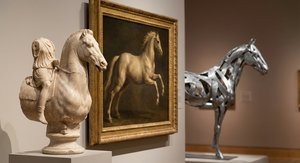
The Noble Steed: A Historical and Artistic Exploration of Horses in Fine Art
Explore the rich history of horses in fine art! From ancient depictions to Renaissance masterpieces & beyond, discover iconic artworks and artists. Learn about symbolism, techniques, and find museum-quality reproductions at OriginalUniqueArt.

Pale Goldenrod Masterpieces: 10 Famous Paintings & Timeless Art Decor Ideas
Explore 10 famous paintings bathed in 'Pale Goldenrod' tones! From Van Gogh’s sunflowers to Monet’s haystacks, discover the stories & artistry behind these iconic artworks. Find museum-quality reproductions and curated decor ideas at OriginalUniqueArt.com.
