- Avaleht

- Digitaalne kunstiteos
- Bartolomeo Passarotti
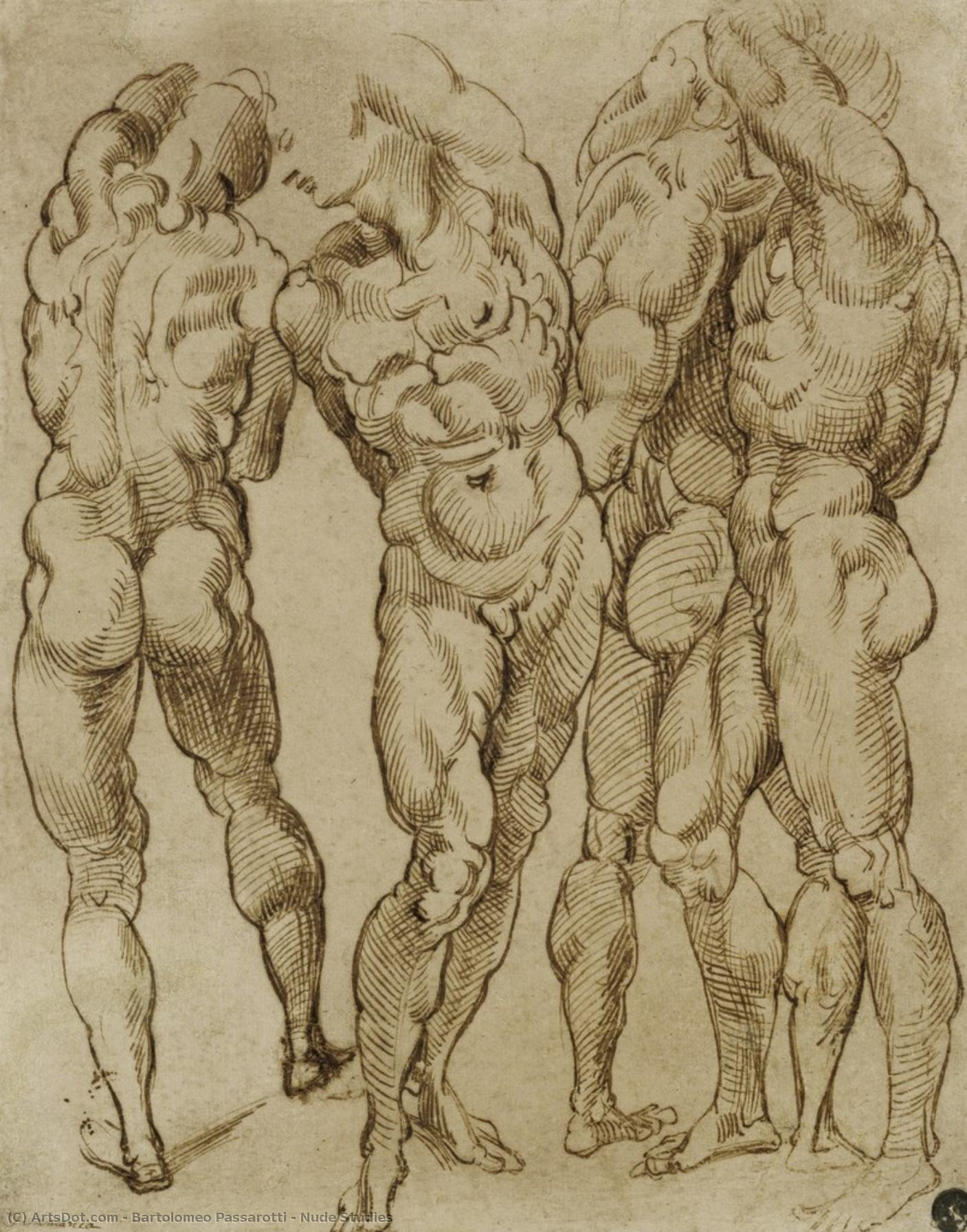
- Nude Studies
 Telli trükis Tellimaks maali
 Saada
Saada
 Jaga
Jaga
 Teave teose kohta
 Lisa lemmikutesse

 Laadi alla
 Sarnased teosed
 Röntgenuuring
 Slaidietendus
Nude Studies
 Renaissance
 1580
1580 30.0 x 24.0 cm
 Loe lähemalt
Ostke kõrglahutusel ja täiustatud digitaalne pilt, mis on oluliselt parem kui veebilehel näidatud eelvaade.
Iga fail on meie spetsialistide poolt hoolikalt ette valmistatud, kasutades kaasaegseid tööriistu ja professionaalset käsitsi retušeerimist. Tagame, et igal pildil on erakordne selgus, täpne värvitäpsus ja peen detail.
Lõplik fail saadetakse e-posti teel 72 tunni jooksul, olles optimeeritud koheseks kasutamiseks professionaalsetes, toimetuslikes ja trüki keskkondades. See on sama kvaliteet, mida usaldavad tipptasemel disainistuudiod, kirjastused ja galeriid.
Digitaalne kunstiteos
Laadi alla kõrge resolutsiooniga fail isiklikuks vaatamiseks, trükkimiseks ja loomingulisteks projektideks.
Sisse kuulub iga digitaalse pildi tellimusega
Eksperdi digitaalne kohaletoimetamine, garanteeritud
Valides OriginalUniqueArt.com, ei saa sa lihtsalt pilti – saad professionaalselt parandatud digitaalse teose, mida on valmistatud täpsusega ja mis on toetatud rahuldamatusgarantiiga. Siin on kõik, mis sinu tellimusega automaatselt kaasneb:

Kiire digitaalne saatmine
Teie kõrge resolutsiooniga digitaalne pildifail saadetakse teile e-posti 72 tunni jooksul pärast tellimist – kohe kasutamiseks valmis.

Tehisintellektiga täiustatud digitaalne fail
Teie teos on professionaalselt optimeeritud arenenud tehisintellekti tööriistade ja käsitsi redigeerimise abil, tagades maksimaalse detailitaseme, selguse ja värvitäpsuse.

Tasuta eluaegne uuesti saatmine
Kas kustutasid faili kogukalu unustamisel või kustutamisel? Puudub mure – saad selle uuesti igal ajal ilma lisatasuta.

Puuduvad importimaksed – alati
Nautige oma teoseid koheselt ilma tolli-, maksude või tarnimaskuludeta – digiletchargused on alati maksuvabadud.

Värvitäpsuse garantii
Me tagame, et teie digitaalne pilt kajastaks originaali värve professionaalsete tööriistade ja värvihalduse abil võimalikult täpselt.

60-päevane rahulolu garantii
Kui te ei ole oma digipildiga rahul, parandame seda või tagastame 100% summast 60 päeva jooksul – küsimusi ei esita.

100% raha tagastamise garantii
Ei ole rahul? Saate täielise tagastaja 60 päeva jooksul pärast digitaalse faili kättesaamist – küsimata.

Suurema tellimuse soodustused
Osta 3 pilti, säästa 10% - Osta 5, säästa 15% - Osta 10+, säästa 20%. Sobib suurepäraselt loomingulisteks projektideks, galeriideks ja agentuurideks.
Kunstniku biograafia
A Bolognese Master of Mannerism: Bartolomeo Passarotti
Bartolomeo Passarotti, born in Bologna in 1529 and passing away in 1592, occupies a fascinating, if sometimes overlooked, position within the Italian art landscape. He wasn’t a revolutionary like Michelangelo or Raphael, but rather a skilled and sensitive interpreter of the Mannerist style, deeply rooted in his native city yet informed by broader artistic currents. His life unfolded during a period of significant change—the High Renaissance giving way to the more elongated forms, complex compositions, and emotional intensity characteristic of Mannerism, and then subtly shifting towards the Baroque. Passarotti’s career reflects this transition, beginning with studies under prominent Roman artists and culminating in works that foreshadowed the developments of the next generation. He established a thriving workshop in Bologna, becoming an influential figure who shaped the artistic sensibilities of numerous pupils, including members of his own family—his sons Ventura, Aurelio, and Tiburzio all followed in his footsteps.Early Training and Roman Influences
Passarotti’s formative years were marked by a journey to Rome around 1550. This was not merely a geographical relocation but an immersion into the heart of artistic innovation. He sought out the tutelage of Giacomo Barozzi da Vignola, renowned for his architectural precision and clarity, and Taddeo Zuccari, a leading exponent of Mannerist painting known for his sophisticated allegorical works. These influences are subtly discernible in Passarotti’s early style—a meticulous attention to detail combined with an increasing interest in complex narrative structures and elegant figural arrangements. While in Rome, he absorbed the prevailing aesthetic trends, learning to balance classical ideals with a more dynamic and emotionally charged approach. This period was crucial in establishing his technical foundation and broadening his artistic vocabulary before returning to Bologna, ready to forge his own path.The Bolognese Years: A Flourishing Workshop
Upon his return to Bologna, Passarotti quickly established himself as a leading painter within the city’s artistic community. He founded a large and successful workshop, becoming a sought-after artist for both religious commissions and secular subjects. From 1564 to 1565, he undertook a significant project—a large altarpiece for the Basilica of San Giacomo Maggiore—demonstrating his ability to manage complex compositions and engage with prominent civic patrons. This commission solidified his reputation and attracted a steady stream of students eager to learn from his expertise. Passarotti’s workshop became a hub of artistic activity, fostering a collaborative environment where traditional techniques were refined and new ideas explored. He wasn't simply replicating existing styles; he was actively shaping the next generation of Bolognese painters. His genre scenes, in particular—depictions of everyday life like *The Beaneater* and *The Butcher’s Shop*—were remarkably innovative for their time, offering a glimpse into the lives of ordinary people with an unusual degree of realism and psychological insight. These works would later exert a considerable influence on artists such as Annibale Carracci, who recognized Passarotti's pioneering spirit in capturing authentic human experience.Development of Style: From Naturalism to Tuscan Models
Passarotti’s artistic development wasn’t static; his style evolved over the course of his career. Initially influenced by Roman Mannerism, he gradually incorporated elements from Tuscan artists like Giorgio Vasari and Prospero Fontana. This shift is evident in his later works—a move towards more refined forms, heightened color palettes, and a greater emphasis on elegance and grace. However, Passarotti never fully abandoned the naturalistic tendencies that characterized his earlier paintings. Instead, he skillfully blended these contrasting approaches, creating a unique style that was both sophisticated and emotionally resonant. His final known work, *The Presentation of Mary in the Temple* (1583), now housed in the Pinacoteca Nazionale di Bologna, exemplifies this mature style—a harmonious balance between classical ideals, Mannerist elegance, and a deeply felt religious sensibility.Legacy and Historical Significance
Bartolomeo Passarotti’s historical significance lies not in groundbreaking innovation but in his role as a pivotal figure in the transition from Mannerism to Baroque art. He was a master craftsman who skillfully synthesized diverse influences, creating works that were both aesthetically pleasing and emotionally engaging. His workshop played a crucial role in shaping the artistic landscape of Bologna, fostering a new generation of painters who would later contribute to the rise of the Bolognese School—a movement renowned for its classical rigor and dramatic intensity. His influence on Annibale Carracci, one of the most important artists of the Baroque period, is particularly noteworthy. Passarotti’s genre scenes provided a crucial foundation for Carracci's own explorations of realism and psychological depth. Furthermore, his family—his sons Ventura, Aurelio, and Tiburzio—continued his artistic legacy, ensuring that his style and techniques were passed down to future generations. While perhaps not as widely celebrated as some of his contemporaries, Bartolomeo Passarotti remains a significant figure in the history of Italian art—a testament to the enduring power of skill, sensitivity, and artistic innovation within the vibrant cultural context of Renaissance Bologna.
Lühikesed faktid
- Artistic Movement Or Style: Mannerism
- Artists Or Movements Influenced By This Artist:
- Annibale Carracci
- Lucio Massari
- Francesco Brizzi
- Artists Who Influenced This Artist:
- Giacomo Barozzi da Vignola
- Taddeo Zuccari
- Giorgio Vasari
- Date Of Birth: 1529
- Date Of Death: 1592
- Full Name: Bartolomeo Passarotti
- Nationality: Italian
- Notable Artworks:
- Study of An Eagle
- Homer's Riddle
- Presentation of Mary
- Place Of Birth: Bologna, Italy

