
 Saada
Saada Jaga
Jaga
 Teave teose kohta
 Juhend

 Laadi alla
 Sarnased teosed
 Slaidietendus
 KÜSIMUSED JA VASTUSID
 Statistika
Torso


 Loe lähemalt
Sellel lehel kuvatav kunstiteos on kaitstud autoriõigusega, mis tähendab, et meil ei ole seaduslikku õigust luua või müüa identset reproduktsiooni. Seda kaitset rakendatakse rahvusvaheliste kokkulepete alusel, nagu näiteks Berne konventsioon ning riiklike seadustega, sealhulgas nendega, mida on sätestatud USA autoriõiguse seadus – 17. peatükk.
See meetod järgib täielikult autoriõiguse reegleid, kuna see ei põhine kaitstud kunstiteose kopeerimisel või dupliteerimisel. Selle asemel on tegu loova reinterpreetatsiooniga – uue maaldisega, mis on algteosest inspireeritud, kuid ei ole sellest identiline.
Giclée / Kunstiprint
Muuseumikvaliteediga giclée- või kangasprint kiire tootmisega ja paindlikud viimistlusvõimalused. ( Osta käsitsi maalatud teos Lülita digitaalse pildi juurde)




































Vali meie eelmääratud suurused, mis vastavad teose algupärastele proportsioonidele.

Sisestage vajalik laius ja kõrgus, et see sobiks teie raamile või seinale. Trükki saab ainult lõigata, seda ei saa kunagi pildist suuremaks teha, seega ka erineva mustega suurus kaotab osa pildist. Enne trükkimist saadame teile kinnitamiseks digitaalse näidisprojektsiooni. Sellel lehel näidatud pilt ei kujuta reaalset lõiget — seda näitab ainult näidisprojektsioon.
Ülemaailmne tarne () 2 nädala jooksul, tavalise 4/5 nädala asemel. (8 november)

Tasuta ekspresssaatmine üle maailma

Kõrgekvaliteediline lina-kangas

Täielik transpordikindlustus

Tollimaksude tagastamise garantii

Värvitoime täpsuse garantii

100 päeva tagastusõigus (ainult valmistusdefektide korral)

100% raha tagasi garantii

Hulgusoodustus
 Klaasivalik on saadaval ainult kuni 110 cm suuruses teostes

Torso
Giclée / Kunstiprint
Reproduktsiooni suurus
-


Koguhind
€ 72
A Sculptural Embrace: Barbara Hepworth’s ‘Torso’
Barbara Hepworth's “Torso,” created in 1928, isn’t merely a depiction of the human form; it’s an embodiment of movement and quiet contemplation. This remarkable sculpture, rendered in the rich, dark tones of mahogany wood, immediately draws the viewer into its world – a world where form and space intertwine with a profound sense of stillness. Hepworth, a pivotal figure in the development of modern sculpture, masterfully eschews traditional representation, opting instead to capture an essence, a feeling, rather than a literal likeness. The piece speaks volumes about her pioneering approach to abstraction, prioritizing the inherent qualities of materials and the interplay between positive and negative space.
The Language of Form: Technique and Material
Hepworth’s technique is characterized by subtractive carving – a painstaking process of carefully removing material from a solid block of wood to reveal the desired shape. This method, demanding immense skill and patience, allows her to coax forth organic forms that seem to grow naturally from the raw material. Notice the subtle variations in texture across the surface; these aren’t simply cosmetic details but rather evidence of the sculptor's hand, each ridge and curve a testament to the physical act of creation. The choice of mahogany is particularly significant. Its deep, resonant color provides a dramatic backdrop for the sculpted form, while its grain adds layers of visual complexity – hints of light and shadow that dance across the surface. The smooth, polished finish further enhances the tactile quality of the piece, inviting viewers to imagine running their hands along its contours.
Roots in Modernism: Context and Influences
“Torso” emerged during a period of intense artistic experimentation and a rejection of academic traditions. Hepworth was deeply influenced by movements like Abstraction-Création, which sought to explore the fundamental qualities of form and material. Her work reflects this spirit of innovation, moving away from representational art towards a more conceptual approach. The sculpture’s emphasis on geometric shapes and its exploration of negative space align with the broader trends of early 20th-century modernism, where artists were increasingly interested in reducing forms to their essential elements. Hepworth's time spent studying Italian Renaissance sculpture also informed her work, particularly her understanding of classical anatomy, which she then reinterpreted through a distinctly modernist lens.
A Study in Quietude: Symbolism and Emotional Resonance
While “Torso” avoids overt symbolism, it possesses a powerful emotional resonance. The pose itself – a relaxed yet alert stance – suggests a state of contemplative awareness. The smooth curves and flowing lines evoke a sense of grace and fluidity, while the solidity of the wood grounds the form in the physical world. There’s an inherent vulnerability in the exposed torso, inviting viewers to contemplate themes of beauty, strength, and mortality. It's not a celebration of physicality but rather an exploration of the human condition – a quiet meditation on the essence of being. The sculpture’s timeless quality speaks to its ability to connect with viewers across generations, offering a moment of stillness in our increasingly frenetic world.
Reproductions and Display
A high-quality reproduction of “Torso” can bring the spirit of this iconic work into any space. Consider framing it within a simple, elegant setting to allow the sculpture’s form and texture to take center stage. The rich tones of the wood will complement a wide range of interior design styles, from minimalist modern to classic contemporary. When selecting a reproduction, prioritize materials that accurately capture the depth and nuance of Hepworth's original work – archival-quality prints on textured paper are ideal for achieving a truly authentic effect.
Korduvad küsimused
Kui harmoniliselt on teoses „Torso“, autor Barbara Hepworth värvid ühendatud?
Teose "Torso" värviharmonia on Strong Color Unity.
Milline on teose „Torso“, autor Barbara Hepworth emotsionaalne toon?
„Torso“, autor Barbara Hepworth edastab Reflective emotsionaalset toonust.
Kuidas saan tellida teose „Torso“, autor Barbara Hepworth trükki?
Teose "Torso" trükised on saadaval vormis kunstiprint puuvillalõikel kangas või arhiveeritaval kangaspaberil. Tellimusi saab esitada selle Kvaliteetne kunstutrüki print lehel oma soovitud suuruses.
Kunstniku elulugu
varaj puud ja haridus
dame barbara hepworth, auvakas inglise kunstnik ja skulptuurikunstnik, sündis 10. jaanuaril 1903 Yorkshire'i Wakefield'is. Tema kunstiline teekond algas Leeds School of Art'is alates 1920. aastast ning hiljem võitis ta maakonna stipendium, et õppida Londoni Kunsti Akadeemias (RCA) alates 1921. aastast kuni diplomile saamist 1924. aastal.kunstiline karjäär
- dame barbara hepworthi looming on modernismi, eriti kaasaegse skulptuuri, suurepärane näidis. Ta oli üks väheseid naiskunstnikuid, kes saavutas rahvusvahelist tuntust.
- 1933. aastal asutas ta koos ben nicholsoni, paul nashi ja teistega Unit One kunstiliikumingu, eesmärgiga ühendada surrealism ja abstraksjon Briti kunstis.
- Hepworthi varajane looming oli iseloomulik abstraksiale ning sellele, et ta osales Pariisis asunud kunstiliikumuses Abstraktion-Création.
olulised teosed ja näitusid
- Pronssist skulptuur oval form (trezion) on osa Kimbell Art Museumi kogumist Fort Worthis, USA. (vaata OriginalUniqueArt'is)
- Skulptuur two forms on näitustel The Hepworth Wakefield muuseumis Wakefield'is, Ühendkuningustes. (vaata OriginalUniqueArt'is)
- Marmorskulptuur totem on samuti osa The Hepworth Wakefield kogumikust. (vaata OriginalUniqueArt'is)
pärand ja muuseumikogud
barbara hepworthi töö on laialdaselt tunnustatud ning tema skulptuurid ja maalid on osa erinevatest muuseumikogudest üle maailma. Kunstniku nimel nimetatud The Hepworth Wakefield peab endas arvukalt meistriteoseid tuntud kunstnikelt, sealhulgas ka ennast Hepworthit. (avasta rohkem The Hepworth Wakefieldi kohta OriginalUniqueArt'is)johtlõpus
dame barbara hepworthi uuargustav töö kaasaegses Briti skulptuuris on jätnud temmatamat jälje kunstimaailma. Tema pärand jätkub inspireerima nii kunstnikke kui ka kunstihuvilisi, ning tema teosed jäävad kui tõestus tema uuenduslikust vaimust ja kunstilisest geniusest. luge aval Wikipedia'st barbara hepworthi kohta
Barbara Hepworth
1903 - 1975 , Ühendkuninga Margimaa
Lühikest infot
- Artistic Movement Or Style: Modernism, Abstraktioon
- Artists Or Movements Influenced By This Artist:
- Abstraction-Création
- Unit One
- Artists Who Influenced This Artist:
- Henry Moore
- Ben Nicholson
- Date Of Birth: 1903-01-10
- Date Of Death: 1975-05-20
- Full Name: Barbara Hepworth
- Nationality: Briti
- Notable Artworks:
- Oval Form (Trezion)
- Two Forms
- Totem
- Place Of Birth: Wakefield, Ülikool
Sarnased artiklid

The Enduring Form: Exploring Themes & Techniques in Sculpture Across Historical Periods
Explore the rich history of sculpture from ancient masterpieces to contemporary innovations. Discover key techniques, influential artists & investment potential for discerning art collectors.

Bronze Sculptures That Defined Art History | OriginalUniqueArt
Journey through art history with our Top 10 bronze sculptures! Explore masterpieces by Rodin, Michelangelo & more. Discover stories behind iconic statues and find museum-quality reproductions for your home decor at OriginalUniqueArt.com.

The Enduring Form: Sculpture Across History, Technique & Emotional Resonance
Explore the rich history of sculpture with OriginalUniqueArt. Discover key techniques, influential artists & investment potential for discerning collectors. Expert insights into valuing and collecting timeless masterpieces.

Bronze Age to Modern Masters: 10 Sculptures That Redefined Art | OriginalUniqueArt
Journey through art history with 10 legendary bronze sculptures – from Michelangelo's David to Rodin’s Thinker. Explore the stories, techniques & timeless beauty of these masterpieces. Find museum-quality reproductions & elevate your home decor on OriginalUniqueArt.com.
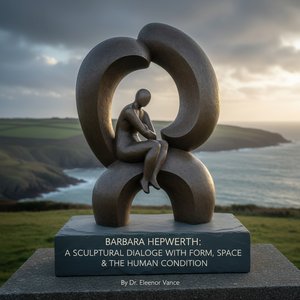
Barbara Hepworth: A Sculptural Dialogue with Form, Space & the Human Condition
Explore the profound world of Barbara Hepworth's sculpture. Discover her artistic evolution, iconic forms, and lasting influence on modern art. A guide for collectors & enthusiasts.


