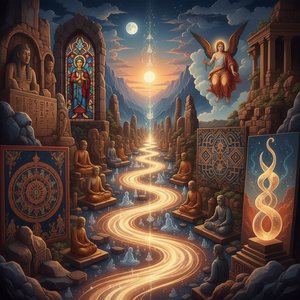
Many Waters
Käsitsi valmistatud õlimaalireproduktsioon
Meie kunstnike poolt tellimusel valmistatud käsitsi maalitud õli-kainaste teos teie soovitud suuruses ja raamis. ( Lülita trükile
Vaata pilti)
P118B $10
P118H $10
P118W $10
P438Z $10
P508JH $12
P508YH $12
P805H $10
P805Z $10
P919BZ $10
P919G $10
P919XJ $10
P959ZH $10
P968JZ $12
W106C $8
W218G $10
W218JH $8
W218Y $10
W307PJ $10
W316G $10
W316PJ $8
W316Y $10
W398PJ $8
W4111J $10
W500HY $15
W500JH $15
W692G $12
W849H $8
W940BG $15
W953PJ $8
Vali meie eelmääratud suurused, mis vastavad teose algupärastele proportsioonidele.
Sa võite sisestada oma mõõtmed konkreetse raami või ruumi sobivuse tagamiseks. Kui teie valitud suurus ei vasta originaalpildi proportsioonidele, siis kärvime kunstiteost või laiendame maali täiendavate käsitsi maalitud elementidega. Enne tootmise algust saadetakse teile heakskiitmiseks digitaalne eelvaade.
Palun pidage meeles, et ekraanil kuvatav eelvaade ei kajasta tegelikku kärpimist või laiendamist. Ainult eelvaade näitab täpselt lõplikku kompositsiooni.
Kuigi on saadaval kohandatud suurused, soovitame originaalproportsioonide säilimiseks valida mõõdud eelmääratletud nimekirjast.
Pärast tellimust saadab OriginalUniqueArt.com meeskond kliendile e-posti juhised ning esitab eelvaate kavandi.
Maailmline tarne 3–4 nädala jooksul tavalise 5 nädala asemel. (11 august). Kvaliteedis kompromisse ei tehta.
Tasuta ekspresssaatmine üle maailma
Kõrgekvaliteediline linakangas
Täielik transpordikindlustus
Tollimaksude tagastamise garantii
Värvitoime täpsuse garantii
60-päevane tagastusõig: ainult tootmisdefektide korral
100% raha tagasi garantii
Hulgusoodustus
Many Waters
Reproduktsiooni tehnika
Reproduktsiooni suurus
-
Kogusumma
$ 300
Teose kirjeldus
Many Waters: A Landscape of Mysticism and American Vision
Arthur Bowen Davies’s “Many Waters,” completed in 1905, stands as a testament to the burgeoning interest in spiritual exploration within the landscape painting tradition. Born in Utica, New York, in 1862, Davies embarked on an artistic path deeply influenced by the Impressionists and Post-Impressionists—particularly George Inness and Vincent van Gogh—whose explorations of light and emotion resonated profoundly with his own sensibilities.
Style and Technique: Echoes of European Modernism
Davies’s style can be characterized as Luminist, albeit infused with a distinctly American spirit. Like the Luminists before him, he prioritized capturing atmospheric conditions—misty mornings and twilight hues—to convey a sense of sublime beauty. However, unlike his European counterparts who often sought to depict objective reality, Davies imbued his canvases with subjective feeling, mirroring the inner landscape of contemplation.
- Brushwork: Delicate, almost ethereal strokes create a hazy effect, blurring contours and emphasizing diffused light.
- Color Palette: Dominated by muted greens, blues, and browns—colors evocative of forests and rivers—Davies skillfully employs tonal harmonies to achieve visual serenity.
- Composition: The landscape unfolds horizontally across the canvas, guiding the viewer’s gaze towards distant mountains shrouded in mist. This deliberate arrangement reinforces the painting's contemplative mood.
Historical Context: Transcendentalism and the Dawn of a New Century
"Many Waters" emerged during the height of Transcendentalist thought—a movement championed by Ralph Waldo Emerson and Henry David Thoreau—which advocated for aligning oneself with nature as a pathway to spiritual enlightenment. Davies’s artistic endeavors reflected this intellectual fervor, seeking to capture not merely what was seen but what was felt—the profound connection between humanity and the cosmos.
Symbolism: Mountains as Vessels of Wisdom
The towering mountains depicted in “Many Waters” serve as potent symbols of resilience, permanence, and spiritual aspiration. Their misty peaks represent the elusive nature of truth—something that cannot be grasped fully but can nonetheless inspire awe and reverence. The flowing water embodies fluidity, adaptability, and the ceaseless cycle of life.
Emotional Impact: A Balm for the Soul
Davies’s masterful rendering of light and atmosphere transcends mere visual representation; it invites viewers into a state of meditative contemplation. “Many Waters” possesses an undeniable emotional resonance—a quiet beauty that speaks to the deepest recesses of the human spirit, offering solace and inspiration in its tranquil stillness.
Concluding Thoughts: An Enduring Legacy
"Many Waters" exemplifies Davies’s commitment to blending European artistic influences with American spiritual ideals. Its enduring appeal lies not only in its exquisite craftsmanship but also in its ability to transport us beyond the everyday, reminding us of the transformative power of encountering nature—and of embracing the mysteries that lie at the heart of existence.
Kunstniku elulugu
Arthur Bowen Davies (1862-1928): A Key Figure in American Modernism & the Ashcan School
Arthur Bowen Davies, born September 26, 1862, in Utica, New York—the son of English and Welsh parents who immigrated to the United States in 1856—occupies a uniquely complex position within the narrative of American art. He wasn’t merely *of* his time—the tumultuous era bridging the 19th and 20th centuries—but actively shaped it, serving as both a conduit for European modernism and a champion of distinctly American artistic voices. His journey began with an early fascination for landscape painting, sparked by a touring exhibition that showcased the works of George Inness and the Hudson River School masters. This initial exposure instilled in him a reverence for nature’s beauty and a technical proficiency that would remain hallmarks of his style throughout his career—a foundation upon which he built a distinctive artistic vision.Early Influences & Artistic Training
Davies's formative years were marked by rigorous academic training. He studied at the Chicago Academy of Design in 1878 and at the Art Students League in New York in 1887, absorbing the stylistic precepts of Impressionism and honing his observational skills. These influences—particularly Inness’s atmospheric landscapes and Millet’s depictions of rural life—would profoundly shape his artistic sensibilities. However, Davies quickly recognized that mere imitation was insufficient; he possessed an inner yearning to express something beyond the purely representational—a desire to capture not just what he *saw*, but what he *felt*. This conviction fueled his exploration of Symbolist aesthetics and propelled him toward a more profound engagement with spiritual themes.The Ashcan School & The Armory Show: A Catalyst for Change
Davies’s artistic development unfolded against the backdrop of significant social and cultural shifts. He became associated with “The Eight,” a group of artists who challenged the conservative norms of the National Academy of Design in 1908—a rebellion against academic dogma that signaled a decisive break from tradition. Where artists like John Sloan focused on gritty depictions of urban life—documenting the harsh realities of New York City’s tenements and streets—Davies sought refuge in a more ethereal realm. His paintings weren't about documenting the visible world; they were about evoking moods, dreams, and spiritual longings. Nevertheless, his involvement with The Eight demonstrated his commitment to artistic independence and his willingness to confront established conventions. This spirit of rebellion culminated in his pivotal role as one of the organizers of the 1913 Armory Show—a watershed moment that introduced European modernism (Cubism, Fauvism, Futurism) to a largely unsuspecting American public. The show was met with both outrage and excitement, irrevocably altering the course of American art history. Davies’s contribution wasn't merely logistical; he possessed an exceptional understanding of contemporary artistic trends and a keen eye for talent—making him instrumental in selecting the works exhibited. He understood that art needed to reflect the changing world, even if that meant embracing radical new forms.A Language of Symbolism & Ethereal Visions
Davies’s mature style is characterized by its lyrical quality, delicate brushwork, and evocative use of color. His paintings often feature figures—often women or mythological beings—immersed in dreamlike landscapes. These aren't portraits in the traditional sense; they are archetypal representations of human emotions and spiritual states. Unicorns: Legend, Sea Calm, perhaps his most famous work, exemplifies this approach. The painting depicts a group of ethereal figures frolicking with unicorns on a tranquil shore—a scene that is both enchanting and deeply symbolic. His works frequently explore themes of longing, loss, and the search for transcendence. He wasn’t interested in depicting reality as it *is*, but rather as it *feels*. This emphasis on subjective experience aligns him with Symbolist painters like Odilon Redon and Pierre Puvis de Chavannes—artists who sought to express inner truths through evocative imagery. Davies's palette is often muted and harmonious, creating a sense of atmosphere and mystery. He masterfully employed techniques such as glazing and scumbling to achieve luminous effects and subtle gradations of tone. His art invites contemplation, urging viewers to look beyond the surface and delve into the realm of the imagination.Legacy & Influence
Arthur B. Davies’s legacy extends far beyond his own artistic output. He was a pivotal figure in the development of American modernism—bridging the gap between traditional aesthetics and avant-garde experimentation. His influence can be seen in the work of subsequent generations of artists who continued to explore themes of spirituality, symbolism, and emotional expression. He remains a testament to the power of art to transcend boundaries—both artistic and personal—and his paintings continue to resonate with viewers seeking beauty, mystery, and a glimpse into the hidden depths of the human soul. His unwavering belief in the transformative potential of art cemented his place as one of America’s most visionary artists.Arthur Bowen Davies
1862 - 1928 , USA
Lühikesed faktid
- Artistic Movement Or Style: Modernism, Symbolism
- Artists Or Movements Influenced By This Artist:
- American Modernism
- Ashcan School
- Artists Who Influenced This Artist:
- George Inness
- Corot
- Millet
- Date Of Birth: 1862
- Date Of Death: 1928
- Full Name: Arthur Bowen Davies
- Nationality: American
- Notable Artworks: ['Unicorns: Legend, Sea Calm']
- Place Of Birth: Utica, USA


Klaasivalik on saadaval ainult suuruses kuni 110 cm