
 Eelvaade
 Saada
Saada Jaga
Jaga
 Teave teose kohta
 Juhend

 Laadi alla
 Sarnased teosed
 Röntgenuuring
 Slaidietendus
 Q&A
Q&A Statistika
Emil Hertzka

- 29.0 x 36.0 cm


 Loe lähemalt
Giclée / Kunstiprint
Muuseumikvaliteediga giclée- või kangasprint kiire tootmisega ja paindlikud viimistlusvõimalused. ( Osta käsitsi maalatud teos Lülita digitaalse pildi juurde)




P118B €10

P118H €10

P118W €10

P438Z €10

P508JH €12

P508YH €12

P805H €10

P805Z €10

P919BZ €10

P919G €10

P919XJ €10

P959ZH €10

P968JZ €12

W106C €8

W218G €10

W218JH €8

W218Y €10

W307PJ €10

W316G €10

W316PJ €8

W316Y €10

W398PJ €8

W4111J €10

W500HY €15

W500JH €15

W692G €12

W849H €8

W940BG €15

W953PJ €8




Vali meie eelmääratud suurused, mis vastavad teose algupärastele proportsioonidele.

Sisestage vajalik laius ja kõrgus, et see sobiks teie raamile või seinale. Trükki saab ainult lõigata, seda ei saa kunagi pildist suuremaks teha, seega ka erineva mustega suurus kaotab osa pildist. Enne trükkimist saadame teile kinnitamiseks digitaalse näidisprojektsiooni. Sellel lehel näidatud pilt ei kujuta reaalset lõiget — seda näitab ainult näidisprojektsioon.
Ülemaailmne tarne () 2 nädala jooksul, tavalise 4/5 nädala asemel. (1 november)

Tasuta ekspresssaatmine üle maailma

Kõrgekvaliteediline lina-kangas

Täielik transpordikindlustus

Tollimaksude tagastamise garantii

Värvitoime täpsuse garantii

100 päeva tagastusõigus (ainult valmistusdefektide korral)

100% raha tagasi garantii

Hulgusoodustus
 Klaasivalik on saadaval ainult kuni 110 cm suuruses teostes

Emil Hertzka
Giclée / Kunstiprint
Reproduktsiooni suurus
-


Koguhind
€ 71
A Portrait of Ambition: Emil Hertzka by Arnold Schoenberg
This intimate portrait, rendered in 1910, offers a rare glimpse into the burgeoning artistic ambitions of Arnold Schoenberg, one of the most revolutionary figures in musical history. Painted by Schoenberg himself – a surprising and revealing act – the work transcends a simple likeness; it’s a carefully constructed statement about his aspirations and the perceived value of his increasingly influential art. The subject, a man with a distinguished reddish-brown beard and mustache, gazes directly at the viewer, an arresting intensity that speaks to Schoenberg's own self-assurance and desire for recognition. The slightly faded appearance of the painting lends it an aged quality, hinting at the passage of time and perhaps a subtle acknowledgement of the challenges he faced in establishing his reputation.
The Context of Innovation
- Vienna's Artistic Landscape: 1910 Vienna was a crucible of artistic innovation. Schoenberg, along with figures like Alban Berg and Anton Webern, was at the forefront of the Second Viennese School, challenging traditional harmonic structures and paving the way for atonality – a radical departure from established musical norms.
- Hertzka's Role: Emil Hertzka was a prominent art dealer who recognized Schoenberg’s potential early on. The correspondence between them reveals Schoenberg’s strategic thinking; he understood the power of association and sought to leverage his reputation within the music world to gain wider acceptance for his visual work.
- A Moment of Transition: This painting represents a pivotal moment in Schoenberg's career, just as he was solidifying his position as a leading composer and beginning to explore new artistic avenues.
Symbolism and Technique – A Calculated Impression
Schoenberg’s technique is characterized by a meticulous attention to detail, particularly in the rendering of the subject's facial features and the textures of his clothing. The use of muted tones and subtle gradations of light and shadow creates a sense of depth and realism, while simultaneously conveying an air of formality and sophistication. The glasses worn by the sitter are not merely a stylistic choice; they suggest intellectualism and perhaps a detachment from conventional perspectives – qualities central to Schoenberg’s revolutionary approach to music. The direct gaze of the subject is particularly significant, demanding engagement from the viewer and subtly asserting Schoenberg's confidence in his artistic abilities.
Beyond the Brushstroke: A Statement of Value
The inscription accompanying the painting – “You know that I paint. What you do not know is that my work is highly praised by experts…” – reveals Schoenberg’s anxieties and strategic calculations. He was acutely aware of the skepticism surrounding his foray into visual art, particularly given his groundbreaking musical innovations. By emphasizing the praise he received from "experts," he sought to bypass public opinion and directly appeal to a discerning audience. His desire for a patron, coupled with his assertion that owning a painting by him would be “much more interesting” than commissioning a work from a lesser-known artist, underscores his ambition to establish himself as a significant figure in both the music and art worlds. This portrait is not simply a representation of a man; it’s a carefully crafted testament to Schoenberg's belief in his own artistic genius.
Korduvad küsimused
Kes müüb teose "„Emil Hertzka“, autor Arnold Schönberg" käsitsi maaldatud koopiaid?
Teose „Emil Hertzka“, autor Arnold Schönberg käsitsi maalatud koopiaid müüakse saidil see veebileht: käsitsi maalatud õlireproduktsioon linaelapale, neid saab tellida selle lehelt Käsitsi maalatud reproduktsioon.
Kust saan osta teose „Emil Hertzka“, autor Arnold Schönberg digitaalse pildi?
Teose „Emil Hertzka“, autor Arnold Schönberg digitaalset pilti saab osta selle Digitaalne kunstiteos lehelt: kõrge resolutsiooniga digitaalse pildi allalaadimine.
Millist emotsiooni edastab Early Modern Music suunaga teos "Emil Hertzka"?
"Emil Hertzka" kannab endas Reflective emotsionaalset toonist, mis on omane Early Modern Music suunale.
Kunstniku elulugu
varaj puud ja muusikalised algused
Arnold Schönberg, austria-ameerika helilooj, sündis 13. september 1874 Austrias, Viinnis. Tema varajane elu oli tähistatud vahendusega algusega, kuna tema isa oli kingapoodi omanik. Vaatamata sellele juhtumisele suunas Schönbergi loomulik armastus muusika vastu teda suurel määral iseseisvalt selles valdkonnas õppima.muutlik areng ja märkimistekendavad teosed
Schönbergi algased teosed, nagu Verklärte Nacht (1899), näitasid Brahmsi ja Wagneri stiilide sündmist. Edasine areng tegi temast keskne tegelane Teises Viini koolkonnas koos Anton Weberni ja Alban Bergi. Tema kompositsioonid, sealhulgas stringkvartett nr 2 (1907–1908), Erwartung (1909) ja Pierrot Lunaire (1912), näitasid tema innovatiivset lähenemist atonaalsusele.õpetamine, emigratsioon ja hilisem elu
1933. aastal lahkus Schönberg Preussia Kunstiakadeemiast natsistliku võimuküllekkumise tõttu, kuna viimastel oli tema muusik nii nimetatud "lahjustunud". Seejärel õpetas ta USA-s, sealhulgas Californias Los Angelesi ülikoolis (1936–1944), kus on tema nimel nimetatud erinevad asutused. [https://OriginalUniqueArt.com/@/arnold-scherichia](avastage rohkem Schönbergi elu ja loomingust OriginalUniqueArt lehelt).- Schönberg uuris filmimuusikat ja kirjutas enam toonilist muusikat, lõpetades oma kammersümfoonia nr 2 aastal 1939.
- Ta satiiritses fašistlikke türante Byronist inspireeritunud teoses Ood Napoleonile (1942).
- Sõjajärgne Viin pakkus talle auгражданство, kuid ta oli haiguse järele, nagu on kujutatud tema stringtrio (1946) teoses.
pärand ja mõju
Kui maailm sai teada Holokaustist, mälestas Schönberg selle ohvrite vastu teoses A Survivor from Warsaw (1947). Israelie kontserdimuusikakool ja akadeemia valis ta 1951. aastal aupresidentiks. [https://OriginalUniqueArt.com/@@/a@d3bqc7-the-museum-destroyed-by-fire-(united-states)](lugege lähemalt tema loomingu mõju OriginalUniqueArt lehelt). olulised punktid:- Schönbergi innovatiivne muusika oli üks 20. sajandi klassikamuusika mõjuvaimaid ja poleemilisemaid suunad.
- vähemalt kolm heliloojate põlvkonda arendas edasi selle veidi formaalseid põhimõtteid.
- tema esteetiline ja muusikahistoriline vaade mõjutas muusikoloogid Theodor W. Adorno ja Carl Dahlhausit. [https://OriginalUniqueArt.com/@@/a@d3cl2x--a-journey-through-art-history-with-OriginalUniqueArt-s-extensive-collection-](uurige kunsti laia kogumust OriginalUniqueArt lehelt, mis ulatub 12. sajandist kuni 20. sajandini).

Arnold Schönberg
1874 - 1951 , Austria
Lühikest infot
- Artistic Movement Or Style: Dodekafooniline tehnika; Ekspressionism
- Artists Or Movements Influenced By This Artist:
- Anton Webern
- Alban Berg
- Artists Who Influenced This Artist:
- Johannes Brahms
- Richard Wagner
- Date Of Birth: 13. september 1874
- Date Of Death: 1951
- Full Name: Arnold Schoenberg
- Nationality: Austria-USA
- Notable Artworks:
- Süit, op. 29
- Muusikaline masin
- Staffliner
- Place Of Birth: Viin, Austria
Sarnased artiklid

Timeless Vienna: Capturing the Imperial Elegance of Austria Through the Lens of Art History
Explore the imperial grandeur of Vienna through art history. Discover the architectural mastery of Otto Wagner and the elegance of the Secessionist movement in this sophisticated guide to Austria's timeless aesthetic legacy.

Beyond Symbolism: Exploring the Spiritual Landscapes of Mikalojus Konstantinas Čiurlionis's Art
Explore the captivating world of Mikalojus Konstantinas Čiurlionis, a pioneer of abstract art. Discover his unique blend of music and painting, spiritual themes, and lasting influence on Lithuanian culture. Learn more at OriginalUniqueArt.
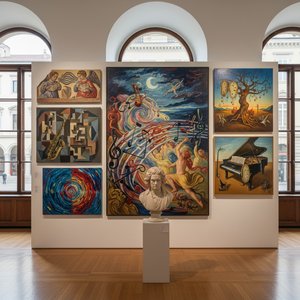
Harmonies on Canvas: Exploring the Visual Representation of Music in Art History
Explore the fascinating history of music's visual representation in art! From ancient symbolism to modern abstraction, discover how artists have captured sound and emotion on canvas. Expert insights & stunning examples.
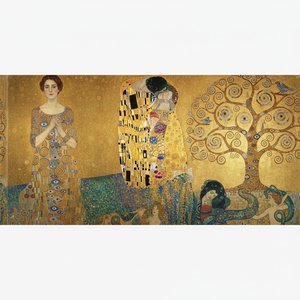
Gustav Klimti 25 parimat teost: Kunsti ja luksuse meistriteosed teie interjööri
Avastage Gustav Klimti 25 parimat teost! Sukeldume Austria kunstniku kuldse perioodi, seessionismi ja sümbolismi maailma. Leidke inspiratsiooni interjööridisainiks ning ostke kvaliteetseid kunstireprodutsioone OriginalUniqueArt.com-is. Avastage täielik kollektsioon veebis!

The Vienna Secession: A Rebellion of Form & Spirit in Fin-de-Siècle Art
Discover the revolutionary Vienna Secession art movement! Explore Klimt, Olbrich & more. Learn about its history, characteristics & lasting influence on modern art. High-quality reproductions available.


