 Eelvaade
 Saada
Saada Jaga
Jaga
 Teave teose kohta
 Juhend

 Laadi alla
 Sarnased teosed
 Röntgenuuring
 Slaidietendus
 KÜSIMUSED JA VASTUSID
 Statistika
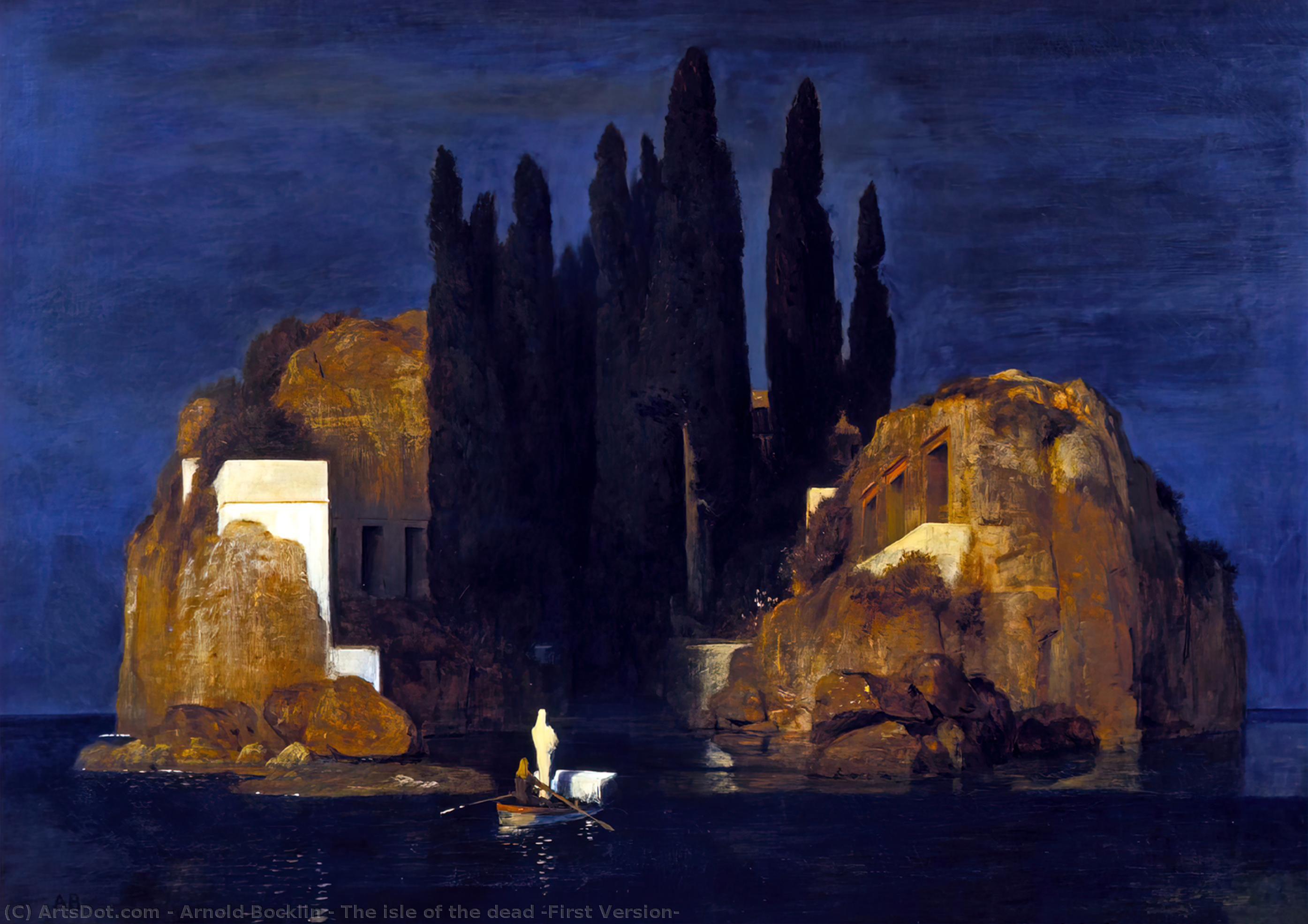
The isle of the dead (First Version)

- 111.0 x 155.0 cm


 Loe lähemalt
Giclée / Kunstiprint
Muuseumikvaliteediga giclée- või kangasprint kiire tootmisega ja paindlikud viimistlusvõimalused. ( Osta käsitsi maalatud teos Lülita digitaalse pildi juurde)




P118B €10

P118H €10

P118W €10

P438Z €10

P508JH €12

P508YH €12

P805H €10

P805Z €10

P919BZ €10

P919G €10

P919XJ €10

P959ZH €10

P968JZ €12

W106C €8

W218G €10

W218JH €8

W218Y €10

W307PJ €10

W316G €10

W316PJ €8

W316Y €10

W398PJ €8

W4111J €10

W500HY €15

W500JH €15

W692G €12

W849H €8

W940BG €15

W953PJ €8




Vali meie eelmääratud suurused, mis vastavad teose algupärastele proportsioonidele.

Sisestage vajalik laius ja kõrgus, et see sobiks teie raamile või seinale. Trükki saab ainult lõigata, seda ei saa kunagi pildist suuremaks teha, seega ka erineva mustega suurus kaotab osa pildist. Enne trükkimist saadame teile kinnitamiseks digitaalse näidisprojektsiooni. Sellel lehel näidatud pilt ei kujuta reaalset lõiget — seda näitab ainult näidisprojektsioon.
Ülemaailmne tarne () 2 nädala jooksul, tavalise 4/5 nädala asemel. (4 november)

Tasuta ekspresssaatmine üle maailma

Kõrgekvaliteediline lina-kangas

Täielik transpordikindlustus

Tollimaksude tagastamise garantii

Värvitoime täpsuse garantii

100 päeva tagastusõigus (ainult valmistusdefektide korral)

100% raha tagasi garantii

Hulgusoodustus
 Klaasivalik on saadaval ainult kuni 110 cm suuruses teostes

The isle of the dead (First Version)
Giclée / Kunstiprint
Reproduktsiooni suurus
-


Koguhind
€ 72
A Journey into the Sublime: The Enigmatic World of Böcklin
In the quiet, shadowed corridors of art history, few images possess the haunting magnetism of Arnold Böcklin’s The Isle of the Dead (First Version). Completed in the early 1880s, this masterpiece serves as a profound gateway into the Symbolist movement, where the artist’s brush seeks not to mirror reality, but to evoke the intangible whispers of the soul. As one gazes upon this monumental canvas, they are immediately transported to a realm of profound stillness and spectral beauty. The scene is dominated by a desolate, rocky islet, rising sharply from dark, turbulent waters like a monument to the eternal. Towering cypress trees, those ancient sentinels of mourning, pierce the heavy atmosphere, their dark silhouettes anchoring the composition in a state of perpetual twilight. It is an immersive experience that invites the viewer to step away from the clamor of the modern world and enter a space of deep, meditative contemplation.
The emotional resonance of the work lies in its masterful use of chiaroscuro—the dramatic interplay between light and shadow. Böcklin employs a meticulous oil painting technique, utilizing smooth gradations of color to create an atmospheric gloom that feels almost tactile. The water, dark and brooding, seems to swallow the light, while the starkness of the rocks provides a sense of unyielding permanence. This technical precision allows for a palpable sense of mystery; every ripple in the water and every shadow cast by the cypress trees contributes to a narrative of solitude and transition. For the collector or interior designer, this painting offers more than mere decoration; it provides a focal point of immense gravity, capable of anchoring a room with its somber elegance and sophisticated depth.
Symbolism and the Voyage of the Soul
Beyond its striking aesthetic, the painting is a rich tapestry of mythological and folkloric references. The lone rowing boat, approaching the shore with a shrouded figure at its helm, serves as a powerful metaphor for the final journey of the deceased. Scholars often draw parallels to the classical myth of Charon, the ferryman of Hades, suggesting that this islet is a destination within the underworld itself. This interpretation imbues the work with a universal weight, touching upon the shared human experience of mortality and the mystery of what lies beyond the veil. The cypress trees, traditionally associated with cemeteries and grief, reinforce this theme of remembrance and the cyclical nature of life and death.
Böcklin himself remained famously elusive regarding his specific intentions, allowing the painting to remain an open vessel for individual interpretation. This ambiguity is precisely what gives the work its enduring power; it is a mirror for the viewer's own emotions, whether they find peace in its stillness or trepidation in its shadows. To possess a high-quality reproduction of this work is to invite a piece of the sublime into one's personal space—a constant reminder of the beauty found in the ephemeral and the profound strength found in silence. It is an ideal acquisition for those who appreciate art that challenges the intellect while deeply stirring the heart.
Korduvad küsimused
Kas teos „The isle of the dead (First Version)“, autor Arnold Böcklin on portree-, maastiku- või ruudukompositsioon?
Teose „The isle of the dead (First Version)“, autor Arnold Böcklin vorm on Landscape. See vorm kirjeldab kompositsiooni proportsioone.
Kuidas teos "The isle of the dead (First Version)" sobitub artisti Arnold Böcklin teemade ja stiiliga?
Teos "The isle of the dead (First Version)" jagab koos Arnold Böcklin teistega Symbolist Movement stiili ja korduvaid teemasid: classical mythology, symbolism, death imagery, gothic tradition, böcklin legacy.
Milline on teose "The isle of the dead (First Version)" atmosfäär?
Teose "The isle of the dead (First Version)" atmosfäär on Romantic."
Kunstniku elulugu
varajane elu ja koolitus
Arnold Böcklin, Švitsi symbolistlik maalikunstnik, sündis 16. oktoobril 1827 Baslis, Švizeriidis. Tema isa, Christian Frederick Böcklin, pärines Schaffhauseni vanast sugukonna harudest ja tegeledu manusega siidikaubanduses. Arnoldi ema, Ursula Lippe, oli samast linnast pärit. Ta õppis Düsseldorfi akadeemias Schirmeri juures, becomeides samal ajal sõber Anselm Feuerbachiga. Böcklin on tihedalt seotud Düsseldorfi maalekooliga.kunstiline karjäär ja symbolism
Böcklini kunstiline teekond viis teda läbi mitme erineva linnaga, sealhulgas Pariisi, kus ta töötas Louvre'is, ning Rooma, kus teda mõjutsid selle linna vaatamistundused. Tema teosed kujutasid sageli allegorilisi ja müüdilisi figure klassikalise arhitektuuriga ümbritstud keskkonnas, uurides surmi ja surevuse teemasid.- Great Park, üks tema varasemaid teoseid, näitas antiikseid müüte.
- Nymph and Satyr (1858) ja Sappho (1859) olid sel perioodil silmapaistvad teosed.
- Böcklini Portrait of Myself, with Death Playing a Violin (1872) näitas tema ainulaadset stiili.
pärand ja mõju
Böcklin on kõige tuntum oma viie versiooni teosest The Isle of the Dead (1880-1886) eest, mis tõid meelde Florentsis asuvat inglise kalmistut, kuhu tema tütar on peidetud. Tema töö mõjutas nooremate kunstnikud nagu Hans Thoma ja inspireeris mitmeid hilisromantika helilisiä.- Clement Greenberg kirjeldus Böcklini tööd kui ühte oma ajastu "kõige täiuslikumat väljendust".
- Böcklini stiil lahukus kokku pre-rafaeliitidega, rõhutades unenäemaailma ja mystika rolli.
muuseumid ja kogumikud
Böcklini teoseid saab leida erinevatest muuseumidest, sealhulandes:- Öffentliche Kunstsammlung (Basel, Švizeriid)
- Kunstmuseum Basel (Švizeriid)
- Museum Kunsthaus Zürich (Zürich, Švizeriid)
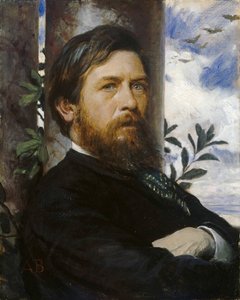
Arnold Böcklin
1827 - 1901 , Šveits
Lühikest infot
- Artistic Movement Or Style: Sümbolism
- Artists Or Movements Influenced By This Artist:
- Hans Thoma
- Pre-rafaeliidid
- Artists Who Influenced This Artist:
- Schirmer
- Feuerbach
- Date Of Birth: 16. oktoober 1827
- Date Of Death: 16. jaanuar 1901
- Full Name: Arnold Böcklin
- Nationality: Švits
- Notable Artworks:
- Surnute saar
- Nümf ja satüür
- Sappho
- Eneseportree
- Place Of Birth: Basel, Švits
Sarnased artiklid
Symbolismi tippteosed: 10 kunstiteost, mis muutisid kunsti
Sukeldu sümbolismi maailma! Avasta 10 tippteost, mis defineerisid kunstisuunda – Moreau, Redon jt. Looge unikaalne interjöör OriginalUniqueArt.comi muuseumikvaliteediliste reproduktsioonidega. Uuri täispikka kollektsiooni veebis!

Hieronymus Boschi 25 meistriteost: müstilised lood ja kunstikollektsioon OriginalUniqueArt'is
Avastage Hieronymus Boschi 25 kõige ikoonilisemat maali! Sukeldu keskaja sümbolismi, religioosse kunst ja fantaasiamaailma. Leidke täiuslik õlimaal oma interjööri OriginalUniqueArt'is. Vaadake kollektsiooni!
Thomas Barker of Bath: Landscape Painting & Societal Reflection in Early 19th-Century England
Explore the life & work of Thomas Barker of Bath, a key figure in 19th-century English Romanticism. Discover his Parisian success, iconic paintings like 'The Bride of Death', and lasting artistic legacy. Learn more at OriginalUniqueArt.

Echoes of Absence: Loss & Grief in Visual Art Through the Ages
Explore the profound history of grief in art, from Renaissance masterpieces to contemporary expressions. Discover how artists have captured loss, mourning, and mortality through powerful imagery & symbolism. OriginalUniqueArt offers expert insights.
Iconic Art of the 18th & 19th Centuries: Masterpieces for Your Home | OriginalUniqueArt
Journey through 18th & 19th century art! Explore iconic masterpieces by Monet, Van Gogh & more. Discover the stories behind these timeless paintings and find museum-quality reproductions for your home at OriginalUniqueArt.com.
