

 Vaata sisu
 Jaga teost
 Jaga
Jaga
 Detailid
 Õppekate juhend

 Laadi alla
 Sarnased teosed
 Röntgenuuring
 Slaidietendus
 Statistika
Spring Evening
 Oil On Panel
- Symbolist Painting
 1879
1879 67.0 x 129.0 cm
 Szépművészeti Múzeum
 Loe lähemalt
Giclée / Kunstiprint
Muuseumikvaliteediga giclée- või kangasprint kiire tootmisega ja paindlikud viimistlusvõimalused. ( Telli käsitsi maalitud reproduktsioon Ülemineku digitaalse pildi müügi kanalisse)




P118B €10

P118H €10

P118W €10

P438Z €10

P508JH €12

P508YH €12

P805H €10

P805Z €10

P919BZ €10

P919G €10

P919XJ €10

P959ZH €10

P968JZ €12

W106C €8

W218G €10

W218JH €8

W218Y €10

W307PJ €10

W316G €10

W316PJ €8

W316Y €10

W398PJ €8

W4111J €10

W500HY €15

W500JH €15

W692G €12

W849H €8

W940BG €15

W953PJ €8




Vali meie eelmääratud suurused, mis vastavad teose algupärastele proportsioonidele.

Sisestage vajalik laius ja kõrgus, et see sobiks teie raamile või seinale. Trükki saab ainult lõigata, seda ei saa kunagi pildist suuremaks teha, seega ka differentse vormiga suurus kaotab osa pildist. Enne trükkimist saadame teile kinnitamiseks digitaalse näidisprojektsiooni. Sellel lehel näidatud pilt ei kujuta reaalset lõiget — seda näitab ainult näidisprojekttsioon.
Ülemaailmne tarne () 2 nädala jooksul, tavalise 4/5 nädala asemel. (18 oktoober)

Tasuta ekspresssaatmine üle maailma

Kõrgekvaliteediline lina-kangastest muld

Täielik transpordikindlustus

Tollimaksude tagastamise garantii

Värvitoime täpsuse garantii

100 päeva tagastusõigus (ainult defektide korral)

100% raha tagasi garantii

Hulgusoodustus
 Klaasivalik on saadaval ainult kuni 110 cm suuruses teostes

Spring Evening
Giclée / Kunstiprint
Reproduktsiooni mõõtmed
-


Lõppsumma
€ 70
The Ethereal Embrace of Spring Evening
Arnold Böcklin’s “Spring Evening,” painted in 1879, isn't merely a depiction of a woodland scene; it’s an immersion into a realm of melancholic beauty and profound symbolism. Created during his time in Florence – a city that profoundly shaped his artistic vision – the painting captures a fleeting moment of enchantment, steeped in the atmosphere of late Romanticism and foreshadowing the rise of Symbolism. The canvas breathes with a quiet intensity, dominated by muted greens, blues, and browns, creating an almost dreamlike quality that immediately draws the viewer into its hushed world.
At the heart of the composition stands a woman, her posture suggesting both contemplation and vulnerability. Her hand gently resting on her head is a gesture simultaneously of yielding and quiet strength – she’s not passively observing but actively engaged with the scene unfolding before her. Beside her sits a man, seemingly lost in thought as he peruses a book, his presence offering a grounding element to the ethereal atmosphere. A bear, rendered with surprising tenderness, interacts playfully with both figures, blurring the lines between human and animal, nature and civilization. This carefully orchestrated tableau speaks of harmony, connection, and the delicate balance of the natural world.
A Symphony of Symbolism
Böcklin’s work is deeply rooted in mythology and folklore, drawing heavily on ancient Greek and Roman traditions. The central figure, often interpreted as Pan – the god of nature, shepherds, and wild music – plays his pipes, summoning a chorus of unseen nymphs from the surrounding forest. These dryads, with their flowing hair and graceful movements, represent the spirit of the woods, embodying both beauty and danger. The bear itself is a potent symbol, frequently associated with strength, wisdom, and primal instincts—a reminder of humanity’s connection to the earth.
The painting's muted palette contributes significantly to its symbolic weight. The cool blues and greens evoke a sense of melancholy and introspection, while the browns ground the scene in the tangible reality of the forest floor. The lighting is soft and diffused, creating an atmosphere of twilight—a liminal space between day and night, representing transition, mystery, and perhaps even mortality. Böcklin masterfully uses color not to simply depict a landscape but to convey complex emotions and ideas.
Technique and Artistic Influences
“Spring Evening” exemplifies Böcklin’s distinctive artistic style, characterized by meticulous detail, rich textures, and an almost obsessive attention to the natural world. He employed a technique of layering thin glazes of oil paint, building up color gradually to achieve remarkable depth and luminosity. The brushwork is subtle yet expressive, conveying both the smoothness of the forest floor and the intricate details of the foliage.
Böcklin’s artistic journey was profoundly influenced by his time in Düsseldorf, where he studied under Schirmer and became associated with the Düsseldorf School of Painting. However, it was in Florence that he truly developed his unique Symbolist vision, drawing inspiration from the city's rich cultural heritage and its connection to antiquity. The painting also reflects the influence of Romanticism, particularly the emphasis on emotion, imagination, and the sublime beauty of nature—themes central to the movement.
A Timeless Resonance
“Spring Evening” continues to resonate with viewers today because it taps into universal themes of longing, connection, and the search for meaning. Its evocative atmosphere and symbolic richness invite contemplation and offer a glimpse into the artist’s deeply personal vision. The painting's enduring appeal lies in its ability to transport us to another time and place—a world where myth and reality intertwine, and where the beauty of nature is inextricably linked to the mysteries of the human soul.
Küsimused ja vastused
Kas teose "Spring Evening" autoriõigused on kaitse all?')
Teos „Spring Evening“, autor Arnold Böcklin kuulub lubaõigusliku staatuse avalikus õiguses – selle autoriõigud onหมดunud alla. See staatus reguleerib teose pildi reprodüseerimise võimalusi.
Kuidas saan hankida teose „Spring Evening“, autor Arnold Böcklin digitaalse faili?
Teose "Spring Evening" digitaalset versiooni saab tellida kui kõrge resolutsiooniga digitaalse pildi allalaadimine, ostedes seda otse sellelt lehelt Digitaalne pilt.
Milline kunstnik ja milline stiil seisavad teose "Spring Evening" taga?
Teose "Spring Evening" on loonud Arnold Böcklin Symbolist Painting stiilis. Kunstnik ja suunamine määratlevad teose traditsiooni.
Kunstniku elulugu
varajane elu ja koolitus
Arnold Böcklin, Švitsi symbolistlik maalikunstnik, sündis 16. oktoobril 1827 Baslis, Švizeriidis. Tema isa, Christian Frederick Böcklin, pärines Schaffhauseni vanast sugukonna harudest ja tegeledu manusega siidikaubanduses. Arnoldi ema, Ursula Lippe, oli samast linnast pärit. Ta õppis Düsseldorfi akadeemias Schirmeri juures, becomeides samal ajal sõber Anselm Feuerbachiga. Böcklin on tihedalt seotud Düsseldorfi maalekooliga.kunstiline karjäär ja symbolism
Böcklini kunstiline teekond viis teda läbi mitme erineva linnaga, sealhulgas Pariisi, kus ta töötas Louvre'is, ning Rooma, kus teda mõjutsid selle linna vaatamistundused. Tema teosed kujutasid sageli allegorilisi ja müüdilisi figure klassikalise arhitektuuriga ümbritstud keskkonnas, uurides surmi ja surevuse teemasid.- Great Park, üks tema varasemaid teoseid, näitas antiikseid müüte.
- Nymph and Satyr (1858) ja Sappho (1859) olid sel perioodil silmapaistvad teosed.
- Böcklini Portrait of Myself, with Death Playing a Violin (1872) näitas tema ainulaadset stiili.
pärand ja mõju
Böcklin on kõige tuntum oma viie versiooni teosest The Isle of the Dead (1880-1886) eest, mis tõid meelde Florentsis asuvat inglise kalmistut, kuhu tema tütar on peidetud. Tema töö mõjutas nooremate kunstnikud nagu Hans Thoma ja inspireeris mitmeid hilisromantika helilisiä.- Clement Greenberg kirjeldus Böcklini tööd kui ühte oma ajastu "kõige täiuslikumat väljendust".
- Böcklini stiil lahukus kokku pre-rafaeliitidega, rõhutades unenäemaailma ja mystika rolli.
muuseumid ja kogumikud
Böcklini teoseid saab leida erinevatest muuseumidest, sealhulandes:- Öffentliche Kunstsammlung (Basel, Švizeriid)
- Kunstmuseum Basel (Švizeriid)
- Museum Kunsthaus Zürich (Zürich, Švizeriid)
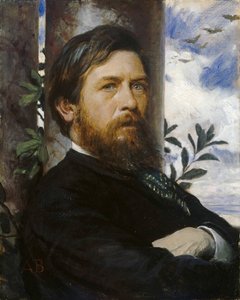
Arnold Böcklin
1827 - 1901 , Šveits
Lühikest infot
- Artistic Movement Or Style: Sümbolism
- Artists Or Movements Influenced By This Artist:
- Hans Thoma
- Pre-rafaeliidid
- Artists Who Influenced This Artist:
- Schirmer
- Feuerbach
- Date Of Birth: 16. oktoober 1827
- Date Of Death: 16. jaanuar 1901
- Full Name: Arnold Böcklin
- Nationality: Švits
- Notable Artworks:
- Surnute saar
- Nümf ja satüür
- Sappho
- Eneseportree
- Place Of Birth: Basel, Švits
Sarnased artiklid

Evocations of Place: A Historical Journey Through Landscape Art
Explore the rich history of landscape art with OriginalUniqueArt. Discover renowned artists, movements like Impressionism & tonalism, and expert guidance for collecting timeless pieces. Find your perfect serene escape today!

John Constable: 25 Suurimat Teost Inglise Maastikumaali Tippu
Avastage John Constable'i 25 suurimat teost! Sukeldu inglise maastikumaali romantismisse, imetlege Dedham Vale ilu ja leia inspiratsiooni kodukaunistuseks. Kvaliteetsed kunstireprodutsioonid OriginalUniqueArt.com-is. Vaata kohe!

Romantilise Maastikukunsti 10 Meisterteost: Kunstiteosed Koduks OriginalUniqueArt.com'ist
Avastage 10 romantilise maastikukunsti meistriteost! Tutvuge Caspar David Friedrichi, J.M.W. Turneri ja teiste suurte kunstnike loominguga OriginalUniqueArt.com-is. Leidke täiuslik õlimaal või reproduktsioon koduks – inspireeriv kollektsioon ootab!

Evocations of Place: A Historical Journey Through Landscape Art
Explore the rich history of landscape art with OriginalUniqueArt. Discover renowned artists, movements like Impressionism & Romanticism, and expert guidance for collecting timeless pieces. Find your perfect serene escape today!

Nature’s Sanctuary: Curating Enchanting Forest Artworks to Transform Your Home into a Serene Woodland Retreat
Transform your home into a serene woodland retreat with enchanting forest artworks. Discover museum-quality oil reproductions and custom landscape commissions designed to bring the peaceful beauty of nature indoors.
