
 Eelvaade
 Saada
Saada Jaga
Jaga
 Teave teose kohta
 Juhend

 Laadi alla
 Sarnased teosed
 Röntgenuuring
 Slaidietendus
 Q&A
Q&A Statistika
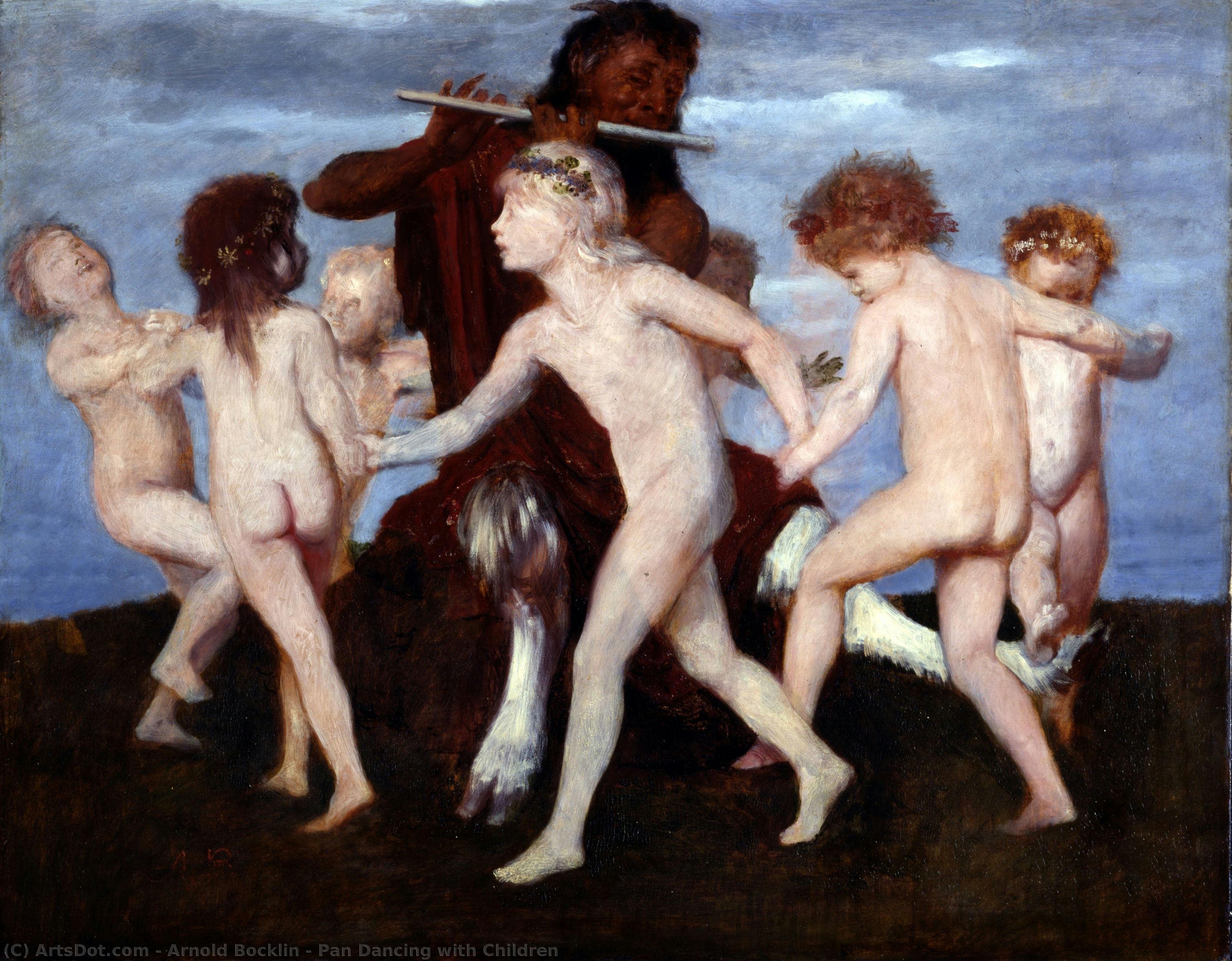
Pan Dancing with Children


 Loe lähemalt
Giclée / Kunstiprint
Muuseumikvaliteediga giclée- või kangasprint kiire tootmisega ja paindlikud viimistlusvõimalused. ( Osta käsitsi maalatud teos Lülita digitaalse pildi juurde)




P118B €10

P118H €10

P118W €10

P438Z €10

P508JH €12

P508YH €12

P805H €10

P805Z €10

P919BZ €10

P919G €10

P919XJ €10

P959ZH €10

P968JZ €12

W106C €8

W218G €10

W218JH €8

W218Y €10

W307PJ €10

W316G €10

W316PJ €8

W316Y €10

W398PJ €8

W4111J €10

W500HY €15

W500JH €15

W692G €12

W849H €8

W940BG €15

W953PJ €8




Vali meie eelmääratud suurused, mis vastavad teose algupärastele proportsioonidele.

Sisestage vajalik laius ja kõrgus, et see sobiks teie raamile või seinale. Trükki saab ainult lõigata, seda ei saa kunagi pildist suuremaks teha, seega ka erineva mustega suurus kaotab osa pildist. Enne trükkimist saadame teile kinnitamiseks digitaalse näidisprojektsiooni. Sellel lehel näidatud pilt ei kujuta reaalset lõiget — seda näitab ainult näidisprojektsioon.
Ülemaailmne tarne () 2 nädala jooksul, tavalise 4/5 nädala asemel. (31 oktoober)

Tasuta ekspresssaatmine üle maailma

Kõrgekvaliteediline lina-kangas

Täielik transpordikindlustus

Tollimaksude tagastamise garantii

Värvitoime täpsuse garantii

100 päeva tagastusõigus (ainult valmistusdefektide korral)

100% raha tagasi garantii

Hulgusoodustus
 Klaasivalik on saadaval ainult kuni 110 cm suuruses teostes

Pan Dancing with Children
Giclée / Kunstiprint
Reproduktsiooni suurus
-


Koguhind
€ 71
The Enigmatic Dance: Arnold Böcklin’s “Pan Dancing with Children”
Arnold Böcklin's "Pan Dancing with Children," painted around 1884, isn’t merely a depiction of a pastoral scene; it’s an immersion into a realm of mythic beauty and unsettling serenity. This captivating work, currently residing within the Museum Folkwang in Essen, Germany, transcends simple representation, offering instead a profound meditation on childhood innocence, primal connection to nature, and the lingering presence of ancient spirits. Böcklin, a key figure in the Symbolist movement, masterfully employed a muted palette—primarily ochres, browns, and deep greens—to create an atmosphere thick with twilight and dreamlike suggestion. The figures themselves are rendered with a remarkable degree of detail, yet possess an almost ethereal quality, as if caught between worlds.
The painting’s composition is deliberately ambiguous. A central group of nude children, seemingly unburdened by adult concerns, frolic around Pan, the god of the wild, shepherds, and flocks. They are engaged in a variety of activities: playing musical instruments crafted from branches, holding hands in playful circles, and gazing upwards with an expression that blends curiosity and contentment. The inclusion of putti—small winged infants—further enhances the sense of otherworldly grace and innocence. Notice how Böcklin subtly integrates elements of classical mythology – the flute Pan holds is a direct reference to the god’s traditional instrument – alongside the rustic setting, creating a harmonious blend of ancient lore and contemporary observation.
A Glimpse into Symbolist Aesthetics
Böcklin's work firmly establishes him as a pivotal figure in the Symbolist movement, which sought to evoke emotions and ideas rather than simply depict reality. Rejecting the naturalism prevalent in earlier art movements, Symbolists like Böcklin prioritized subjective experience and explored themes of death, memory, and the subconscious. “Pan Dancing with Children” exemplifies this approach through its evocative atmosphere and symbolic imagery. The painting’s muted colors, soft lighting, and dreamlike quality contribute to a sense of melancholy and longing—a feeling that resonates deeply within the viewer.
The choice of nudity is particularly significant. It isn't presented in a provocative manner but rather as an embodiment of primal innocence and connection to nature. The children’s vulnerability underscores their purity, while their joyful dance suggests a liberation from worldly concerns. Böcklin’s meticulous attention to detail—from the texture of the children’s skin to the delicate folds of their clothing—further emphasizes their tangible presence within the scene.
Technique and Materials: A Masterful Blend
While often categorized as a painting, “Pan Dancing with Children” incorporates elements of mixed media. Böcklin skillfully combined oil paints with photographic techniques, creating a unique visual texture that blends the immediacy of photography with the depth and richness of traditional painting. This hybrid approach allowed him to capture fleeting moments of light and shadow, imbuing the scene with an unparalleled sense of realism. The use of layering and glazing—applying thin washes of paint over previous layers—contributes to the work’s luminous quality and creates a subtle interplay of colors.
The artist's background in Düsseldorf, associated with the school known for its emphasis on realistic depiction, is evident in the meticulous rendering of the figures and their surroundings. However, Böcklin departs from traditional academic techniques by prioritizing atmosphere and emotional impact over precise representation. This deliberate shift reflects his commitment to Symbolist principles and his desire to create a work that transcends mere visual observation.
Symbolism and Interpretation: Echoes of Ancient Myths
Beyond its aesthetic qualities, “Pan Dancing with Children” is rich in symbolic meaning. Pan himself represents the untamed spirit of nature—a force both benevolent and potentially dangerous. The children’s dance can be interpreted as a celebration of life, joy, and connection to the natural world. However, there's also an undercurrent of melancholy—a sense that this idyllic scene is fleeting and destined to fade away. The painting subtly evokes themes of mortality and the cyclical nature of time.
The inclusion of ancient myths – Pan’s role as a shepherd god, the presence of putti – connects the work to a broader cultural heritage, suggesting a timeless resonance between humanity and the natural world. Böcklin's masterful use of symbolism invites viewers to engage in their own interpretations, creating a deeply personal and emotionally resonant experience. Reproductions of this iconic artwork continue to captivate audiences with its haunting beauty and profound sense of mystery.
Korduvad küsimused
Kuidas teos „Pan Dancing with Children“, autor Arnold Böcklin seob Symbolist Painting kunstniku kodumaaga?
Teose "Pan Dancing with Children" on loonud Šveits-s sündinud Arnold Böcklin, tuginedes Symbolist Painting suunale. Kunstniku päritolu seob teose Symbolist Painting stiiliga, mida praktiseerivad Šveits kunstnikud.
Mis tüüpi teos on "Pan Dancing with Children"?
"Pan Dancing with Children" on WallArt teos.
Kas saan näha teose „Pan Dancing with Children“, autor Arnold Böcklin röntgenpilti?
Teost "Pan Dancing with Children" saab uurida kiht kihti teose Röntgenuuring lehel, mis on restauraatori valgelaudast inspireeritud interaktiivne vaatur, pakkudes kujundist üksteist optilist lugemist.
Kunstniku elulugu
varajane elu ja koolitus
Arnold Böcklin, Švitsi symbolistlik maalikunstnik, sündis 16. oktoobril 1827 Baslis, Švizeriidis. Tema isa, Christian Frederick Böcklin, pärines Schaffhauseni vanast sugukonna harudest ja tegeledu manusega siidikaubanduses. Arnoldi ema, Ursula Lippe, oli samast linnast pärit. Ta õppis Düsseldorfi akadeemias Schirmeri juures, becomeides samal ajal sõber Anselm Feuerbachiga. Böcklin on tihedalt seotud Düsseldorfi maalekooliga.kunstiline karjäär ja symbolism
Böcklini kunstiline teekond viis teda läbi mitme erineva linnaga, sealhulgas Pariisi, kus ta töötas Louvre'is, ning Rooma, kus teda mõjutsid selle linna vaatamistundused. Tema teosed kujutasid sageli allegorilisi ja müüdilisi figure klassikalise arhitektuuriga ümbritstud keskkonnas, uurides surmi ja surevuse teemasid.- Great Park, üks tema varasemaid teoseid, näitas antiikseid müüte.
- Nymph and Satyr (1858) ja Sappho (1859) olid sel perioodil silmapaistvad teosed.
- Böcklini Portrait of Myself, with Death Playing a Violin (1872) näitas tema ainulaadset stiili.
pärand ja mõju
Böcklin on kõige tuntum oma viie versiooni teosest The Isle of the Dead (1880-1886) eest, mis tõid meelde Florentsis asuvat inglise kalmistut, kuhu tema tütar on peidetud. Tema töö mõjutas nooremate kunstnikud nagu Hans Thoma ja inspireeris mitmeid hilisromantika helilisiä.- Clement Greenberg kirjeldus Böcklini tööd kui ühte oma ajastu "kõige täiuslikumat väljendust".
- Böcklini stiil lahukus kokku pre-rafaeliitidega, rõhutades unenäemaailma ja mystika rolli.
muuseumid ja kogumikud
Böcklini teoseid saab leida erinevatest muuseumidest, sealhulandes:- Öffentliche Kunstsammlung (Basel, Švizeriid)
- Kunstmuseum Basel (Švizeriid)
- Museum Kunsthaus Zürich (Zürich, Švizeriid)
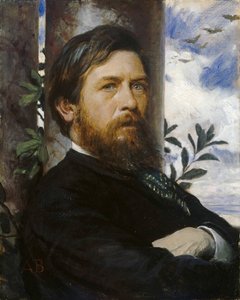
Arnold Böcklin
1827 - 1901 , Šveits
Lühikest infot
- Artistic Movement Or Style: Sümbolism
- Artists Or Movements Influenced By This Artist:
- Hans Thoma
- Pre-rafaeliidid
- Artists Who Influenced This Artist:
- Schirmer
- Feuerbach
- Date Of Birth: 16. oktoober 1827
- Date Of Death: 16. jaanuar 1901
- Full Name: Arnold Böcklin
- Nationality: Švits
- Notable Artworks:
- Surnute saar
- Nümf ja satüür
- Sappho
- Eneseportree
- Place Of Birth: Basel, Švits
Sarnased artiklid
Timeless Legends: A Curated Guide to the Eternal Allure of Mythological Masterpieces
Embark on a sophisticated journey through the eternal allure of mythological art. Discover how master painters breathe life into ancient legends, from Greek deities to Baroque masterpieces, and learn to curate these timeless narratives within your own exquisite art collection.
Echoes of Olympus: Mythological Narratives in Western Art Through the Ages
Explore the captivating history of mythological narratives in Western art! From ancient Greece to modern masterpieces, discover iconic artworks & symbolism. Expert analysis and high-quality reproductions at OriginalUniqueArt.
Sir Nathaniel Dance-Holland: Portraiture, Patronage & Georgian Identity
Explore the life & art of Sir Nathaniel Dance-Holland, a leading Georgian portraitist. Discover his masterful technique, influential patrons, and lasting impact on 18th-century British society. A guide for discerning collectors.
Move to the Beat: Bold & Iconic Dance Art to Electrify Your Space
Elevate your space with bold, iconic dance art. From street art vibes to Pop Art masterpieces, discover high-impact, hand-painted reproductions and custom commissions designed to move you. Transform your walls with the rhythm of contemporary culture.

Timeless Legends: The Eternal Allure of Mythological Figures in Masterpiece Art
Explore the profound beauty of mythological figures through the lens of art history. From Renaissance masterpieces to custom oil reproductions, discover how legendary tales of heroism and divinity are immortalized in fine art for discerning collectors.
