Romanticism · 1890
Honeymoon (Arnold Böcklin, 1890)
Arnold Böcklin (1827–1901) on loonud teose Honeymoon. See on pärinev 1890 aastast. See kuulub Romanticism suuntrime. Teos on valmistatud materjalist Oil On Canvas. Teos asub Städel Museum kogamuses Frankfurt, Saksamaa. Mõõdud on 72 × 52 cm.
- 1890
- Oil On Canvas
- 72 × 52 cm
- Städel Museum, Frankfurt

 Eelvaade

 Käsitsi maalatud õlimaalatsioon
 Saada
 Jaga
 Teave teose kohta


 Laadi alla
 Sarnased teosed
 Röntgenuuring
 Slaidietendus
 KÜSIMUSED JA VASTUSID

 Statistika
Honeymoon lühidalt
- Pealkiri
- Honeymoon
- Kunstnik
- Arnold Böcklin (1827–1901)
- Kunstnik on sündinud
- Basel, Šveits
- Kuupäev
- 1890
- Tehnika
- Oil On Canvas
- Mõõtmed
- 72 × 52 cm
- Kus seda näeb
- Städel Museum, Frankfurt, Saksamaa
- Suunad
- Romanticism
- Aeglkond
- 19th Century
- Teema
- romantic landscape, mountain view, intimate scene, atmospheric art, detailed texture, ethereal mood
Mida Honeymoon kujutab?
A Moment of Sublime Romance: Arnold Böcklin’s “Honeymoon”
Arnold Böcklin's "Honeymoon," painted in 1890, is more than just a picturesque landscape; it’s a carefully constructed meditation on love, aspiration, and the profound connection between humanity and nature. Measuring 72 x 52 cm, this oil-on-canvas work exemplifies Böcklin's signature style within the Symbolist movement – a style characterized by its evocative mood, symbolic resonance, and meticulous attention to detail. The scene depicts a young couple perched atop a rugged rock formation, overlooking a vast, hazy expanse that speaks of both beauty and mystery. It’s a tableau designed not merely to represent a romantic encounter but to evoke a deeply felt emotion within the viewer.
Romanticism's Embrace: Composition and Technique
- Compositional Strength: The figures, centrally placed yet subtly distanced, draw the eye immediately, establishing a powerful focal point. The horizontal thrust of the rocky outcrop anchors the scene while simultaneously directing the gaze towards the distant landscape. This deliberate arrangement creates a sense of depth and stability, crucial elements within Böcklin’s approach.
- Meticulous Brushwork: Böcklin's technique is immediately apparent in the incredibly detailed brushwork. Layer upon layer of oil paint has been skillfully applied to build up the textures of the stone – rough, weathered, and undeniably ancient – as well as the flowing drapery of the woman’s dress and the delicate strands of her hair. This painstaking process imbues the painting with a remarkable tactile quality.
- Atmospheric Perspective: The use of atmospheric perspective—the subtle blurring of details in the background to suggest distance—further enhances the illusion of depth, transporting the viewer into this serene, almost dreamlike setting.
Symbolic Layers: Interpretation and Meaning
“Honeymoon” is rich with symbolic meaning, reflecting Böcklin’s fascination with themes of mortality, mythology, and the human condition. The elevated position of the figures on the rocky outcrop can be interpreted as a representation of aspiration – a desire to reach for something beyond the mundane. The vast landscape behind them symbolizes the immensity of emotion or experience, suggesting that love is both intensely personal and profoundly connected to the wider world. The muted color palette—browns, ochres, and greens—contributes to the painting’s melancholic yet hopeful mood, reminiscent of Romanticism's exploration of intense feelings and the sublime.
A Masterpiece of the Symbolist Era
Painted in 1890, “Honeymoon” stands as a testament to Arnold Böcklin’s mastery of the Symbolist style. His ability to capture not just visual beauty but also profound emotional and symbolic resonance is evident in every detail. This artwork offers a glimpse into the heart of the Symbolist movement – a movement that sought to express ideas and emotions through evocative imagery, rather than literal representation. A hand-painted reproduction of “Honeymoon” would bring this timeless piece into any interior space, offering a touch of Romantic elegance and contemplative beauty.
Kumba muuseumis asub teos Honeymoon?
Städel Museum
Frankfurt, Saksamaa
Origins and History of the Städel Museum The Städel Museum traces its origins to the personal collection of Johann Friedrich Städel, a Frankfurt banker and art patron. Established as a civic foundation in 1815, the institution was formally founded in 1817. Städel’s intent was to preserve his holdings and provide public access to the art he had amassed through his travels and business activities.


Honeymoon kõrge resolutsiooniga pildid

Avalik omanik: kunstnik suri aastal 1901.
Teised laiused, uueste lõikud ja alluding →Arnold Böcklin, Honeymoon (1890), Städel Museum. Avalik omaniklik õigus
Küsimused teemal Honeymoon – vastused
Kust saab teose „Honeymoon“, autor Arnold Böcklin täna vaadata?
Originaalteost „Honeymoon“, autor Arnold Böcklin hoiustatakse Städel Museum, Frankfurt, Saksamaa muuseumis. Reproduktsioon võimaldab teost koduses keskkonnas esitleda.
Mis aastal loodi teos „Honeymoon“, autor Arnold Böcklin?
Teos „Honeymoon“, autor Arnold Böcklin loodi aastal 1890.
Millist tehnikat teose „Honeymoon“, autor Arnold Böcklin valmistamisel kasutati?
Teose „Honeymoon“, autor Arnold Böcklin materjal on Oil On Canvas. Reproduktsioonide eesmärk on jälitada selle tehnika välimust.
Mis on originaalteose „Honeymoon“, autor Arnold Böcklin mõõdud?
Teose „Honeymoon“, autor Arnold Böcklin mõõdud on 72 x 52 cm. Reproduktsioone saab tellida muutes mõõtust, säilitades samal ajal samad proportsioonid.
Mille kohta teos "Honeymoon" on?
Teose "Honeymoon" teemad on romantic landscape, mountain view, intimate scene, atmospheric art, detailed texture, ethereal mood, symbolism, vintage painting.
Kas teos „Honeymoon“, autor Arnold Böcklin kuulub avalikku omandisse?
Tegijateõiguse osas on teos "Honeymoon" kuuluv klassifikatsiooni alla: avalikus õiguses – selle autoriõigud onหมดunud.
Kes on teose "Honeymoon" looja?
Teose "Honeymoon" loovija on Arnold Böcklin. Selle lehe info kirjeldab Arnold Böcklin algteost.
Millissele stiilile kuulub "Honeymoon"?
Teos „Honeymoon“, autor Arnold Böcklin kuulub Romanticism suunasse. See suund annab teosele stilistilise konteksti.
Millissele perioodile Arnold Böcklin karjäärist kuulub teos "Honeymoon"?
Arnold Böcklin loomingus kuulub teos "Honeymoon" perioodi Mature Period. See etap aitab seda võrdida kunstniku teiste töödega.
Kunstnikust, Arnold Böcklin
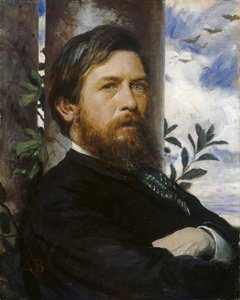
1827–1901, Šveits
Arnold Böcklin
Saare varjud Šveitsi linn Basel on olnud algupunkt elule, mida iseloomustas püsiv pinge aistitava ja vaimse maailma vahel. 16. oktoobril 1827 sündinud Christian Frederick Böcklin ja Ursula Lippe poeg liikus eventually oma isa siidikaubandusega seotud maailmast kaugemale, suvaliselt Düsseldorfi akadeemia rangesse õppekonnas. Schirmeri juhendise all hakkas ta omastama maastiku keelt – oskust, mida ta kasutas hiljem inimpsyhke geograafia kaartamiseks.
Teel Arnold Böcklin kohta Arnold Böcklin silmapaistvad teosed
Ka Arnold Böcklin teosed
 Surnute saar (Esimene versioon)1880
 Eneseportree koos surma viiulimängijaga
 Kondrik sõda1896
 Surnu saar (Versioon 5)1886

Essee teemadel Honeymoon
 A Study in Melancholy: Finding Human Sorrow within the Post-Impressionist TraditionExplore the profound expression of grief through Munch, Van Gogh, and Degas. Discover the soul of Post-Impressionism with our expert study.
 The Language of Brushstrokes: Decoding Emotion and Technique in Art HistoryExplore the profound connection between technique and emotion. From the sculptural depth of impasto to classical mastery, decode the langua…
 Nature's Sublime Majesty: The Emotional Resonance and Spiritual Depth of Romantic Landscape PaintingExplore the spiritual depth of German Romanticism and Caspar David Friedrich's sublime landscapes. Discover the power of nature's majesty n…