

 Vaata sisu
 Jaga teost
 Jaga
Jaga
 Detailid
 Õppekate juhend

 Laadi alla
 Sarnased teosed
 Röntgenuuring
 Slaidietendus
 Statistika
Centaur at the Village Blacksmith's Shop
 Oil On Canvas
- WallArt
- Symbolist Painting
 1888
1888- 19th Century
 100.0 x 80.0 cm
 Szépművészeti Múzeum
 Loe lähemalt
Giclée / Kunstiprint
Muuseumikvaliteediga giclée- või kangasprint kiire tootmisega ja paindlikud viimistlusvõimalused. ( Telli käsitsi maalitud reproduktsioon Ülemineku digitaalse pildi müügi kanalisse)




P118B $10

P118H $10

P118W $10

P438Z $10

P508JH $12

P508YH $12

P805H $10

P805Z $10

P919BZ $10

P919G $10

P919XJ $10

P959ZH $10

P968JZ $12

W106C $8

W218G $10

W218JH $8

W218Y $10

W307PJ $10

W316G $10

W316PJ $8

W316Y $10

W398PJ $8

W4111J $10

W500HY $15

W500JH $15

W692G $12

W849H $8

W940BG $15

W953PJ $8




Vali meie eelmääratud suurused, mis vastavad teose algupärastele proportsioonidele.

Saate sisestada oma mõõdud, et need sobiks konkreetse raami või ruumi sisse. Kui valitud suurus ei vasta originaalteose proportsioonidele, lõigame teose ära või laiendame pilti peegeldatud või ühtlase servaga. Enne tootmisprotsessi algust saadetakse Teie kinnitamiseks digitaalne näidis.
Palun märka, et ekraanil kuvatav eelvaade ei kajasta tegelikku lõigamist või laiendamist. Ainult näidis kujutab täpselt lõplikku kompositsiooni.
Kuigi erimõõdu on saadaval, soovitame originaaproportsioonide säilitamiseks valida mõõt ette määratud nimekirjast.
Ülemaailmne tarne () 2 nädala jooksul, tavalise 4/5 nädala asemel. (25 september)

Tasuta ekspresssaatmine üle maailma

Kõrgekvaliteediline lina-kangastest muld

Täielik transpordikindlustus

Tollimaksude tagastamise garantii

Värvitoime täpsuse garantii

100 päeva tagastusõigus (ainult defektide korral)

100% raha tagasi garantii

Hulgusoodustus
 Klaasivalik on saadaval ainult kuni 110 cm suuruses teostes

Centaur at the Village Blacksmith's Shop
Giclée / Kunstiprint
Reproduktsiooni mõõtmed
-


Lõppsumma
$ 80
A Moment Frozen in Mythic Time
In the quietude of Arnold Böcklin’s 1888 masterpiece, “Centaur at the Village Blacksmith's Shop,” the boundaries between the mundane and the miraculous dissolve into a single, haunting tableau. As a cornerstone of the Symbolist movement, this work transcends mere representation to explore the profound psychological depths of the human condition. The scene presents a striking juxtaposition: the rhythmic, grounded labor of a village blacksmith’s forge set against the presence of a solitary centaur. This half-man, half-horse figure, engaged in the seemingly ordinary task of shoeing a horse, introduces an unsettling tension into the rural tranquility. Böcklin masterfully uses a palette of muted browns, greys, and earthy tones to create an atmosphere of palpable stillness, inviting the viewer to step into a world where the echoes of classical antiquity still resonate within the heart of modern civilization.
The technical brilliance of the piece lies in Böcklin’s command of chiaroscuro, the dramatic interplay between light and shadow that breathes life into the textures of the blacksmith's shop. Every detail—from the solidity of the forge to the heavy, weathered tools—is rendered with a meticulousness that emphasizes the permanence of human industry. Yet, this stability is interrupted by the centaur’s gaze, which pierces through the canvas to meet the viewer directly. This connection is laden with melancholy, hinting at a hidden narrative of lost innocence and the struggle between primal instinct and civilized intellect. For the discerning collector or interior designer, the painting offers more than just visual beauty; it provides a window into the duality of existence, making it a profound focal point for any space dedicated to contemplation and intellectual depth.
Symbolism and the Echoes of Antiquity
To gaze upon this artwork is to engage in a dialogue with the very essence of myth. Böcklin draws heavily from classical mythology to weave a complex tapestry of meaning, utilizing the centaur as a potent symbol of untamed nature and raw, instinctual knowledge. In the context of the blacksmith's shop—a symbol of human reason, artistry, and the established order—the centaur represents the enduring power of our primal origins that refuses to be fully tamed by progress. This tension between the wild and the civilized is what gives the painting its enduring emotional resonance.
For those seeking to infuse their homes with art that tells a story, this reproduction serves as an evocative piece of decor. It captures a sense of nostalgia for a perceived era of simplicity while simultaneously challenging the viewer with its mythological complexity. Whether placed in a grand library or a quiet study, the painting’s ability to evoke both peace and profound inquiry makes it an incomparable addition to a curated collection. It is not merely a depiction of a scene, but an invitation to explore the complexities of our own nature through the lens of a master who understood the silent language of symbols.
Kunstniku elulugu
varajane elu ja koolitus
Arnold Böcklin, Švitsi symbolistlik maalikunstnik, sündis 16. oktoobril 1827 Baslis, Švizeriidis. Tema isa, Christian Frederick Böcklin, pärines Schaffhauseni vanast sugukonna harudest ja tegeledu manusega siidikaubanduses. Arnoldi ema, Ursula Lippe, oli samast linnast pärit. Ta õppis Düsseldorfi akadeemias Schirmeri juures, becomeides samal ajal sõber Anselm Feuerbachiga. Böcklin on tihedalt seotud Düsseldorfi maalekooliga.kunstiline karjäär ja symbolism
Böcklini kunstiline teekond viis teda läbi mitme erineva linnaga, sealhulgas Pariisi, kus ta töötas Louvre'is, ning Rooma, kus teda mõjutsid selle linna vaatamistundused. Tema teosed kujutasid sageli allegorilisi ja müüdilisi figure klassikalise arhitektuuriga ümbritstud keskkonnas, uurides surmi ja surevuse teemasid.- Great Park, üks tema varasemaid teoseid, näitas antiikseid müüte.
- Nymph and Satyr (1858) ja Sappho (1859) olid sel perioodil silmapaistvad teosed.
- Böcklini Portrait of Myself, with Death Playing a Violin (1872) näitas tema ainulaadset stiili.
pärand ja mõju
Böcklin on kõige tuntum oma viie versiooni teosest The Isle of the Dead (1880-1886) eest, mis tõid meelde Florentsis asuvat inglise kalmistut, kuhu tema tütar on peidetud. Tema töö mõjutas nooremate kunstnikud nagu Hans Thoma ja inspireeris mitmeid hilisromantika helilisiä.- Clement Greenberg kirjeldus Böcklini tööd kui ühte oma ajastu "kõige täiuslikumat väljendust".
- Böcklini stiil lahukus kokku pre-rafaeliitidega, rõhutades unenäemaailma ja mystika rolli.
muuseumid ja kogumikud
Böcklini teoseid saab leida erinevatest muuseumidest, sealhulandes:- Öffentliche Kunstsammlung (Basel, Švizeriid)
- Kunstmuseum Basel (Švizeriid)
- Museum Kunsthaus Zürich (Zürich, Švizeriid)
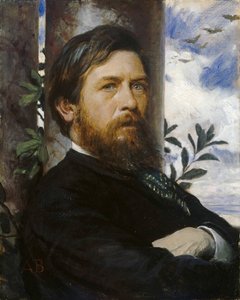
Arnold Böcklin
1827 - 1901 , Šveits
Lühikest infot
- Artistic Movement Or Style: Sümbolism
- Artists Or Movements Influenced By This Artist:
- Hans Thoma
- Pre-rafaeliidid
- Artists Who Influenced This Artist:
- Schirmer
- Feuerbach
- Date Of Birth: 16. oktoober 1827
- Date Of Death: 16. jaanuar 1901
- Full Name: Arnold Böcklin
- Nationality: Švits
- Notable Artworks:
- Surnute saar
- Nümf ja satüür
- Sappho
- Eneseportree
- Place Of Birth: Basel, Švits
Sarnased artiklid
Evoking Arcadia: A Historical & Aesthetic Exploration of Rural Landscape Art
Explore the rich history of pastoral landscape art, from classical Arcadia to Impressionism & beyond. Discover key artists, movements, and how to collect serene rural scenes for your home. Expert insights at OriginalUniqueArt.

Cultivating Visions: A Historical Journey Through Rural Landscapes in Art
Explore the rich history of rural landscape painting with OriginalUniqueArt. Discover Impressionist masterpieces, key artists & movements. Find your perfect serene artwork and bring nature's beauty home.

Evocations of Place: A Historical Journey Through Landscape Art
Explore the rich history of landscape art with OriginalUniqueArt. Discover renowned artists, movements like Impressionism & Romanticism, and expert guidance for collecting timeless pieces. Find your perfect serene escape today!

John Constable: 25 Suurimat Teost Inglise Maastikumaali Tippu
Avastage John Constable'i 25 suurimat teost! Sukeldu inglise maastikumaali romantismisse, imetlege Dedham Vale ilu ja leia inspiratsiooni kodukaunistuseks. Kvaliteetsed kunstireprodutsioonid OriginalUniqueArt.com-is. Vaata kohe!

Romantilise Maastikukunsti 10 Meisterteost: Kunstiteosed Koduks OriginalUniqueArt.com'ist
Avastage 10 romantilise maastikukunsti meistriteost! Tutvuge Caspar David Friedrichi, J.M.W. Turneri ja teiste suurte kunstnike loominguga OriginalUniqueArt.com-is. Leidke täiuslik õlimaal või reproduktsioon koduks – inspireeriv kollektsioon ootab!
