

 Vaata sisu
 Jaga teost
 Jaga
Jaga
 Detailid
 Õppekate juhend

 Laadi alla
 Sarnased teosed
 Röntgenuuring
 Slaidietendus
 Statistika
Cupid and Psyche
 Acrylic On Canvas
- WallArt
- Neoclassical Sculpture
 1796
1796- 19th Century
 150.0 x 68.0 cm
 Louvre'i muuseum
 Loe lähemalt
Käsitsi valmistatud õlimaalireproduktsioon
Meie kunstnike poolt tellimusel valmistatud käsitsi maalitud õli-kainaste teos teie soovitud suuruses ja raamis. ( Lülita trükkitoodetele Ülemineku digitaalse pildi müügi kanalisse)




P118B €10

P118H €10

P118W €10

P438Z €10

P508JH €12

P508YH €12

P805H €10

P805Z €10

P919BZ €10

P919G €10

P919XJ €10

P959ZH €10

P968JZ €12

W106C €8

W218G €10

W218JH €8

W218Y €10

W307PJ €10

W316G €10

W316PJ €8

W316Y €10

W398PJ €8

W4111J €10

W500HY €15

W500JH €15

W692G €12

W849H €8

W940BG €15

W953PJ €8




Vali meie eelmääratud suurused, mis vastavad teose algupärastele proportsioonidele.

Sisestage vajalik laius ja kõrgus, et teos sobiks teie raamile või seinale. Kuna tegu on käsipainatud teosega, siis erineva kujuga suuruse korral võib kunstnik jätta pildi ümber veidi rohkem marginaali või lõigata osa ära — valik on teie. Enne maali alustamist saadame teile kinnitamiseks digitaalse näidisprojektsiooni. Sellel lehel näidatud pilt ei kajasta tegelikku tulemust — seda näitab ainult näidisprojekttsioon.
Pärast tellimust saadab OriginalUniqueArt.com meeskond kliendile e-posti juhised ning esitab eelvaate kavandi
Maailmline tarne 3–4 nädala jooksul tavalise 5 nädala asemel. (27 oktoober). Kvaliteedis kompromisse ei tehta.

Tasuta ekspresssaatmine üle maailma

Kõrgekvaliteediline lina-kangastest muld

Täielik transpordikindlustus

Tollimaksude tagastamise garantii

Värvitoime täpsuse garantii

100 päeva tagastusõigus (ainult defektide korral)

100% raha tagasi garantii

Hulgusoodustus
 Klaasivalik on saadaval ainult kuni 110 cm suuruses teostes

Cupid and Psyche
Reproduktsiooni materjal
Reproduktsiooni mõõtmed
-


Lõppsumma
€ 263
The Mythic Heart of Antonio Canova’s Masterpiece
Antonio Canova's "Cupid and Psyche" isn’t merely a sculpture; it’s a frozen moment of profound yearning, a testament to the enduring power of love against the backdrop of classical mythology. Completed in 1796, this marble masterpiece transcends its subject matter, offering a glimpse into the burgeoning Romantic sensibility while firmly rooted in the elegant formalism of Neoclassicism. The story itself—the tale of Cupid’s obsessive pursuit and Psyche's arduous journey to earn his love—resonates with universal themes of devotion, sacrifice, and ultimately, triumph over adversity. Canova masterfully captures this narrative through a dynamic composition that balances poised elegance with palpable emotion.

The sculpture depicts the pivotal moment when Cupid, having overcome the wrath of Venus, descends upon Psyche, bestowing upon her a kiss that awakens her from a deathlike slumber. Canova’s genius lies in his ability to convey this intense exchange with subtle gestures and exquisitely rendered anatomy. The figures are not rigidly posed; instead, they move within a single, fluid action—a delicate balance between anticipation and fulfillment. Psyche, bathed in an ethereal light, reaches out towards Cupid, her hand poised to receive the kiss, while Cupid himself is captured mid-motion, his wings partially unfurled as he gently touches her breast. The sculpture’s diagonal composition draws the eye directly into this intimate tableau, creating a powerful sense of immediacy.
Neoclassical Form and Romantic Emotion
“Cupid and Psyche” stands at the fascinating intersection of two artistic movements: Neoclassicism and Romanticism. Canova, deeply influenced by the classical ideals of balance, harmony, and proportion, meticulously adheres to the formal conventions of Neoclassicism. The smooth surfaces of the marble, the idealized forms of the figures, and the carefully controlled drapery all reflect this commitment to classical aesthetics. However, beneath this surface lies a profound emotional depth that anticipates the Romantic emphasis on feeling, passion, and individualism. Canova doesn’t simply depict a mythological scene; he captures the very essence of love—its intensity, its vulnerability, and its transformative power.
The choice of marble itself is significant. Marble was considered the material of gods and heroes in antiquity, lending an air of timelessness and reverence to the sculpture. Canova’s masterful manipulation of the stone – the subtle gradations of light and shadow, the delicate textures of skin and fabric – elevates the work beyond mere representation, imbuing it with a remarkable sense of realism and vitality.
Symbolism and Artistic Technique
The sculpture is rich in symbolic detail. Cupid’s quiver, filled with arrows, represents his role as the god of love, while Psyche's veiled face suggests her initial state of unconsciousness and vulnerability. The vase that caused Psyche to faint symbolizes the obstacles she had to overcome to earn Cupid’s affection. Canova’s technical skill is equally impressive. He employed a technique known as *contrapposto*, where the figures are slightly off-balance, creating a sense of naturalism and movement. This subtle shift in weight adds dynamism to the composition and draws attention to the emotional core of the scene.
Furthermore, Canova’s meticulous study of human anatomy is evident in every detail—the delicate curve of Psyche's neck, the muscular tension in Cupid’s arm, the flowing folds of their garments. He achieved this level of realism through countless hours of observation and dissection, demonstrating a profound understanding of the human form.
A Timeless Legacy
“Cupid and Psyche” remains one of Antonio Canova's most celebrated works, admired for its beauty, emotional depth, and technical mastery. It’s a sculpture that continues to captivate viewers centuries after its creation, reminding us of the enduring power of love—a force capable of overcoming even the greatest obstacles. Reproductions of this iconic piece offer an opportunity to bring this timeless masterpiece into your home or studio, allowing you to experience firsthand the artistry and emotion that define Canova’s legacy.
Küsimused ja vastused
Kuidas teose "Cupid and Psyche" värvid omavahel sobivad?
Teose "Cupid and Psyche" värviharmonia on Strong Color Unity.
Kust saan alla laadida „Cupid and Psyche“, autor Antonio Canova?
Teose „Cupid and Psyche“, autor Antonio Canova tehes digitaalset pilti saab alla laadida selle Laadi alla lehelt vormatsis kõrge resolutsiooniga digitaalse pildi allalaadimine.
Milline ruum sobib kokku teose „Cupid and Psyche“, autor Antonio Canova värvidega?
Olles värvipalett Earthy, on teos „Cupid and Psyche“, autor Antonio Canova soovitatav ruumideks Living Room. Just needistlikud toonid on üks põhjuseid selle soovituse taga.
Kunstniku elulugu
Antonio Canova: Elu marmoris kes see
- Sündis: Possagno, Itaalia (1757)
- Suri: 1822
Antonio Canova tõuseb Lääne kunstiajal hiigelplaanina, olles laialdaselt tunnustatud kui klassitsimi esimeetne skulptor. Tema meistriklassis marmori üligravimine ja võime infuseerida klassikalisi vorme sügavate emotsioonidega kindlustas talle koha kõigi aegade suurimate kunstikodade seas. Sündinud Itaalias Possagnos kivilaulataja Pietro Canova perre, oli Canova varajane elu tugevalt mõjutatud teda ümbritsevast kunstilisest keskkonnast.
Varajane elu ja koolitus
- Pere taust: Tema isa profession pakkus esmast kokkupuudet kivilõikmisega ning tema vanaisa Pasino Canova, altarite ja madalreljeefide spetsialist, mängis otsustavat rolli tema talendi eestlemisel.
- Varajane kunstiline areng: Juba enne keskülemiku aastaid näitas Canova märkimisväärset oskust, luues väikeseid marmorist pühaalseid, mis demonstreerisid tema loomulikku võimekust. Ta õppis õpilasena Giuseppe Bernardi ('Torretto') ja Giovanni Ferrari juures, pöhendades oma oskusi veelgi täiendavamaks.
- Akadeemilised õpingud: Tema õpingud Veneetsia Kunstakadeemias tõid kaasa arvukalt preemiaid, kinnistades tema mainet lootekustava noore kunstnikuna. Kloostris asuv tööbaas pakkus talle piisavalt ruumi oma käsitöö arendamiseks.
- Varajased tellimused: Varajased tellimused, nagu Orfeuse ja Eurydike statues senator Giovanni Falierile (1775-1777), näitasid algavat rokoko stiili, ennustades tema hilisemat klassitsistlikku rafineerimist.
Tõus au nn klassitsismi stiili ääredele
- Klassitsismi määratlus: Canova teoseid iseloomustavad elegantne vorm, idealiseeritud figuurid ja naatekke tagasipöördemine antiikse Kreeika ja Rooma esteetilistele printsiipidele. Ta suutis oskuslikult vältida barokkdispleei melodrama ning vastustada külmust, mis oli sageli seotud varasemate klassikalise taastamise katsetega.
- Olulised teosed ja tunnustus: Skulptuurid nagu Amor ja Psyche (umb. 1787-1793), Kadunud Magdaleena ja Herkulees ja Lichas loosisid tema mainet üle kogu Euroopa. Tema tööd olid väga nõutud nii kuningate kui ka väliminfalistide seas.
- Maine edendamine: Canova edaldas strateegiliselt oma karjääri läbi oma teoste ettekandjade avaldamise ja plasterist valatud vormide marmorsete versioonide loomise, tagades oma kunsti laia levikut.
- Rahvusvaheline tunnustus: Tellimused üle kogu Euroopa, sealhulamas Theseus ja Minotaur statue Girolamo Zulianile (Veneetsia suurlasele Roomas), kinnistasid tema staatust ühe Euroopa kuulsaima kunstniku positsioonina.
Suured teosed ja pärand
- Märkimisväärsed skulptuurid: Lisaks juba mainitud teostele kuuluvad Canova oluliste teostega ka Itaalne Venus, Muusa Polyhymnia, Kolm Graatsit tantsimas ning tema võimas ja kurb kujustus Eurydike.
- Monumentaalsed tellimused: Ta sai prestiižseid tellimusi haudaukade loomiseks, eriti märkimisväärne on pedantne Paavst Clement XIII haaud Rooma Püeva Peteri katedraalis – see on tunnistus tema oskusest nii skulptuuris kui ka arhitektuuridisainis.
- Antonio Canova Gipsoteka: Muuseum Gipsoteca Antonio Canova hoiab endas kõige olulisemat kogumikut tema teostest, pakkudes vääramatut vaadet tema loovprotsessile ja kunstilisele arengule.
Ajalooline tähendus
- Klassitsismi kehastus: Antonio Canova sai sünkronne klassitsistliku liikumisega, kehastades selle ideaale korrast, selgusest ja tagasipöördest klassikalisse antiikiväärtusesse.
- Hoogukunstnik ja diplomaat: Tema positsioon paljude Euroopa valitsejate õukonna skulptorina andis talle olulist poliitilist mõju ning võimaldas tal kujundada kunstiline maitse kogu kontinental.
- Tehniline innovatsioon: Canova võrratu oskus marmori üligravimisel lükkas piire, mida peeti võimalikuks, kehtestades uue standardi skulpturaalse suurepärasuse jaoks.
- Iseloomulik kunstiline pärand: Tema skulptuurid võlustavad edasi publikut üle maailma, kinnistades tema kohta ajaloo ühe olulisema ja mõjuvama kunstniku rollina.

Antonio Canova
1757 - 1822 , Italia
Lühikest infot
- Artistic Movement Or Style: Neoklassitsism
- Artists Or Movements Influenced By This Artist: ['Hilisemad neoklassitsistlikud kunstnikud']
- Artists Who Influenced This Artist: ['Hilisbarokk-skulpturid']
- Date Of Birth: 1757
- Date Of Death: 1822
- Full Name: Antonio Canova
- Nationality: Itaalia
- Notable Artworks:
- Amor ja Psyche
- Kadunud Magdaleena
- Herkulees ja Lichas
- Theseus ja Minotaur
- Kolm Graatia tants
- Eurydike
- Venere Italica
- Place Of Birth (City And Country): Possagno, Itaalia
Sarnased artiklid

The Enduring Form: Exploring Themes & Techniques in Sculpture Across Historical Periods
Explore the rich history of sculpture from ancient masterpieces to contemporary innovations. Discover key techniques, influential artists & investment potential for discerning art collectors.

The Enduring Allure of Marble in Art History: From Classical Sculpture to Modern Abstraction
Explore the captivating history of marble sculpture from ancient Greece to modern art. Discover renowned artists like Canova & Michelangelo, carving techniques, and investment insights at OriginalUniqueArt.
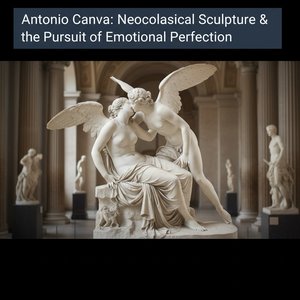
Antonio Canova: Neoclassical Sculpture & the Pursuit of Emotional Perfection
Explore the life & art of Antonio Canova, the greatest Neoclassical sculptor. Discover his masterpieces, innovative techniques, and lasting influence on fine art collecting. Expert insights for discerning investors.

Bronze Sculptures That Defined Art History | OriginalUniqueArt
Journey through art history with our Top 10 bronze sculptures! Explore masterpieces by Rodin, Michelangelo & more. Discover stories behind iconic statues and find museum-quality reproductions for your home decor at OriginalUniqueArt.com.

The Enduring Form: Sculpture Across History, Technique & Emotional Resonance
Explore the rich history of sculpture with OriginalUniqueArt. Discover key techniques, influential artists & investment potential for discerning collectors. Expert insights into valuing and collecting timeless masterpieces.
