
 Eelvaade
 Saada
Saada Jaga
Jaga
 Teave teose kohta
 Juhend

 Laadi alla
 Sarnased teosed
 Röntgenuuring
 Slaidietendus
 KÜSIMUSED JA VASTUSID
 Statistika
Panther seizing a stag


 Loe lähemalt
Giclée / Kunstiprint
Muuseumikvaliteediga giclée- või kangasprint kiire tootmisega ja paindlikud viimistlusvõimalused. ( Osta käsitsi maalatud teos Lülita digitaalse pildi juurde)




P118B €10

P118H €10

P118W €10

P438Z €10

P508JH €12

P508YH €12

P805H €10

P805Z €10

P919BZ €10

P919G €10

P919XJ €10

P959ZH €10

P968JZ €12

W106C €8

W218G €10

W218JH €8

W218Y €10

W307PJ €10

W316G €10

W316PJ €8

W316Y €10

W398PJ €8

W4111J €10

W500HY €15

W500JH €15

W692G €12

W849H €8

W940BG €15

W953PJ €8




Vali meie eelmääratud suurused, mis vastavad teose algupärastele proportsioonidele.

Sisestage vajalik laius ja kõrgus, et see sobiks teie raamile või seinale. Trükki saab ainult lõigata, seda ei saa kunagi pildist suuremaks teha, seega ka erineva mustega suurus kaotab osa pildist. Enne trükkimist saadame teile kinnitamiseks digitaalse näidisprojektsiooni. Sellel lehel näidatud pilt ei kujuta reaalset lõiget — seda näitab ainult näidisprojektsioon.
Ülemaailmne tarne () 2 nädala jooksul, tavalise 4/5 nädala asemel. (8 november)

Tasuta ekspresssaatmine üle maailma

Kõrgekvaliteediline lina-kangas

Täielik transpordikindlustus

Tollimaksude tagastamise garantii

Värvitoime täpsuse garantii

100 päeva tagastusõigus (ainult valmistusdefektide korral)

100% raha tagasi garantii

Hulgusoodustus
 Klaasivalik on saadaval ainult kuni 110 cm suuruses teostes

Panther seizing a stag
Giclée / Kunstiprint
Reproduktsiooni suurus
-


Koguhind
€ 72
A Raw Display of Power: Antoine Barye’s “Panther Seizing a Stag”
Antoine-Louis Barye's "Panther Seizing a Stag" is not merely a depiction of an animal hunt; it’s a visceral embodiment of primal struggle, a testament to the sculptor’s profound understanding of anatomy and his ability to infuse bronze with a palpable sense of drama. Completed around 1800, this monumental work stands as a cornerstone of the French Romantic movement, capturing a moment of brutal intensity that resonates far beyond its subject matter. Barye, deeply influenced by the natural world and driven by an almost obsessive desire to portray animals in their most authentic and dynamic states, meticulously studied specimens at the Jardin des Plantes and even participated in animal dissections – practices considered unusual for an artist of his time – to achieve this unparalleled level of realism.
The composition itself is a masterclass in controlled chaos. The panther, rendered with a muscularity that borders on violent exaggeration, dominates the left side of the frame, its powerful paws clamped firmly around the stag’s body. Notice the subtle shifts in musculature – the coiled tension in the shoulders, the straining neck, the focused intensity of the eyes. The stag, though struggling desperately, retains a dignity and nobility, his posture conveying both fear and defiance. Barye doesn't shy away from the brutality of the encounter; the textures of the fur, the glistening sheen of the panther’s hide, and the raw, exposed flesh of the wounded animal are all rendered with astonishing detail. The bronze itself is not smoothed or polished; it retains a deliberately rough surface, mirroring the chaotic energy of the scene and adding to its dramatic impact.
The Animalier Tradition and Barye's Innovation
Barye’s work firmly establishes him as a pioneer within the *animalier* tradition – a movement dedicated to elevating animals as subjects worthy of serious artistic consideration. Prior to Barye, animal sculpture often served primarily decorative or allegorical purposes. However, Barye sought to depict animals not as symbols, but as living beings with their own inherent drama and power. He moved away from idealized representations, favoring instead a brutally honest portrayal of their physicality and behavior. This shift was revolutionary, reflecting the Romantic fascination with nature’s untamed beauty and the darker aspects of human existence.
His approach was deeply informed by his study of anatomy – not just the skeletal structure, but also the subtle nuances of muscle movement and skin texture. He wasn't simply copying what he saw; he was striving to capture the *essence* of the animal’s struggle, its instinctual drive for survival. This commitment to anatomical accuracy, combined with his expressive use of line and form, distinguishes Barye’s work from earlier depictions of animals in sculpture.
Symbolism and Romantic Ideals
While seemingly a straightforward depiction of a predatory hunt, “Panther Seizing a Stag” carries deeper symbolic weight. The scene can be interpreted as an allegory for the struggle between life and death, strength and vulnerability, predator and prey – themes central to the Romantic worldview. The panther, often associated with darkness, power, and instinct, represents the forces of nature, while the stag embodies nobility, grace, and resilience. The act of seizing is not merely a violent encounter; it’s a fundamental assertion of dominance within a natural hierarchy.
Furthermore, Barye's work reflects the Romantic fascination with the sublime – that feeling of awe and terror inspired by encounters with overwhelming natural forces. The sheer power and intensity of the scene evoke a sense of both danger and beauty, reminding us of humanity’s smallness in the face of nature’s grandeur. The bronze itself, a material associated with permanence and strength, reinforces this theme.
A Legacy of Dramatic Bronze Sculpture
“Panther Seizing a Stag” remains one of Barye's most celebrated works, exemplifying his mastery of technique and his profound understanding of animal behavior. It’s a powerful reminder of the Romantic movement’s embrace of raw emotion, dramatic intensity, and the untamed beauty of the natural world. Reproductions of this iconic sculpture continue to captivate audiences today, offering a glimpse into the artistic vision of one of France's most influential sculptors. Its dynamic composition and evocative portrayal of struggle make it an enduring symbol of power, vulnerability, and the eternal dance between predator and prey.
Korduvad küsimused
Kui palju valgust tundub teose "Panther seizing a stag" värvid peegeldavat?
Teose „Panther seizing a stag“, autor Antoine-Louis Barye luminants on Luminous. Luminants kirjeldab, kui palju valgust värvid peegeldavad.
Milline värv on teoses "Panther seizing a stag" kõige silmapaistvam?
Phthalo Green (#26251c) on teose „Panther seizing a stag“, autor Antoine-Louis Barye domineeriv värv.
Kuhu Antoine-Louis Barye loomingulisse perioodi kuulub teos "Panther seizing a stag"?
Antoine-Louis Barye loomingus kuulub teos "Panther seizing a stag" perioodi Mature Period. See etap aitab seda võrdida kunstniku teiste töödega.
Kunstniku elulugu
Looma loomisliide pioneer: Antoine-Louis Barye elu ja pärand
Antoine-Louis Barye, kes sündis Pariisis 24. september 1795, tõus esile 19. sajandi skulptuuri maailmas kui murdiline tegelane. Ta ei piirdunud vaid loomade kujutamisega; ta infuseeris neile draamatilist intensiivsust ja anatomilist täpsust, mida polnud varem nähtud, ning tõi nii animalier žanri – loomaformide pühendunud keskendumise – tõelise kunstilise väärtusega kunstivaldkonda. Barye teekond ei algunud skulpturi stuudios, vaid kullasepadest aprendizina, järgides oma isa jälgi. See varajane koolitus sisaldas temas hoolikat täpsust ja tehnilist meistriklassi, mis proovis kogu tema karjääri jooksul asendamatut olla. Ta lihukindistas neid oskusi skulptorite nagu François-juust Joseph Bosio ja baron Antoine-Jean Gros juures, omistades klassikalisi põhimõtteid ning arendades samal ajal ainulaadset romantilist tundlikkust. Tema ametlik haridus École des Beaux-Arts pakkus tugevat vundamenti, kuid just kohtumine elavusega – täpsemalt Pariisi Jardin des Plantesi loomadega umbes 1823. aastal – süütele tema kunstilise visiooni.Kullasepadest animalieriks: ainulaadse stiili areng
Barye pühendumus loomade uurinemisele oli obsesiivne. Ta ei vaadanud neid lihtsalt peagi; ta õppis, joonistas ja analüüsis põhjalikult nende anatoomiat, liikumisi ja käitumist. Siiski ei olnud see realismi püüdlemine külm ega kliiniline. See oli täidetud romantiliku liikumise iseloomuliku emotsionaalse põletikuga. Varajased teosed nagu „Milo Krotonast, keda lennund liona“ (1819) ja „Herkulees koos Erymantide mulliga“ (umbik 1820), mis loodi veel õpilasena, vihjasid tema ilmuvat talenti dünaamilises kompositsioonis ja draamatilises narratiivis. Kuid alles skulptuurid nagu „Tiiger, kes söükl on gaviaal-krokodill“ (1831) – monumentaalne plaster, mis tekitas Salonil sensatsiooni – ja pronnist valatud „Linn, kes murdis madrat“ (1832), kinnistasid Barye oma nimiast stiili. Need ei olnud staatilised esindused; need olid ajas külmutatud puhta jõu hetked, tabades looduse ellujäämiskamplit loomatu ilu. Ta liikus kaugemale pelgust imiteerimisest, edastades loomaelu olemust – nende tugevust, kargust ja metsikut vaimu. Tema töö leidis kaja ülevuslikust avaliku fascinatsioonist eksootilise ja metsiku vastu, peegeldades romantilist igatsust kogemuste järe, mis asuvad tsiviliseeritud ühiskonna piiride väljas.Mõjud, raskused ja püsiv tähtsus
Barye töö oli mitmekoloogiliste mõjudude sünd. Romantilismile omane rõhuasetus emotsioonile ja individuaalsusele on kätt katsuda tema skulptuuride draamatilises pinges. Samas kogus ta inspiratsiooni klassikalisest kunstist, mis on nähtav tema tähelepanust anatomilisele täpsusele ja idealiseeritud vormidele. Kuid see, mis teda tõeliselt eraldas, oli tema teaduslik lähenemine uurinemisele – otsene tulemus lugematutest tundidest, mis ta veetas Jardin des Plantesis loomade uurimisel. Hoolimata kriitilisest tunnustuses, ei olnud Barye elu ilma raskusteta. Ta võitles finantsiline muredega suure osa oma karjäärist, peamiselt kehva ärijuhtimise tõttu. Pankrot 1848. aastal sundis teda müüma oma malle ja vorme, mis viis ajastu, mil turule tulid madalast kvaliteediga kopeeringud, kahjustades tema mainet. Ta leidis veidi stabiilsust kui joonistuste professor Loodusmuuseumis 1854. aastal, kuid tema genius sai täiega tunnust alles pärast surma. Täna tunnustatakse Antoine-Louis Baryet kaasaegse loomaskulptuuri isaks. Tema mõju järgnevatele kunstigeneratsioonidele on kinnistatud ning tema teoseid tähistatakse nende jõu, realismi ja igavene ilu eest. Ta tõestis animalier žanrit nišitegevusest auastatud kunstiliseks väljendusvormiks, jättides temblamat jälje skulptuurihikul. Tema pärand jätkab austust ja imetlust tekitamist kollektorite ja muuseumide seas üle maailma.
Antoine-Louis Barye
1796 - 1875 , Prantsusmaa
Lühikest infot
- Artistic Movement Or Style: Romantism
- Artists Or Movements Influenced By This Artist: ['Looma-skulpturid']
- Artists Who Influenced This Artist:
- Francois-Joseph Bosio
- Baron Antoine-Jean Gros
- Date Of Birth: 24. september 1795
- Date Of Death: 25. juuni 1875
- Full Name: Antoine-Louis Barye
- Nationality: Prantsus
- Notable Artworks:
- Tiiger, kes söüv on gaviali
- Laps, kes murdis madu
- Theseus ja Minotaur
- Roger & Angelica
- Lapitha ja kentaur
- Jaguaar, kes söüv on jänes
- Place Of Birth: Pariis, Prantsusmaa
Sarnased artiklid

The Enduring Legacy of Bronze: History, Technique & Artistic Expression for the Collector
Explore the rich history & enduring appeal of bronze sculpture with expert insights for collectors at OriginalUniqueArt. Learn about casting techniques, iconic artists, and collecting tips.

The Enduring Legacy of Bronze: A Historical & Artistic Exploration for the Collector
Explore the rich history & enduring appeal of bronze sculpture with expert insights for collectors at OriginalUniqueArt. Learn about casting techniques, iconic artists, collecting tips & contemporary interpretations.

Bronze Age to Modern Masters: 10 Sculptures That Redefined Art | OriginalUniqueArt
Journey through art history with 10 legendary bronze sculptures – from Michelangelo's David to Rodin’s Thinker. Explore the stories, techniques & timeless beauty of these masterpieces. Find museum-quality reproductions & elevate your home decor on OriginalUniqueArt.com.

Bronze Sculptures That Defined Art History | OriginalUniqueArt
Journey through art history with our Top 10 bronze sculptures! Explore masterpieces by Rodin, Michelangelo & more. Discover stories behind iconic statues and find museum-quality reproductions for your home decor at OriginalUniqueArt.com.
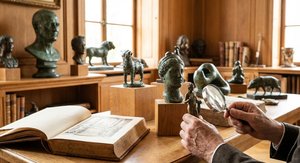
The Enduring Legacy of Bronze Sculpture: A Collector's Guide to Form & Cultural Significance
Explore the rich history & enduring appeal of bronze sculpture with expert insights for collectors at OriginalUniqueArt. Learn about casting techniques, iconic artists, and collecting tips to build a discerning art collection.

