Lülita trükkitoodetele
 Loe lähemalt







































 Kunstiteoste või reproduktsioonide puhul, mille üks külg on üle 105 cm (umbikmolt 41 tolli), saadetakse raam kirjal asendis, la Dismantlitud komplektina. See meetod tagab ohutuse kohaletoimetamisel ja väldib transpordil tekkivaid kahjustusi.


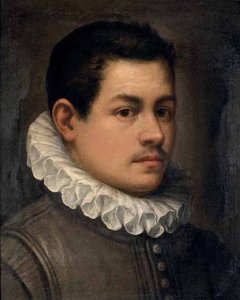
The Beaneater - A Study in Baroque Simplicity
Annibale Carracci’s “The Beaneater,” completed around 1583–1584, stands as a remarkable testament to the burgeoning fascination with everyday life within the artistic circles of Bologna during the High Renaissance. Unlike the grand mythological narratives favored by many contemporaries—particularly Michelangelo's Sistine Chapel ceiling—Carracci’s painting eschews opulent spectacle for a deceptively austere portrayal of a peasant consuming sustenance at a humble table.
- Subject Matter: The scene depicts a solitary laborer diligently eating white beans from a bowl. Accompanying him are onions, bread, a plate featuring vegetable pie, and a glass of wine—items that speak to the fundamental concerns of survival and nourishment.
- Style & Technique: Carracci’s approach aligns closely with Baroque painting, prioritizing realism and emotional intensity over idealized beauty. The artist employs dramatic chiaroscuro lighting – strong highlights juxtaposed against deep shadows – to sculpt form and heighten visual impact. Thick impasto brushstrokes dominate the canvas, particularly on the bread and skin of the figure, creating a palpable textural richness that draws the viewer into the immediacy of the moment.
- Historical Context: Bologna in the late 1580s was experiencing a revival of humanist ideals alongside a growing interest in naturalism—a trend championed by Carracci’s fellow artists Agostino and Ludovico Bolognese. This stylistic shift represented a deliberate rejection of Mannerist art's artificiality, reflecting a broader cultural desire for authenticity and emotional resonance.
- Symbolism: Beyond its depiction of basic human needs, “The Beaneater” carries symbolic weight. The artist’s choice to portray such a mundane activity elevates it through masterful technique and dramatic presentation. The scene suggests a poignant juxtaposition between poverty and abundance—a subtle commentary on the human condition that resonates powerfully with viewers.
Carracci's meticulous attention to detail—from the rendering of facial expressions to the nuanced textures of fabric—demonstrates his mastery of artistic craft. He skillfully captures the psychological state of the subject, conveying a sense of quiet dignity amidst hardship. The painting’s enduring appeal lies in its ability to communicate universal themes of human experience with remarkable subtlety and grace.
“The Beaneater” exemplifies Carracci's commitment to portraying life as it is—warts and all—while simultaneously elevating it through artistic brilliance. It remains a cornerstone of Bolognese Baroque art, serving as an inspiration for generations of painters who sought to capture the essence of human emotion and experience with unwavering conviction.
Korduvad küsimused
Millisse kunstisuuna kuulub teos „The Beaneater“, autor Annibale Carracci?
"The Beaneater" on Baroque suunaga teos. See suundumine viitab kunstilisele traditsioonile, millega teos on seotud.
Millist atmosfääri toob ruumi „The Beaneater“, autor Annibale Carracci reproduktsioon?
Teose „The Beaneater“, autor Annibale Carracci Dramatic atmosfäär sobib ideaalselt selle soovituslikku ruumi: Living Room.
Kuidas saan hankida teose „The Beaneater“, autor Annibale Carracci digitaalse faili?
Teose „The Beaneater“, autor Annibale Carracci digitaalse faili saamiseks tellige kõrge resolutsiooniga digitaalse pildi allalaadimine selle Digitaalne kunstiteos lehel.
 Eelvaade
 Saada
Saada Jaga
Jaga
 Teave teose kohta
 Juhend

 Laadi alla
 Sarnased teosed
 Röntgenuuring
 Slaidietendus
 KÜSIMUSED JA VASTUSID
 Statistika