Baroque · 1592
Pan (Annibale Carracci, 1592)
Annibale Carracci (1560–1609) on loonud teose Pan. See on pärinev 1592 aastast. See kuulub Baroque suuntrime. See on valmistatud materjalist Oil On Canvas. Teos on säilitatud National Gallery of Victoria kogamuses Melbourne, Australia. Mõõtmed on 109 × 135 cm.
- 1592
- Oil On Canvas
- 109 × 135 cm
- National Gallery of Victoria, Melbourne

 Eelvaade

 Käsitsi maalatud õlimaalatsioon
 Saada
 Jaga
 Teosest infokaart


 Laadi alla
 Sarnased teosed
 Röntgenuuring
 Slaidietendus
 KÜSIMUSED JA VASTUSID

 Statistika
Pan lühidalt
- Pealkiri
- Pan
- Kunstnik
- Annibale Carracci (1560–1609)
- Kunstniku sünnukoht
- Bologna, Itaalia
- Kuupäev
- 1592
- Materjalid
- Oil On Canvas
- Mõõtmed
- 109 × 135 cm
- Kus seda näeb
- National Gallery of Victoria, Melbourne, Australia
- Liikumine
- Baroque
- Teema
- pan, greek god, mythology, carracci, foreshortening, renaissance
Mida Pan kujutab?
A Vision of Rustic Divinity: Annibale Carracci’s Pan
Annibale Carracci's "Pan," painted circa 1592, is not merely a depiction of the Greek god; it’s an embodiment of primal nature, a vibrant assertion of earthly delight rendered with breathtaking technical skill and imbued with the burgeoning spirit of the Bolognese school. This painting transcends simple portraiture, offering instead a glimpse into a world teeming with instinct, fertility, and the intoxicating allure of the wild. Commissioned by Cesare d'Este for his opulent Palazzo dei Diamanti in Ferrara – a palace itself reflecting the lavish tastes of the Renaissance court – “Pan” was intended to be part of a larger decorative scheme, a carefully orchestrated symphony of classical mythology designed to evoke grandeur and celebrate the power of the Este family.
Carracci’s genius lies in his masterful manipulation of perspective and color. The scene unfolds with a dramatic *di sotto in sù* foreshortening – a technique borrowed from earlier Renaissance masters but perfected by Carracci – that draws the viewer into the god's immediate presence. Pan, seated atop a ram or goat (the animal’s identity deliberately ambiguous), is presented not as an imposing deity, but as a youthful, almost mischievous figure. His pose is relaxed, his expression playful, and his limbs are rendered with a remarkable sense of naturalism that distinguishes this work from the more idealized depictions prevalent at the time. The rich palette – dominated by earthy reds, ochres, and greens – creates a tactile quality, inviting the viewer to almost feel the warmth of the Italian sun on Pan’s skin and the rough texture of his attire.
The Language of Symbolism
Pan, in Greek mythology, is the god of shepherds, flocks, wild animals, music, and revelry. He embodies the untamed spirit of nature, a force both alluring and potentially dangerous. Carracci’s portrayal captures this duality perfectly. The ram or goat beneath Pan isn't simply an animal; it represents fertility, abundance, and the cyclical rhythms of life and death – essential themes within the context of the Renaissance fascination with classical antiquity. The inclusion of the pipe, a traditional instrument associated with Pan, further reinforces his role as the patron of music and dance, suggesting a celebration of earthly pleasures.
Notably, the presence of the book or scroll in Pan’s hand hints at a deeper layer of meaning. While often depicted as a wild god, Pan was also associated with prophecy and knowledge – a connection that aligns with the intellectual climate of Renaissance Italy. The object could represent his ability to interpret the signs of nature, offering a glimpse into the mysteries of the world.
A Bridge Between Eras
“Pan” stands as a pivotal work in the transition from the High Renaissance to the Baroque period. Carracci’s embrace of naturalism and dramatic perspective – hallmarks of the Bolognese school – paved the way for the heightened emotional intensity and dynamic compositions that would characterize the Baroque style. His meticulous attention to detail, combined with his innovative use of *di sotto in sù* foreshortening, demonstrates a profound understanding of both classical principles and contemporary artistic trends. The painting’s placement within a larger decorative scheme further highlights its significance as a key element in the revival of classical art during the late 16th century.
A Timeless Appeal
More than four centuries after its creation, “Pan” continues to captivate viewers with its vibrant energy and evocative imagery. It’s a painting that speaks to our enduring fascination with nature, mythology, and the primal instincts that lie at the heart of human experience. Reproductions of this masterpiece offer an opportunity to bring this extraordinary vision into any setting, adding a touch of rustic divinity and timeless beauty to your home or office.
Kumba muuseumis asub teos Pan?
National Gallery of Victoria
Melbourne, Australia
National Gallery of Victoria algus ja ajalugu National Gallery of Victoria asutati aastal 1861. Selle sünnile aevas kuldajahi ajastu, mis oli kolooniale uue ja kiire kasvu periood. Alguses oli instituut vaid vaatlik ja besidav ladu kipsist kleeplaste jaoks, mille eesmärk oli luua side Euroopa establishedud kunstivooludega.


Pan kõrge resolutsiooniga pildid

Annibale Carracci, Pan (1592), National Gallery of Victoria. Avalik omaniklik õigus
Küsimused teemal Pan – vastused
Kust saab teose „Pan“, autor Annibale Carracci täna vaadata?
Originaalteost „Pan“, autor Annibale Carracci hoiustatakse National Gallery of Victoria, Melbourne, Australia muuseumis. Reproduktsioon võimaldab teost koduses keskkonnas esitleda.
Millal loodi teos "Pan"?
Teos „Pan“, autor Annibale Carracci loodi aastal 1592.
Millist tehnikat teose „Pan“, autor Annibale Carracci valmistamisel kasutati?
Teose „Pan“, autor Annibale Carracci materjal on Oil On Canvas. Reproduktsioonide eesmärk on jälitada selle tehnika välimust.
Mis on originaalteose „Pan“, autor Annibale Carracci mõõdud?
Originaalteose „Pan“, autor Annibale Carracci mõõdud on 109 x 135 cm.
Mille kohta teos "Pan" on?
Teose "Pan" teemad on pan, greek god, mythology, carracci, foreshortening, renaissance, baroque, deity.
Kas teose „Pan“, autor Annibale Carracci pilt on vabalt reproduseeritav?
Autoriõiguse teave teose „Pan“, autor Annibale Carracci kohta: teos kuulub luba ala avalik && copyright on aegunud. See määrab, kas kujundist on lubatud vabadelt reproduktsioone teha.
Millisele kunstnikule on teos "Pan" atribuutseeritud?
Teose "Pan" loovija on Annibale Carracci. Selle lehe info kirjeldab Annibale Carracci algteost.
Millissele stiilile kuulub "Pan"?
"Pan" on Baroque suunaga teos. See suundumine viitab kunstilisele traditsioonile, millega teos on seotud.
Millist etap Annibale Carracci loomingus teos "Pan" esindab?
Annibale Carracci loomingus kuulub teos "Pan" perioodi Mature Period. See etap aitab seda võrdida kunstniku teiste töödega.
Kunstnik Annibale Carracci kohta
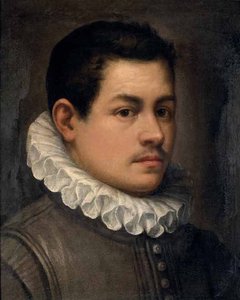
1560–1609, Itaalia
Annibale Carracci
Varajane Elu ja Bolognese Juured Annibale Carracci, sündinud 3. novembril 1560. aastal Bolognas, kasvas kunstnikuperes, mis oli sügavalt juurdunud kunstitraditsioonidesse. Tema varaseim õpetus toimus tõenäoliselt perekonna ateljees, luues aluse karjäärile, mis muutis põhjalikult Itaalia maalikunsti.
Teel Annibale Carracci kohta Annibale Carracci silmapaistvad teosed
Ka Annibale Carracci teosed
 Põdiga sööja Päike
 Heraklese valik
 Heraaklesi valik1596
 Jõe maastik1589

Teemad teemal Pan
 The Language of Animals in Art: From Ancient Egypt to the RenaissanceExplore the profound history of animal symbolism from Egypt to the Renaissance. Trace these ancient motifs through art history now.
 Annibale Carracci: Bridging Renaissance Ideals & Baroque InnovationExplore the life & art of Annibale Carracci, a pivotal figure bridging Renaissance ideals with Baroque innovation. Discover his masterpiece…
 Divine Beauty: The 25 Most Iconic Masterpieces by Fra AngelicoJourney through the divine beauty of Fra Angelico's finest works. Explore 25 iconic Renaissance masterpieces, from ethereal frescoes to sac…