
 Eelvaade
 Saada
Saada Jaga
Jaga
 Teave teose kohta
 Juhend

 Laadi alla
 Sarnased teosed
 Röntgenuuring
 Slaidietendus
 KÜSIMUSED JA VASTUSID
 Statistika
Ethiopian planter


 Loe lähemalt
Giclée / Kunstiprint
Muuseumikvaliteediga giclée- või kangasprint kiire tootmisega ja paindlikud viimistlusvõimalused. ( Osta käsitsi maalatud teos Lülita digitaalse pildi juurde)




































Vali meie eelmääratud suurused, mis vastavad teose algupärastele proportsioonidele.

Sisestage vajalik laius ja kõrgus, et see sobiks teie raamile või seinale. Trükki saab ainult lõigata, seda ei saa kunagi pildist suuremaks teha, seega ka erineva mustega suurus kaotab osa pildist. Enne trükkimist saadame teile kinnitamiseks digitaalse näidisprojektsiooni. Sellel lehel näidatud pilt ei kujuta reaalset lõiget — seda näitab ainult näidisprojektsioon.
Ülemaailmne tarne () 2 nädala jooksul, tavalise 4/5 nädala asemel. (3 november)

Tasuta ekspresssaatmine üle maailma

Kõrgekvaliteediline lina-kangas

Täielik transpordikindlustus

Tollimaksude tagastamise garantii

Värvitoime täpsuse garantii

100 päeva tagastusõigus (ainult valmistusdefektide korral)

100% raha tagasi garantii

Hulgusoodustus
 Klaasivalik on saadaval ainult kuni 110 cm suuruses teostes

Ethiopian planter
Giclée / Kunstiprint
Reproduktsiooni suurus
-


Koguhind
€ 72
Kunstniku elulugu
The Sculptor of Myth and Majesty: The Life of Andrea Brustolon
Andrea Brustolon (1662–1732) stands as a pivotal figure in the Venetian Baroque, an artist whose mastery of wood carving elevated furnishings and devotional sculptures to breathtaking levels of artistry. Born in Belluno, Italy, he honed his skills within a robust local tradition rooted in Genoese influence—specifically under Filippo Parodi—establishing himself firmly at Padua and Venice by 1677. This formative period instilled him with the stylistic sensibilities of Bernini and his contemporaries, shaping a distinctive approach to sculpture that blended the tactile warmth of wood with the theatrical grandeur of stone.
Brustolon’s initial artistic education took place in Belluno, where he absorbed the traditions of Venetian terraferma sculpture. However, recognizing the importance of broadening his horizons, he traveled to Rome between 1678 and 1680, immersing himself in the grandeur of Bernini's oeuvre. This exposure profoundly impacted his style, fostering an appreciation for dynamic composition and theatrical gesture—elements that would become hallmarks of his subsequent work. The influence of Bernini’s Baldacchino at St. Peter’s Basilica is palpable in Brustolon’s later sculptures, demonstrating a conscious effort to emulate the monumental scale and expressive power of Rome's most celebrated sculptor.
A Master of Venetian Opulence and Craftsmanship
Returning to Venice in 1680, Brustolon quickly established himself as a prolific workshop director, employing numerous assistants to fulfill commissions across the city. His work became synonymous with the height of Venetian luxury, particularly within the Venetian ghetto and at the Scuola Levantina. His involvement with the synagogue on the piano nobile exemplifies his commitment to crafting exceptional pieces for religious spaces; the sculpted bimah, supported by solomonic columns inspired by Bernini’s Cathedra Petri, stands as a testament to his artistic vision. Furthermore, Brustolon's collaborations with prominent families like the Pisani and Correr ensured that his name was etched into the very fabric of Venetian aristocratic life.
The true genius of Brustolon lay in his ability to transform functional objects into narrative masterpieces. His furniture was never merely utilitarian; it was a stage for mythological drama. Notable examples of his extraordinary skill include:
- The Brustolon Chair: An opulent masterpiece from 1700, featuring rich red velvet upholstery and a stunning mural backdrop adorned with avian motifs, showcasing the seamless integration of sculpture and decorative arts.
- Celestial Details: His work often featured intricate zodiacal carvings, such as the dramatic Sagittarius and Scorpio details found on his chairs, where wood is carved with such precision that it mimics the fluid movement of living creatures.
- Blackamoor Motifs: A hallmark of his period, these complex figures demonstrate his ability to handle high-contrast textures and allegorical themes through intricate wood carving.
Legacy of the Baroque Woodcarver
Brustolon’s legacy is defined by a rare synthesis of technical virtuosity and emotional intensity. By treating wood with the same reverence and complexity as marble, he pushed the boundaries of what was possible in decorative arts. His ability to weave together classical elegance, astrological symbolism, and the dramatic tension of the Baroque era created a unique aesthetic that remains unparalleled. Today, his surviving works—found in prestigious collections and historic Venetian palaces like Ca' Rezzonico—serve as enduring reminders of an era when art, furniture, and myth were inextricably linked in a single, breathtaking expression of human creativity.

Andrea Brustolon
1662 - 1732 , Italy
Lühikest infot
- Full Name: Andrea Brustolon
- Nationality: Italian
- Date Of Birth: 1662
- Date Of Death: 1732
- Place Of Birth: Belluno, Italy
- Notable Artworks:
- Sagittarius Chair
- Pisces Chair
- Taurus Chair
- Artistic Movement Or Style: Baroque Sculpture
- Artists Who Influenced This Artist:
- Bernini
- Filippo Parodi
- Artists Or Movements Influenced By This Artist: ['Grimling Gibbons']
Sarnased artiklid

Bronze Sculptures That Defined Art History | OriginalUniqueArt
Journey through art history with our Top 10 bronze sculptures! Explore masterpieces by Rodin, Michelangelo & more. Discover stories behind iconic statues and find museum-quality reproductions for your home decor at OriginalUniqueArt.com.

The Enduring Legacy of Bronze: A Historical & Artistic Exploration for the Collector
Explore the rich history & enduring appeal of bronze sculpture with expert insights for collectors at OriginalUniqueArt. Learn about casting techniques, iconic artists, collecting tips & contemporary interpretations.
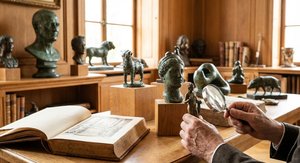
The Enduring Legacy of Bronze Sculpture: A Collector's Guide to Form & Cultural Significance
Explore the rich history & enduring appeal of bronze sculpture with expert insights for collectors at OriginalUniqueArt. Learn about casting techniques, iconic artists, and collecting tips to build a discerning art collection.

Bronze Age to Modern Masters: 10 Sculptures That Redefined Art | OriginalUniqueArt
Journey through art history with 10 legendary bronze sculptures – from Michelangelo's David to Rodin’s Thinker. Explore the stories, techniques & timeless beauty of these masterpieces. Find museum-quality reproductions & elevate your home decor on OriginalUniqueArt.com.

The Enduring Legacy of Bronze: History, Technique & Artistic Expression for the Collector
Explore the rich history & enduring appeal of bronze sculpture with expert insights for collectors at OriginalUniqueArt. Learn about casting techniques, iconic artists, and collecting tips.