 Saada
Saada Jaga
Jaga
 Teave teose kohta
 Juhend

 Laadi alla
 Sarnased teosed
 Slaidietendus
 KÜSIMUSED JA VASTUSID
 Statistika
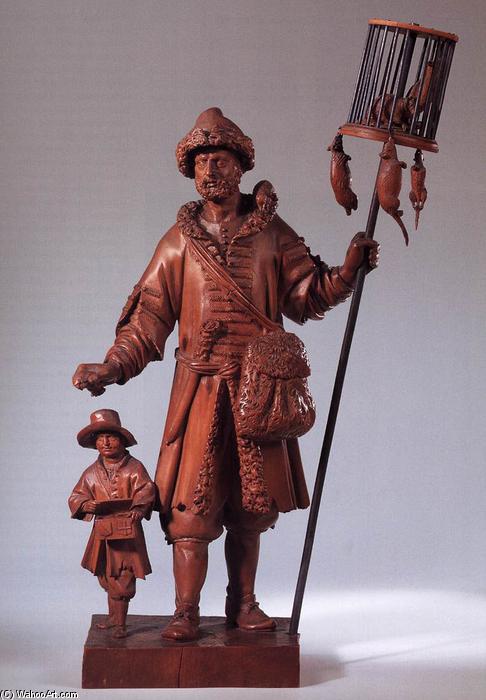
Ratcatcher


 Loe lähemalt
Giclée / Kunstiprint
Muuseumikvaliteediga giclée- või kangasprint kiire tootmisega ja paindlikud viimistlusvõimalused. ( Osta käsitsi maalatud teos Lülita digitaalse pildi juurde)




































Vali meie eelmääratud suurused, mis vastavad teose algupärastele proportsioonidele.

Sisestage vajalik laius ja kõrgus, et see sobiks teie raamile või seinale. Trükki saab ainult lõigata, seda ei saa kunagi pildist suuremaks teha, seega ka erineva mustega suurus kaotab osa pildist. Enne trükkimist saadame teile kinnitamiseks digitaalse näidisprojektsiooni. Sellel lehel näidatud pilt ei kujuta reaalset lõiget — seda näitab ainult näidisprojektsioon.
Ülemaailmne tarne () 2 nädala jooksul, tavalise 4/5 nädala asemel. (4 november)

Tasuta ekspresssaatmine üle maailma

Kõrgekvaliteediline lina-kangas

Täielik transpordikindlustus

Tollimaksude tagastamise garantii

Värvitoime täpsuse garantii

100 päeva tagastusõigus (ainult valmistusdefektide korral)

100% raha tagasi garantii

Hulgusoodustus
 Klaasivalik on saadaval ainult kuni 110 cm suuruses teostes

Ratcatcher
Giclée / Kunstiprint
Reproduktsiooni suurus
-


Koguhind
€ 72
Ambrosius van Swol: Een Stil Sculptor van Utrecht
Ambrosius van Swol (c. 1640 – 1680) blijft een figuur gehuld in relatieve obscuriteit vergeleken met zijn tijdgenoten—kunstenaars die de doeken beschilderden van Rembrandt en Vermeer—nog steeds verdient hij erkenning als een getuigenis van artistieke innovatie binnen een periode gedefinieerd door grandeur en dramatische expressie. Geboren in Utrecht, Nederland, zijn levensgegevens zijn schaarzaam, waardoor veel aan speculatie achterblijft over zijn vroegste jaren en eerste kunstelijke inclinaties. Echter, bestaande documentatie bevestigt dat hij zich vestigde als beeldhouwer en lijstmaker rond 1643, wat het begin markeerde van een productieve carrière die bijna vier decennia duurde. Zijn werk staat bekend om zijn aandacht voor detail en zijn beheersing van verschillende kunsttechnieken, waardoor hij een belangrijke stem werd binnen de Utrechtse kunstscene van zijn tijd.- Een Ondergrond van Elegantie en Dramatie: Van Swol’s stijl werd sterk beïnvloed door Albert Vinckenbrinck, een prominente beeldhouwer uit Utrecht die natuurlijkheid en expressieve dynamiek verdedigde. Net als Vinckenbrinck gaf Van Swol voorrang aan het overbrengen van emotie door vorm—het vastleggen van de fysieke kwaliteit van beweging en gebaar om zijn sculpturen te voorzien van een tastbare vitaliteit. Zijn werken werden gekarakteriseerd door gladde oppervlakken, gepolijste marmer of alabaster, en subtiele drapery folds die bijdragen aan een algemene gevoelens van elegantie en verfijning.
- Het Rat-Catcher: Een Symbool van Zijn Tijd Het kunstwerk "De Ratcatcher" (1660), nu te zien in Museum Van Loon, illustreert het Barok stijl’s enthousiasme voor dramatische realisme en emotionele intensiteit. Deze prachtige sculptuur geeft een beeld van een rat catcher die een muis met grote bekwaamheid en vastberadenheid vangt. De sculptuur’s nauwkeurige anatomische detail—vooral de musculatuur van de rat catcher’s armen—demonstreert Van Swol’s beheersing van beeldhouwtstechniek en zijn engagement om menselijke figuren weer te geven met ongeëvenaarde precisie.
- Techniek en Materiaal: Van Swol gebruikte meestal boxwood, een houtsoort die bekend staat om zijn lichtgewicht aard en prachtige natuurlijke kleur. Hij combineerde deze materiaal met lood en draad om complexe sculpturen te creëren die zowel mooi als duurzaam waren. Zijn aandacht voor detail werd aangemoedigd door de ontwikkeling van nieuwe beeldhouwtechnieken tijdens het Barok tijdperk, waardoor hij een belangrijke rol speelde bij het vormgeven van kunstgeschiedenis.
- Historische Context: Het werk ontstond in Utrecht tijdens het Gouden Eeuw van de Nederlandse kunstgeschiedenis—een periode gekenmerkt door een ongekende bloei van wetenschap, filosofie en kunst. De stijl werd sterk beïnvloed door Rembrandt’s etsning uit 1632 die ook een rat catcher en een jonge assistent in een soortgelijke pose liet zien. Een belangrijke bron voor inspiratie vormde de manier waarop kunstenaars het dagelijks leven en folklore weergegeven, wat leidde tot prachtige kunstwerken die nog steeds worden gewaardeerd vandaag de dag.
Korduvad küsimused
Mille kohta on teos "Ratcatcher" ja milline on selle atmosfäär?
„Ratcatcher“, autor Ambrosius Van Swol kujutab teemasid baroque sculpture, dutch art history, renaissance influence, human anatomy, animal representation, decorative arts, sculptural detail, 17th century art ja selle meeleolu on Elegantne. Teema ja atmosfäär loovad koos teose terviku.
Milline värv on teoses "Ratcatcher" kõige silmapaistvam?
Espresso (#3f1e20) on teose „Ratcatcher“, autor Ambrosius Van Swol domineeriv värv.
Kuidas saan vaadata reproduktsiooni teosele „Ratcatcher“, autor Ambrosius Van Swol?
Leht Eelvaade teose "Ratcatcher" kohta võimaldab teil teost enne tellimist eelvaatata.
Kunstniku elulugu
The Silent Sculptor of Utrecht
In the golden twilight of the Dutch seventeenth century, amidst the bustling workshops of Utrecht, lived a master whose hands shaped both the boundaries of art and the figures within them. Ambrosius van Swol (c. 1640 – 1680) remains a figure shrouded in a certain poetic obscurity, a name whispered alongside the giants of his era like Rembrandt and Vermeer, yet possessing a distinct, tactile legacy. While history often favors the sweeping narratives of painters, Van Swol carved a niche for himself through a dual mastery of the frame and the form. His early documented career, beginning around 1643, reveals an artist deeply embedded in the visual fabric of his city, serving as both a meticulous frame maker and a sculptor of profound anatomical insight.
To understand Van Swol is to understand the importance of the threshold. In his early years, he was renowned for crafting ornate frames that were far more than mere borders; they were essential extensions of the masterpieces they held. These gilded and carved enclosures were designed with a sophisticated grasp of optics, intended to enhance the luminosity and color palettes of the era's great paintings. Through this work, Van Swol developed an intimate relationship with light and shadow, a sensitivity that would later breathe life into his three-dimensional creations.
A Mastery of Form and Drama
As his career matured, Van Swol’s true sculptural voice emerged, characterized by the dramatic realism and emotional intensity synonymous with the Baroque style. His most celebrated achievement, “The Rat-Catcher,” stands as a testament to this period of creative flowering. Executed around 1660, this remarkable piece transcends simple depiction to offer a visceral glimpse into the grit and determination of everyday life. The sculpture captures a moment of focused tension, where the musculature of the figure—particularly the straining arms of the catcher—is rendered with an unparalleled accuracy that speaks to his deep study of human anatomy.
This work was not born in isolation but was part of a rich dialogue with the broader Dutch artistic landscape. Van Swol’s sculptural vision aligned closely with the naturalism and expressive dynamism championed by Albert Vinckenbrinck, another prominent Utrecht sculptor. There is a palpable sense of movement and life in his figures, an attempt to freeze a singular, breathless moment of action within the permanence of stone or bronze. His ability to convey complex human emotions through physical form allowed him to bridge the gap between the decorative and the profound.
Legacy and Historical Significance
Though his life was relatively short, ending in 1680, the impact of Van Swol’s craftsmanship left an indelible mark on the Utrecht school. His work often drew inspiration from the evocative imagery found in the etchings of Rembrandt, particularly the themes of common laborers and the dramatic interplay of light. By translating the graphic energy of printmaking into the physical weight of sculpture, he contributed to a unique synthesis of mediums that defined the Dutch Golden Age.
Today, the remnants of his brilliance can still be found in prestigious collections, such as Museum Van Loon, where his work continues to invite contemplation. His legacy is defined by several key contributions:
- The Art of the Frame: Elevating the decorative border into a vital component of the viewing experience through an advanced understanding of light and aesthetics.
- Baroque Realism: Bringing a heightened sense of anatomical truth and emotional urgency to small-scale sculpture.
- Cultural Integration: Connecting the sculptural traditions of Utrecht with the broader, world-renowned influences of the Dutch masters.
Ambrosius van Swol may be remembered as a "silent" sculptor, yet his work speaks with a resounding clarity, reminding us that the true essence of art often lies in the meticulous details and the profound strength found in the most humble of subjects.

Ambrosius Van Swol
1640 - 1680 , Netherlands
Lühikest infot
- Full Name: Ambrosius van Swol
- Nationality: Dutch
- Date Of Birth: 1640
- Date Of Death: 1680
- Place Of Birth: Utrecht, Netherlands
- Notable Artworks: ['The Rat-Catcher']
- Artistic Movement Or Style: Baroque
- Artists Who Influenced This Artist: ['Albert Vinckenbrinck']
- Artists Or Movements Influenced By This Artist: ['Vincent Van Gogh']
Sarnased artiklid

Illuminating Innovation: Exploring the Dutch Golden Age of Painting
Explore the Dutch Golden Age of painting with OriginalUniqueArt. Discover Rembrandt, Vermeer & other Masters. Learn about key characteristics, iconic artworks, and lasting influence. Expert insights for collectors & enthusiasts.

Golden Age Reflections: Dutch Baroque Painting & Cultural Innovation
Explore the Dutch Golden Age of painting! Discover key artists like Vermeer & ter Borch, their innovative techniques, and the rich cultural context behind these Baroque masterpieces. Learn about collecting & appreciating this iconic art period.

Hollandi Kuldaja Särgas Kunstipärit: 10 Meisterteost Sinu Koduks
Sukeldu Hollandi Kuldaja kunstivorme! Avasta 10 ikoonilist meistriteost – Rembrandt, Vermeer jt. - ning nende ajatu loojatööd. Leia inspiratsiooni interjöörile ja kaunista kodu OriginalUniqueArt.com kvaliteetsete reproduktsioonidega. Uuri kollektsiooni!

Golden Light & Dutch Skies: The Timeless Magic of Dutch Golden Age Landscapes
Discover the breathtaking beauty of Dutch Golden Age landscapes. Explore the mastery of light, chiaroscuro, and 17th-century realism through an expert art history lens, celebrating the enduring legacy of the Dutch Masters for discerning collectors and art lovers.

Chiaroscuro and Character: A Definitive Guide to Light and Shadow in the Dutch Baroque Era
Explore the dramatic mastery of the Dutch Baroque era. Discover how masters like Rembrandt used chiaroscuro to transform everyday life into timeless art. An expert guide for collectors and enthusiasts seeking to understand the profound interplay of light and shadow.
