
![Untitled [angel] — Alfredo Ceschiatti Alfredo Ceschiatti](/media/artworks/images-full/7a/08/7a08c78046385e50940bff2bad9c30f1.jpg)
 Saada
Saada Jaga
Jaga
 Teave teose kohta
 Juhend

 Laadi alla
 Sarnased teosed
 Slaidietendus
 Q&A
Q&A Statistika
Untitled [Angel]
 Bronze
- Sculpture
- Brazilian Modernism
 1977
1977- Modern
 180.0 x 163.0 cm
 Chamber of Deputies
 Loe lähemalt
Sellel lehel kuvatav kunstiteos on kaitstud autoriõigusega, mis tähendab, et meil ei ole seaduslikku õigust luua või müüa identset reproduktsiooni. Seda kaitset rakendatakse rahvusvaheliste kokkulepete alusel, nagu näiteks Berne konventsioon ning riiklike seadustega, sealhulgas nendega, mida on sätestatud USA autoriõiguse seadus – 17. peatükk.
See meetod järgib täielikult autoriõiguse reegleid, kuna see ei põhine kaitstud kunstiteose kopeerimisel või dupliteerimisel. Selle asemel on tegu loova reinterpreetatsiooniga – uue maaldisega, mis on algteosest inspireeritud, kuid ei ole sellest identiline.
Giclée / Kunstiprint
Muuseumikvaliteediga giclée- või kangasprint kiire tootmisega ja paindlikud viimistlusvõimalused. ( Osta käsitsi maalatud teos Lülita digitaalse pildi juurde)




































Vali meie eelmääratud suurused, mis vastavad teose algupärastele proportsioonidele.

Sisestage vajalik laius ja kõrgus, et see sobiks teie raamile või seinale. Trükki saab ainult lõigata, seda ei saa kunagi pildist suuremaks teha, seega ka erineva mustega suurus kaotab osa pildist. Enne trükkimist saadame teile kinnitamiseks digitaalse näidisprojektsiooni. Sellel lehel näidatud pilt ei kujuta reaalset lõiget — seda näitab ainult näidisprojektsioon.
Ülemaailmne tarne () 2 nädala jooksul, tavalise 4/5 nädala asemel. (30 oktoober)

Tasuta ekspresssaatmine üle maailma

Kõrgekvaliteediline lina-kangas

Täielik transpordikindlustus

Tollimaksude tagastamise garantii

Värvitoime täpsuse garantii

100 päeva tagastusõigus (ainult valmistusdefektide korral)

100% raha tagasi garantii

Hulgusoodustus
 Klaasivalik on saadaval ainult kuni 110 cm suuruses teostes
![Untitled [Angel]](/static/images/originaluniqueart/artworks/painting.a1e74a1cb7dc.png)
Untitled [Angel]
Giclée / Kunstiprint
Reproduktsiooni suurus
-


Koguhind
€ 71
Alfredo Ceschiatti’s “Angel”: A Reflection of Brasília’s Vision
Alfredo Ceschiatti’s sculpture, “Angel,” stands as a testament to the ambitious artistic vision that underpinned Oscar Niemeyer’s architectural masterpiece—Brasília. Created in 1977, this bronze piece embodies the spirit of Brazilian Modernism and draws heavily from European avant-garde influences like Surrealism and Cubism, reflecting Ceschiatti's profound engagement with contemporary art movements.
Form and Technique: Elegance Rooted in Precision
The sculpture’s form is strikingly reminiscent of the angels adorning Brasília’s Cathedral, designed by Niemeyer himself. This deliberate stylistic choice underscores Ceschiatti’s collaborative spirit and his dedication to capturing the essence of Niemeyer's architectural philosophy—a harmonious blend of geometric abstraction and organic forms. Crafted from bronze, a material known for its durability and ability to capture intricate detail, “Angel” exemplifies Ceschiatti’s mastery of sculptural technique.
Historical Context: Shaping Brasília’s Identity
Brasília’s construction was conceived as an experiment in urban planning—a bold departure from traditional city layouts aimed at fostering social cohesion and promoting economic growth. Artists like Ceschiatti were invited to contribute to this transformative project, tasked with enriching the building's ambiance and conveying its ideals. The sculpture’s placement within the Green Hall and Noble Hall of the Chamber of Deputies reflects Niemeyer’s desire to create spaces that inspire contemplation and celebrate Brazilian culture.
Symbolism: Grace and Spiritual Resonance
The angel motif itself carries significant symbolic weight, representing purity, compassion, and divine grace. Ceschiatti skillfully captures this essence through the sculpture's posture—a serene expression of calm dignity—suggesting a connection to spiritual contemplation. The statue’s gaze directly confronts the viewer, inviting introspection and fostering a sense of communion with something greater than oneself.
A Legacy of Brazilian Modernism
"Angel" exemplifies Alfredo Ceschiatti's contribution to Brazilian Modernism, securing his place as one of Brazil’s most celebrated sculptors. Its meticulous craftsmanship and evocative form continue to inspire admiration and serve as a powerful reminder of the transformative potential of art within architectural spaces. Reproductions of this artwork offer collectors and interior designers alike an opportunity to experience the beauty and intellectual depth of Ceschiatti's vision.
Korduvad küsimused
Mis on teose „Untitled [Angel]“, autor Alfredo Ceschiatti Alfredo Ceschiatti domineeriv värv?
Teose „Untitled [Angel]“, autor Alfredo Ceschiatti Alfredo Ceschiatti domineeriv värv on Putty (#dbe1d2).
Kuidas teose „Untitled [Angel]“, autor Alfredo Ceschiatti Alfredo Ceschiatti väripaletti kirjeldatakse?
Teose "Untitled [Angel]" värvid moodustavad Neutrals paleti. See klassifikatsioon kirjeldab domineerivaid värvigruppe.
Millist tehnikat teose "Untitled [Angel]" valmistamisel kasutati ja millal see loodi?
Teose „Untitled [Angel]“, autor Alfredo Ceschiatti Alfredo Ceschiatti tehnika on Bronze ning selle valmimisajaks on märgitud 1977.
Kunstniku elulugu
The Sculptural Soul of Brazilian Modernism
Alfredo Ceschiatti stands as a monumental figure in the landscape of 20th-century Brazilian art, a sculptor whose hands breathed life into stone and bronze to capture the very essence of modern identity. Born in Belo Horizonte in 1918 to Italian parents, his early years were shaped by a rich cultural heritage that would later inform his profound connection to classical beauty and avant-garde experimentation. His journey was one of constant movement and intellectual expansion; a pivotal voyage to Italy in the late 1930s allowed him to encounter the enduring majesty of Renaissance art, an experience that instilled in him a lifelong reverence for form, proportion, and the timeless dialogue between humanity and materiality.
Upon returning to Brazil, Ceschiatti sought to synthesize these European influences with the burgeoning spirit of Brazilian modernism. His studies at the National School of Fine Arts in Rio de Janeiro provided the technical foundation necessary to translate complex emotions into physical mass. It was during this formative period that he began to develop a signature language—one characterized by an understated elegance and a meticulous, almost poetic, attention to detail. Whether working in the delicate relief of a bas-relief or the commanding presence of high-relief, his work consistently sought to explore themes of femininity, spirituality, and the intricate threads of human connection.
A Symbiosis of Architecture and Form
Perhaps the most defining chapter of Ceschiatti’s career was his transformative collaboration with the legendary architect Oscar Niemeyer. This partnership was far more than a professional arrangement; it was a profound meeting of minds that helped define the aesthetic of the Pampulha Modern Ensemble in Belo Horizonte. As Niemeyer reimagined the possibilities of space and concrete, Ceschiattend provided the sculptural soul for these architectural marvels. His work on the Church of Saint Francis of Assisi, particularly his awarded bas-reliefs for the baptistery, demonstrated a masterful ability to integrate art into the very fabric of structural design.
This era also saw the creation of some of his most provocative and enduring works. The sculpture O Abraço, depicting two embraced women, became a symbol of both artistic triumph and social tension, as its perceived sensuality challenged the conservative norms of the time. Such pieces highlight Ceschiatti’s fascination with the female figure—a motif that recurs throughout his oeuvre as a vessel for grace and narrative complexity. His ability to manipulate medium and scale allowed him to contribute significantly to the monumental landscapes of Brazil, from the Alvorada Palace in Brasília to the historic corridors of the Itamaraty Palace.
Legacy and Artistic Significance
The breadth of Ceschiatti’s contribution extends far beyond individual monuments; he was a vital educator and a cornerstone of the Brazilian art community. As a professor of sculpture and drawing at the University of Brasília, he helped nurture the next generation of artists, passing on a legacy of technical rigor and creative courage. His works have been celebrated in prestigious venues such as the International Biennial of São Paulo and the MASP, ensuring that his vision remains a permanent fixture in the global art historical canon.
Today, the significance of Alfredo Ceschiatti lies in his ability to bridge the gap between the classical past and the modernist future. His sculptures do not merely occupy space; they command it, inviting viewers to contemplate the delicate balance between strength and vulnerability. Through his mastery of bronze, granite, and stone, he left behind a testament to the enduring power of the human form, cementing his place as one of the most influential sculptors of the Brazilian modernist movement.

Alfredo Ceschiatti Alfredo Ceschiatti
1918 - 1989 , Brazil
Lühikest infot
- Artistic Movement Or Style: Brazilian Modernism
- Artists Who Influenced This Artist: ['Renaissance artists']
- Full Name: Alfredo Ceschiatti
- Nationality: Brazilian
- Notable Artworks:
- O Abraço
- Duas Amigas
- As três forças armadas
- Place Of Birth: Belo Horizonte, Brazil
- Date Of Birth: 1918
- Date Of Death: 1989
Sarnased artiklid

10 Iconic Bronze Sculptures That Redefined the World of Art
Journey through history with 10 legendary bronze sculptures that redefined art. From classical mastery to modern icons, explore the stories behind these timeless masterpieces and find museum-quality reproductions for your decor. Discover all masterpieces on OriginalUniqueArt.com.

10 Iconic Bronze Sculptures That Redefined the World of Art
Journey through art history with 10 legendary bronze sculptures that redefined creativity. From Rodin to modern masters, explore the stories behind these timeless metal masterpieces and find museum-quality inspiration for your decor. Discover all masterpieces on OriginalUniqueArt.com.
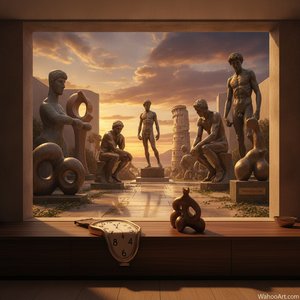
10 Iconic Bronze Sculptures That Redefined the World of Art
Journey through history with 10 iconic bronze sculptures that redefined art. From classical mastery to modern movements, explore the stories behind these timeless masterpieces and find museum-quality inspiration for your decor. Discover all masterpieces on OriginalUniqueArt.com.

10 Iconic Bronze Sculptures That Redefined the World of Art
Journey through history with 10 legendary bronze sculptures that redefined art. From classical mastery to modern icons, explore the stories behind these timeless masterpieces and find museum-quality reproductions for your decor. Discover all masterpieces on OriginalUniqueArt.com.

10 Iconic Bronze Sculptures That Redefined the World of Art
Journey through history with 10 legendary bronze sculptures that redefined art. From Rodin to classical masters, explore the stories behind these timeless bronze masterpieces and find museum-quality inspiration for your decor. Discover all masterpieces on OriginalUniqueArt.com.