
 Eelvaade
 Saada
Saada Jaga
Jaga
 Teave teose kohta

 Laadi alla
 Sarnased teosed
 Röntgenuuring
 Slaidietendus
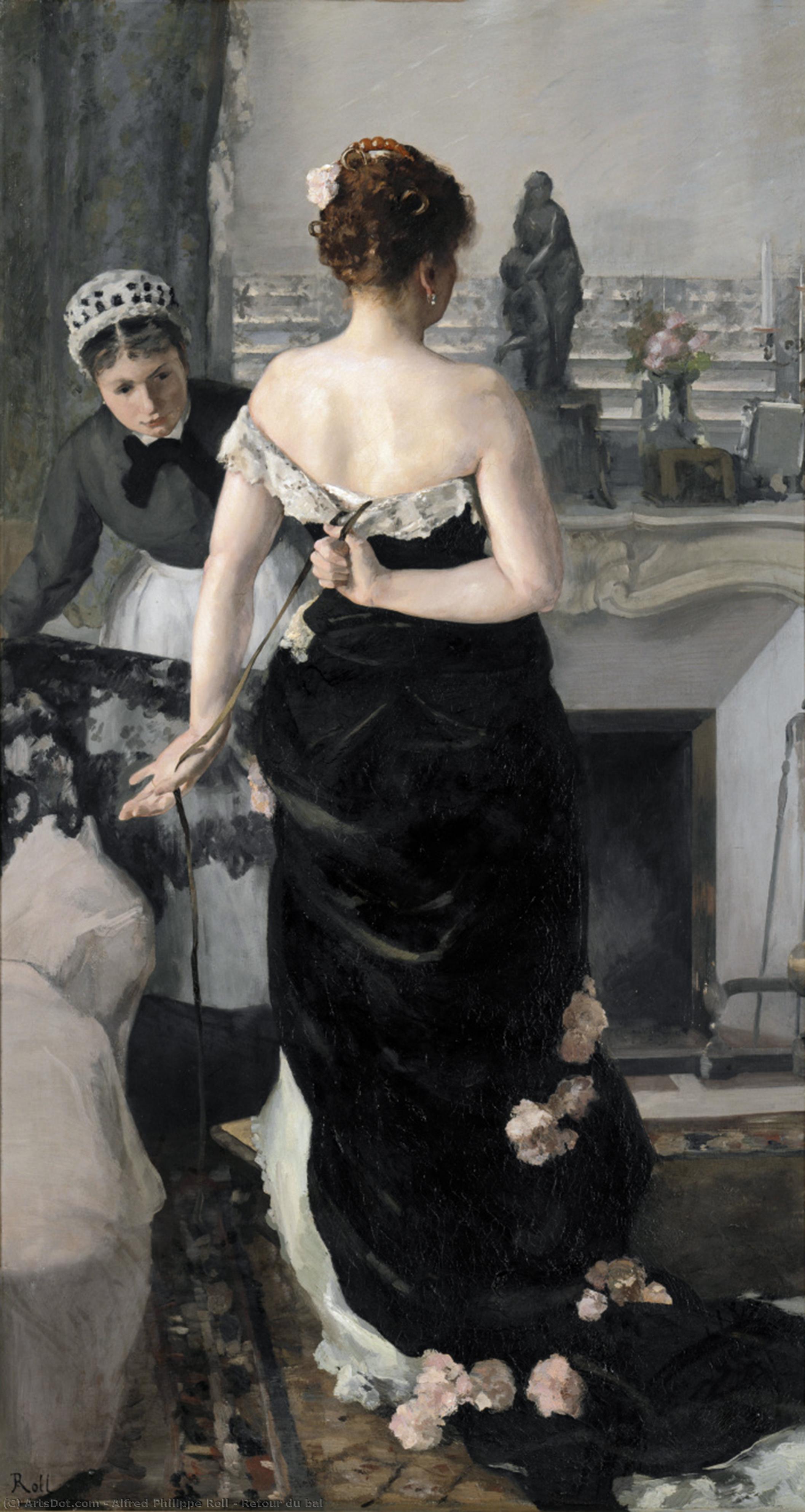
Retour du bal
 Loe lähemalt
Käsitsi valmistatud õlimaalireproduktsioon
Meie kunstnike poolt tellimusel valmistatud käsitsi maalitud õli-kainaste teos teie soovitud suuruses ja raamis. ( Lülita trükile Vaata pilti)




































Vali meie eelmääratud suurused, mis vastavad teose algupärastele proportsioonidele.

Sa võite sisestada oma mõõtmed konkreetse raami või ruumi sobivuse tagamiseks. Kui teie valitud suurus ei vasta originaalpildi proportsioonidele, siis kärvime kunstiteost või laiendame maali täiendavate käsitsi maalitud elementidega. Enne tootmise algust saadetakse teile heakskiitmiseks digitaalne eelvaade.
Palun pidage meeles, et ekraanil kuvatav eelvaade ei kajasta tegelikku kärpimist või laiendamist. Ainult eelvaade näitab täpselt lõplikku kompositsiooni.
Kuigi on saadaval kohandatud suurused, soovitame originaalproportsioonide säilimiseks valida mõõdud eelmääratletud nimekirjast.
Pärast tellimust saadab OriginalUniqueArt.com meeskond kliendile e-posti juhised ning esitab eelvaate kavandi.
Maailmline tarne 3–4 nädala jooksul tavalise 5 nädala asemel. (11 august). Kvaliteedis kompromisse ei tehta.

Tasuta ekspresssaatmine üle maailma

Kõrgekvaliteediline linakangas

Täielik transpordikindlustus

Tollimaksude tagastamise garantii

Värvitoime täpsuse garantii

60-päevane tagastusõig: ainult tootmisdefektide korral

100% raha tagasi garantii

Hulgusoodustus
 Klaasivalik on saadaval ainult suuruses kuni 110 cm

Retour du bal
Reproduktsiooni tehnika
Reproduktsiooni suurus
-


Kogusumma
$ 325
Kunstniku elulugu
The Soul of the Third Republic: The Artistic Journey of Alfred Philippe Roll
In the vibrant, shifting landscape of late 19th-century France, few artists captured the pulse of a changing nation as poignantly as Alfred Philippe Roll. Born in Paris in 1846, Roll emerged from the prestigious halls of the École des Beaux-Arts, a student shaped by the rigorous academic traditions of masters such as Jean-Léon Gérôme, Léon Bonnat, and Charles-François Daubigny. His early years were marked by a romantic sensibility, a stylistic period where his canvases breathed with the grandeur and picturesque charm characteristic of the era. During this formative stage, his work often echoed the sweeping emotionality of the Bolognese tradition and the burgeoning realism of Gustave Courbet, creating a delicate tension between classical beauty and raw observation.
The trajectory of Roll’s career was irrevocably altered by the turbulent winds of history. The Franco-Prussian War, which saw him serving as a lieutenant of militia, infused his perspective with a profound understanding of human resilience and societal upheaval. This period of conflict acted as a crucible, refining his gaze from the purely romantic toward a more grounded, empathetic realism. His 1s75 masterpiece, The Flood at Toulouse, stands as a haunting testament to this transition; by capturing the immediate suffering and the fragility of life during a natural disaster, he moved beyond mere decoration to engage with the collective psyche of the French people. This work, which now resides in the Musée Malraux, signaled his arrival as an artist capable of profound visual storytelling.
From Romanticism to the Rawness of Realism
As the decades progressed, Roll’s brushwork began to shed its romanticized edges, embracing instead the grit and truth of the Naturalist movement. He became a painter of the people, turning his attention toward the socio-political dynamics of the Third Republic. This evolution was not merely stylistic but deeply ideological. He sought to document the authentic human experience, particularly the struggles and triumphs of the working class. His landmark painting, Miners’ Strike (1880), remains one of his most significant achievements, catapulting him into the upper echelons of the French art world. In this work, he did not merely depict labor unrest; he humanized the struggle, imbuing the figures with a dignity that resonated far beyond the gallery walls.
This commitment to social realism allowed Roll to navigate the complexities of his era with remarkable dexterity. His repertoire expanded to include:
- Urban Landscapes: Meticulous depictions of Parisian life and the changing face of the city.
- Intimate Portraits: Studies that reflected the nuances of bourgeois and working-class identities.
- Social Narratives: Large-scale compositions that addressed contemporary political and social issues.
His ability to blend the technical precision learned from his academic mentors with a progressive, almost documentary-like approach to subject matter made him a vital voice in French art. He was not just an observer of life but a chronicler of its most pressing transformations.
Legacy and Historical Significance
Alfred Philippe Roll’s legacy is defined by his role as a bridge between the old world of academic tradition and the new world of social engagement. As a co-founder of the Société Nationale des Beaux-Arts, he played a crucial part in reshaping the institutional landscape of French art, advocating for a space where diverse styles could coexist. His work remains a vital historical record, capturing the essence of a France caught between the echoes of romanticism and the stark realities of industrialization and social reform.
Through his mastery of light, texture, and composition, Roll ensured that the struggles and the beauty of everyday life were immortalized. Whether through the sweeping vistas of the Champagne region or the somber tones of a labor strike, his art continues to invite viewers into a profound dialogue with the past. He remains a significant figure for anyone seeking to understand the heartbeat of 19th-century France—an artist who looked at the world not just as it appeared, but as it was felt.
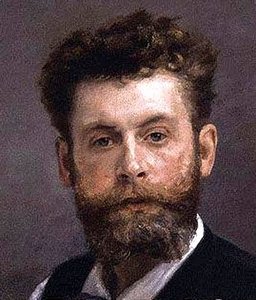
Alfred Philippe Roll
1846 - 1919 , France
Lühikesed faktid
- Artistic Movement Or Style: Realism
- Artists Or Movements Influenced By This Artist: ['Gustave Courbet']
- Artists Who Influenced This Artist:
- Jean-Léon Gérôme
- Henri Joseph Harpignies
- Charles François Daubigny
- Léon Bonnat
- Date Of Birth: Paris, France (1846)
- Date Of Death: 1919
- Full Name: Alfred Philippe Roll
- Nationality: French
- Notable Artworks:
- The Flood at Toulouse
- Evening
- Portrait de Mme Roll
- Place Of Birth: Paris

