

 Vaata sisu
 Jaga teost
 Jaga
Jaga
 Detailid
 Õppekate juhend

 Laadi alla
 Sarnased teosed
 Röntgenuuring
 Slaidietendus
 Statistika
Barricade
 Oil On Canvas
- WallArt
- Contemporary Realism
 1956
1956- Modern
 115.0 x 118.0 cm
 Pinacoteca Universidad de Colima
 Loe lähemalt
Sellel lehel kuvatav kunstiteos on kaitstud autoriõigusega, mis tähendab, et meil ei ole seaduslikku õigust luua või müüa identset reproduktsiooni. Seda kaitset rakendatakse rahvusvaheliste kokkulepete alusel, nagu näiteks Berne konventsioon ning riiklike seadustega, sealhulgas nendega, mida on sätestatud USA autoriõiguse seadus – 17. peatükk.
See meetod järgib täielikult autoriõiguse reegleid, kuna see ei põhine kaitstud kunstiteose kopeerimisel või dupliteerimisel. Selle asemel on tegu loova reinterpreetatsiooniga – uue maaldisega, mis on algteosest inspireeritud, kuid ei ole sellest identiline.
Giclée / Kunstiprint
Muuseumikvaliteediga giclée- või kangasprint kiire tootmisega ja paindlikud viimistlusvõimalused. ( Telli käsitsi maalitud reproduktsioon Ülemineku digitaalse pildi müügi kanalisse)




P118B €10

P118H €10

P118W €10

P438Z €10

P508JH €12

P508YH €12

P805H €10

P805Z €10

P919BZ €10

P919G €10

P919XJ €10

P959ZH €10

P968JZ €12

W106C €8

W218G €10

W218JH €8

W218Y €10

W307PJ €10

W316G €10

W316PJ €8

W316Y €10

W398PJ €8

W4111J €10

W500HY €15

W500JH €15

W692G €12

W849H €8

W940BG €15

W953PJ €8




Vali meie eelmääratud suurused, mis vastavad teose algupärastele proportsioonidele.

Sisestage vajalik laius ja kõrgus, et see sobiks teie raamile või seinale. Trükki saab ainult lõigata, seda ei saa kunagi pildist suuremaks teha, seega ka differentse vormiga suurus kaotab osa pildist. Enne trükkimist saadame teile kinnitamiseks digitaalse näidisprojektsiooni. Sellel lehel näidatud pilt ei kujuta reaalset lõiget — seda näitab ainult näidisprojekttsioon.
Ülemaailmne tarne () 2 nädala jooksul, tavalise 4/5 nädala asemel. (25 oktoober)

Tasuta ekspresssaatmine üle maailma

Kõrgekvaliteediline lina-kangastest muld

Täielik transpordikindlustus

Tollimaksude tagastamise garantii

Värvitoime täpsuse garantii

100 päeva tagastusõigus (ainult defektide korral)

100% raha tagasi garantii

Hulgusoodustus
 Klaasivalik on saadaval ainult kuni 110 cm suuruses teostes

Barricade
Giclée / Kunstiprint
Reproduktsiooni mõõtmed
-


Lõppsumma
€ 70
Alfonso Michel Nava’s “Barricade”: A Testament to Mexican Realism and Revolutionary Spirit
“Barricade,” painted in 1956 by the Colima-born artist Alfonso Michel Nava, is a powerfully evocative oil on canvas that transcends a simple depiction of a man shielding himself from something unseen. Measuring 115 x 118 cm, this artwork represents a pivotal moment in Nava’s career – a synthesis of his deeply rooted Mexican identity with burgeoning modern artistic sensibilities. Born in 1897, Nava emerged during the fervent era of Mexican muralism, yet he swiftly distinguished himself as a forerunner to the “generación de la ruptura,” that group pushing boundaries and challenging established norms. This piece, now residing within the collection of the Museo de Arte de Colima, exemplifies his unique approach: a meticulous realism imbued with symbolic weight and informed by the tumultuous social landscape of post-revolutionary Mexico.Composition and Technique – A Dialogue Between Form and Content
Nava’s technical skill is immediately apparent in “Barricade.” The painting showcases a deliberate use of bold colors, characteristic of his style, juxtaposed with carefully rendered geometric shapes that lend the scene a sense of controlled tension. The man, positioned centrally and lying down as a protective barrier against a pile of boxes, dominates the composition. His attire – a tie adding a touch of formality to the otherwise casual posture – subtly hints at social class and perhaps even resistance. The inclusion of two chairs, one near the center and another on the right, introduces an element of domesticity and contemplation, further complicating the narrative. Nava’s brushwork is precise yet fluid, creating a palpable sense of texture in the fabrics and surfaces, while his use of light and shadow adds depth and drama to the scene.Symbolism within the Everyday: Echoes of the Mexican Revolution
“Barricade” resonates deeply with the historical context of its creation – the aftermath of the Mexican Revolution (1910-1920). The act of shielding oneself, represented by the man’s posture, can be interpreted as a metaphor for resistance against oppression and injustice. The scattered bottles, seemingly random, could symbolize broken promises or shattered dreams, further amplifying the painting's underlying social commentary. Nava’s work directly reflects the revolutionary ideals of national identity, social justice, and cultural heritage, themes central to the movement that sought to transform Mexico through art. This piece is not merely a snapshot of daily life; it’s a carefully constructed visual statement about power, vulnerability, and the enduring struggle for a better future.Emotional Impact and Artistic Legacy
“Barricade” possesses a quiet intensity that draws the viewer in. The man's vulnerable yet resolute stance evokes empathy and invites contemplation on themes of protection, sacrifice, and the human condition. Nava’s ability to capture such profound emotion through seemingly simple subject matter is a testament to his artistic vision. As one of the most significant works from Nava’s oeuvre, “Barricade” stands as a powerful example of Mexican realism at its finest – a work that continues to resonate with audiences today and solidifies Nava's place as a key figure in 20th-century art. Its availability as a hand-painted reproduction offers an unparalleled opportunity to experience the depth and beauty of this remarkable artwork firsthand.Küsimused ja vastused
Kuidas saan vaadata reproduktsiooni teosele „Barricade“, autor Alfonso Michel Nava?
Teostest „Barricade“, autor Alfonso Michel Nava eelvaade on saadaval teose Eelvaade lehel.
Kuidas teose "Barricade" stiil seotub selle looja ajaga?
Teoses „Barricade“, autor Alfonso Michel Nava kohtuvad Contemporary Realism suunad ja Modernism ajastu.
Mis aastal loodi teos „Barricade“, autor Alfonso Michel Nava?
Teose „Barricade“, autor Alfonso Michel Nava loomimisaeg on 1956.
Kunstniku elulugu
varane elu ja karjäär
Alfonso Michel Nava, meksika maalari, sündis 1897. aastal Colimas, Mehhikos. Tema kunstiline teekond algas Meksika muralismiliikumine kõrgumetsas, kuid tema ainulaadne stiil tegi temast esisõnastajaga hiljem järgnenud Generación de la Ruptura liikumisele.kunstiline stiil ja mõjud
Michel Nava loomingut iseloomustas traditsiooniliste meksika teemade ja modernsete kunstiliste elementide sünergia. Tema maalid kujistasid sageli igapäevast elu stseene, mis olid täidetud realismiga ja sotsiaalse kommentaariga. Seda stiili mõjutas tugevasti Meksika revolutsioon (1910–1920), mille eesmärk oli kunstiväljundite kaudu edendada rahvuslikku identiteeti, sotsiaalset õiglust ja kultuuri pärandi säilitamist.olulised teosed
* Barrikade (umbikmol 1940ndatel): märkimist vääriv maal, mis demonstreerib Michel Nava unikaalset stiili, mida iseloomustavad julged värvid ja geomeetrilised kujundid. See teos asub praegupärand ja mõju
Michel Nava panus Meksika kunstile on vaieldamatu. Tema uuarmustav töö avas tee tulevatele kunstnikegeneratsioonidele, sealhulajus ka need, kes seostusid Generación de la Ruptura liikumisega. Hastingsi muuseum ja kunstigaleri, kuigi ei ole otseselt seotud Michel Navaga, on üks näide institutsioonidest, mis jätkavad Ladina-Ameerika kunsti edendamist, kaja andes tema loomingu vaimule.võrdlus teiste kunstikega
* Diego Rivera teos Frozen Assets (1931) näitab sarnast arhitektuurilise suurejoonalisuse ja sotsiaalse kommentaari segu, ehkki rõhutatud fookusega New Yorki majanduslikule ebavõrdsusele. * Georg Kolbe teos Naistantsija (1918) demonstreerib ühist rõhuasetust liikuva inimvormi tabamisele, kuigi kooslemates pigem abstraktse ekspressionistliku lähenemisviisiga. Alfonso Michel Nava pärand jätkub inspireerima, olles tõenduseks Meksika kunsti igavale jõule.
Alfonso Michel Nava
1897 - 1957 , Meksika
Lühikest infot
- Artistic Movement Or Style: Muralism ja geomeetriline abstraksjon
- Artists Or Movements Influenced By This Artist: ['Georg Kolbe']
- Artists Who Influenced This Artist: ['Diego Rivera']
- Date Of Birth: 1897
- Date Of Death: 1957
- Full Name: Alfonso Michel Nava
- Nationality: Mexikaan
- Notable Artworks:
- Barricade
- Minust minu stuudios
- Place Of Birth: Colima, Mehhiko
Sarnased artiklid

From Jungle Scenes to Gold Leaf Geometry: A Guide to Today's Most Requested Mural Styles
Explore today's top mural styles for hotels & commercial spaces! Discover trends, expert insights, & custom design solutions. Elevate your space with .

Oil on Canvas: A Historical & Technical Exploration of a Timeless Artistic Medium
Explore the rich history & enduring techniques of oil painting on canvas. Discover the science behind its longevity, conservation practices, and contemporary relevance. Expert insights for art enthusiasts.

Seinamaalide renessanss: Kujunduskunstniku vaatenurk köökides ja vannitubades kaasaegses interjööris
Avastage seinamaalide renessanss! Kujunduskunstniku nõuanded köökidesse ja vannitubadesse. Kvaliteetsed materjalid, kohandatud disainid & tasuta konsultatsioon OriginalUniqueArt.com-is.
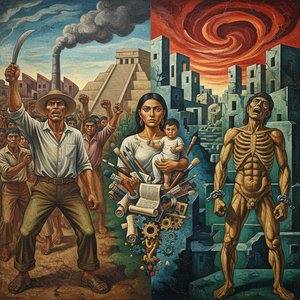
Revolution on Canvas: Exploring the Socio-Political Power & Artistic Legacy of Mexican Muralism
Explore the powerful world of Mexican muralism! Discover Diego Rivera, Frida Kahlo & Orozco's revolutionary art, social impact & lasting legacy. Expert insights & high-quality reproductions at OriginalUniqueArt.

The Enduring Legacy of Oil on Canvas: Technique, History & Aesthetic Impact
Explore the rich history & techniques of oil painting – from Renaissance masters to Impressionism. Discover pigments, layering methods, and why this timeless medium endures. Expert insights for artists & art enthusiasts.