 Eelvaade
 Saada
Saada Jaga
Jaga
 Teave teose kohta
 Juhend

 Laadi alla
 Sarnased teosed
 Röntgenuuring
 Slaidietendus
 Q&A
Q&A Statistika
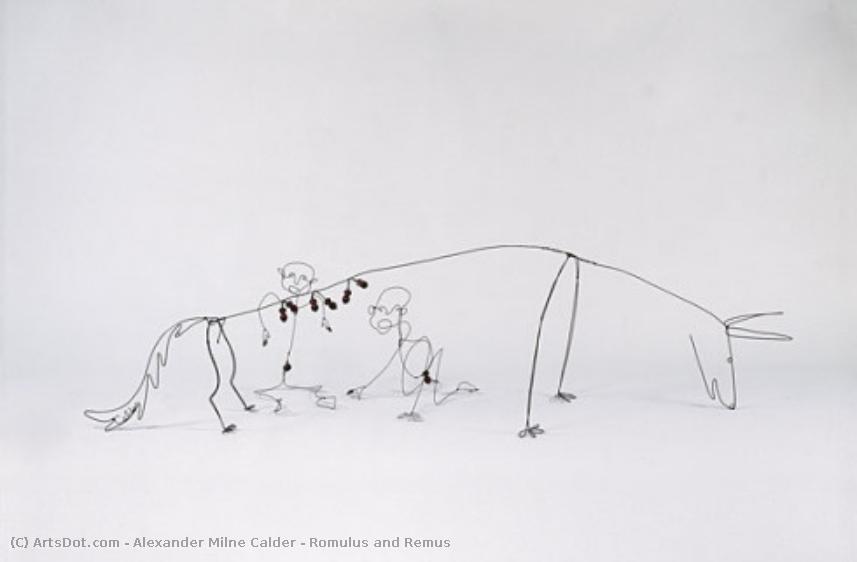
Romulus and Remus


 Loe lähemalt
Sellel lehel kuvatav kunstiteos on kaitstud autoriõigusega, mis tähendab, et meil ei ole seaduslikku õigust luua või müüa identset reproduktsiooni. Seda kaitset rakendatakse rahvusvaheliste kokkulepete alusel, nagu näiteks Berne konventsioon ning riiklike seadustega, sealhulgas nendega, mida on sätestatud USA autoriõiguse seadus – 17. peatükk.
See meetod järgib täielikult autoriõiguse reegleid, kuna see ei põhine kaitstud kunstiteose kopeerimisel või dupliteerimisel. Selle asemel on tegu loova reinterpreetatsiooniga – uue maaldisega, mis on algteosest inspireeritud, kuid ei ole sellest identiline.
Giclée / Kunstiprint
Muuseumikvaliteediga giclée- või kangasprint kiire tootmisega ja paindlikud viimistlusvõimalused. ( Osta käsitsi maalatud teos Lülita digitaalse pildi juurde)




P118B €10

P118H €10

P118W €10

P438Z €10

P508JH €12

P508YH €12

P805H €10

P805Z €10

P919BZ €10

P919G €10

P919XJ €10

P959ZH €10

P968JZ €12

W106C €8

W218G €10

W218JH €8

W218Y €10

W307PJ €10

W316G €10

W316PJ €8

W316Y €10

W398PJ €8

W4111J €10

W500HY €15

W500JH €15

W692G €12

W849H €8

W940BG €15

W953PJ €8




Vali meie eelmääratud suurused, mis vastavad teose algupärastele proportsioonidele.

Sisestage vajalik laius ja kõrgus, et see sobiks teie raamile või seinale. Trükki saab ainult lõigata, seda ei saa kunagi pildist suuremaks teha, seega ka erineva mustega suurus kaotab osa pildist. Enne trükkimist saadame teile kinnitamiseks digitaalse näidisprojektsiooni. Sellel lehel näidatud pilt ei kujuta reaalset lõiget — seda näitab ainult näidisprojektsioon.
Ülemaailmne tarne () 2 nädala jooksul, tavalise 4/5 nädala asemel. (3 november)

Tasuta ekspresssaatmine üle maailma

Kõrgekvaliteediline lina-kangas

Täielik transpordikindlustus

Tollimaksude tagastamise garantii

Värvitoime täpsuse garantii

100 päeva tagastusõigus (ainult valmistusdefektide korral)

100% raha tagasi garantii

Hulgusoodustus
 Klaasivalik on saadaval ainult kuni 110 cm suuruses teostes

Romulus and Remus
Giclée / Kunstiprint
Reproduktsiooni suurus
-


Koguhind
€ 71
A Moment Frozen in Steel: Exploring Calder’s “Romulus and Remus”
Alexander Milne Calder's "Romulus and Remus," crafted in 1928, isn’t merely a sculpture; it’s a distilled essence of myth rendered in delicate wire. This piece, a testament to the artist’s pioneering approach to three-dimensional form, transcends its subject matter – the legendary founders of Rome – to become a profound meditation on beginnings, brotherhood, and the very act of creation itself. Calder, deeply influenced by Constructivism and early Modernism, sought to liberate sculpture from the constraints of traditional materials, embracing the inherent qualities of industrial wire as both medium and metaphor.
The sculpture’s stark simplicity is its most arresting feature. Two figures, rendered with astonishing grace despite their skeletal construction, stand beneath a subtly arching structure that evokes a horizon line or perhaps a stylized landscape. The color palette – a resolute black and white punctuated by subtle grays – amplifies the work's austerity, forcing the viewer to focus entirely on form and movement. The lines themselves are paramount; thin, almost impossibly delicate wires define every contour, creating an illusion of both fragility and strength. This deliberate reductionist approach mirrors Calder’s broader philosophy: to strip away the superfluous and reveal the fundamental elements of a subject.
The Poetics of Chance and Kinetic Form
Calder's work in this period – particularly his “Cirque Calder” series – exemplifies his fascination with chance and spontaneity. He didn’t meticulously plan every curve or angle; instead, he allowed the wire to guide him, embracing the unpredictable nature of the material. This process is vividly captured in "Romulus and Remus," where the figures appear to be caught mid-action, poised on the precipice of a narrative yet undefined. The slight wobble inherent in the sculpture’s construction – a subtle consequence of its wire composition – hints at a kinetic energy, suggesting that even stillness can hold a dynamic potential.
The technique itself is deceptively complex. Calder skillfully bent and assembled hundreds of individual wires, creating a surprisingly robust structure despite its delicate appearance. The varying thicknesses of the wire contribute to the sculpture’s textural richness, offering subtle shifts in sheen as light catches the metal. This careful manipulation of material speaks to Calder's mastery of his chosen medium – a testament to his ability to transform industrial components into objects of profound beauty and intellectual resonance.
Myth, Brotherhood, and the Dawn of Rome
The subject matter—the story of Romulus and Remus—is deeply rooted in Roman mythology. The legend of the twins suckled by a she-wolf is an enduring symbol of resilience, survival, and the founding of civilization. Calder’s sculpture doesn't simply depict this narrative; it captures its essence – the primal struggle for existence, the bond between brothers, and the birth of a new order. The wire itself can be interpreted as representing the threads that connect us to our past, shaping our present and influencing our future.
Created in 1928, “Romulus and Remus” stands as a pivotal work in Calder’s oeuvre, marking a significant shift towards abstraction while retaining a powerful connection to his artistic roots. It's a sculpture that invites contemplation, prompting viewers to consider the interplay of form, material, and narrative – a timeless meditation on the foundations of human experience.
Korduvad küsimused
Kas teost „Romulus and Remus“, autor Alexander Milne Calder hoiustatakse kunstniku kodumaal?
Ei – teos asub välismaal. Alexander Milne Calder sünnimaa on Ühendkuningriik ning teose "Romulus and Remus" originaali hoiab endas muuseum, mis asub riigis Ameerika Ühendriigid.
Kes on teose "Romulus and Remus" autor ja millal see on loodud?
Teose "Romulus and Remus" autor on Alexander Milne Calder ja selle loomisaeg on 1928.
Kust saan leida statistikat teose „Romulus and Remus“, autor Alexander Milne Calder kohta?
Teose „Romulus and Remus“, autor Alexander Milne Calder lehe Statistika lehel on esitatud avalikud külastusstatistika: selle teose kuutlikud külastused, võrdlus kunstniku kõige vaatamistult populaarsemate teostega ning külastajate päritolu.
Kunstniku elulugu
Alexander Milne Calderi elulugu ja looming
Šoti päritoluga ameerika skulptor Alexander Milne Calder, sündinud 1846. aastal Aberdeeni linnas Šotimaal, on kunstiajaloo oluline figuur, kuigi tema nimi ei pruugi olla sama tuntud kui poja ja lapselapse omad. Calderi loomingus tiivustab arhitektuurne skulptuur, eriti silmapaistev Philadelphia linnapea hoone monumentaalne kaunistus. Tema perekonna kunstiline pärand on erakordne – nii Alexander Stirling Calder kui ka Alexander “Sandy” Calder said 20. sajandi olulisteks skulptoriteks, jätkates isa loomingut ja arendades seda edasi.
Varajane karjäär ja õpingud
Calder alustas oma kunstilist teekonda Šotimaal, töötades kuulsa skulptori John Rhindi juures. Samal ajal täiendas ta oma oskusi Edinburgh’ Royal Academy’s. Seejärel siirdus ta Londonisse, kus osales Albert Memoriali loomises – tohutu ja detailiderikas monument, mis kujundas tema varajast esteetilist tunnetust. 1868. aastal otsustas Calder immigreeruda Ameerika Ühendriikidesse ning leidis uue kodu Philadelphias. Seal õppis ta Joseph A. Bailly juures ja käis Thomas Eakinsi tunnides Pennsylvania Academy of the Fine Arts’is, mis aitas tal lihvida oma tehnilisi oskusi ja arendada isikupärast loomingulist stiili.
Philadelphia linnapea hoone – elutöö
Calderi nimi on lahutamatult seotud Philadelphia linnapea hoonega, mis kujunes tema suurimaks väljakutseks ja saavutuseks. See tohutu projekt hõlmas üle 250 skulptuurielemendi valmistamist marmorist ja pronksist ning kestis tervelt kakskümmend aastat. Hoone fassaadi kaunistavad figuurid, portaalid ja detailid on tunnistuseks Calderi oskustest ja visaduse kohta. Eelkõige väärib tähelepanu tohutu William Penni pronksist monument, mis oli mõeldud kroonima linnapea hoone torni. Lisaks sellele olid olulised ka “India figuur” skulptuur ning värviliste valgustitega illumineeritud “South Portal” ja “West Portal”, mis näitasid Calderi tähelepanu detailidele ja tema oskust luua atmosfääri.
Pärand ja mõju
Alexander Milne Calderi pärand ulatub kaugemale tema enda töödest. Tema poeg, Alexander Stirling Calder, sai tuntuks arhitektuurse skulptuuriga, samal ajal kui lapselaps, Alexander “Sandy” Calder, revolutsioneeris mobiilsete skulptuuride kunstivormi. Calderi loomingust võib leida inspiratsiooni nii tema poja kui ka lapselapse töödes, mis näitab perekonna kunstilise geeniuse jätkuvust. Tema panus kunstimaailma on kajastatud erinevates muuseumides, sealhulgas Smithsonian American Art Museum’is ja Galleria Civica di Arte Moderna e Contemporanea Torinos.
Tähtsus kunstiajaloos
Alexander Milne Calderi loomingut iseloomustab arhitektuuriline täpsus, detailirohkus ning oskus luua monumentaalseid ja atmosfäärilisi teoseid. Tema töö on oluline näide 19. sajandi skulptuurikunstist ning tema panus Philadelphia linnapea hoone loomises on kunstiajaloo üks silmapaistvamaid saavutusi. Calderi perekonna loominguline pärand jätkab inspireerimist ja vaimustamist tänapäevalgi, kinnitades nende kohta kunstimaailmas.

Alexander Milne Calder
1898 - 1976 , Ühendkuningriik
Lühikest infot
- Artistic Movement Or Style: Arhitektuuriskulptuur
- Artists Or Movements Influenced By This Artist: ['Alexander Stirling Calder']
- Artists Who Influenced This Artist: ['John Rhind']
- Date Of Birth: 23. august 1846
- Date Of Death: 14. juuni 1923
- Full Name: Alexander Milne Calder
- Nationality: Šoti-Ameerika
- Notable Artworks:
- Philadelphia City Hall
- William Penni kuju
- Place Of Birth: Aberdeen, Suurbritannia
Sarnased artiklid

Bronze Age to Modern Masters: 10 Sculptures That Redefined Art | OriginalUniqueArt
Journey through art history with 10 legendary bronze sculptures – from Michelangelo's David to Rodin’s Thinker. Explore the stories, techniques & timeless beauty of these masterpieces. Find museum-quality reproductions & elevate your home decor on OriginalUniqueArt.com.
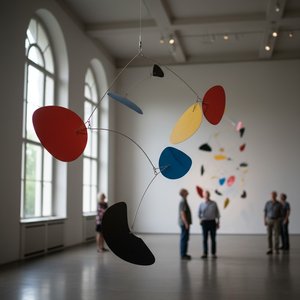
Alexander Calder: Kinetic Sculpture, Mobile Art & the Poetics of Chance
Explore the revolutionary world of Alexander Calder's kinetic sculptures & mobiles. Discover insights for collectors, acquisition advice, and the enduring legacy of this modern master. Expert analysis & art valuation.

The Enduring Form: Exploring Themes & Techniques in Sculpture Across Historical Periods
Explore the rich history of sculpture from ancient masterpieces to contemporary innovations. Discover key techniques, influential artists & investment potential for discerning art collectors.

The Enduring Form: Sculpture Across History, Technique & Emotional Resonance
Explore the rich history of sculpture with OriginalUniqueArt. Discover key techniques, influential artists & investment potential for discerning collectors. Expert insights into valuing and collecting timeless masterpieces.

Bronze Sculptures That Defined Art History | OriginalUniqueArt
Journey through art history with our Top 10 bronze sculptures! Explore masterpieces by Rodin, Michelangelo & more. Discover stories behind iconic statues and find museum-quality reproductions for your home decor at OriginalUniqueArt.com.
