Vaata sisu
 Jaga teost
 Jaga
Jaga
 Detailid
 Õppekate juhend

 Laadi alla
 Sarnased teosed
 Röntgenuuring
 Slaidietendus
 Statistika
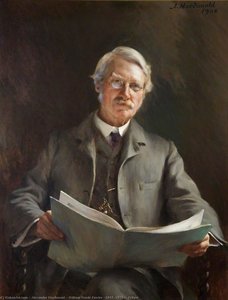
The Lord Belper
 1902
1902 152.0 x 86.0 cm
 Loe lähemalt
Käsitsi valmistatud õlimaalireproduktsioon
Meie kunstnike poolt tellimusel valmistatud käsitsi maalitud õli-kainaste teos teie soovitud suuruses ja raamis. ( Lülita trükkitoodetele Ülemineku digitaalse pildi müügi kanalisse)




































Vali meie eelmääratud suurused, mis vastavad teose algupärastele proportsioonidele.

Sa võite sisestada oma mõõtmed konkreetse raami või ruumi sobivuse tagamiseks. Kui teie valitud suurus ei vasta originaalpildi proportsioonidele, siis kärvime kunstiteost või laiendame maali täiendavate käsitsi maalitud elementidega. Enne tootmise algust saadetakse teile heakskiitmiseks digitaalne eelvaade.
Palun pidage meeles, et ekraanil kuvatav eelvaade ei kajasta tegelikku kärpimist või laiendamist. Ainult eelvaade näitab täpselt lõplikku kompositsiooni.
Kuigi on saadaval kohandatud suurused, soovitame originaalproportsioonide säilimiseks valida mõõdud eelmääratletud nimekirjast.
Pärast tellimust saadab OriginalUniqueArt.com meeskond kliendile e-posti juhised ning esitab eelvaate kavandi
Maailmline tarne 3–4 nädala jooksul tavalise 5 nädala asemel. (26 september). Kvaliteedis kompromisse ei tehta.

Tasuta ekspresssaatmine üle maailma

Kõrgekvaliteediline lina-kangastest muld

Täielik transpordikindlustus

Tollimaksude tagastamise garantii

Värvitoime täpsuse garantii

100 päeva tagastusõigus (ainult defektide korral)

100% raha tagasi garantii

Hulgusoodustus
 Klaasivalik on saadaval ainult kuni 110 cm suuruses teostes

The Lord Belper
Reproduktsiooni materjal
Reproduktsiooni mõõtmed
-


Lõppsumma
$ 300
Kunstniku elulugu
A Glimpse into Victorian Lives: The Art of Alexander Macdonald
Alexander Macdonald, born in 1837, was a Scottish artist who quietly documented the essence of his era through an extraordinary gift for portraiture and sketching. While not as widely celebrated as some of his contemporaries, Macdonald’s work offers a uniquely intimate window into Victorian society, capturing not just likenesses but also the character and atmosphere of the time. His life, though relatively undocumented in grand biographical detail, was dedicated to honing his skills and producing an impressive body of work that continues to resonate with those seeking a deeper connection to 19th-century Scotland and beyond. He lived until 1885, leaving behind a legacy of detailed observations rendered with remarkable sensitivity.Early Training and Artistic Development
Details surrounding Macdonald’s formal artistic training remain somewhat elusive. However, the precision and skill evident in his sketches suggest a rigorous apprenticeship or dedicated study under an established artist. He quickly gravitated towards portraiture, recognizing its potential to explore human psychology and social standing. Unlike many artists who sought dramatic historical narratives or sweeping landscapes, Macdonald found beauty and meaning in the everyday faces of Victorian life – merchants, landowners, families, and individuals from all walks of society. His early works demonstrate a clear understanding of light and shadow, employing techniques reminiscent of the Dutch Masters, particularly in his ability to capture texture and realism. He wasn’t interested in idealization; instead, he strived for an honest representation of his subjects, flaws and all. This commitment to authenticity would become a defining characteristic of his style.Capturing Victorian Society: Themes and Techniques
Macdonald's artistic output primarily focused on portraiture, but it was the *way* he approached this genre that set him apart. He wasn’t merely creating images for wealthy patrons; he was building a visual archive of Victorian life. His sketches, often executed with charcoal or graphite, are particularly compelling – quick studies that reveal a remarkable ability to capture fleeting expressions and subtle nuances of personality. These weren't preliminary drawings for larger paintings, but works of art in their own right, prized for their immediacy and intimacy.- Portraiture as Social Commentary: Macdonald’s portraits often reveal details about the sitter’s profession or social status through clothing, accessories, and background elements. He subtly hinted at the complexities of Victorian class structures.
- The Power of Observation: His landscapes, though less frequent than his portraits, demonstrate a keen eye for detail and an appreciation for the natural beauty of Scotland. They often served as backdrops for his portraiture, grounding his subjects in their environment.
- A Focus on Character: Macdonald’s work is notable for its psychological depth. He wasn't simply interested in physical resemblance; he sought to capture the inner life of his sitters.