 Eelvaade
 Saada
Saada Jaga
Jaga
 Teave teose kohta
 Juhend

 Laadi alla
 Sarnased teosed
 Röntgenuuring
 Slaidietendus
 Q&A
Q&A Statistika
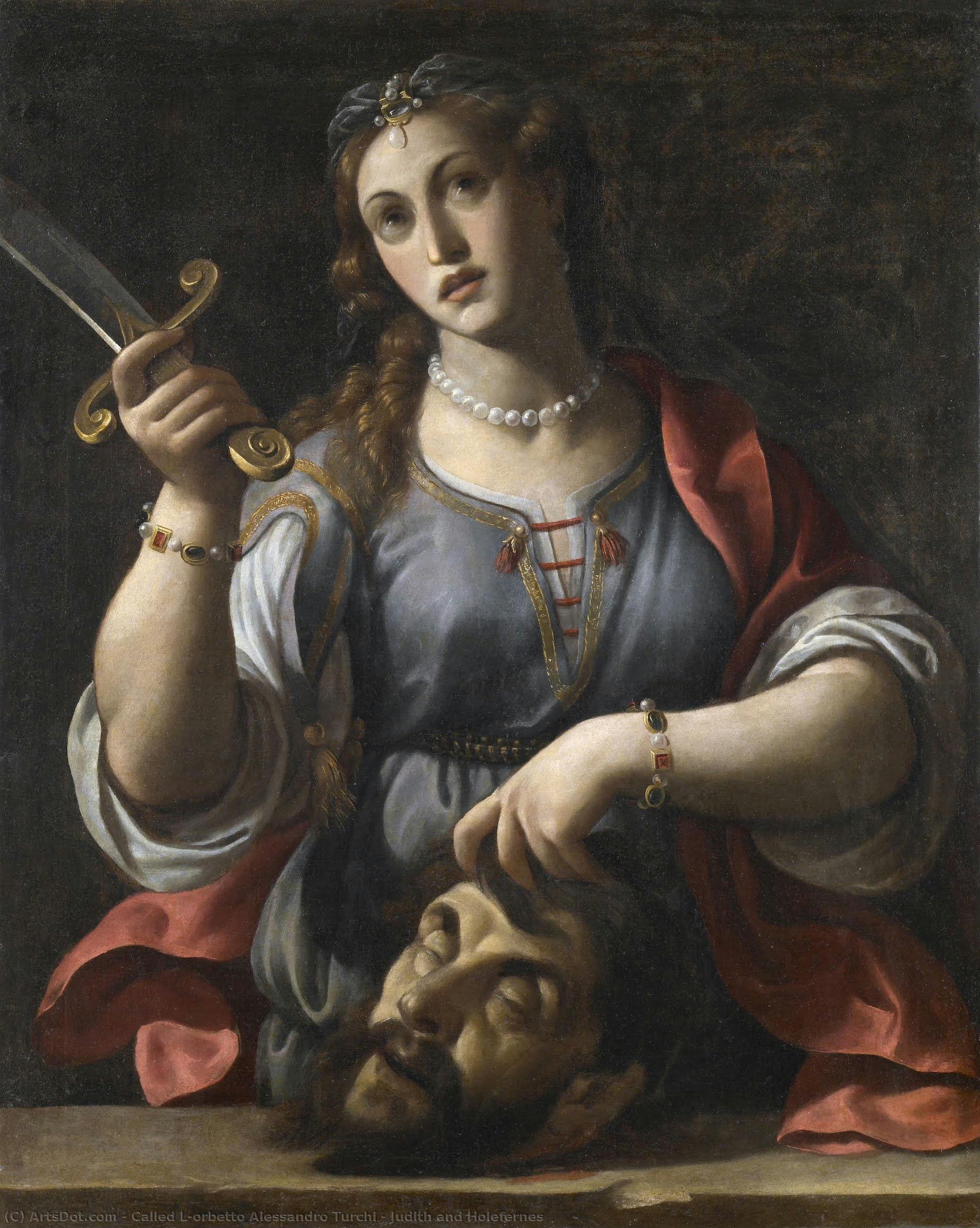
Judith and Holefernes


 Loe lähemalt
Giclée / Kunstiprint
Muuseumikvaliteediga giclée- või kangasprint kiire tootmisega ja paindlikud viimistlusvõimalused. ( Osta käsitsi maalatud teos Lülita digitaalse pildi juurde)




P118B €10

P118H €10

P118W €10

P438Z €10

P508JH €12

P508YH €12

P805H €10

P805Z €10

P919BZ €10

P919G €10

P919XJ €10

P959ZH €10

P968JZ €12

W106C €8

W218G €10

W218JH €8

W218Y €10

W307PJ €10

W316G €10

W316PJ €8

W316Y €10

W398PJ €8

W4111J €10

W500HY €15

W500JH €15

W692G €12

W849H €8

W940BG €15

W953PJ €8




Vali meie eelmääratud suurused, mis vastavad teose algupärastele proportsioonidele.

Sisestage vajalik laius ja kõrgus, et see sobiks teie raamile või seinale. Trükki saab ainult lõigata, seda ei saa kunagi pildist suuremaks teha, seega ka erineva mustega suurus kaotab osa pildist. Enne trükkimist saadame teile kinnitamiseks digitaalse näidisprojektsiooni. Sellel lehel näidatud pilt ei kujuta reaalset lõiget — seda näitab ainult näidisprojektsioon.
Ülemaailmne tarne () 2 nädala jooksul, tavalise 4/5 nädala asemel. (1 november)

Tasuta ekspresssaatmine üle maailma

Kõrgekvaliteediline lina-kangas

Täielik transpordikindlustus

Tollimaksude tagastamise garantii

Värvitoime täpsuse garantii

100 päeva tagastusõigus (ainult valmistusdefektide korral)

100% raha tagasi garantii

Hulgusoodustus
 Klaasivalik on saadaval ainult kuni 110 cm suuruses teostes

Judith and Holefernes
Giclée / Kunstiprint
Reproduktsiooni suurus
-


Koguhind
€ 71
A Masterpiece of Baroque Tension
In the shadowy corridors of art history, few moments capture the visceral intersection of violence and virtue as poignantly as Alessandro Turchi’s Judith and Holofernes. Painted around 1605, this monumental oil on canvas serves as a breathtaking window into the Roman Baroque era, a period defined by its theatricality and profound psychological depth. The scene depicts the climactic biblical moment where Judith, a Jewish heroine of unparalleled courage, executes the Assyrian king Holofernes to save her people from oppression. Turchi does not merely record a historical or religious event; he invites the viewer into a space of intense emotional confrontation, where the air feels heavy with the scent of iron and the weight of divine retribution.
The composition is masterfully anchored by Judith herself, whose presence dominates the foreground with an almost chilling composure. Clad in opulent fabrics—a pristine white blouse accented by crimson trim and draped in a flowing blue garment—she stands as a beacon of light against an indistinct, dark background. This use of chiaroscuro, the dramatic interplay between light and shadow, is a hallmark of Turchi’s style, drawing the eye irresistibly toward the central drama. As she holds aloft the severed head of her enemy, her expression remains remarkably steady, blending a sense of solemn duty with an unwavering resolve that transcends simple vengeance.
Technique and the Language of Light
To gaze upon this work is to witness the technical prowess of a Veronese master. Turchi employs a sophisticated layered oil painting technique, building up textures that make the tactile world of the painting feel palpable. One can almost feel the smoothness of the pearls adorning Judith’s neck and the heavy, luxurious folds of her drapery. The artist’s brushstrokes are deliberate and precise, used to render the gruesome reality of Holofernes’s demise with a realism that is both unsettling and beautiful. This balance between the grotesque and the graceful is what elevates the piece from a mere narrative illustration to a high-art triumph.
The lighting in the piece acts as a silent narrator, originating from above to cast dramatic shadows that define the contours of the figures and create a profound sense of volume. This light does more than illuminate; it sanctifies the act of resistance, casting Judith in a heroic glow while leaving the fallen king in the encroaching darkness of death. For collectors and interior designers, such a piece offers more than just visual interest; it provides a focal point of immense character, capable of anchoring a room with its sophisticated palette and commanding presence.
Symbolism and Lasting Emotional Resonance
Beyond the immediate shock of the decapitation, Judith and Holofernes is a rich tapestry of symbolic meaning. The severed head serves as a potent emblem of mortality and the inevitable defeat of tyranny, while Judith herself embodies the triumph of faith and justice over brute force. The jewelry and fine clothing she wears are not merely decorative; they represent the dignity of her cause and the grandeur of the moment, suggesting that even in the midst of carnage, there is a divine order being restored.
For those seeking to surround themselves with art that provokes thought and stirs the soul, Turchi’s vision offers an unparalleled experience. A high-quality reproduction of this work allows the drama of the Baroque to inhabit modern spaces, bringing a sense of history, gravity, and timeless elegance to any collection. It is a piece that demands attention, inviting continuous re-examination of its themes of courage, sacrifice, and the enduring struggle between light and shadow.
Korduvad küsimused
Kas teose „Judith and Holefernes“, autor Alessandro Turchi autoriõigused lubavad selle reproduktsiooni?
Originaalteos "Judith and Holefernes" asub Fondazione Brescia Musei kogumuses ning teos on avalikus õiguses – selle autoriõigud onหมดunud.
Kui intensiivsed on värvid teoses „Judith and Holefernes“, autor Alessandro Turchi?
Teose "Judith and Holefernes" värvitoon on Monochromatic. Intensiivsus kirjeldab värvide tugevust ja ergitust.
Millist kontrasti näitab teos „Judith and Holefernes“, autor Alessandro Turchi?
Teoses „Judith and Holefernes“, autor Alessandro Turchi on nähtav Balanced kontrast heellemiste ja tumedate alade vahel.
Kunstniku elulugu
Verooni meister Rooma barokis: Alessandro Turchi elu ja kunst
Alessandro Turchi, keda tuntsid armsalt olid ka “L’Orbetto” – väike murakas – oli võtmetäht, kes ühendas Verona hilismaniinistliku traditsiooni uusi ning kasvavaid Rooma varajastu baroki draamatilisi elemente. Sündides 1578. aastal Veronas, mida isutas kunstiline kire, peegeldab Turchi teekond fassaineerivat koosmängu regionaalsete stiilide ja Rooma kunstiliste uuenduste magnetilise tõmbe vahel. Tema esmane õppimine tunnustatud verooni maali kunstniku Felice Riccio (il Brusasorci) juures pani tugeva aluse tehnikale ja kompositsioonile. See õpilikkate periood sisaldas temasse täpsust vormide suhtes ning värvihõldust, mis iseloomustas tema varajaseid teoseid. Kuni 1603. aastani oli Turchi juba kinnistanud end iseseisva kunstnikuna, saades kiiresti tunnustust oma uuenevava talenti eest. Oluline varajane tellimus – orgeli klapid Verona Filarmoonia Akadeemiasile (1606–1609) – demonstreeris mitte ainult tema tehnilist oskust, vaid ka tema võimekust tegeleda suurem Maßiga dekoratiivprojektide. See periood kinnistas tema positsiooni Verona kunstimaastikul, valmistades teda ette laiema kunstiliseks horisontiks.Veronast Rooma: õitsev karjäär
Felice Riccio surm 1605. aastal tõi kaasa pöördumispunkti. Turchi koos Pasquale Ottinoiga astus ette, et lõpetada mitu oma meistri poolt lõpetamata jäetud maalist, tegu, mis teritas tema oskusi ja kinnistas tema mainet kunstikeskkonlt. See koostöö ei olnud pelgalt olemasolevate teoste lõpetamine; see oli õppimise ja täiustamise kriitiline periood, mis võimaldas Turchil omastada Riccio stiililisi nüansse, arendades samal ajal välja oma unikaalse hääle. Tema ambitsioon viis teda peagi Veroni piiridest kaugemale. Kuni 1616. aastani oli ta jõudnud Rooma, kunstiliste uuenduste keskuse, kus ta sülitus kiiresti paaviliku patroonimise ja kunstilise konkurentsi vibrast atmosfääri. Tema osalemine Quirinal-palatsi Sala Reggia freskoarbeitades – mis kujutas manna kogumist – märkis tema ilmumist Rooma lavale. See tellimus tõi teda kokku ajastu juhtivate kunstnikudega ja tutvustas teda draamatilisele intensiivsusele, mis määris uusiende baroksti stiili. Eriti märkimistav saavutus sellel perioodil oli teos Kristus, Magdaleena ja inglid, mille tellimiseks pidas kardinaal Scipione Borghese, võimas patroon, kes oli tuntud oma erutundliku maitse ja kunstilise talendi toetamise eest.Stiilide süntees: Caravaggism ja armsus
Turchi kunstiline stiil on märkimisväärselt eristuv – lummav segu pehmusest ja draamatilisest intensiivsusest. Kuigi ta oli sügavalt mõjutatud Carlo Cagliari ja oluliselt oma esialgse mentor Felice Riccio töödest, ei imiteerinud ta neid lihtsalt. Selle asemel lõi ta välja unikaalse tee, mis eraldas teda oma kaasaeglalt. Caravaggio mõju on vaadiumatu; Turchi kasutas meisterlikult chiaroscuro't – dramaatilist valguse ja varju kasutamist – et luua oma maalidest teatraalsust ja emotsionaalset sügavust. Kuid erinevalt Caravaggio mõningutest karmidest realistlikest kujutlustest, leevitas Turchi seda intensiivsust lüulilise armsuse ja peenelt täpselt värvihõldusega. Tema kujunditel on skulpturaalne olemus, kuid neisse on sisaldatud peenud inimlikkus, mis pehmendab draamatilist mõju. See võime tasakaalustada neid näilisi vastandlikke jõude – draama ja delicate ehk habrasust – ongi tema kunstiline kaassinimi. Ta kasutas oma ajaloolistes stseenides sageli mustat marmori taustana, luues silmapaistva kontrasti, mis tõi tema kompositsioonide emotsionaalset jõudu veelgi suurendas.Pärand ja tunnustus: Rooma kunstimaailma printsi
Kogu oma karjääri jooksul ei olnud Alessandro Turchi ainult kogenud maalari, vaid ka pühendunud mentor. Ta jagas heldalt oma teadmisi ja ekspertiisi lootekatest noortest kunstnikest, sealhulgas Giovanni Ceschinist ja Giovanni Battista Rossist (il Gobbino), kellest mõlemist sai Verona kunstimaastikul edukas karjäär. Tema professionaalne staatus jätkus kasvamine; 1637. aastal valiti teda Accademia di San Luca „principe'ks” ehk direktoriks, mis on tunnistus tema juhtimiskujule ja kunstilisele autoriteedile Rooma kunstimaailmas. Aastak lapsed, 1638. aastal, liitus ta presteesia Papalist Kunstnike Guildiga, tuntud kui Pontifikaalne Kunstide ja kirjanduse akadeemia Virtuosi al Pantheon, kinnistades veelgi oma positsiooni Rooma eliitkunstnike seas. Turchi panust varajasse barokkimaalisse on tänapäeval tunnustatud tema oskuslikult ühendatud draamatilise intensiivsuse ja peene esteetilise tundlikkusega. Tema lummavad religioosne ja ajaloolised teosed jätkavad vaatajate võlustamist, pakkudes pilgu 17. sajandi Itaalia kunstilisse kargeks ajasse. Ta jättis jälg mitte ainult läbi oma maalid, vaid ka läbi kunstnike, keda ta inspireeris, tagades, et tema unikaalne visioon püsiks põlvkondadeks. Tema töö jääb kui tunnistus kunstilise sünteesi jõule ja draamaga leevitatud ilu igavale atraksjonile.
Alessandro Turchi
1578 - 1649 , Italia
Lühikest infot
- Artistic Movement Or Style: Varbarokk
- Artists Or Movements Influenced By This Artist:
- Giovanni Ceschini
- Giovanni B. Rossi
- Artists Who Influenced This Artist:
- Felice Riccio
- Carlo Cagliari
- Date Of Birth: 1578
- Date Of Death: 1649
- Full Name: Alessandro Turchi
- Nationality: Itaalia
- Notable Artworks:
- Sõnastuse altarpalk
- Kristus, Magdaleena ja inglid
- Pariisi otsustus
- Kephalos ja Prokris
- Place Of Birth: Verona, Itaalia
Sarnased artiklid

Chiaroscuro & Emotion: Capturing the Dramatic Soul of Baroque Art
Explore the profound drama of Baroque art. Discover how masters used chiaroscuro and intense emotion to capture the soul of the 17th century through light, shadow, and spiritual grandeur in this expert art history guide.

The Visceral Stage: Exploring Dramatic Narratives & Emotional Intensity in Baroque Art
Explore the dramatic world of Baroque art! Discover iconic masters like Caravaggio & Rembrandt, their techniques, and the movement's lasting impact. Expert insights for collectors & enthusiasts at OriginalUniqueArt.

The Dramatic Flourish: Exploring the Baroque Movement's Enduring Legacy in Art History
Explore the dramatic world of Baroque art! Discover iconic artists like Caravaggio & Rubens, defining techniques, and its lasting impact on art history. Expert insights for collectors & enthusiasts at OriginalUniqueArt.

Baroki tippteosed: 10 kunstiteost, mis muutisid maailma
Sukeldu baroki maailma! Avasta 10 meistriteost, mis defineerisid kunstivoolu – Rembrandt, Caravaggio jt. Loe lugusid, vaata värve ja naudi ajatu ilu. Leia inspiratsiooni interjööriks OriginalUniqueArt.com-ist!

Baroki draama ja luksus: Kuidas ajalooline elegants kaasaegsesse interjööri tuua
Avastage baroki maalide võlu OriginalUniqueArt'is! Käsitsi valmistatud reproduktsioonid, fotodest maalid ja ekspertkonsultatsioonid. Toome ajaloolise elegantsi Teie interjööri. Kvaliteet garanteeritud!