Eelvaade
 Saada
Saada Jaga
Jaga
 Teave teose kohta
 Juhend

 Laadi alla
 Sarnased teosed
 Röntgenuuring
 Slaidietendus
 Q&A
Q&A Statistika
Annunciation
 Engraving
- WallArt
- Northern Renaissance
 1526
1526 288.0 x 211.0 cm
 Condé muuseum
 Loe lähemalt
Giclée / Kunstiprint
Muuseumikvaliteediga giclée- või kangasprint kiire tootmisega ja paindlikud viimistlusvõimalused. ( Osta käsitsi maalatud teos Lülita digitaalse pildi juurde)




P118B €10

P118H €10

P118W €10

P438Z €10

P508JH €12

P508YH €12

P805H €10

P805Z €10

P919BZ €10

P919G €10

P919XJ €10

P959ZH €10

P968JZ €12

W106C €8

W218G €10

W218JH €8

W218Y €10

W307PJ €10

W316G €10

W316PJ €8

W316Y €10

W398PJ €8

W4111J €10

W500HY €15

W500JH €15

W692G €12

W849H €8

W940BG €15

W953PJ €8




Vali meie eelmääratud suurused, mis vastavad teose algupärastele proportsioonidele.

Sisestage vajalik laius ja kõrgus, et see sobiks teie raamile või seinale. Trükki saab ainult lõigata, seda ei saa kunagi pildist suuremaks teha, seega ka erineva mustega suurus kaotab osa pildist. Enne trükkimist saadame teile kinnitamiseks digitaalse näidisprojektsiooni. Sellel lehel näidatud pilt ei kujuta reaalset lõiget — seda näitab ainult näidisprojektsioon.
Ülemaailmne tarne () 2 nädala jooksul, tavalise 4/5 nädala asemel. (30 oktoober)

Tasuta ekspresssaatmine üle maailma

Kõrgekvaliteediline lina-kangas

Täielik transpordikindlustus

Tollimaksude tagastamise garantii

Värvitoime täpsuse garantii

100 päeva tagastusõigus (ainult valmistusdefektide korral)

100% raha tagasi garantii

Hulgusoodustus
 Klaasivalik on saadaval ainult kuni 110 cm suuruses teostes

Annunciation
Giclée / Kunstiprint
Reproduktsiooni suurus
-


Koguhind
€ 71
The Annunciation: A Northern Renaissance Masterpiece
Albrecht Dürer’s “Annunciation,” completed in 1526, is more than just a depiction of a pivotal biblical moment; it's a profound meditation on faith, humility, and the divine unfolding within the human realm. This engraving, rendered with meticulous detail and imbued with the characteristic qualities of Northern Renaissance art, offers a glimpse into Dürer’s artistic genius and his deep understanding of both religious symbolism and technical mastery. The work transcends its subject matter to become a testament to the power of observation, precision, and the artist's ability to capture not just likeness but also emotion and spiritual depth.
Dürer’s choice to portray the Annunciation within a richly appointed chamber immediately establishes a sense of importance and reverence. The setting isn’t a simple rustic scene; it’s a carefully constructed space, hinting at Mary's elevated status and the gravity of the announcement she receives. Architectural elements – windows framing distant landscapes, arches suggesting stability and permanence, and even a clock on the wall—ground the narrative in a recognizable, yet idealized, reality. This deliberate setting elevates the scene beyond a mere story; it’s presented as a significant event within a structured world.
Technical Brilliance: Line, Texture, and Perspective
The engraving itself is a marvel of technical execution. Dürer's mastery of cross-hatching—a technique involving closely spaced parallel lines to create tonal variations—is particularly evident. He uses this method with astonishing control, building up layers of shadow and depth to simulate the textures of fabric, stone, and even Mary’s skin. The fine, almost microscopic lines contribute not only to the visual richness but also to a remarkable sense of realism – one rarely achieved in earlier printmaking techniques.
- Linear Perspective: Dürer employs linear perspective with exceptional skill, creating an illusion of depth within the chamber. Objects recede into the background, diminishing in size and detail, convincingly mimicking the way we perceive space.
- Cross-Hatching Texture: The intricate network of lines generates a tactile quality, simulating the folds of drapery, the roughness of stone walls, and the delicate contours of Mary’s face.
- Monochromatic Palette: Dürer's deliberate use of black and white amplifies the impact of his tonal variations, creating dramatic contrasts and highlighting key elements within the composition.
Symbolism and Emotional Resonance
Beyond its technical prowess, “Annunciation” is rich in symbolic meaning. The angel Gabriel’s gesture—a formal announcement delivered with reverence—conveys both divine authority and a sense of profound humility. Mary's expression, caught between surprise and acceptance, captures the emotional complexity of receiving such momentous news. Her posture, seated and contemplative, suggests a willingness to embrace her destiny.
The inclusion of the clock within the scene is particularly noteworthy. It serves as a reminder of the passage of time and the significance of this single moment in history—the beginning of a new era for humanity. The overall composition speaks to themes of grace, obedience, and the miraculous nature of faith.
A Legacy of Northern Renaissance Art
“Annunciation” stands as a quintessential example of Northern Renaissance art, embodying the period’s emphasis on meticulous detail, realism, and intellectual rigor. Dürer's work reflects his deep engagement with classical ideals while simultaneously grounding them in the traditions of German craftsmanship. His exploration of human anatomy, perspective, and symbolism profoundly influenced generations of artists to come.
Reproductions of this iconic engraving offer a unique opportunity to experience the artistry and intellectual depth of Albrecht Dürer’s vision. OriginalUniqueArt's hand-painted reproductions capture the essence of the original, allowing you to bring this masterpiece into your home or office with unparalleled fidelity and beauty.
Korduvad küsimused
Kes lõi teose "Annunciation" ja millises stiilis see on?
Albrecht Dürer lõi teose "Annunciation" Northern Renaissance suunaga.
Milline on teose „Annunciation“, autor Albrecht Dürer visuaalne heledus?
Teose „Annunciation“, autor Albrecht Dürer tajutav heledus on brilliant. Seda saab kohandada mõeldud ruumi valgusest koos.
Millal ja millistest materjalidest on teos "Annunciation" valmistatud?
Teose „Annunciation“, autor Albrecht Dürer tehnika on Engraving ning selle valmimisajaks on märgitud 1526.
Kunstniku elulugu
Albrecht Düreri Elu: Nürnbergist Renessanssi Täheni
Albrecht Dürer, kelle nimi on sünonüüm Saksamaa renessanssiga, sündis 1471. aastal Nürnbergis, kus valitses käsitöömeistrite ja innovatsiooni vaim. Tema isa, samuti Albrecht Dürer, oli Ungari päritolu kuldsepp, kes andis pojale stabiilse aluse ning tutvustas teda käsunduslike oskuste maailma. Noore Albrechtil oli aga selge kutsumus – ta ei soovinud järgida isa jalgu vaid pühenduda kunstile. Tema varajane talent ilmnes juba kolmeteistaastaselt, mil ta asus õppima Michael Wolgemuti juurde, tolleaegset Nürnbergi silmapaistvamat kunstnikku. Wolgemuti töökojas sai Dürer põhjaliku hariduse joonestamise, maalimisega ja eriti puulõike tehnikas. See oli ainulaadne võimalus õppida suurte projektide kallal, nagu näiteks *Nürnbergi kroonika*, mis pakkusid väärt kogemust kompositsiooni, disaini ja kujunduse osas. Varajane eneseportree, tehtud 1484. aastal, on juba tolleaegse noore mehe erakordse talendi tõestuseks – see annab aimu tema kasvavast kunstilisest identiteedist.Itaalia mõju ja Kunstniku Täiandamine
Düreri ambitsioonid ulatuvad kaugemale Nürnbergi piiridest. 1494. aastal astus ta esimesele Itaalia reisimisele, mis oli rohkem kui pelgupäevareis – see oli palverännak renessanssi südamesse. Ta kohtas selliseid meistreid nagu Rafael, Giovanni Bellini ja Leonardo da Vinci, kes defineerisid uuesti vormi, perspektiivi ja inimväljenduse võimalusi. See kogemus mõjutas teda sügavalt. Dürer omandas klassikud motiivid, harmoonilised kompositsioonid ning peened sfumato efektid, mis iseloomustasid Itaalia kunsti, kuid ei kaotanud oma põhjamurde rahulikku täpsust ja sümbolismirikast sügavust. Teine reisi Itaaliasse aastatel 1505–1507 kinnistas neid mõjutusi veelgi, võimaldades tal uurida muistseid Rooma varemeid ning täiustada oma arusaama anatoomiast ja proportsioonidest. See põhjamurde täpsuse ja itaalia graatsia süntees sai Düreri ainulaadse kunstilise stiili tunnusmärgiks.Meedia Meister: Maalimine, Graveerimine ja Puulõige
Dürer oli mitmete meediakanute meister, igaüks neist pakkus talle erinevaid võimalusi loova väljenduse jaoks. Tema õlimaalid, kuigi vähema arvu kui tema trükised, näitavad suurepärast valdkonnamastust ja võimet nii füüsikalise sarnasuse kui ka psühholoogilise sügavuse tabamiseks. Teosed nagu *Roosikülluse pidu* avaldavad elavat värvigammat, mis on mõjutatud Veneetsia värviksist. Kuid just graafika valdkonnas – eriti graveerimises ja puulõikes – Dürer tõeliselt revolutsioneeris kunstipraktikat. Ta tõstis neid tehnikaid pelgud reproduktsioonivahenditest iseseisvateks kunstivormideks, mis on võimelised edastama keerulisi narratiive ja sügavaid emotsioone. *Apokalipsise* sari (1498), neljateistkümne puulõike kogu, mis illustreerib Ilmutuse raamatut, näitas tema valitsemisoskust selle keskkonnas, hoolimata sellega kaasnevast piirangust. Hilisemad graveeringud nagu *Melanhoolia I* (1514) ja *Püha Peeteru Stuudiumis* (1514) on ülitähtsad tunnustused tema võrratust oskust – keerulised kompositsioonid, mis on täis sümbolilist tähendust ja mida teostatakse vapustava täpsusega. Ta ei kujutanud lihtsalt reaalsust; ta andis sellele intellektuaalse ja vaimse tähenduse kihtide.Teoreetik ja Innovaator: Albrecht Düreri Pärand
Dürer polnud pelgupäevakunstnik, vaid ka teadlane, teoreetik ja innovaator, kes püüdis mõista kunstiloomise põhilisi printsippe. Ta uskus kunsti matemaatilistesse alustele ning pühendas end meetodi juurde tähelevaatava ja ratsionaalse analüüsi loomisele. Tema kirjutised geomeetria, proportsioonide ja inimese anatoomia kohta – eriti *Neli raamatut inimese proportsioonidest* (1528) – olid oma aja kohta murrangulised, näidates tema pühendumust rangetele vaatlustele ja ratsionaalsele analüüsile. Need kirjutused ei olnud pelgud akadeemilised harjutused; nad püüdsid tõsta kunstnike staatust lihtsatest käsitöölistest intellektuaalseteks praktikuteks. Düreri pärand ulatub kaugemale tema individuaalsetest teostest. Ta sillutas vahet põhjamurde traditsioonide ja itaalia renessansi ideaalide vahel, tuues klassikalisi motiive põhja-Euroopa kunstisse säilitades samas selle eripära. Tema teoreetilised panused aitasid luua uue raamistikku kunstipraktika jaoks, inspireerides põlvekunstnikke tema tehnilise oskusega, innovatiivse vaimuga ja sügava visiooniga. Ta jääb tänapäevani lääne kunsti ajaloo üheks olulisemaks tegelaseks.Mõjud ja Püsiv Toime
- Michael Wolgemut: Düreri esmane mentor, kes pakkus alustal edukas joonestamise, maalimisega ja puulõike tehnikas.
- Leonardo da Vinci: Inspiris Dürerit anatoomia, perspektiivi ja sfumato uurimisel – toonide peene segamisel.
- Rafael: Mõjutas Düreri kompositsioonilist harmooniat ja idealiseeritud vorme.
- Giovanni Bellini: Aitas Dürerit mõista värvi ja Veneetsia maalimisega traditsioone.
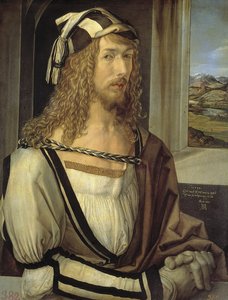
Albrecht Dürer
1471 - 1528 , Saksamaa
Lühikest infot
- Artistic Movement Or Style: Saksa renessanss
- Artists Or Movements Influenced By This Artist: ['Põhja renessanss']
- Artists Who Influenced This Artist:
- Leonardo da Vinci
- Raphael
- Giovanni Bellini
- Date Of Birth: 21. mai 1471
- Date Of Death: 6. aprill 1528
- Full Name: Albrecht Dürer
- Nationality: Saksamaa
- Notable Artworks:
- Apokalipsise seeria
- Melanhoolia I
- Püha Jerome'i töötoas
- Place Of Birth: Nürnberg, Saksamaa
Sarnased artiklid

Celestial Messengers: A Comprehensive Exploration of Angelic Representation in Art History
Explore the captivating history of angels in art! Discover symbolism, iconic Renaissance masterpieces & renowned artists. Expert insights for art lovers & collectors at OriginalUniqueArt.

Engraving: A Historical Survey of Technique, Artistic Expression & Enduring Legacy
Explore the rich history of engraving with OriginalUniqueArt. Discover techniques, iconic artists like Dürer & Callot, collecting tips, and expert guidance for preserving your art investment. Learn about intaglio printing & more!

Celestial Messengers: Angels in Painting – A Historical & Artistic Exploration
Explore the captivating history of angels in painting! Discover symbolism, iconic Renaissance & Byzantine masterpieces, and renowned artists. Expert insights for art lovers & collectors at OriginalUniqueArt.
Engraving's Golden Age: 10 Masterpieces That Redefined Art | OriginalUniqueArt
Journey through art history with our Top 10 Legendary Engravings! Explore masterpieces by Dürer, Rembrandt & Goya. Discover the stories behind these iconic prints and find museum-quality reproductions for your home at OriginalUniqueArt.com.
Albrecht Dürer's Masterpieces: 25 Iconic Artworks for Your Home | OriginalUniqueArt
Explore 25 iconic artworks by Albrecht Dürer, a master of the German Renaissance. Discover the stories behind Melencolia I, Knight Death and Devil & more. Find museum-quality art reproductions for your home at OriginalUniqueArt.com.