
 Eelvaade
 Saada
Saada Jaga
Jaga
 Teave teose kohta
 Juhend

 Laadi alla
 Sarnased teosed
 Röntgenuuring
 Slaidietendus
 KÜSIMUSED JA VASTUSID
 Statistika
Landscape with Windmill

- 69.0 x 92.0 cm


 Loe lähemalt
Giclée / Kunstiprint
Muuseumikvaliteediga giclée- või kangasprint kiire tootmisega ja paindlikud viimistlusvõimalused. ( Osta käsitsi maalatud teos Lülita digitaalse pildi juurde)




P118B €10

P118H €10

P118W €10

P438Z €10

P508JH €12

P508YH €12

P805H €10

P805Z €10

P919BZ €10

P919G €10

P919XJ €10

P959ZH €10

P968JZ €12

W106C €8

W218G €10

W218JH €8

W218Y €10

W307PJ €10

W316G €10

W316PJ €8

W316Y €10

W398PJ €8

W4111J €10

W500HY €15

W500JH €15

W692G €12

W849H €8

W940BG €15

W953PJ €8




Vali meie eelmääratud suurused, mis vastavad teose algupärastele proportsioonidele.

Sisestage vajalik laius ja kõrgus, et see sobiks teie raamile või seinale. Trükki saab ainult lõigata, seda ei saa kunagi pildist suuremaks teha, seega ka erineva mustega suurus kaotab osa pildist. Enne trükkimist saadame teile kinnitamiseks digitaalse näidisprojektsiooni. Sellel lehel näidatud pilt ei kujuta reaalset lõiget — seda näitab ainult näidisprojektsioon.
Ülemaailmne tarne () 2 nädala jooksul, tavalise 4/5 nädala asemel. (3 november)

Tasuta ekspresssaatmine üle maailma

Kõrgekvaliteediline lina-kangas

Täielik transpordikindlustus

Tollimaksude tagastamise garantii

Värvitoime täpsuse garantii

100 päeva tagastusõigus (ainult valmistusdefektide korral)

100% raha tagasi garantii

Hulgusoodustus
 Klaasivalik on saadaval ainult kuni 110 cm suuruses teostes

Landscape with Windmill
Giclée / Kunstiprint
Reproduktsiooni suurus
-


Koguhind
€ 72
A Nocturnal Reverie: The Ethereal World of Aert van der Neer
In the heart of the Dutch Golden Age, a period defined by unparalleled artistic flourishing, Aert van der Neer emerged as a master of the unseen. While many of his contemporaries sought to capture the grandeur of sweeping vistas or the heroic narratives of history, van der Neer turned his gaze toward the quiet, the shadowed, and the silvered moments of the natural world. His 1646 masterpiece, "Landscape with Windmill," serves as a profound testament to this singular vision. The painting invites the viewer into a tranquil, nocturnal realm where a meandering river reflects the soft, diffused light of a sky caught between dusk and dawn. It is not merely a depiction of a Dutch landscape; it is an invitation to experience the stillness of a world suspended in time, rendered with a psychological depth that resonates long after the first glance.
The composition is a masterclass in atmospheric balance. A winding waterway leads the eye through a lush, verdant foreground, where the dark silhouettes of trees provide a structural weight to the scene. As the gaze travels deeper into the canvas, the presence of a windmill on the right horizon introduces a subtle touch of human industry, yet it remains harmoniously integrated into the natural rhythm of the landscape. The color palette is intentionally restrained, dominated by earthy tones and deep greens, punctuated by the delicate blues of the water and sky. This careful orchestration of color creates a sense of profound serenity, making the work an ideal centerpiece for those seeking to bring a sense of calm, contemplative elegance to a sophisticated interior.
Technique and the Alchemy of Light
What truly distinguishes van der Neer from his peers is his extraordinary ability to manipulate light. He was a pioneer of the nocturnal genre, specializing in scenes lit only by the ethereal glow of moonlight or the flickering warmth of distant fires. In "Landscape with Windmill," we see the fruits of his meticulous technique—a process of delicate glazing where thin, translucent washes of oil paint are layered to achieve a luminous, almost breathing quality. This method allows the light to appear as if it is emanating from within the canvas itself, capturing the elusive shimmer of frost or the soft diffusion of mist.
For the discerning collector or interior designer, the technical brilliance of this work offers more than just visual beauty; it offers texture and depth. The way the artist captures the interplay between shadow and light creates a dynamic visual experience that changes depending on the ambient lighting of a room. To possess a reproduction of such a piece is to bring a fragment of seventeenth-century Dutch mastery into a modern space, providing a window into a world where every brushstroke was dedicated to capturing the fleeting, magical essence of the atmosphere.
Historical Resonance and Emotional Depth
To understand "Landscape with Windmill" is to understand the soul of the Dutch Republic in the mid-seventeenth century. This was an era of significant social and intellectual transformation, yet van der Neer found his inspiration in the enduring, quiet cycles of nature. His work avoids the flamboyant and the loud, opting instead for a restrained realism that speaks to the human condition—specifically our capacity for solitude and reflection. There is a palpable sense of melancholy in the cool tones and the vast, quiet sky, yet it is a beautiful melancholy, one that celebrates the majesty of the natural world even in its most somber moments.
For those looking to curate an art collection that evokes emotion and tells a story, van der Neer’s work provides an unparalleled opportunity. His landscapes do not demand attention through spectacle; they earn it through intimacy. Whether placed in a quiet study, a grand library, or a contemporary living space, this painting acts as a meditative anchor, offering a sense of peace and a connection to the timeless beauty of the Dutch masters. It is a piece that does not just decorate a wall—it transforms an environment.
Korduvad küsimused
Kuidas ma saan alla laadida teose „Landscape with Windmill“, autor Aert Van Der Neer pildi?
Teose „Landscape with Windmill“, autor Aert Van Der Neer digitaalset pilti saab alla laadida selle teose Laadi alla lehelt: kõrge resolutsiooniga digitaalse pildi allalaadimine.
Kas teosele „Landscape with Windmill“, autor Aert Van Der Neer on saadaval diapositatsioon?
Teose "Landscape with Windmill" diaporama on vaadatav teose Pildikava lehel.
Kust saab teose „Landscape with Windmill“, autor Aert Van Der Neer täna vaadata?
Teos „Landscape with Windmill“, autor Aert Van Der Neer on näitustel Hermitage muuseum, Saint Petersburg, Russia. Muuseumi keterangane viitab originaalteosele, mitte reproduktsioonidele.
Kunstniku elulugu
Aert van der Neer: Kuuvalguse ja talvimaastikute meistri
Aert van der Neer (umbik 1603 – 9. november 1677) seisab hollandi kuldajärgu maastikupintmalena eristuvana ja ainulaadne enough tegelasena, teda tähistades tema lummavad ja kütkestavad öisinoodid, mis on uputatud eteerilise kuuvalguse sisse ning talvmaastikud, mis on täidetud külma ja puhta vaikusest, eriti need, mis avanevad kanalide ja jõgede üle. Erinevalt paljudest tema ajastikustest kaaslastest, kes eelistasid suuri vaateid või idealiseeritud pastoralistlikke maastikke, keskendus van der Neer peente atmosfääriefektide ja looduse intiimsete hetkede tabamisele, saavutades sellega positsiooni žanripintmal asjaajastik psühholoogilise realismi pioneerina. Tema võime tekitada jäise kanali lõikav külm või kesküö taeva hõbedane sära võimaldab vaatajal astuda otse otse sisse XVII sajandi Hollandi vaiksesse maailma.Varajane elu ja kunstiline haridus
Teave van der Neeri kujunendus aastate kohta on jäänud väheseks, peitudes ajaloo udu kätkesse, kuid tema kunstiline olemus on sügavalt juurdunud hollandi mulda. Kuigi biograafilised andmed viitavad sellele, et ta sündis Gorinchemi linnas umbes 1604. aastal, on tema tõeline kunstiline pärand leitav tema kaaslaste pintoonides. Tema kunstiline haridus on tõenäoliselt tulnud ekspositsioonistest mõjuvate maalide juures, nagu Rafael ja Jochem Govertsz Camphuysen, kelle stiililine tundlikkus mõjutas kahtlemata tema oma kasvavat talenti. See side märkimisväärse kunstiperega lõi keskkonna, mis soostis oskuste teravmist ja uusi lähenemisi visuaalse esituse juures. Tänu sellele varajasele süvenemisele hakkas ta arendama ainulaadset silma valgusest ja varjust koosmängule – omadust, sellest sai tema elutöö kaubamärk.Kuuvalguse keel ja tehnika
Van der Neeri eristuv stiil on kohe loetav tema meistralusest valgust manipuleerimisel — eriti kuuvalguse kasutamisel — ning selle õrn koosmängus tulevalgusega. Ta vältis draamatilisi, laiaulatuslikke kompositsioone eelistades madalmeelset maastikku, kus liiguvad inimesed on sisse sulandunud igapäevase elu rütmilistesse tegevustesse. Tema teostest võib leida:- Jääl liuglevad uimastavad uiskujad talve kõrgeimas ajal.
- Kolf-mängijad, kes püüavad oma sihttegevusi pehmade lumekuhnade vahel.
- Kalamehed, kes ootavad kannatlikult oma saaki tõuseva kuu all.
- Hobevankrid, mis navigeerivad magusa linna vaikadel ja jääisel radadel.
Pärand ja ajalooline tähendus
Aert van der Neeri ajalooline väärtus peitub tema võimes tõsta "väike" maastik kõrge emotsionaalse resonantsi tasemele. Kuigi teised meistrid otsisid monumentaalset, leidis van der Neer suursust hetkilisest ja vaiksesest. Tema teosed, nagu hinget lõikav Maastik päikeseloojangu ajal või elulised talvinead Hollandi linnade lähedal, toimivad ajatute pilkudena XVII sajandi ellu. Ta jääb hollandi kuldajärgu kunstiks nurgakiviks, mida mäletatakse mitte ainult tema tehnilise oskuse, vaid võime tõttu tabada öömaailma hinged.
Aert Van Der Neer
1604 - 1677 , Madalmaatsed
Lühikest infot
- Artistic Movement Or Style: Hollandi kuldajärgu maalistus
- Artists Or Movements Influenced By This Artist: ['Albert Cuyp']
- Artists Who Influenced This Artist:
- Rafael
- Jochem Govertsz Camphuysen
- Date Of Birth: Amsterdam, Holland (1604)
- Date Of Death: 1677
- Full Name: Aert van der Neer
- Nationality: Hollandi
- Notable Artworks:
- Talv Hollandis: Skatimine
- Jõevaade kuuvalgus
- Kuunähtav maastik sillaga
- Place Of Birth: Gorinchem
Sarnased artiklid

Golden Light & Dutch Skies: Bringing the Magic of Dutch Golden Age Landscapes into Your Home
Transform your home with the breathtaking light of Dutch Golden Age landscapes. Discover how hand-painted oil reproductions of masterworks like Ruisdael and Vermeer bring timeless elegance, atmosphere, and soulful texture to modern interiors. Elevate your space with museum-quality art.

Golden Light & Dutch Skies: The Timeless Magic of Dutch Golden Age Landscapes
Discover the breathtaking beauty of Dutch Golden Age landscapes. Explore the mastery of light, chiaroscuro, and 17th-century realism through an expert art history lens, celebrating the enduring legacy of the Dutch Masters for discerning collectors and art lovers.
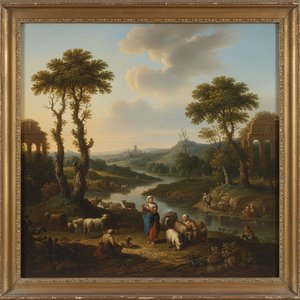
Nicolaes Berchem: Dutch Golden Age Pastoralism & the Evolution of Landscape Painting
Explore the captivating world of Nicolaes Berchem, a leading Dutch Golden Age painter. Discover his idyllic landscapes, masterful technique & lasting influence on art history. Learn more at OriginalUniqueArt.

Hollandi Kuldaja Särgas Kunstipärit: 10 Meisterteost Sinu Koduks
Sukeldu Hollandi Kuldaja kunstivorme! Avasta 10 ikoonilist meistriteost – Rembrandt, Vermeer jt. - ning nende ajatu loojatööd. Leia inspiratsiooni interjöörile ja kaunista kodu OriginalUniqueArt.com kvaliteetsete reproduktsioonidega. Uuri kollektsiooni!
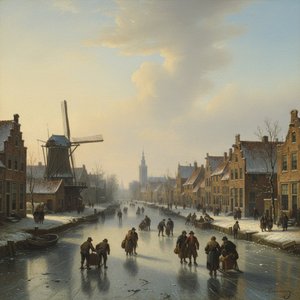
Charles Leickert: Capturing the Dutch Golden Age Light – A Comprehensive Study of Technique, Context, and Legacy
Explore the captivating winter landscapes of Charles Leickert, a master of Dutch Golden Age light & atmosphere. Discover his techniques, symbolism, and lasting legacy – a comprehensive study for art enthusiasts and collectors.