Saada
Saada Jaga
Jaga
 Teave teose kohta

 Laadi alla
 Sarnased teosed
 Slaidietendus
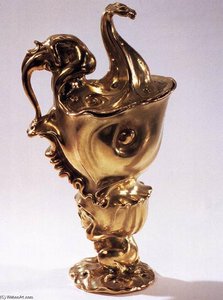
Ewer and basin
 Metalwork
- Sculpture
- Dutch Baroque
 1614
1614- Early Modern
 52.0 x 52.0 cm
 Rijksmuseum
 Loe lähemalt
Giclée / Kunstiprint
Muuseumikvaliteediga giclée- või kangasprint kiire tootmisega ja paindlikud viimistlusvõimalused. ( Osta käsitsi maalitud maal Osta pilt)




































Vali meie eelmääratud suurused, mis vastavad teose algupärastele proportsioonidele.

Saate sisestada oma mõõdud, et need sobiks konkreetse raami või ruumi sisse. Kui valitud suurus ei vasta originaalteose proportsioonidele, lõigame teose ära või laiendame pilti peegeldatud või ühtlase servaga. Enne tootmisprotsessi algust saadetakse Teie kinnitamiseks digitaalne näidis.
Palun märka, et ekraanil kuvatav eelvaade ei kajasta tegelikku lõigamist või laiendamist. Ainult näidis kujutab täpselt lõplikku kompositsiooni.
Kuigi erimõõdu on saadaval, soovitame originaaproportsioonide säilitamiseks valida mõõt ette määratud nimekirjast.
Ülemaailmne tarne () 2 nädala jooksul, tavalise 4/5 nädala asemel. (28 august)

Tasuta ekspresssaatmine üle maailma

Kõrgekvaliteediline linakangas

Täielik transpordikindlustus

Tollimaksude tagastamise garantii

Värvitoime täpsuse garantii

60-päevane tagastusõig: ainult tootmisdefektide korral

100% raha tagasi garantii

Hulgusoodustus
 Klaasivalik on saadaval ainult suuruses kuni 110 cm

Ewer and basin
Giclée / Kunstiprint
Reproduktsiooni suurus
-


Kogusumma
$ 80
Ewer and Basin: A Glimpse into Utrecht's Baroque Splendor
The exquisite pairing of an ewer and basin, crafted in 1614 by the renowned Adam van Vianen, offers more than just a glimpse into the material artistry of the Dutch Golden Age; it provides a window into the sophisticated tastes and opulent lifestyles of Amsterdam’s elite. This ensemble, commissioned as a gift for Prince Maurits, Stadholder of the Netherlands, stands as a testament to Van Vianen's mastery of silversmithing and his pivotal role in shaping Utrecht’s artistic landscape during this period of unprecedented prosperity and cultural flourishing. The objects themselves, rendered in gleaming gold-colored metal, possess an undeniable presence – a harmonious blend of functionality and extravagant ornamentation that speaks volumes about the era's appreciation for refined craftsmanship.The Auricular Style: A Baroque Embrace
Van Vianen’s work is inextricably linked to the “auricular style,” a uniquely Dutch phenomenon bridging the late Mannerist and early Baroque periods. This distinctive aesthetic, as its name suggests, draws inspiration from the organic forms of the human ear – swirling, undulating shapes that mimic natural growth and create an illusion of movement. The basin, with its expansive circular form and intricately detailed rim, exemplifies this style perfectly. A central circular element, possibly a lid or cover, features a captivating pattern radiating outwards, drawing the eye into a mesmerizing vortex of design. Similarly, the ewer, with its graceful curves and delicate spout, embodies the fluidity and dynamism characteristic of auricular ornamentation. It’s not merely decoration; it's an attempt to capture life itself in metal – a vibrant, almost palpable energy that animates the objects. The technique employed—likely chasing, where skilled artisans use specialized tools to push the silver from behind, creating raised designs—demands incredible precision and artistry, further highlighting Van Vianen’s exceptional talent.Symbolism and Patronage: A Royal Gift
Beyond its aesthetic appeal, this ewer and basin carries layers of symbolic meaning deeply rooted in the political and cultural context of 17th-century Netherlands. The commission itself—a gift for Prince Maurits—underscores his importance as a military leader and symbol of Dutch independence during the Eighty Years' War. The presence of oranges along the rim and within the basin’s design are deliberate references to the House of Orange, further solidifying the ensemble’s political significance. The scenes depicted on the ewer likely portray key victories under Maurits’ command, celebrating military prowess and national pride. This wasn't simply a decorative object; it was a powerful statement of loyalty and admiration for a pivotal figure in Dutch history. The choice of silver—a precious metal associated with wealth, purity, and status—further elevates the ensemble, signifying its intended role as a symbol of royal prestige.An Enduring Legacy: Van Vianen's Artistic Impact
Adam van Vianen’s legacy extends far beyond this remarkable ewer and basin. His innovative designs and technical mastery profoundly influenced subsequent generations of sculptors and silversmiths in Utrecht and throughout the Netherlands. He, along with his brother Paulus, established a workshop that became synonymous with excellence, setting a standard for craftsmanship that continues to inspire awe today. The enduring popularity of this ensemble—evidenced by its frequent depiction in Dutch Golden Age paintings—testifies to its artistic merit and cultural significance. Owning a reproduction of this masterpiece is not merely acquiring a beautiful object; it’s embracing a piece of history, connecting with the artistry of a bygone era, and celebrating the enduring power of human creativity.Kunstniku elulugu
The Master of Silver: The Life and Legacy of Adam van Vianen
In the heart of Utrecht, during the luminous dawn of the Dutch Golden Age, a transformative era of artistic brilliance was unfolding. It was within this atmosphere of burgeoning prosperity and cultural expansion that Adam van Vianen (1568–1627) emerged as a defining figure of the Baroque period. While history often casts a spotlight on the grand canvases of painters, Adam’s mastery resided in the intimate, tactile world of precious metals. As a silversmith and medallist, he possessed the rare ability to breathe life into silver, turning cold, hard surfaces into fluid, organic compositions that seemed to pulse with an internal vitality.
Adam's artistic journey was deeply intertwined with his familial roots and the prestigious traditions of the Netherlands. He was shaped by the mentorship of his brother, Paulus van Vianen, a renowned sculptor whose international travels had brought the sophisticated influences of Mannerism and Florentine sculpture back to Dutch soil. This connection provided Adam with more than just technical training; it offered him a window into a broader European aesthetic that blended classical grace with a new, restless energy. While Paulus sought fame on the grander stages of Europe, Adam remained a steadfast pillar of Utrecht’s artistic community, refining his craft and establishing a local legacy that would resonate far beyond the city walls.
The Auricular Style: A Symphony of Metal
The true hallmark of Adam van Vianen’s genius lies in his pioneering role in the development of the auricular style. This was not merely a technique, but a sensory revolution in metalwork. Characterized by intricate embossing, this method allowed the artist to manipulate silver sheets into raised, undulating surfaces that mimicked the organic complexity of nature. The term "auricular"—derived from the Latin for ear—alludes to the way these flowing, fleshy forms often resembled the curves of the human ear or the sinuous movement of liquid.
Through this mastery of texture and depth, Adam achieved a level of sculptural fidelity previously unseen in silversmithing. His works were characterized by:
- Dynamic Fluidity: The ability to create seamless transitions between solid metal and seemingly molten shapes.
- Textural Richness: An extraordinary use of light and shadow, created through deep embossing that captured the eye from every angle.
- Mythological Narrative: The integration of classical themes, where silver became a stage for tales of gods and legends, rendered with a Baroque intensity.
One of his most breathtaking achievements can be seen in pieces such as the Ewer and Basin (1614). In this work, the boundaries between vessel and sculpture dissolve; the metal appears to ripple like water, demonstrating how Adam could use the medium of silver to evoke the ephemeral qualities of the natural world. His ability to replicate the dynamism of classical sculpture within the confines of a functional object remains one of the most significant milestones in the history of decorative arts.
Historical Significance and Enduring Influence
The significance of Adam van Vianen extends far beyond the exquisite objects he left behind. He represents a pivotal moment in art history where the precision of the craftsman met the expressive ambition of the Baroque movement. By bridging the gap between the structured elegance of Mannerism and the dramatic, emotive power of the Baroque, he helped define a new visual language for Northern Europe. His work served as a testament to the technical prowess of the Dutch Golden Age, proving that even the smallest, most intimate objects could carry the weight of profound artistic innovation.
Today, the legacy of Adam van Vianen continues to inspire collectors and historians alike. His ability to transform silver into a medium of movement and emotion remains a benchmark for excellence in silversmithing. As we look upon his surviving masterpieces, we do not merely see historical artifacts; we witness the enduring spirit of an artist who mastered the art of capturing the infinite within the finite, leaving an indelible mark on the history of European decorative art.

adam van vianen
1568 - 1627 , Netherlands
Lühikesed faktid
- Artistic Movement Or Style: Auricular Style
- Artists Or Movements Influenced By This Artist: ['Baroque']
- Artists Who Influenced This Artist: ['Paulus van Vianen']
- Date Of Birth: ca. 1568
- Date Of Death: 1627
- Full Name: Adam van Vianen
- Nationality: Dutch
- Notable Artworks:
- Diana & Actaeon bowl
- Covered ewer
- Ewer and basin
- Place Of Birth: Utrecht, Netherlands
Seotud artiklid

Dutch Baroque Masters: 10 Paintings That Shaped an Era | OriginalUniqueArt
Journey through the Golden Age with our guide to the Top 10 Dutch Baroque masterpieces! Explore iconic paintings by Rembrandt, Vermeer & Frans Hals. Find museum-quality art reproductions and elevate your home decor at OriginalUniqueArt.com.

Rembrandti 25 meistriteost: Valgus ja varjud Hollandi kuldajast kunstikollektsioonis
Avastage Rembrandti 25 meistriteost! Hollandi kuldajastu barokkmaalid, portreed ja ajaloolised stseenid. Leidke inspiratsiooni interjööri kujunduseks või soetage luksuslik Rembrandt reproduktsioon OriginalUniqueArt.com-ist. Avastage kogu kollektsioon veebis!
Cornelis van Poelenburch: Bridging Mannerism & the Dutch Baroque Landscape
Discover Cornelis van Poelenburch, a pivotal Dutch Baroque landscape painter bridging Mannerism & Italianate styles. Explore his life, key works, and lasting influence on 17th-century art with OriginalUniqueArt.

Golden Age Reflections: Dutch Baroque Painting & Cultural Innovation
Explore the Dutch Golden Age of painting! Discover key artists like Vermeer & ter Borch, their innovative techniques, and the rich cultural context behind these Baroque masterpieces. Learn about collecting & appreciating this iconic art period.
Adriaen van Ostade: A Master of Dutch Genre Painting & Social Commentary
Explore the life & work of Adriaen van Ostade, a leading Dutch Golden Age painter. Discover his realistic genre scenes, social commentary, and lasting influence on art history. Learn more at OriginalUniqueArt.