
 Saada
Saada Jaga
Jaga
 Teave teose kohta

 Laadi alla
 Sarnased teosed
 Slaidietendus
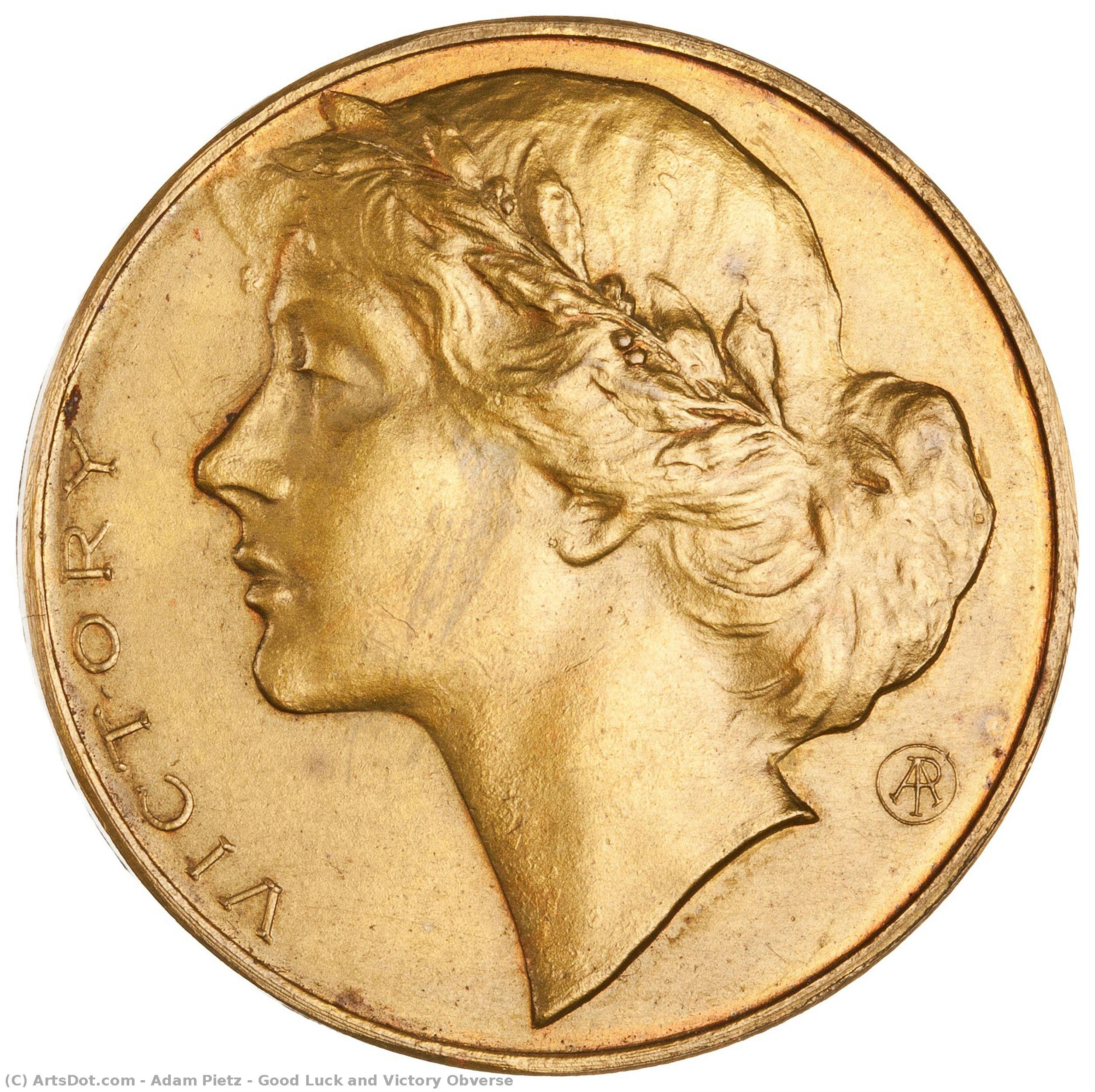
Good Luck and Victory Obverse


 Loe lähemalt
Giclée / Kunstiprint
Muuseumikvaliteediga giclée- või kangasprint kiire tootmisega ja paindlikud viimistlusvõimalused. ( Osta käsitsi maalitud maal Osta pilt)




































Vali meie eelmääratud suurused, mis vastavad teose algupärastele proportsioonidele.

Saate sisestada oma mõõdud, et need sobiks konkreetse raami või ruumi sisse. Kui valitud suurus ei vasta originaalteose proportsioonidele, lõigame teose ära või laiendame pilti peegeldatud või ühtlase servaga. Enne tootmisprotsessi algust saadetakse Teie kinnitamiseks digitaalne näidis.
Palun märka, et ekraanil kuvatav eelvaade ei kajasta tegelikku lõigamist või laiendamist. Ainult näidis kujutab täpselt lõplikku kompositsiooni.
Kuigi erimõõdu on saadaval, soovitame originaaproportsioonide säilitamiseks valida mõõt ette määratud nimekirjast.
Ülemaailmne tarne () 2 nädala jooksul, tavalise 4/5 nädala asemel. (18 august)

Tasuta ekspresssaatmine üle maailma

Kõrgekvaliteediline linakangas

Täielik transpordikindlustus

Tollimaksude tagastamise garantii

Värvitoime täpsuse garantii

60-päevane tagastusõig: ainult tootmisdefektide korral

100% raha tagasi garantii

Hulgusoodustus
 Klaasivalik on saadaval ainult suuruses kuni 110 cm

Good Luck and Victory Obverse
Giclée / Kunstiprint
Reproduktsiooni suurus
-


Kogusumma
$ 80
Kogumuse kirjeldus
The Enduring Echoes of Liberty: A Study in American Numismatic Art
To gaze upon this coin is not merely to observe metal; it is to encounter a tangible piece of American aspiration, a miniature monument steeped in the weight of history and the brilliance of artistic intent. This 1917 obverse, bearing the inscription "Good Luck and Victory," immediately draws the eye with its rich, golden-brown patina, suggesting the enduring value of ideals far beyond mere currency. The portrait featured—a profile adorned with the classical laurel wreath—is a deliberate nod to antiquity, linking the modern concept of national virtue back to the celebrated triumphs of Greece and Rome. It speaks in a universal language understood by art lovers across millennia: the celebration of achievement.
Craftsmanship and the Hand of the Master Engraver
The artistry evident here points directly to the meticulous hand of Adam Pietz, whose career exemplifies the pinnacle of American medalist engraving. While we admire the final product, one must appreciate the skill required to render such detail in relief upon a circular plane. Pietz’s training, rooted in classical sculpture and honed through his service at institutions like the Chicago Art Institute, allowed him to imbue this piece with a sculptural depth rarely seen outside of fine bronze casting. The crisp lettering—"LIBERTY" arcing above, "IN GOD WE TRUST" nestled below the neckline—and the powerful depiction of the spread-winged eagle are not simply engraved; they are carefully composed elements that guide the viewer's eye through a narrative of faith and freedom.
Symbolism Woven into Bronze
The symbolism embedded within this piece is rich, layered, and profoundly resonant. The laurel wreath itself is an immediate signifier of victory, suggesting that the liberty celebrated here was hard-won. Coupled with the prominent eagle, a timeless emblem of strength and vigilance, the coin becomes a potent talisman. Furthermore, the inclusion of "IN GOD WE TRUST" anchors the secular celebration of freedom within a framework of enduring spiritual belief. For the collector or decorator, this piece offers more than decoration; it offers conversation—a dialogue about national character, resilience, and the confluence of human endeavor with higher ideals.
A Touch of History for Modern Adornment
For those seeking to bring a sense of storied gravitas into a modern interior or to acquire a piece that speaks volumes without uttering a word, this reproduction offers unparalleled depth. The technique employed by Pietz—a masterful blend of classical portraiture with patriotic Americana—ensures its appeal across diverse tastes. Whether displayed mounted on a velvet cushion in a study, or used as an accent piece evoking the spirit of early 20th-century American enterprise, it carries an undeniable aura of permanence. It is a wearable history, a captured moment where art, commerce, and profound belief converged.
Kunstniku elulugu
A Legacy in Metal: The Visionary Artistry of Adam Pietz
In the delicate intersection of sculpture and currency, few names resonate with as much technical mastery and symbolic depth as Adam Pietz. Born in Frankfurt am Main, Germany, in 1873, Pietz carried with him a profound European appreciation for meticulous craftsmanship and the sculptural weight of form. His journey to the United States in 1889 marked the beginning of a transformative era in American numismatic art. Through his rigorous training at the Chicago Art Institute and the Drexel Institute, he cultivated a command over classical drawing and relief techniques that would eventually allow him to breathe life into the cold surfaces of metal, turning mere coins into miniature canvases of historical narrative.
Pietz’s career reached its zenith during his long and distinguished tenure at the Philadelphia Mint. Serving as the Assistant Chief Engraver from 1927 until his retirement in 1946, he occupied a position of immense creative responsibility. It was within this prestigious institution that his talent for die-sinking and engraving flourished, allowing him to manipulate surface textures with an almost ethereal grace. His work was never merely functional; rather, it sought to capture the very essence of the moments it commemorated. Whether through the subtle play of light on a raised edge or the intricate detailing of a historical figure, Pietz possessed the rare ability to imbue small-scale objects with a sense of monumental importance.
Symbolism and the Weight of History
The artistry of Adam Pietz is perhaps most profoundly felt in his use of symbolism—a tool he wielded to bridge the gap between monetary value and cultural identity. His designs often transcended the immediate context of their production, reaching back into antiquity or forward into the hopes of a nation. A notable example of this is his Iowa Statehood Centennial Half Dollar (1946), a piece that stands as a testament to his ability to weave historical milestones into a cohesive visual language. In this work, the mastery of texture and composition serves to honor the heritage of the American landscape, making the passage of time tangible through the medium of silver.
However, Pietz’s career was not without its moments of intense complexity and debate. As an artist deeply attuned to the symbols of his era, he occasionally ventured into territory that challenged contemporary sensibilities. His decision to incorporate the swastika—an ancient symbol representing good luck and prosperity—onto the World War I Good Luck Medal remains a poignant example of the tension between historical symbolism and evolving political landscapes. This period of his work serves as a reminder of the artist's role as a chronicler of human belief, navigating the delicate balance between traditional iconography and the shifting tides of global history.
The Enduring Impression of a Master Engraver
Beyond the specific triumphs of his commemorative medals, the historical significance of Adam Pietz lies in his elevation of the engraver's craft. He did not merely record facts; he sculpted meaning. His contributions to American numismatics helped define an era where the tools of the mint were used to foster a sense of national pride and continuity. Through his work as an etcher, sculptor, and die-sinker, he left behind a legacy that continues to be studied by those who appreciate the fine art of the miniature.
To reflect on the breadth of his impact, one might consider the following pillars of his professional identity:
- Technical Mastery: His ability to utilize classical sculptural techniques within the microscopic constraints of coin engraving.
- Institutional Influence: His pivotal role at the Philadelphia Mint, where he shaped the visual identity of American coinage for nearly two decades.
- Narrative Depth: The use of numismatic art to preserve historical narratives, such as the Iowa Centennial, through intricate relief and texture.
- Symbolic Complexity: A career defined by the exploration of ancient symbols and their enduring resonance in a modernizing world.

Adam Pietz
1873 - 1961 , Germany
Lühikesed faktid
- Artistic Movement Or Style: Sculptor, Medalist, Engraver
- Date Of Birth: 1873
- Date Of Death: 1961
- Full Name: Adam Pietz
- Nationality: German
- Notable Artworks: ['Good Luck and Victory Obverse']
- Place Of Birth: Frankfurt am Main, Germany
Seotud artiklid

The Enduring Legacy of Bronze: A Historical & Artistic Exploration for the Collector
Explore the rich history & enduring appeal of bronze sculpture with expert insights for collectors at OriginalUniqueArt. Learn about casting techniques, iconic artists, collecting tips & contemporary interpretations.

Bronze Age to Modern Masters: 10 Sculptures That Redefined Art | OriginalUniqueArt
Journey through art history with 10 legendary bronze sculptures – from Michelangelo's David to Rodin’s Thinker. Explore the stories, techniques & timeless beauty of these masterpieces. Find museum-quality reproductions & elevate your home decor on OriginalUniqueArt.com.

The Eternal Glow of Bronze: A Guide to Sculpting with Light, Strength, and Timeless Artistry
Explore the profound beauty of bronze sculpture. From the ancient lost-wax technique to the interplay of light and patina, discover how this enduring alloy captures human emotion and history through masterful artistry and strength.

Timeless Strength: The Ultimate Guide to Bronze Art and Sculpture for the Discerning Collector
Discover the enduring elegance of bronze sculpture. Our expert guide explores lost-wax casting, patina mastery, and professional tips for collecting and commissioning museum-quality bronze art to create a lasting legacy in your private collection.
The Enduring Legacy of Bronze: History, Technique & Artistic Expression for the Collector
Explore the rich history & enduring appeal of bronze sculpture with expert insights for collectors at OriginalUniqueArt. Learn about casting techniques, iconic artists, and collecting tips.

